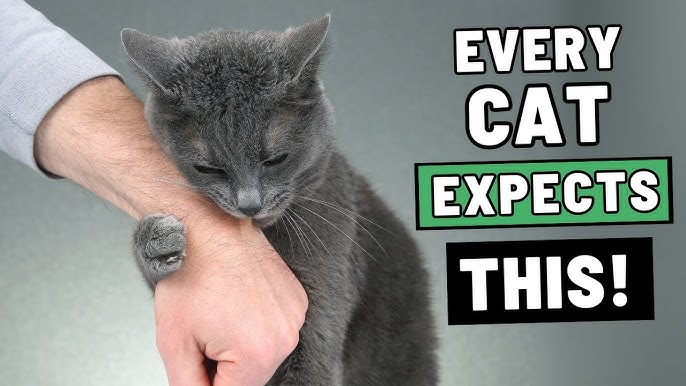
Do you think short-haired cats don’t need grooming? Think again.
Even if your feline friend has a sleek, short coat, regular grooming is key to keeping them healthy and happy. You might be surprised how simple it is to care for your cat’s fur and skin, and how much it can improve their comfort and shine.
You’ll discover why grooming matters for short-haired cats, the best techniques to use, and tips that will make the process easy for both you and your pet. Ready to give your kitty the care they deserve? Keep reading to find out how.
Benefits Of Grooming Short Haired Cats
Grooming short haired cats offers many benefits beyond just keeping them clean. Regular brushing and care help maintain their overall health. Short haired cats may need less grooming than long haired ones, but they still gain a lot from it.
Grooming helps improve their coat, reduce loose fur around the house, and stop hairballs from forming. It also strengthens the bond between you and your pet. Here are some key benefits of grooming short haired cats.
Improving Coat Health
Brushing short haired cats spreads natural oils across their fur. These oils make the coat shiny and soft. Grooming removes dirt and dead skin cells that can cause irritation. It also helps spot skin problems early, such as dryness or bumps. Healthy skin means a healthy cat.
Reducing Shedding
Short haired cats shed fur regularly. Grooming catches loose hairs before they fall off. This keeps your home cleaner and reduces allergens in the air. Frequent brushing means less fur on furniture and clothes. It also prevents mats and tangles from forming.
Preventing Hairballs
Short haired cats still swallow loose fur during grooming. This fur can form hairballs in their stomach. Regular brushing removes loose hair, so less is swallowed. This helps avoid uncomfortable hairballs and digestive problems. A simple grooming routine keeps your cat comfortable and healthy.
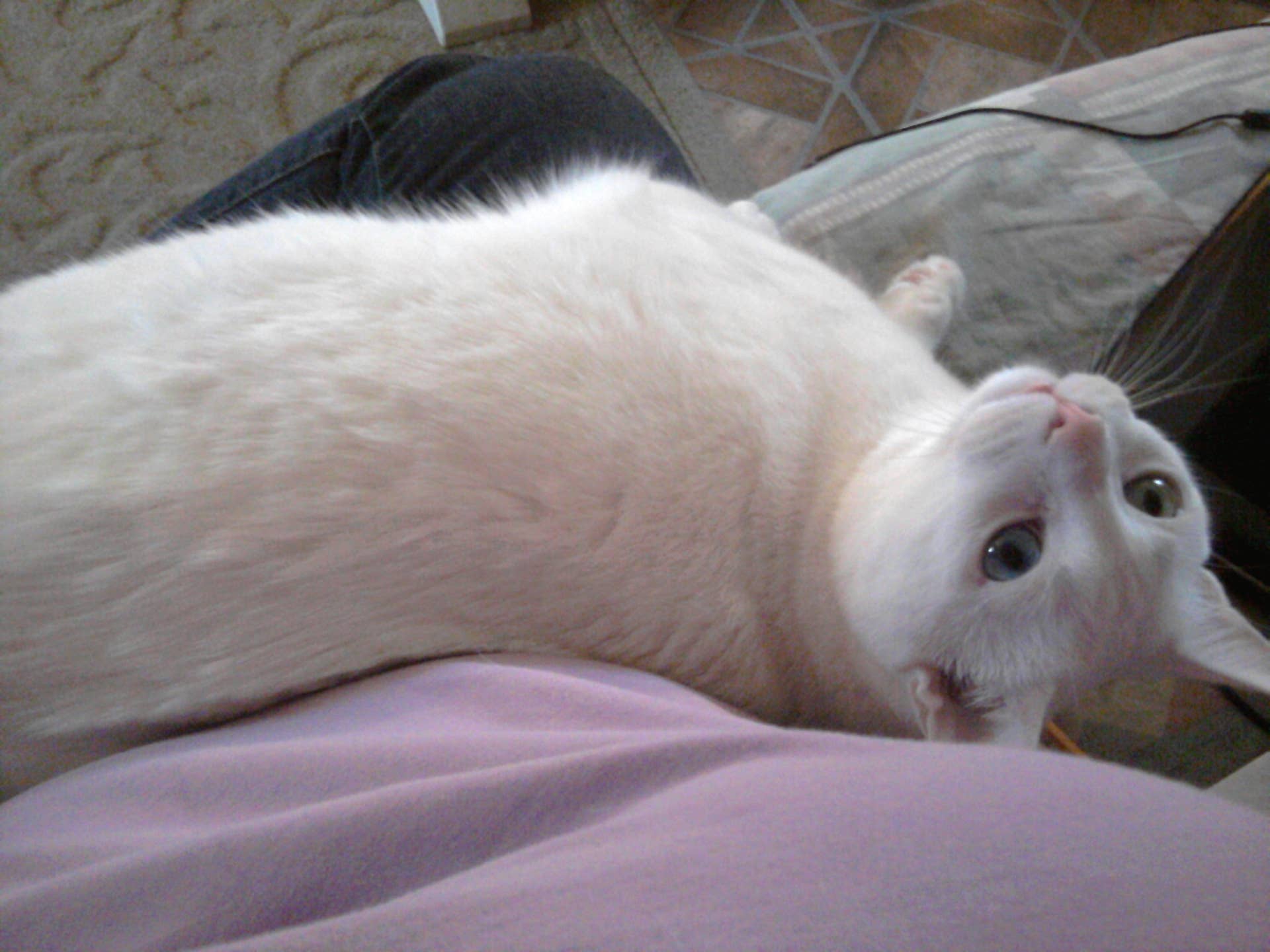
Credit: pethelpful.com
Choosing The Right Grooming Tools
Choosing the right grooming tools for your short-haired cat is essential to keep their coat healthy and shiny. The right tools make grooming easier for both you and your feline friend. It also helps prevent skin irritation and reduces shedding around your home.
Types Of Brushes For Short Hair
Short-haired cats benefit most from brushes designed to remove loose fur without damaging their skin. A bristle brush with soft, closely spaced bristles works well to smooth the coat and distribute natural oils. You might also try a rubber brush, which is gentle and effective at gathering dead hair.
Think about your cat’s comfort. Some cats prefer softer brushes, while others tolerate firmer ones. Watch your cat’s reaction to different brushes to find the best fit.
Grooming Gloves And Combs
Grooming gloves are a great alternative if your cat dislikes traditional brushes. They allow you to pet your cat while removing loose fur, making the experience more pleasant for both of you. Gloves also help stimulate blood circulation and can be easier to use on wiggly cats.
Combs with fine teeth can help you catch any knots or debris that brushes might miss. Use a comb gently to avoid scratching your cat’s skin. Regular combing can keep your cat’s coat smooth and clean.
When To Use Clippers
Clippers aren’t usually necessary for short-haired cats, but there are exceptions. If your cat has mats that cannot be brushed out or if they get too hot in summer, trimming may help. Choose clippers designed specifically for pets and start slowly to avoid stressing your cat.
Ask yourself: Could a short trim improve your cat’s comfort? If so, consult a professional groomer if you’re unsure about using clippers yourself. Safety and your cat’s well-being should always come first.
Step-by-step Grooming Routine
Grooming your short-haired cat is simpler than you might think. Establishing a clear routine helps your feline friend stay comfortable and healthy. Each step builds trust and makes grooming a positive experience for both of you.
Preparing Your Cat
Before you start grooming, find a quiet and comfortable spot where your cat feels safe. Gentle petting helps relax them and gets them used to your touch. Pay attention to your cat’s body language—if they seem tense or restless, take a break and try again later.
Gather all your grooming tools beforehand, such as a soft brush and a damp cloth. Having everything ready prevents interruptions and keeps your cat calm throughout the process. Have some treats nearby to reward good behavior, turning grooming into a positive event.
Brushing Techniques
Use a soft-bristled brush designed for short-haired cats. Brush in the direction of hair growth to avoid irritating your cat’s skin. Short sessions of 5 to 10 minutes are enough to remove loose fur and reduce shedding.
Focus on areas where your cat tends to shed more, like the back and sides. Be gentle around sensitive spots such as the belly and tail. If your cat enjoys brushing, you can increase the frequency to daily; otherwise, two to three times a week works well.
Bathing Tips For Short Haired Cats
Bathing short-haired cats isn’t always necessary, but occasional baths help with dirt and allergens. Use lukewarm water and a cat-specific shampoo to avoid drying out their skin. Keep water out of their ears and eyes to prevent discomfort.
Start by wetting your cat gently, then lather the shampoo carefully while speaking in a soothing voice. Rinse thoroughly and dry with a soft towel. If your cat dislikes water, try using pet-friendly waterless shampoos as an alternative.

Credit: www.latimes.com
Dealing With Common Grooming Challenges
Short-haired cats need regular brushing to remove loose fur and prevent hairballs. Their grooming is easier than long-haired cats but still requires gentle care. Using the right tools helps keep their coat healthy and shiny.
Dealing with grooming challenges in short-haired cats can sometimes feel like a puzzle. While you might think these sleek-coated companions require less maintenance, they come with their unique set of grooming hurdles. From sensitive skin to anxiety, these challenges can make the grooming process tricky. But with the right approach, you can ensure your feline friend stays healthy and happy.Handling Sensitive Skin
Short-haired cats often have sensitive skin that can react to grooming tools. Choose brushes with soft bristles to avoid irritation. Always be gentle and observe your cat’s reaction. If you notice any signs of discomfort, switch to a softer tool or consult your vet for recommendations.Managing Anxiety And Stress
Many cats experience anxiety during grooming sessions. Create a calming environment by using soothing voices and gentle strokes. Incorporate treats and play to make grooming feel like a positive experience. Have you noticed your cat hiding during grooming time? Try grooming them in a space where they feel safe and secure.Spotting Skin Issues Early
Grooming is the perfect time to check for any skin problems. Look for redness, bumps, or unusual hair loss. Early detection is crucial for effective treatment. Regular checks during grooming can prevent minor issues from becoming major health concerns. Always consult your veterinarian if you spot anything unusual. By tackling these challenges head-on, you can turn grooming into a bonding activity that benefits both you and your cat.Maintaining Grooming Between Sessions
Maintaining grooming between professional or thorough grooming sessions is key to keeping your short-haired cat comfortable and looking great. Even though short-haired cats don’t require as much attention as their long-haired counterparts, regular care prevents skin issues and reduces shedding. You might be surprised how small daily habits make a big difference in your cat’s coat health.
Regular Brushing Frequency
Short-haired cats benefit from brushing about once or twice a week. This helps remove loose hair and spreads natural oils that keep their coat shiny.
Use a soft-bristle brush or grooming glove to avoid irritating your cat’s skin. Pay attention to spots where your cat tends to shed more, like the neck and back.
Have you noticed that your cat seems to enjoy the brushing session? It can be a bonding moment and a way to check for any unusual lumps or skin problems.
Diet And Coat Health
Your cat’s diet plays a huge role in coat condition. Foods rich in omega-3 and omega-6 fatty acids promote a healthy, glossy fur.
Try feeding high-quality cat food that lists real meat as the first ingredient and includes essential nutrients. Avoid fillers like corn or wheat, which don’t support skin and coat health.
Think about whether your cat’s current food supports their coat. Sometimes, a simple diet tweak can reduce shedding and make grooming easier.
Using Supplements For Shine
Supplements like fish oil or flaxseed oil can enhance your cat’s coat shine and reduce dryness. Before adding any supplement, consult your vet to find the right dosage and type.
Introduce supplements gradually and observe any changes in your cat’s fur texture or skin condition. Some cats show visible improvements within a few weeks.
Have you tried supplements with your cat? Sharing your experience might help others decide if this is a good option for their furry friend.
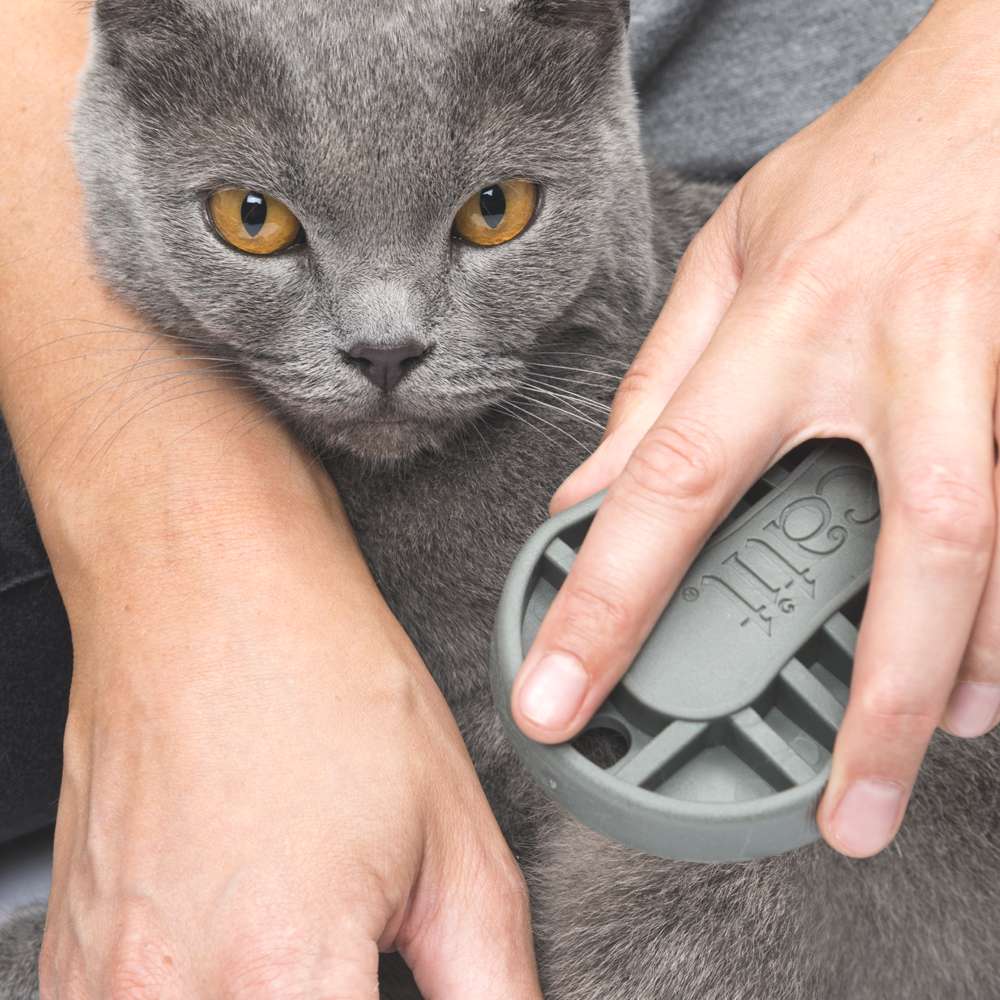
Credit: catit.ca
Frequently Asked Questions
Can You Groom Short-haired Cats Regularly?
Yes, short-haired cats benefit from regular grooming. It removes loose fur, reduces shedding, and prevents hairballs. Grooming also helps check for skin issues and strengthens your bond with your cat.
How Often Should You Groom A Short-haired Cat?
Groom short-haired cats once or twice a week. This frequency keeps their coat healthy and clean. More frequent grooming may be needed during shedding seasons or if your cat has skin conditions.
What Grooming Tools Work Best For Short-haired Cats?
Use a soft-bristle brush or grooming glove for short-haired cats. These tools gently remove loose fur without irritating their skin. Avoid harsh brushes that may cause discomfort or damage their coat.
Can Grooming Reduce Short-haired Cat Shedding?
Yes, grooming significantly reduces shedding in short-haired cats. Regular brushing removes loose hair before it falls off. This helps keep your home cleaner and reduces hairballs in your cat’s digestive system.
Conclusion
Short-haired cats still need regular grooming to stay healthy. Brushing removes loose fur and reduces shedding. It also helps spot skin problems early. Bathing is rarely needed but can help if your cat gets dirty. Use gentle tools made for short fur.
Keep grooming sessions short and calm to avoid stress. Remember, grooming strengthens your bond with your cat. A little care goes a long way in keeping them happy. Regular grooming keeps your short-haired cat comfortable and clean. Simple steps make a big difference every day.

Leave a Reply