Have you ever noticed your cat licking itself more than usual and wondered if it’s just grooming or something more? Over grooming in cats can be a sign that your furry friend is uncomfortable, stressed, or even in pain.
Understanding what counts as over grooming is key to keeping your cat happy and healthy. You’ll discover the signs to watch for and what might be causing your cat to groom excessively. Keep reading to learn how you can help your cat feel better and avoid serious health issues.
Causes Of Over Grooming
Over grooming in cats is more than just a quirky habit; it often signals an underlying issue that needs your attention. Understanding the root causes can help you address your cat’s discomfort effectively and prevent further harm. Let’s look at some common reasons why your feline might be over grooming.
Physical Irritations
Physical irritations like cuts, insect bites, or wounds can make your cat lick or chew a spot excessively. Even tiny irritants, such as fleas or ticks, can cause relentless itching that your cat tries to soothe by grooming more than usual.
Have you noticed your cat focused on one particular area? That could be a sign of a hidden irritation. Checking your cat’s skin regularly can help you catch these issues early and save them from discomfort.
Stress And Anxiety
Cats often groom to calm themselves when they feel stressed or anxious. Changes in their environment, like moving to a new home or the arrival of another pet, can trigger this behavior.
Think about what recent changes your cat has experienced. Could stress be the reason behind the over grooming? Offering a quiet space and consistent routine might ease their anxiety.
Allergies And Skin Conditions
Allergies to food, pollen, or dust can cause itchy skin, prompting excessive grooming. Skin conditions like dermatitis or fungal infections also lead to discomfort, making your cat lick or scratch persistently.
If your cat’s skin looks red, flaky, or swollen, it’s time to consult a vet. Proper diagnosis and treatment can relieve your cat’s symptoms and stop the over grooming cycle.
Behavioral Issues
Sometimes, over grooming is linked to behavioral problems like boredom or compulsive disorders. Cats that don’t get enough mental or physical stimulation might turn to grooming as a way to occupy themselves.
Does your cat seem restless or under-stimulated? Adding interactive toys or more playtime can reduce compulsive grooming and improve their overall well-being.
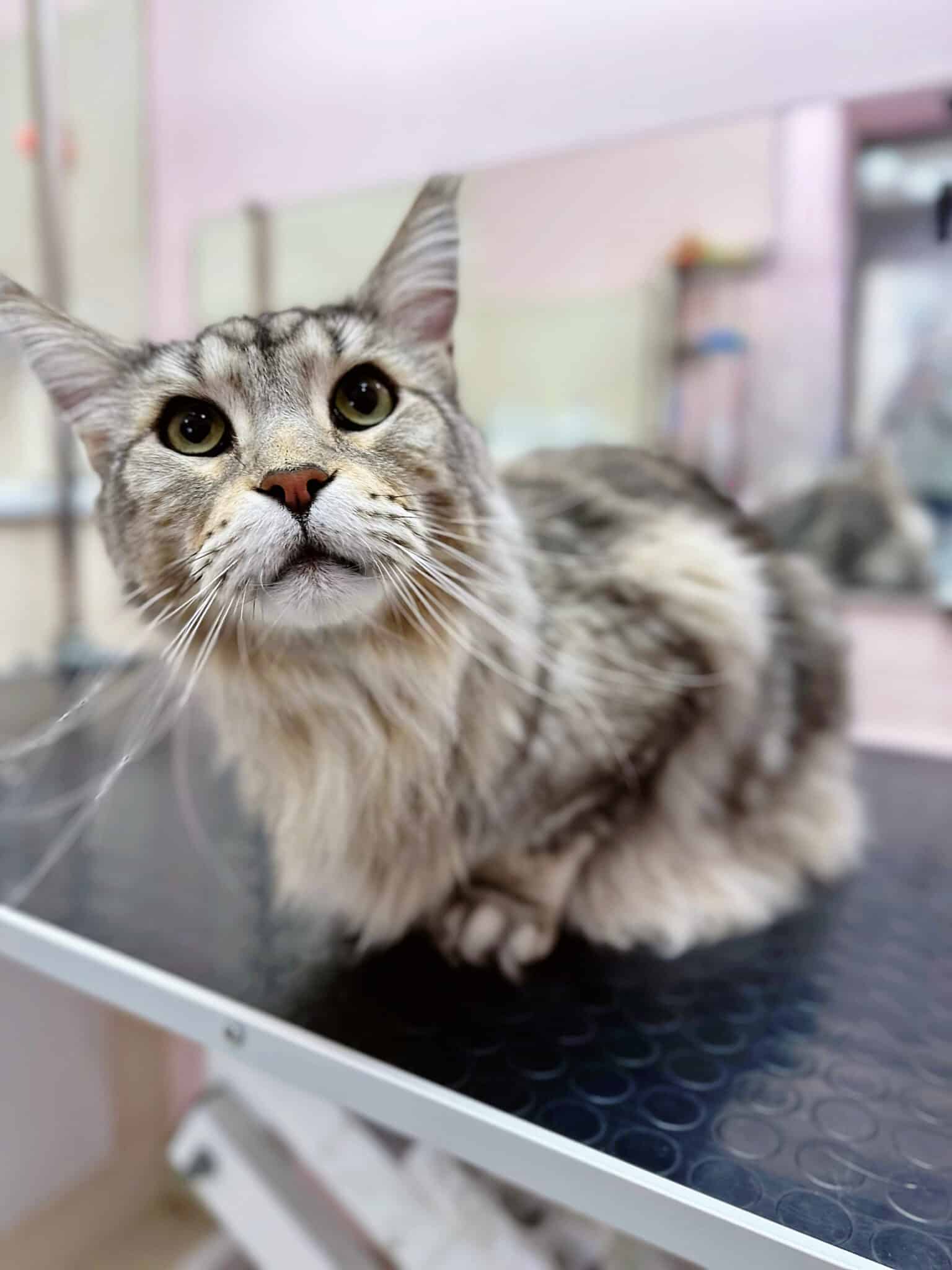
Credit: vogdog.com
Recognizing Over Grooming
Recognizing over grooming in cats early can save your furry friend from discomfort and potential health issues. It’s not always obvious, but subtle changes in your cat’s appearance and behavior can signal a problem. Paying close attention to these signs helps you act promptly and seek the right care.
Visible Signs On Fur And Skin
Look closely at your cat’s fur for patches of missing hair or areas that appear thinner than usual. Over grooming often causes redness, raw spots, or scabs on the skin. You might also notice shiny, overly smooth areas where the fur has been worn down.
If your cat’s coat looks uneven or there are bald patches, it’s time to consider over grooming as a possible cause. These signs are often the first clues that something is wrong beneath the surface.
Changes In Grooming Habits
Has your cat suddenly started licking or biting one spot more than usual? This change is a red flag. Cats normally groom themselves evenly, so focusing intensely on one area suggests discomfort or irritation.
Notice if your cat spends more time cleaning or seems restless while grooming. You might catch them mid-lick or biting repeatedly, which can be a sign of anxiety, allergies, or pain. Tracking these habits can reveal patterns that point to over grooming.
Behavioral Symptoms
Behavioral changes often accompany over grooming. Your cat may become more withdrawn or irritable, avoiding interaction or hiding more than usual. You might also see increased restlessness or pacing.
Has your cat started scratching or grooming immediately after you pet them? This could indicate stress or discomfort. Observing how your cat acts around people and other pets can provide clues about underlying issues leading to over grooming.
Health Risks From Over Grooming
Over grooming in cats can lead to serious health problems. Cats usually groom to stay clean and calm. But too much grooming can harm their skin and body. This behavior often points to stress, allergies, or other health issues. Recognizing the risks helps in protecting your cat’s well-being.
Skin Infections
Constant licking and biting damage the skin’s surface. Broken skin allows bacteria to enter easily. This can cause painful infections that need treatment. Infections might make your cat scratch even more. This cycle worsens the problem and delays healing.
Hair Loss And Bald Spots
Over grooming removes fur faster than it can grow back. Bald spots become visible, often in patches. These areas are sensitive and exposed to sun damage. Hair loss also makes cats feel vulnerable and uncomfortable. It is a clear sign your cat needs help.
Secondary Injuries
Repeated licking can cause sores and wounds. These injuries may bleed or become swollen. Cats might hurt themselves trying to relieve the irritation. Secondary injuries also increase the chance of infections. Immediate care is important to prevent long-term damage.
Veterinary Diagnosis
Understanding what counts as over grooming in cats starts with a solid veterinary diagnosis. This process helps identify the root cause of your cat’s excessive licking or biting. Without a thorough check, you might miss out on important clues that could prevent long-term harm to your feline friend.
Physical Examination
Your vet begins by carefully inspecting your cat’s skin and fur. They look for redness, bald spots, wounds, or scabs that point to over grooming. Sometimes, what seems like a simple itch could be a sign of a deeper health issue.
During this exam, your vet might also check your cat’s overall health. This can reveal if pain or discomfort elsewhere is triggering the grooming. Have you noticed your cat favoring one leg or avoiding jumping? This can be a vital hint.
Allergy Testing
Allergies often cause cats to groom excessively. Your vet might recommend allergy tests to pinpoint triggers like food, pollen, or dust mites. These tests can be skin-prick tests or blood tests depending on what’s available.
Knowing the exact allergen can change how you care for your cat. You might need to switch foods or adjust your home environment. Have you tried eliminating certain foods or cleaning routines to see if your cat’s grooming habits improve?
Behavioral Assessment
Sometimes, over grooming isn’t physical but emotional. Stress, boredom, or anxiety can push cats to lick themselves too much. Your vet may ask about changes in your cat’s routine or environment to find potential stressors.
Observing your cat’s behavior closely can offer clues. Does your cat over groom more when you’re away or after loud noises? These insights help your vet recommend calming strategies or environmental changes.
Treatment Options
Over grooming in cats can be a frustrating challenge for both you and your furry friend. Luckily, there are several treatment options that can help manage and reduce this behavior. Understanding these options empowers you to make the best choices for your cat’s health and happiness.
Medications And Topicals
Sometimes, over grooming is caused by underlying medical issues like allergies, infections, or parasites. Your vet might prescribe medications such as antihistamines, antibiotics, or anti-parasitic treatments to address these problems.
Topical creams or sprays can also soothe irritated skin and reduce your cat’s urge to groom excessively. It’s important to apply these treatments exactly as directed to avoid further stress or discomfort.
Environmental Enrichment
Your cat’s environment plays a big role in their grooming habits. Boredom or stress often triggers over grooming, so adding toys, climbing trees, or puzzle feeders can keep your cat mentally and physically engaged.
Try changing play routines regularly and providing cozy resting spots. Have you noticed your cat grooms less when they’re busy exploring new toys or watching birds outside? Small changes can make a big difference.
Behavioral Therapy
Behavioral therapy can help identify triggers that cause your cat to over groom. Working with a professional, you can develop strategies to reduce stress and redirect your cat’s attention away from excessive grooming.
Techniques like positive reinforcement, calming pheromone diffusers, or even gentle massage may ease anxiety. What behaviors seem to calm your cat down? Observing these can guide effective therapy plans.
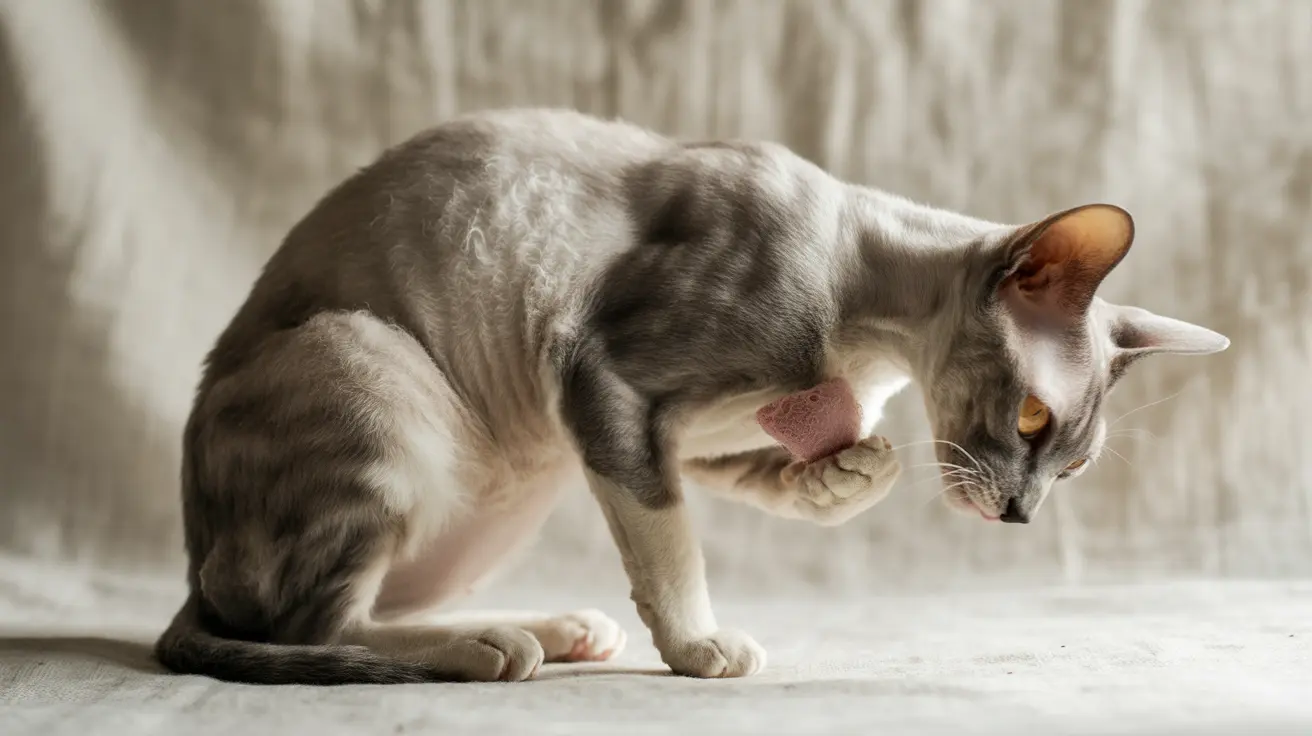
Credit: www.petscare.com
Preventing Over Grooming
Over grooming in cats means excessive licking or biting that causes hair loss or skin damage. It often signals stress, allergies, or health issues. Watching for these signs helps protect your cat’s well-being.
Preventing over grooming in cats is crucial for their health and well-being. This habit, often a sign of underlying issues, can lead to skin infections and bald spots. The good news is, with the right strategies, you can help your cat maintain a healthy grooming routine.Stress Reduction Techniques
Cats often over groom due to stress. To help your feline friend, create a calm environment at home. You could introduce more playtime to distract and engage your cat. Consider using pheromone diffusers, which can calm anxious cats. Have you ever noticed how a simple cuddle or gentle petting can soothe your cat’s nerves? Small changes can make a big difference.Proper Nutrition
A balanced diet is vital in preventing over grooming. Ensure your cat’s diet is rich in essential nutrients and fatty acids. Quality food can improve skin health and reduce the urge to over groom. Have you tried rotating proteins to keep your cat’s diet interesting? This can also help identify any food allergies that might lead to excessive grooming. Keep your cat hydrated too, as water is crucial for skin elasticity.Regular Health Checks
Regular vet visits are essential to catch any underlying medical issues early. Health problems like parasites or skin conditions can cause over grooming. Schedule routine check-ups to ensure your cat is in top shape. Do you know how often you should check for fleas or ticks? Regular checks can prevent infestations that lead to persistent grooming. Keep an eye on your cat’s behavior and consult your vet if you notice any changes.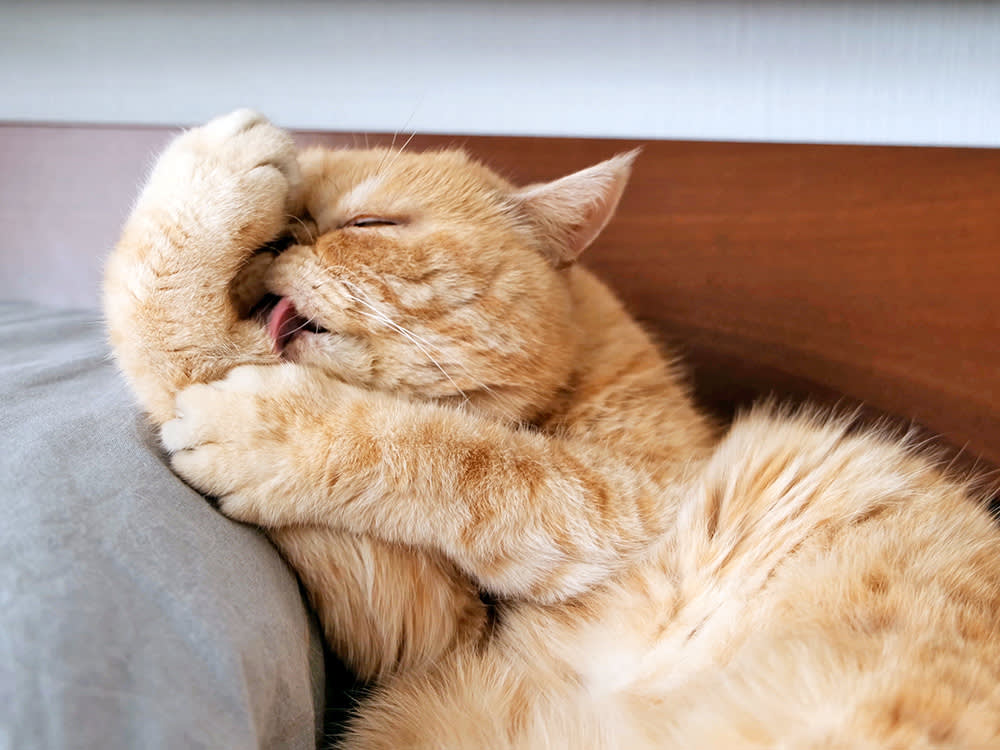
Credit: www.kinship.com
Frequently Asked Questions
What Signs Indicate Over Grooming In Cats?
Over grooming signs include bald patches, red or irritated skin, and excessive licking. Cats may also develop sores or scabs. These symptoms suggest stress, allergies, or medical issues. Early detection helps prevent worsening conditions and ensures your cat’s comfort and health.
Why Do Cats Over Groom Themselves?
Cats over groom due to stress, anxiety, allergies, or skin infections. It can also be a response to pain or boredom. Identifying the root cause is crucial for treatment. Over grooming is a coping mechanism but can harm their skin and fur.
How Can I Stop My Cat From Over Grooming?
Address the underlying cause, such as stress or allergies. Use calming products or environmental enrichment to reduce anxiety. Consult a vet for medical issues or skin treatments. Regular playtime and affection also help minimize over grooming behaviors.
Is Over Grooming Harmful To Cats?
Yes, over grooming can cause skin damage, infections, and hair loss. Persistent licking leads to sores and discomfort. It can also indicate serious health problems. Timely veterinary intervention is essential to avoid complications and improve your cat’s well-being.
Conclusion
Over grooming in cats can signal stress or health issues. Watch for hair loss, redness, or sores on your cat’s skin. Cats groom to stay clean, but too much can harm them. Early action helps keep your cat happy and healthy.
Consult a vet if you notice these signs often. Understanding over grooming helps you care better for your pet. Keep your cat calm and comfortable to reduce over grooming. Small changes can make a big difference in your cat’s life.




Leave a Reply