Are you worried about your cat’s health? Kidney disease is one of the most common problems that can affect your furry friend.
But did you know that some cat breeds are more likely to develop this serious condition? Understanding which breeds are at risk can help you take early steps to protect your cat’s well-being. Keep reading to discover which cat breeds are prone to kidney disease and what signs you should watch for to keep your beloved pet healthy and happy.
Credit: worldanimalfoundation.org
Kidney Disease In Cats
Kidney disease is a common health issue in cats, especially as they grow older. The kidneys play a vital role in filtering waste and balancing fluids in the body. When the kidneys stop working well, toxins build up, harming the cat’s health. Early detection helps manage the disease and improve the cat’s quality of life.
Types Of Kidney Disease
- Chronic Kidney Disease (CKD):A slow, progressive loss of kidney function over time.
- Acute Kidney Injury (AKI):A sudden loss of kidney function, often due to toxins or infections.
- Polycystic Kidney Disease (PKD):A genetic disorder causing fluid-filled cysts in the kidneys.
Symptoms To Watch For
- Increased thirst and urination
- Loss of appetite or weight loss
- Vomiting or diarrhea
- Bad breath with a chemical smell
- Weakness or lethargy
- Poor coat condition or dehydration
Genetic Factors In Kidney Disease
Kidney disease in cats often has a strong genetic component. Understanding these genetic factors can help you identify if your cat belongs to a breed with higher risks. This knowledge empowers you to take early preventive measures and monitor your cat’s health more closely.
Hereditary Risks
Certain cat breeds inherit genes that make them more vulnerable to kidney problems. For example, Persians and related breeds frequently suffer from polycystic kidney disease (PKD), a hereditary condition causing cysts to form in the kidneys.
Knowing your cat’s lineage can alert you to potential risks before symptoms appear. If you own a breed with known hereditary kidney issues, regular veterinary check-ups and early screenings become crucial.
Role Of Breed Genetics
Breed genetics play a significant role in how kidney diseases develop and progress. Some breeds have genetic mutations that affect kidney function, while others may have a predisposition to conditions like chronic kidney disease (CKD).
Take Maine Coons, for example—they are more prone to a genetic form of kidney disease called juvenile nephropathy. This means even young cats in this breed can develop serious kidney problems.
Have you ever considered how your cat’s breed might influence their long-term health? Understanding these risks helps you make informed decisions about diet, lifestyle, and medical care tailored to your pet’s needs.
Cat Breeds Most At Risk
Certain cat breeds have a higher chance of developing kidney disease. Knowing which breeds are more at risk helps owners watch for early signs. Kidney disease can affect a cat’s quality of life and may be costly to treat. Early detection is important for managing the condition effectively.
Persian Cats
Persian cats often face kidney issues due to a genetic condition called polycystic kidney disease (PKD). This disease causes cysts to grow in the kidneys. Over time, these cysts reduce kidney function. Regular vet check-ups are crucial for Persian cats to catch PKD early.
Maine Coon Cats
Maine Coon cats have a higher risk of kidney problems linked to hereditary diseases. One common condition is hypertrophic cardiomyopathy, which can indirectly affect the kidneys. Regular health screenings help spot kidney trouble before it becomes serious. A healthy diet also supports kidney function in this breed.
Abyssinian Cats
Abyssinian cats may develop chronic kidney disease more often than other breeds. The exact cause is not fully understood but genetics play a role. These cats should have routine kidney tests as they age. Early treatment can slow the progression of kidney damage.
Siamese Cats
Siamese cats are prone to kidney disease linked to genetic factors. They might develop amyloidosis, which causes protein buildup damaging the kidneys. Monitoring kidney health through blood and urine tests is important. Keeping Siamese cats well hydrated also supports kidney health.
Environmental And Lifestyle Influences
Understanding how environmental and lifestyle factors influence kidney disease in cats can help you protect your furry friend. Even breeds genetically prone to kidney issues can benefit from adjustments in their daily routine. Small changes in diet, living space, and stress levels often make a big difference in their kidney health.
Diet And Hydration
The food you provide your cat plays a crucial role in kidney health. Cats need a diet low in phosphorus and protein to reduce kidney strain. Wet food can be a game-changer because it helps increase hydration, which supports kidney function.
Have you ever noticed your cat drinking less water? Many cats don’t drink enough, so feeding wet food or adding water to dry kibble can improve their fluid intake. This simple habit can slow down kidney damage and keep your cat feeling better for longer.
Living Conditions
Where your cat lives affects their health more than you might think. A clean, calm environment reduces exposure to toxins that can harm kidneys. Avoid using strong-smelling cleaning agents or sprays near your cat’s area, as these chemicals might stress their system.
Make sure your cat has easy access to fresh water and a quiet place to rest. Cats that live in cramped or noisy spaces often show signs of stress, which can indirectly worsen kidney conditions.
Stress And Health
Stress is a silent contributor to many health problems, including kidney disease. Cats are sensitive creatures; changes like moving to a new home or a new pet in the house can increase stress levels. This can weaken their immune system and affect kidney function.
Try to keep your cat’s routine stable and provide plenty of affection and playtime. Have you noticed your cat hiding more or eating less during stressful times? These signs can indicate that your cat’s overall health, including their kidneys, needs attention.
Preventive Measures For Kidney Health
Preventing kidney disease in cats is crucial for their long-term health. Certain breeds, like Persians and Maine Coons, are more at risk. Understanding preventive measures can help maintain your cat’s kidney health. Regular check-ups, dietary care, and early detection are key strategies.
Regular Vet Check-ups
Schedule regular vet visits for your cat. These check-ups can detect early signs of kidney issues. Vets can perform tests to monitor kidney function. Early intervention can slow disease progression.
Dietary Recommendations
Feed your cat a balanced diet. Choose food with low phosphorus and high-quality protein. Some specialized diets can support kidney health. Consult your vet for the best dietary plan.
Early Detection Tips
Watch for signs like increased thirst or frequent urination. Weight loss and lethargy may also indicate kidney problems. Report these symptoms to your vet immediately. Early detection can improve outcomes significantly.
Credit: worldanimalfoundation.org
Treatment Options For Affected Cats
Dealing with kidney disease in cats can be challenging, but understanding the treatment options can make a significant difference for your furry friend. Treatment focuses on slowing disease progression, managing symptoms, and improving quality of life. You have several approaches at your disposal, from medical interventions to home care tactics.
Medical Treatments
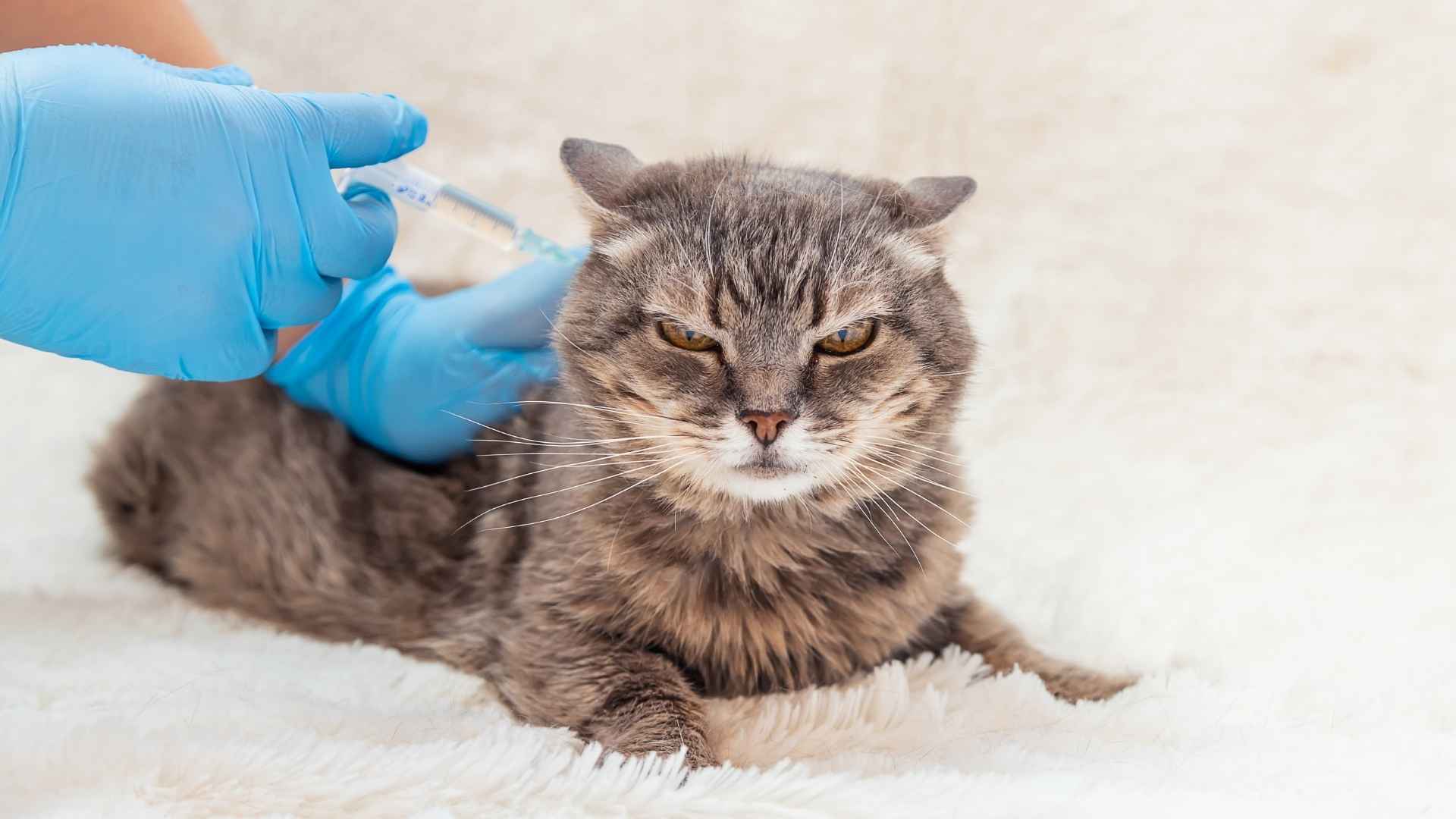
Veterinarians often prescribe medications to help control symptoms and support kidney function. Common drugs include phosphate binders to reduce toxin buildup and medications to manage high blood pressure.
Fluids given under the skin (subcutaneous fluids) can help prevent dehydration, which is a frequent problem in cats with kidney issues. Appetite stimulants and anti-nausea drugs may also be necessary to encourage eating and reduce discomfort.
Have you noticed how your cat’s behavior changes with medication? Monitoring these changes helps your vet adjust treatments for better results.
Home Care Strategies
Providing care at home plays a crucial role in managing kidney disease. Feeding a special diet low in protein and phosphorus can ease the kidneys’ workload.
Keeping fresh water available at all times encourages hydration, which supports kidney health. You might also consider adding water fountains, as many cats prefer running water.
Regularly monitoring your cat’s weight and appetite gives you early clues about their health status. How often do you check these signs?
Prognosis And Management
Kidney disease is often progressive, but with attentive management, your cat can maintain a good quality of life for months or even years. Early diagnosis and consistent treatment improve outcomes.
Frequent vet visits to track kidney function and adjust treatments are essential. Remember, your observations at home are just as important as lab tests.
Are you prepared to make lifestyle adjustments that benefit your cat’s health? Your commitment is a powerful tool in managing this condition effectively.

Credit: worldanimalfoundation.org
Frequently Asked Questions
Which Cat Breeds Are Most Prone To Kidney Disease?
Persian, Siamese, Maine Coon, and Abyssinian cats are more prone to kidney disease. These breeds have genetic factors increasing their risk. Early diagnosis and proper care can help manage their condition effectively.
What Causes Kidney Disease In Cats?
Kidney disease in cats is caused by genetics, age, infections, toxins, and poor diet. Chronic kidney disease develops gradually, often linked to inherited traits in specific breeds.
How Can I Prevent Kidney Disease In My Cat?
Feed a balanced diet, provide fresh water, and schedule regular vet check-ups. Early detection and healthy lifestyle reduce the risk of kidney disease in cats.
What Are Common Signs Of Kidney Disease In Cats?
Symptoms include increased thirst, frequent urination, weight loss, poor appetite, and lethargy. Early recognition of these signs can lead to timely treatment and better outcomes.
Conclusion
Certain cat breeds have a higher risk of kidney disease. Knowing these breeds helps you watch for early signs. Regular vet visits keep your cat healthy and happy. Feeding good food supports kidney health over time. Catching problems early can make a big difference.
Keep your cat’s water bowl full and fresh. Pay attention to changes in behavior or appetite. Protecting your cat starts with knowing the risks. Stay informed and care with love and patience. Your cat depends on you for a long, healthy life.



Leave a Reply