Have you noticed your cat’s fur looking dull or matted lately? Or maybe your furry friend isn’t as fresh-smelling as before?
These could be signs that your cat isn’t grooming properly. Grooming is more than just a habit for cats—it’s a key part of their health and happiness. If you’re wondering how to tell if your cat isn’t grooming, you’re in the right place.
Keep reading to discover the simple signs you shouldn’t ignore and what you can do to help your cat feel their best again.

Credit: www.youtube.com
Changes In Coat Appearance
A cat’s coat shows many signs of health and grooming habits. Changes in the coat appearance often reveal if a cat is not grooming properly. Owners should watch for specific changes to catch grooming problems early.
Dull And Matted Fur
A healthy cat’s fur looks shiny and smooth. Dull fur shows lack of grooming and possible health issues. Matted fur feels tangled and hard, causing discomfort. Cats avoid grooming if they feel pain or stress. Matted fur traps dirt and moisture, leading to skin problems.
Excessive Shedding
Some shedding is normal for cats. But too much fur loss signals poor grooming or illness. When cats groom, they remove loose hair themselves. Without grooming, loose hair stays and falls off in clumps. Excessive shedding often means the cat is not cleaning itself well.
Bald Patches
Bald spots appear when cats stop grooming certain areas. These patches may result from skin infections or parasites. Stress or pain can also stop cats from grooming. Bald patches expose skin to injury and infection. Check the skin under bald spots for redness or swelling.
Behavioral Changes
Behavioral changes can be one of the first signs that your cat isn’t grooming properly. Cats are usually meticulous about their cleanliness, so a shift in their habits often signals something is wrong. Watching for subtle differences in energy and attitude can help you catch grooming problems early.
Lethargy And Fatigue
If your cat seems unusually tired or less active, it could be a clue that grooming is slipping. Grooming requires energy, and a cat feeling worn down might skip it altogether. Notice if your cat naps more than usual or moves sluggishly—it might be more than just a lazy day.
Avoiding Self-care
Cats love their routine, especially when it comes to cleaning themselves. If your cat starts ignoring grooming, you might see a dirty or matted coat. Watch for a lack of licking or nibbling, especially around the face, belly, or paws. Could your cat be in pain or stressed, making grooming a low priority?
Increased Irritability
A cat that suddenly becomes snappy or avoids petting might be uncomfortable with its own skin. Lack of grooming often leads to itching, soreness, or skin problems, which can make your cat grumpy. Pay attention if your cat reacts negatively to touch where it usually enjoys affection—this could be a sign of underlying issues.
Physical Health Concerns
Physical health issues often show up when your cat stops grooming properly. You might think it’s just laziness, but underlying problems can cause this change. Paying attention to these signs helps you catch health concerns early and support your furry friend better.
Skin Irritations And Infections
If your cat’s fur looks patchy or you notice redness and sores, it could be due to skin problems. These irritations often make grooming painful or uncomfortable, so your cat avoids cleaning those areas. Check for scabs, dryness, or unusual bumps that might suggest infections needing veterinary care.
Presence Of Parasites
Parasites like fleas and mites make your cat itchy and restless. If you spot excessive scratching or small black specks in the fur, your cat might be dealing with an infestation. Parasites disrupt grooming habits because they cause discomfort, and untreated infestations can lead to more serious health issues.
Weight Fluctuations
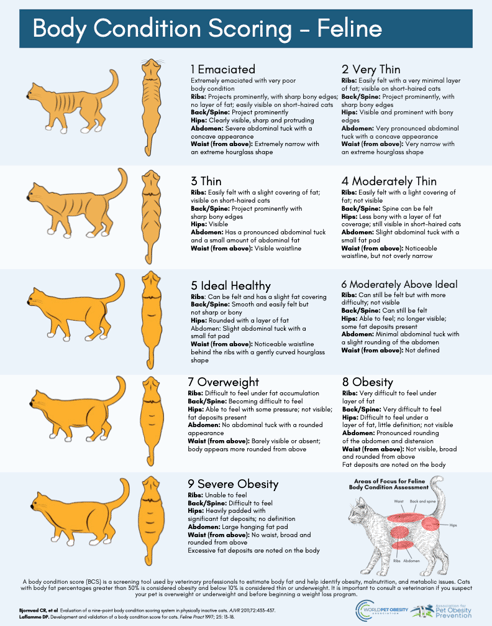
Sudden weight loss or gain can affect your cat’s ability or desire to groom. An overweight cat might struggle to reach certain areas, while a cat losing weight could be too weak or sick to maintain grooming. Monitoring your cat’s weight alongside grooming behavior gives clues about their overall health.

Credit: tryfurgo.com
Environmental And Emotional Factors
Environmental and emotional factors play a big role in your cat’s grooming habits. Cats often stop grooming when something in their surroundings or emotional state changes. Recognizing these influences helps you understand why your cat might be neglecting their coat.
Stress And Anxiety Triggers
Stress affects cats just like it affects people. Loud noises, unfamiliar smells, or changes in the environment can cause anxiety, leading your cat to stop grooming. You might notice your cat hiding more or becoming unusually quiet.
Has your cat recently experienced a thunderstorm or construction noise nearby? These events can trigger stress that impacts grooming behavior. Watch for sudden changes in activity and provide a calm space to help reduce anxiety.
Changes In Household Routine
Pets thrive on routine, and any disruption can upset their daily habits. If feeding times shift or you start working different hours, your cat may react by skipping grooming sessions. Even small changes, like rearranging furniture, can make a difference.
Consider whether your cat’s grooming decline started after a schedule change. Try to keep feeding, playtime, and rest consistent. This stability encourages your cat to maintain regular self-care habits.
New Pets Or People
Introducing new pets or visitors can shake up your cat’s sense of security. Your cat may stop grooming as a way to cope with the unfamiliar presence. They could feel threatened or unsure, which diverts attention from their usual routines.
If you notice grooming problems after bringing in a new pet or having guests, give your cat time to adjust. Create safe zones where your cat can retreat and feel secure. This helps restore their confidence and grooming habits.
Medical Conditions Affecting Grooming
Cats are known for their meticulous grooming habits. Yet, medical conditions can disrupt this behavior. Recognizing these issues early can help maintain your cat’s health. Let’s explore some common medical conditions affecting grooming.
Dental Problems
Painful teeth or gums can discourage a cat from grooming. Dental disease might cause discomfort during self-cleaning. Look for signs like drooling, bad breath, or difficulty eating. Regular dental check-ups can help identify and treat these issues.
Arthritis And Mobility Issues
Aging cats often face joint problems. Arthritis can limit their ability to reach certain areas. This leads to matted fur or oily patches. Watch for signs like stiffness or reluctance to jump. Consulting a vet can help manage their discomfort.
Hormonal Imbalances
Hormonal issues can affect grooming habits. Conditions like hyperthyroidism or diabetes can alter energy levels. Cats may feel too weak or tired to groom. Monitor their energy and consult a vet if changes occur.
)
Credit: www.northroadvet.com.au
When To Seek Veterinary Help
Noticing your cat isn’t grooming can be worrying. Grooming is essential for their health and comfort. But how do you know when it’s time to get professional help? Recognizing the signs early can make a big difference in your cat’s wellbeing.
Identifying Serious Symptoms
Look beyond just a messy coat. If your cat has bald patches, persistent dandruff, or inflamed skin, these could be red flags. Changes in behavior like hiding, reduced appetite, or excessive scratching also signal trouble.
Has your cat started licking one spot nonstop or developed wounds? These are signs you shouldn’t ignore. Also, notice if your cat’s fur feels greasy or smells bad—this often means they aren’t grooming themselves properly and might have an underlying health issue.
Preparing For The Vet Visit
Before you go, make a list of changes you’ve seen in your cat’s grooming and behavior. Note when you first noticed the problem and any other symptoms like vomiting or lethargy. This information helps your vet diagnose the issue faster.
Bring a sample of your cat’s fur or skin if possible, especially if you spot flakes or unusual debris. Don’t forget to keep your cat calm during the trip; a stressed cat can be harder to examine. Have a carrier ready and consider using a familiar blanket for comfort.
Treatment Options
Once the vet identifies the cause, treatment could range from simple shampooing to medication. Parasite infestations might require special shampoos or oral treatments. Skin infections often need antibiotics or antifungal medicines.
Some cats benefit from dietary changes to improve skin and coat health. Your vet might also suggest behavior therapy if stress or anxiety is affecting grooming. Remember, timely treatment can prevent complications and get your cat back to their clean, happy self quickly.
Supporting Your Cat’s Grooming
Supporting your cat’s grooming is essential, especially if you notice your feline friend isn’t keeping up with their usual routine. Grooming isn’t just about appearance; it reflects your cat’s overall health and comfort. Helping your cat maintain a clean coat can prevent skin problems and strengthen your bond.
Regular Brushing Techniques
Brushing your cat regularly helps remove loose fur and prevents matting. Use a brush suited for your cat’s fur type—slicker brushes work well for long hair, while rubber brushes are great for short coats.
Start gently, especially if your cat isn’t used to brushing. Pay attention to sensitive areas like the belly and under the legs. If your cat seems uneasy, try short sessions and build up gradually. Have you noticed how your cat reacts to different brushes?
Creating A Stress-free Environment
Stress can stop your cat from grooming properly. Make sure your cat has a quiet, comfortable space where they feel safe. Avoid loud noises and sudden movements around your cat during grooming times.
Try calming aids like pheromone diffusers or soft music to help your cat relax. Keep a consistent routine so your cat knows what to expect. Have you thought about how your cat’s environment might be affecting their grooming habits?
Diet And Nutrition Tips
Your cat’s diet plays a big role in the health of their skin and coat. Feeding high-quality food rich in omega-3 and omega-6 fatty acids can improve fur shine and reduce dryness.
Consider adding supplements like fish oil after consulting your vet. Hydration also matters—make sure your cat drinks enough water daily. Could improving your cat’s diet be the missing piece in their grooming puzzle?
Frequently Asked Questions
How Can I Tell If My Cat Isn’t Grooming?
Look for matted fur, greasy coat, or excessive dandruff. Cats usually keep themselves clean, so these signs suggest grooming issues.
What Causes A Cat To Stop Grooming Itself?
Illness, pain, stress, or obesity often cause grooming neglect. Older cats or those with dental issues may also stop grooming regularly.
Can Lack Of Grooming Affect My Cat’s Health?
Yes, poor grooming can lead to skin infections, matting, and discomfort. It may also indicate underlying health problems needing veterinary attention.
How Often Should A Healthy Cat Groom Itself?
Cats typically groom several times a day. This behavior keeps their coat clean and skin healthy, preventing fur mats and parasites.
Conclusion
Cats stop grooming for many reasons. It may signal health or stress problems. Watch for signs like dirty fur or bad smell. Acting quickly helps your cat feel better. Regular checks keep your pet happy and healthy. Trust your instincts if something feels wrong.
Taking small steps can make a big difference. Keep your cat’s comfort as your top priority.




Leave a Reply