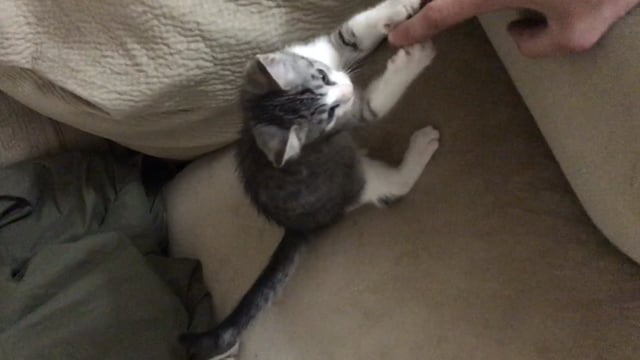
Have you ever watched your cat chase a toy and wondered, “Does my cat know I’m controlling this?” You wiggle the string or press a button, and suddenly your furry friend springs to life, eyes locked on the moving target. But what’s really going on inside that clever mind of theirs?
Understanding how your cat perceives the toy can change the way you play and connect. Keep reading to discover surprising insights that will make your playtime more fun—for both you and your cat.
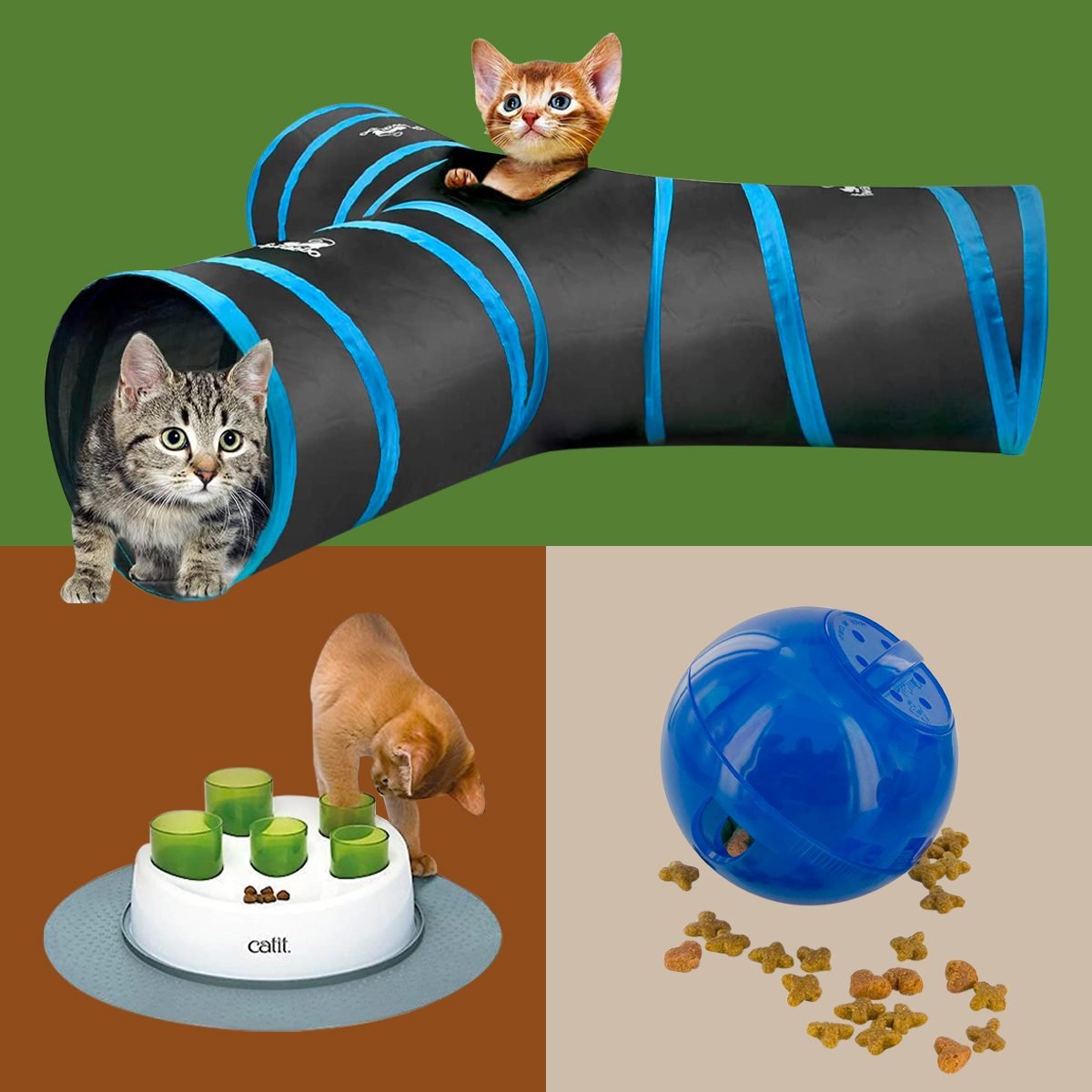
Credit: www.rd.com
Cat Behavior Around Toys
Cats show unique behavior around toys. Their reactions reveal how they think and feel. Toys help cats exercise natural instincts. Watching these behaviors can tell if cats know you control the toy.
How Cats React To Movement
Cats react quickly to moving toys. Sudden movements catch their attention immediately. They often pounce or swipe at the toy. Slow movements might make cats lose interest. Fast and unpredictable motion keeps them engaged.
Hunting Instincts And Play
Play mimics hunting behavior for cats. They stalk, chase, and capture toys like prey. This activity satisfies their natural drive to hunt. Cats use claws and teeth during play. Toys simulate real animals, triggering these instincts.
Recognizing Patterns
Cats notice repeated movements and patterns in toys. They may wait for the same action before reacting. Some cats pause to study the toy’s behavior. Recognizing patterns helps cats decide when to pounce. This shows their intelligence and learning ability.
Cats And Human Interaction
Cats are curious creatures. They pay close attention to the people around them. Human interaction shapes how cats behave and respond. Playtime is a key moment for this connection. It lets cats observe human actions and learn patterns. This bond grows stronger through simple acts like moving a toy. Cats may sense that a human controls the toy’s motion. This awareness impacts their engagement and trust during play.
Reading Human Cues
Cats watch human faces and hands carefully. They notice small movements and sounds. These clues help cats guess what will happen next. A flick of the wrist or a change in tone can signal play. Cats use these hints to decide when to pounce or pause. They become skilled at reading body language over time. This ability shows cats understand more than we expect.
Bonding Through Play
Playing with a toy creates shared joy. It builds a connection between cat and human. Cats enjoy chasing and catching toys moved by their owners. This shared activity strengthens emotional bonds. It also reduces stress for both. Playtime is more than fun—it’s a way cats feel close to humans. They learn to trust and rely on their human friend.
Trust And Awareness
Cats develop trust as they interact with humans. They know the toy’s movement depends on their owner. This awareness makes play feel safe and predictable. Trust grows when cats feel in control or understand the situation. A cat that trusts you will play more and relax more. This connection enriches the life of both cat and owner.
Signs Your Cat Knows You’re Behind The Toy
Ever noticed how your cat sometimes seems to know exactly when you’re moving the toy, even if you’re trying to be sneaky? Cats are incredibly observant creatures, and they can pick up on subtle clues that reveal your involvement. Recognizing these signs can deepen your playtime connection and make the experience more fun for both of you.
Tracking Your Movements
Your cat often watches your hands or eyes instead of just the toy. If you shift position or glance away, your cat might pause and look at you, trying to predict the next move.
This behavior shows they link your movements to the toy’s action. It’s like they’re reading your body language to stay one step ahead in the game.
Pausing To Look At You
When your cat suddenly stops chasing the toy and looks directly at you, it’s a clear sign they suspect you’re controlling it. It’s their way of checking if you’re really behind the fun or if the toy has a mind of its own.
Have you noticed your cat giving you those intense, curious stares during play? They might be silently asking, “Are you the mastermind here?”
Testing The Toy’s Limits
Sometimes your cat will tap or gently bite the toy without fully committing to the chase. This is their way of experimenting to see if the toy reacts independently or only moves when you intervene.
They might push the toy toward you or wait for a response before pouncing again. This shows they understand the toy’s movement depends on your actions, not just random chance.

Credit: christineschoenwald.medium.com
Why Cats May Ignore The Controller
Have you noticed your cat sometimes seems to ignore you while chasing a toy? It might feel like your furry friend doesn’t realize you’re behind the movement. Understanding why cats focus more on the toy than the person controlling it can change how you play together and deepen your bond.
Focus On The Toy, Not The Owner
Cats are laser-focused hunters. When they see a moving toy, their attention shifts entirely to the target, not the person moving it. The toy becomes the “prey” in their mind, so your role as the controller fades into the background.
Think about your cat’s behavior during playtime. Have you ever waved a string in front of them only to have them stare at the toy and not glance at you? This shows how their instinct zeroes in on the object, not the source.
Instinct Over Logic
Cats rely more on instinct than logic in their play. They don’t analyze who’s controlling the toy; they react to movement and opportunity. Their brain prioritizes hunting cues like sudden motions or fluttering sounds instead of identifying human actions behind the scenes.
This instinct explains why your cat might ignore you even if you call their name during play. They’re wired to respond to stimuli that mimic prey behavior, not to the concept of “owner” or “controller.”
Play As A Game, Not A Puzzle
Playtime for cats is a game, not a puzzle to solve. They engage for fun and practice hunting skills, not to figure out who’s in charge. Trying to get your cat to acknowledge you as the controller may not register in their playful mindset.
Next time you play, observe how your cat reacts to the toy’s movement rather than your presence. You might notice they’re more interested in chasing and catching than in watching your hands or face. Isn’t it fascinating how play taps into their natural instincts more than social awareness?
Enhancing Playtime Interaction
Playtime with your cat is more than just fun. It strengthens your bond. Through play, your cat learns to trust you. This creates a loving relationship. Understanding your cat’s play behavior is key. It helps in engaging them better. Let’s explore how toys can enhance this interaction.
Using Toys To Strengthen Bonds
Interactive toys engage your cat’s senses. They mimic natural hunting behaviors. This encourages your cat to chase and pounce. It keeps them active and happy. Use toys like feather wands or laser pointers. This way, your cat associates fun with you. Regular play sessions build trust over time.
Varying Toy Movements
Keep your cat curious with varied toy movements. Change the speed and direction of toys. This stimulates their natural instincts. Cats love unpredictability. It makes playtime more exciting. Switch between fast and slow movements. Let your cat catch the toy sometimes. This gives them a sense of achievement.
Observing Your Cat’s Preferences
Every cat has unique play preferences. Observe what toys your cat likes best. Some prefer soft toys, others love strings. Notice the times they are most active. Tailor play sessions around these observations. This ensures an enjoyable experience for your cat. Understanding their likes makes playtime special.

Credit: www.reddit.com
Frequently Asked Questions
Does My Cat Realize I Control The Toy?
Yes, cats can sense your control over the toy. They notice movements and patterns linked to your actions. This awareness affects their play style and engagement with the toy.
How Do Cats React To Human-controlled Toys?
Cats show curiosity and excitement when they know a human controls the toy. They may look at you, wait for cues, or adjust their play. This interaction strengthens your bond with your cat.
Can Controlling The Toy Improve Cat Behavior?
Controlling the toy actively can improve your cat’s behavior. It provides mental stimulation, physical exercise, and reduces boredom. Regular play sessions help keep cats happy and healthy.
Do Cats Prefer Human-controlled Or Automatic Toys?
Cats often prefer human-controlled toys because of unpredictable movements and interaction. Human control mimics prey behavior better, increasing a cat’s interest and playfulness. Automatic toys can be less engaging over time.
Conclusion
Cats notice when you control their toys. They sense your movements and reactions. This makes playtime more fun and exciting for them. Your cat feels connected to you during play. It also helps build trust and friendship. So, keep engaging with your cat’s toys.
It strengthens your bond and keeps your cat happy. Play is not just fun—it’s a way to communicate. Your cat knows you are part of the game. Simple moments like these bring joy to both of you.




Leave a Reply