Have you ever watched your cat carefully grooming itself, only to notice it chewing on its fur or skin? It might seem strange or even worrying at first.
But why do cats chew when grooming? Understanding this curious behavior can help you keep your furry friend happy and healthy. You’ll discover the surprising reasons behind this habit and learn how to tell if it’s normal or something that needs your attention.
Keep reading to unlock the secrets of your cat’s grooming routine!
Cat Grooming Basics
Cats spend a lot of time grooming themselves. It is a natural habit that keeps them clean and healthy. Grooming helps remove dirt and loose fur. It also cools them down and keeps their skin healthy. Understanding how cats groom can explain why they chew during this process.
How Cats Groom Themselves
Cats use their tongues as their main grooming tool. Their tongues have tiny, rough bumps called papillae. These bumps act like a comb. Cats lick their fur to remove dirt and loose hairs. They also use their teeth to nibble and chew on tangled fur. This helps break up mats and remove debris.
Cats groom their face with their paws. They lick their paws, then rub their face and head. This method reaches spots their tongues cannot. Grooming is a careful, repeated action that takes time. It is both a cleaning ritual and a way to relax.
Common Grooming Behaviors
- Licking: The most common grooming action. It cleans and smooths fur.
- Nibbling: Used to remove mats and loose fur. It explains why cats chew.
- Scratching: Helps remove dead skin and fur.
- Face washing: Cats use their paws to clean their face and ears.
- Stretching: Often paired with grooming to keep muscles flexible.
Grooming also helps cats bond with themselves and others. It reduces stress and marks their scent on their fur. Watching a cat groom shows their natural care and comfort habits.
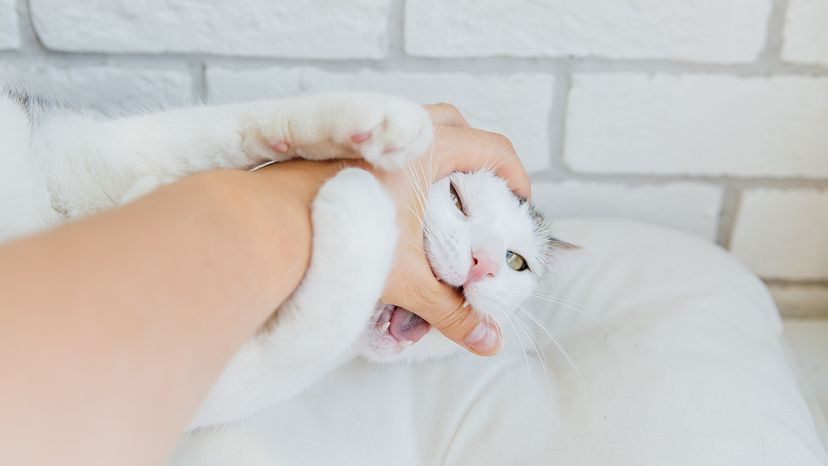
Credit: animals.howstuffworks.com
Reasons Cats Chew While Grooming
Cats chewing while grooming is a common behavior that many cat owners notice but might not fully understand. This action is more than just a quirky habit—it serves several important purposes in your cat’s daily routine. Understanding why your feline friend chews during grooming can help you better care for their health and comfort.
Removing Loose Fur And Dirt
Chewing helps cats get rid of loose fur and dirt trapped in their coat. You might see your cat nibbling gently to pull out tangles or shed hair. This keeps their fur clean and reduces the chance of matting.
Have you ever felt a little surprised when your cat seems to be biting their fur? It’s actually a smart way for them to keep their coat in good shape without your help.
Soothing Irritated Skin
Sometimes cats chew because their skin itches or feels irritated. This could be due to dryness, minor allergies, or small wounds. Chewing provides a temporary relief, much like when you scratch an itch.
If you notice your cat chewing more than usual, ask yourself if their skin looks red or inflamed. That might be a sign to check with a vet or adjust their environment.
Stimulating Blood Flow
Chewing can also help stimulate blood flow in the skin beneath the fur. This promotes healthy skin and fur growth. When your cat bites and licks, they are actually encouraging circulation in those areas.
Think about it: just like a gentle massage wakes up tired muscles, your cat’s chewing helps keep their skin healthy and refreshed.
Dealing With Fleas And Parasites
One of the more practical reasons cats chew is to manage fleas or other tiny parasites. Cats may bite at areas where these pests irritate them the most. This behavior helps remove or reduce the number of parasites on their body.
If your cat seems to be chewing intensely or frequently in one spot, it might be worth checking for fleas or talking to your vet about treatment options.
Chewing And Dental Health
Chewing plays an important role in your cat’s dental health during grooming. It’s not just a quirky behavior; it actually helps maintain their teeth and gums. Understanding why cats chew while grooming can help you spot potential dental problems early and support your cat’s oral hygiene.
Natural Teeth Cleaning
Cats use chewing as a way to naturally clean their teeth. The action helps scrape off food particles and plaque buildup from their teeth surfaces. This is similar to how some people use floss or toothpicks after eating.
Have you noticed your cat focusing on chewing a particular spot? That might be their way of keeping that area cleaner. It’s a built-in dental routine that reduces the risk of tartar and gum disease. You can support this by providing dental treats or toys designed for chewing.
Detecting Oral Issues
Chewing behavior can also signal oral discomfort or issues. If your cat suddenly chews more aggressively or on unusual spots, it might indicate pain or irritation in their mouth. This could be due to tooth decay, gingivitis, or even a stuck object.
Pay attention to changes in how and where your cat chews during grooming. Are they avoiding certain areas or showing signs of distress? These subtle clues give you an early warning to visit the vet before problems worsen.

Credit: www.reddit.com
Behavioral Factors Behind Chewing
Cats are often seen chewing while grooming, a behavior that can puzzle many cat owners. This action isn’t just a quirky habit but is often driven by deeper behavioral factors. Understanding these factors can help you build a stronger bond with your feline friend and ensure their well-being.
Stress And Anxiety
Cats can experience stress and anxiety just like humans. Chewing during grooming might be a way for them to self-soothe. If your cat suddenly starts chewing more than usual, consider whether there have been any changes in their environment.
Have you moved recently, introduced a new pet, or changed their routine? Identifying the root cause of their stress can help in addressing the behavior. Providing a consistent routine and a calm environment can often reduce their anxiety.
Attention-seeking Actions
Ever noticed your cat chewing more when you’re around? This might be their way of grabbing your attention. Cats are smart and quickly learn what actions get them noticed by their humans.
If you find this behavior happening more often, try spending a bit more one-on-one time with your cat. Interactive play sessions or simply cuddling can satisfy their need for attention, potentially reducing the frequency of chewing.
Is your cat’s chewing a call for help or just a quirky trait? By observing and understanding their behavior, you can ensure your feline companion remains happy and healthy.
When Chewing Becomes Excessive
When your cat’s chewing during grooming starts to feel like more than just routine care, it’s time to pay attention. Excessive chewing can signal that something is off, whether it’s physical discomfort or stress. Knowing when to intervene can save your furry friend from unnecessary pain or health issues.
Signs Of Overgrooming
Watch for bald patches or raw, red skin where your cat chews repeatedly. You might notice scabs, sores, or even bleeding in those areas. Your cat may also seem more restless or agitated, spending long periods licking and chewing the same spot.
Ask yourself if your cat is grooming more than usual or focusing on one area intensely. Are they avoiding play or acting withdrawn? These behavioral changes often accompany overgrooming and should not be ignored.
Potential Health Concerns
Excessive chewing can result from allergies, parasites like fleas, or skin infections. Sometimes, underlying pain from arthritis or dental problems causes discomfort, prompting your cat to chew on certain areas. Stress and anxiety can also trigger compulsive grooming habits.
If you notice persistent chewing, consider a vet visit to rule out these issues. Early diagnosis can prevent complications like infections or permanent skin damage. Remember, your cat’s chewing might be a cry for help—are you ready to listen?
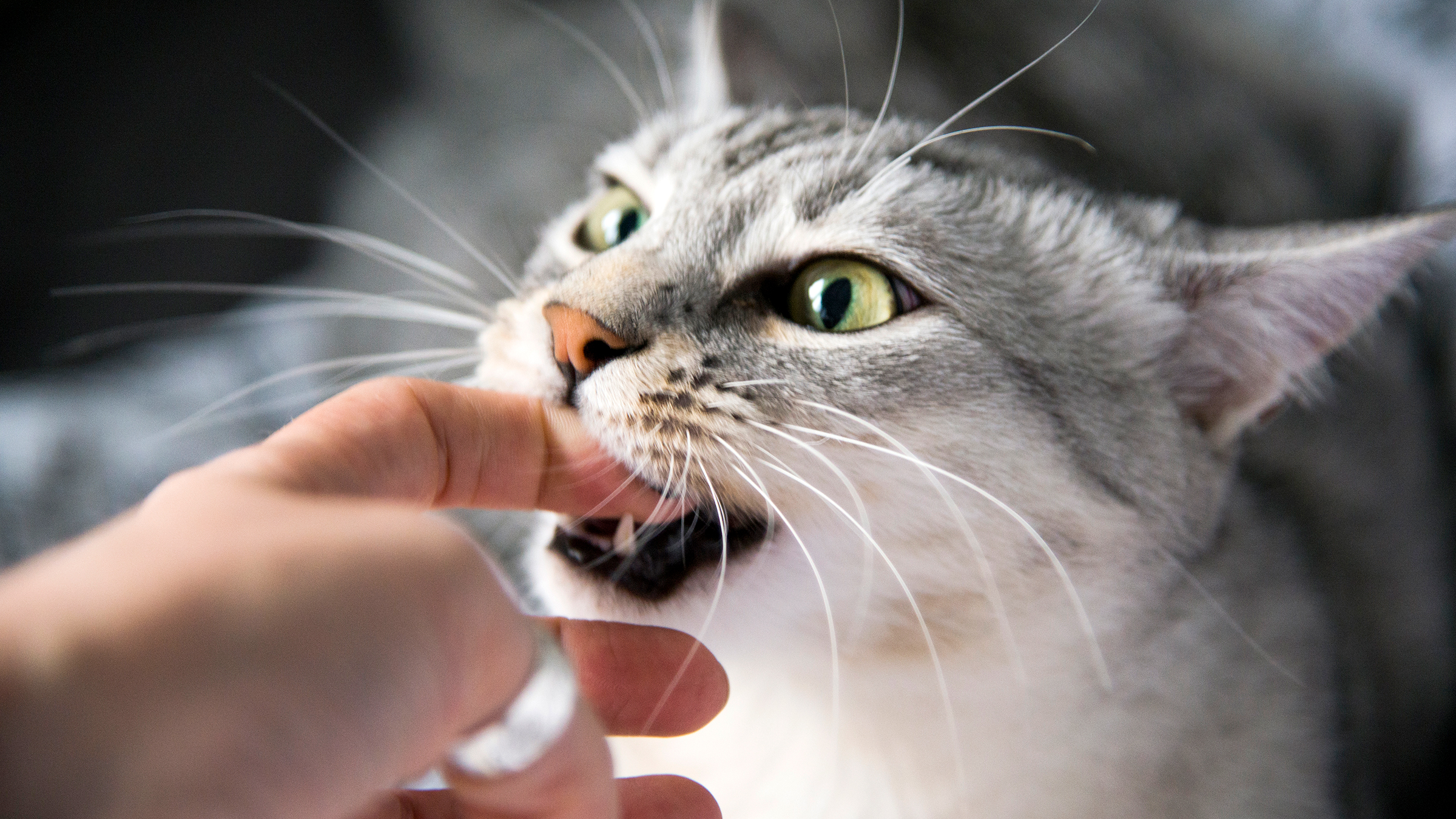
Credit: www.goodrx.com
Tips To Manage And Support Grooming Habits
Supporting your cat’s grooming habits helps keep them healthy and happy. Cats chew and lick to clean themselves. Sometimes, chewing can mean discomfort or skin issues. Managing grooming means watching your cat’s health and environment closely.
Proper care reduces excessive chewing and improves your cat’s comfort. Small actions make a big difference in their daily routine. Here are some useful tips to support your cat’s grooming habits effectively.
Regular Vet Checkups
Schedule vet visits to catch skin problems early. Vets check for allergies, infections, or parasites causing chewing. Regular exams keep your cat’s coat shiny and healthy. Early treatment prevents serious issues and discomfort. Always mention changes in grooming or behavior to the vet.
Maintaining A Clean Environment
Keep your cat’s living area tidy and free of dirt. Clean bedding, toys, and litter boxes often. A clean space reduces skin irritations and infections. Remove dust and allergens that can cause itching. A calm and clean home helps your cat relax and groom better.
Using Flea Control Methods
Fleas cause itching and make cats chew their fur. Use flea prevention products recommended by your vet. Check your cat regularly for fleas and ticks. Treat your home and bedding to stop flea infestations. Consistent flea control keeps your cat comfortable and reduces grooming problems.
Frequently Asked Questions
Why Do Cats Chew While Grooming Themselves?
Cats chew during grooming to remove dirt and loose fur. This behavior helps keep their coat clean and healthy. Chewing also stimulates oil production, which protects their skin and fur from damage.
Is Chewing Normal Behavior During Cat Grooming?
Yes, chewing is a normal part of grooming. It helps cats clean hard-to-reach areas and remove stubborn debris. Chewing also aids in preventing hairballs by breaking down ingested fur.
Can Chewing Cause Harm To Cats When Grooming?
Generally, chewing during grooming is safe. However, excessive chewing may cause skin irritation or wounds. If your cat chews too much, consult a vet for possible allergies or stress.
How Does Chewing Help Cats Maintain Healthy Fur?
Chewing helps remove dead fur and dirt particles. It also distributes natural oils across their coat. This keeps their fur shiny, smooth, and less prone to matting or infections.
Conclusion
Cats chew when grooming to clean and soothe their fur. This behavior helps remove dirt and loose hair. Chewing also feels good and relaxes them. It shows they care about their hygiene. Watching your cat groom can reveal its mood and health.
Understanding why they chew can improve your bond. Remember, gentle chewing is normal and healthy for cats. Keep an eye on changes in grooming habits. It might signal if your cat needs help. Caring for your cat’s grooming supports its happiness and health.




Leave a Reply