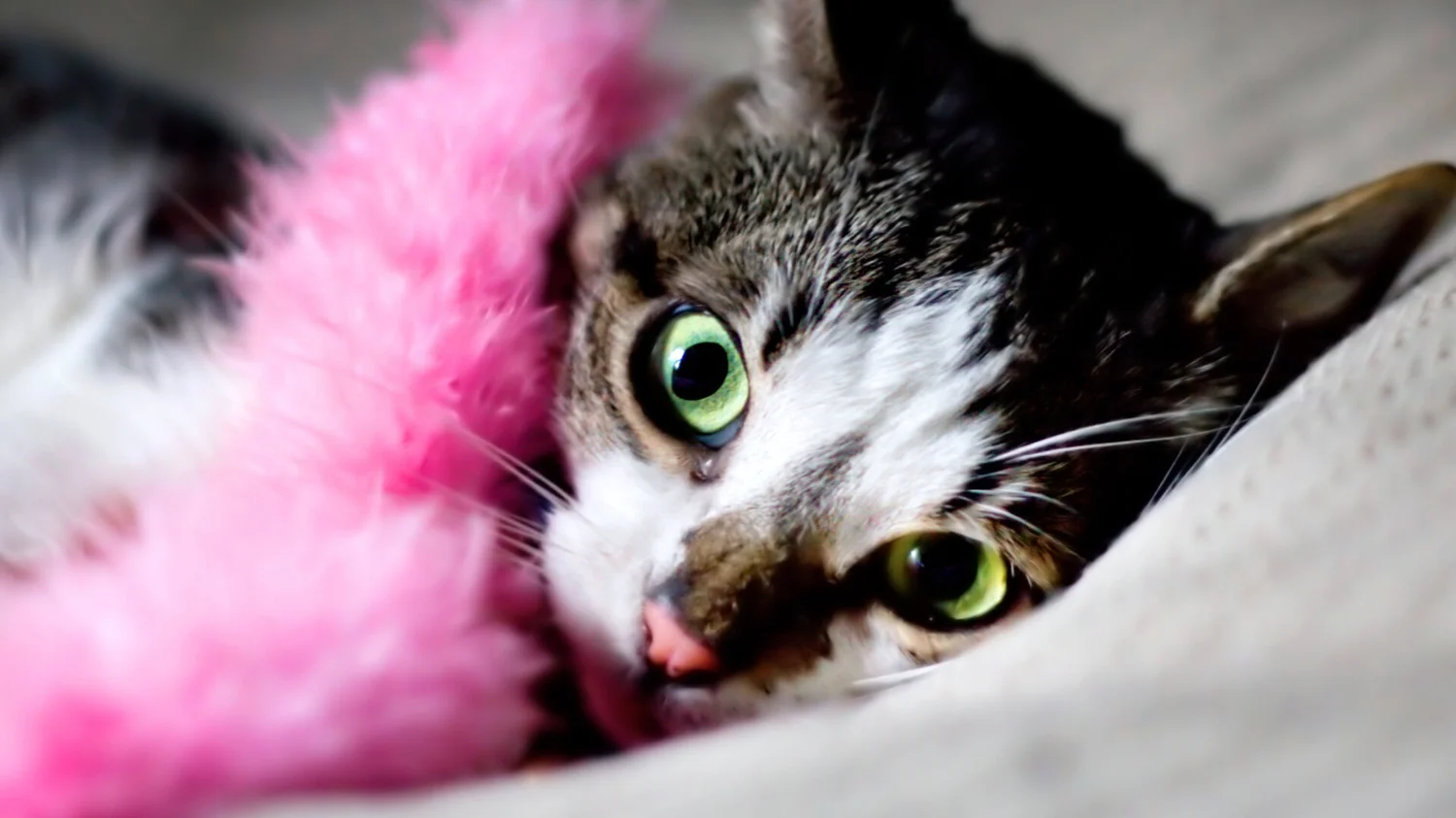
Have you ever noticed how your cat always goes back to the same toy, no matter how many others you bring home? It’s like that one toy holds a special magic just for them.
But why do cats have a favorite toy? Understanding this can help you make your furry friend happier and more engaged. Keep reading to discover the surprising reasons behind your cat’s toy obsession and how you can use this knowledge to strengthen your bond.
You won’t want to miss these simple secrets that could change playtime forever!
Cat Play Behavior
Cats love to play. Play is part of their nature. It helps them stay sharp and happy. A favorite toy often becomes a special part of their daily routine. Understanding cat play behavior shows why this happens.
Instincts And Hunting
Cats are natural hunters. Play mimics hunting actions. They stalk, pounce, and catch toys like prey. This behavior is deep inside their instincts. A favorite toy may resemble the prey they chase. The toy becomes a target for their hunting skills.
Hunting through play keeps cats active and alert. It satisfies their need to catch and capture. A favorite toy feels like a real challenge. This makes play exciting and rewarding for cats.
Mental Stimulation
Cats need mental exercise too. Play stimulates their brain. A favorite toy offers new sounds, textures, or movements. These keep cats curious and engaged. Repeating play with a favorite toy builds confidence and focus.
Mental stimulation prevents boredom. It reduces stress and destructive behavior. A favorite toy becomes a tool for healthy mental activity. It helps cats feel safe and entertained in their environment.

Credit: www.reddit.com
Attachment To Objects
Cats often form strong attachments to certain toys. This attachment helps them feel safe and relaxed. Their favorite toy can act like a special friend or a comfort object. Understanding why cats choose one toy over others reveals how much they value comfort and familiarity.
Comfort And Security
Cats find comfort in familiar objects. A favorite toy can provide a sense of security. It gives them a safe place to focus their energy. This comfort helps reduce stress and anxiety. Toys can remind cats of their natural hunting behavior. Holding or carrying the toy feels soothing and calming. It becomes part of their daily routine and safe space.
Scent And Familiarity
Cats rely heavily on scent to recognize their surroundings. A favorite toy often carries the cat’s unique scent. This smell makes the toy familiar and trustworthy. The scent can also include the owner’s smell, which adds more comfort. Familiar smells help cats feel relaxed and less lonely. They use scent to mark toys as their own. This connection deepens their attachment to the object.
Toy Preferences
Cats develop favorite toys based on what appeals to their senses and instincts. Their toy preferences depend on features that mimic prey or offer comfort. Understanding these preferences helps owners choose toys cats truly enjoy. Two main factors guide these choices: texture and size, plus movement and sound.
Texture And Size
Cats like toys with textures that feel interesting to touch. Soft, fuzzy toys remind them of small animals or kittens. Rough or crinkly textures can also catch their attention. Size matters too. Toys must be easy to hold with paws or carry in the mouth. Too big or too small toys may not be as fun. The right size and texture make the toy more appealing and fun to play with.
Movement And Sound
Movement triggers a cat’s hunting instinct. Toys that wiggle, bounce, or roll attract cats quickly. They love to chase and pounce on moving objects. Sound adds excitement. Toys that make soft noises, like bells or crinkles, keep cats interested. Quiet toys might be ignored. Movement and sound together make playtime stimulating and satisfying for cats.

Credit: www.reddit.com
Impact Of Environment
The environment plays a key role in shaping your cat’s preferences, especially when it comes to their favorite toys. Small changes around them can impact how they engage with playthings and which ones they favor. Understanding this connection helps you create a space that keeps your cat happy and stimulated.
Changes In Routine
Cats thrive on routine, and any sudden shifts can affect their behavior toward toys. If your schedule changes, your cat might lose interest in a toy they once loved. Have you noticed your cat ignoring a toy after a move or a change in your daily timing?
Even small variations, like feeding times or play sessions, influence their attachment to certain toys. Maintaining consistency can encourage your cat to keep playing and bonding with their favorite item.
Interaction With Owners
Your involvement during playtime can boost your cat’s affection for a toy. Cats often prefer toys that come with shared attention and fun moments with you. When you actively play, your cat associates the toy with positive feelings and companionship.
Try introducing new toys during interactive sessions rather than leaving them alone. This approach not only helps your cat warm up to new items but also strengthens your bond.
Benefits Of Favorite Toys
Cats often cherish their favorite toys. These special items offer benefits that go beyond simple play. Toys can help improve a cat’s well-being. Let’s explore how these toys benefit your feline friend.
Reducing Stress
Favorite toys can lower a cat’s stress levels. Cats may feel anxious or bored at times. A familiar toy provides comfort and distraction. It gives them something predictable to engage with. This helps them feel safer and more relaxed.
Encouraging Exercise
Toys can motivate cats to move and play. Regular play keeps them active and healthy. Physical activity helps maintain a healthy weight. It also strengthens their muscles and improves joint health. Chasing a toy mimics hunting, keeping their instincts sharp.

Credit: www.reddit.com
Frequently Asked Questions
Why Do Cats Prefer Certain Toys Over Others?
Cats prefer toys that mimic prey movement and texture. This triggers their natural hunting instincts. Familiar toys also provide comfort and security, enhancing playtime enjoyment.
How Does A Cat’s Personality Affect Toy Choice?
A cat’s personality influences its favorite toy type. Active cats enjoy interactive toys. Shy cats prefer soft, plush toys for comfort and security during play.
Can Favorite Toys Improve A Cat’s Mental Health?
Yes, favorite toys stimulate a cat’s mind and reduce stress. They encourage exercise and mental engagement, promoting overall well-being and happiness.
How Often Should I Replace My Cat’s Favorite Toy?
Replace toys when they show signs of wear or damage. Regular replacement prevents choking hazards and keeps your cat interested in play.
Conclusion
Cats choose favorite toys for comfort and fun. Toys help them feel safe and happy. Each cat likes different shapes, colors, or textures. Playing keeps their minds sharp and bodies active. Favorite toys also build trust between cats and owners.
Watching your cat enjoy a toy brings joy too. Keep offering new toys to find their best pick. Simple playtime moments create strong bonds and happy pets.




Leave a Reply