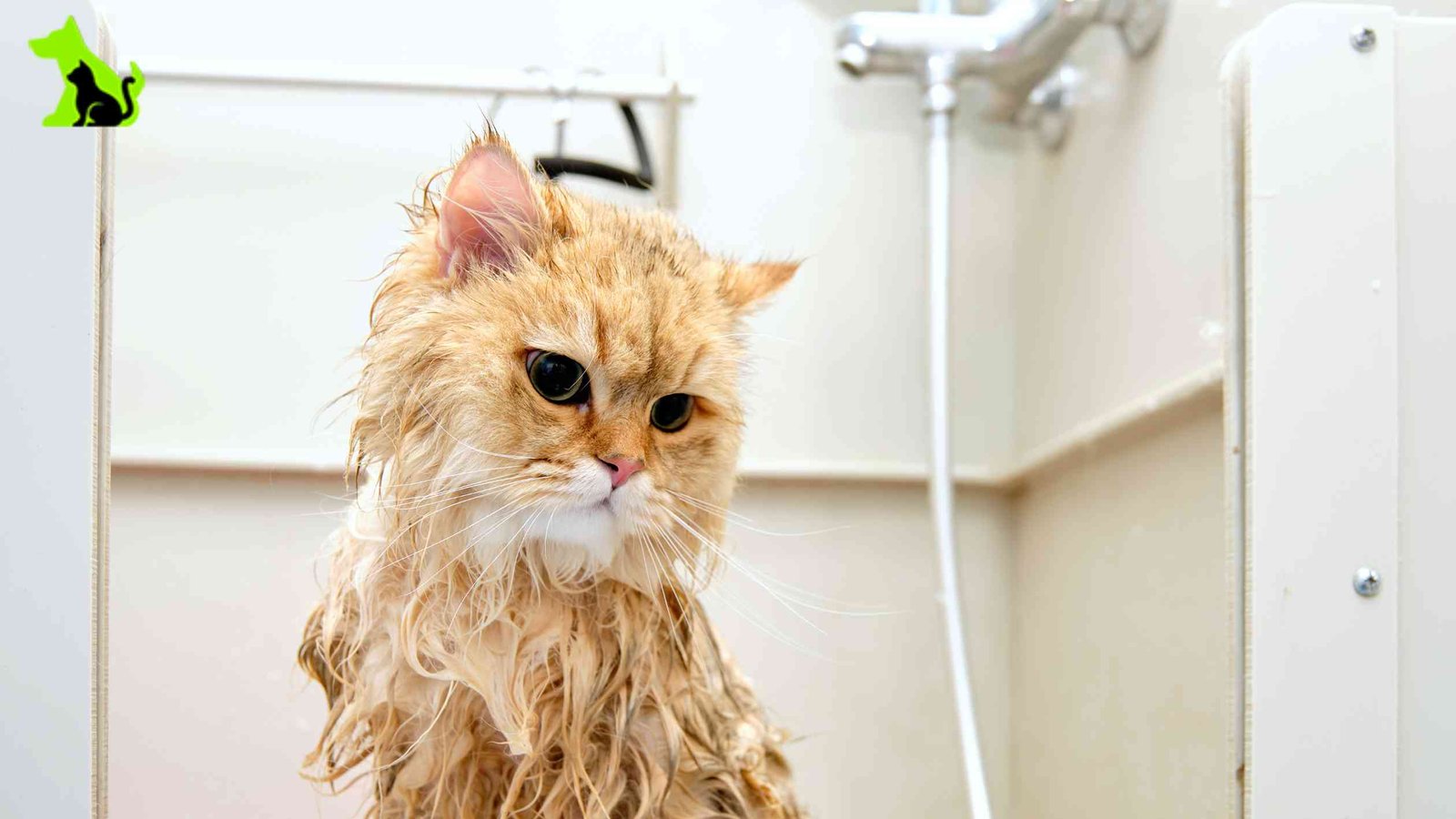
Have you ever wished your cat would sit still and enjoy grooming without the usual fuss? Imagine if there was a simple way to help your furry friend relax and cooperate during bath time or brushing sessions.
You might be surprised to learn that some people wonder if cats can be hypnotized to make grooming easier. Could this be the secret to stress-free pet care? Keep reading to discover the truth about cat hypnosis and how it might change your grooming routine for the better.

Credit: tryfurgo.com
Cats And Hypnosis
Cats are mysterious creatures. Their behavior often puzzles even the most experienced pet owners. The idea of hypnotizing cats to groom them might sound strange. Understanding hypnosis and its effects on animals helps clarify this topic.
What Is Hypnosis?
Hypnosis is a state of focused attention. The person becomes more open to suggestions. It is like daydreaming but deeper and more controlled.
During hypnosis, the mind is relaxed. The conscious mind steps back. The subconscious becomes more active. This can change how a person thinks or feels temporarily.
Can Animals Be Hypnotized?
Animals do not experience hypnosis like humans. They do not understand suggestions in the same way. However, some animals enter trance-like states.
These states happen naturally or through gentle restraint. For example, some dogs and cats become very still when calm. This is not hypnosis but relaxation or submission.
True hypnosis needs cooperation and understanding. Animals cannot follow complex commands or suggestions as humans do. So, hypnotizing a cat to groom it is unlikely.
Credit: www.kinship.com
Grooming Behavior In Cats
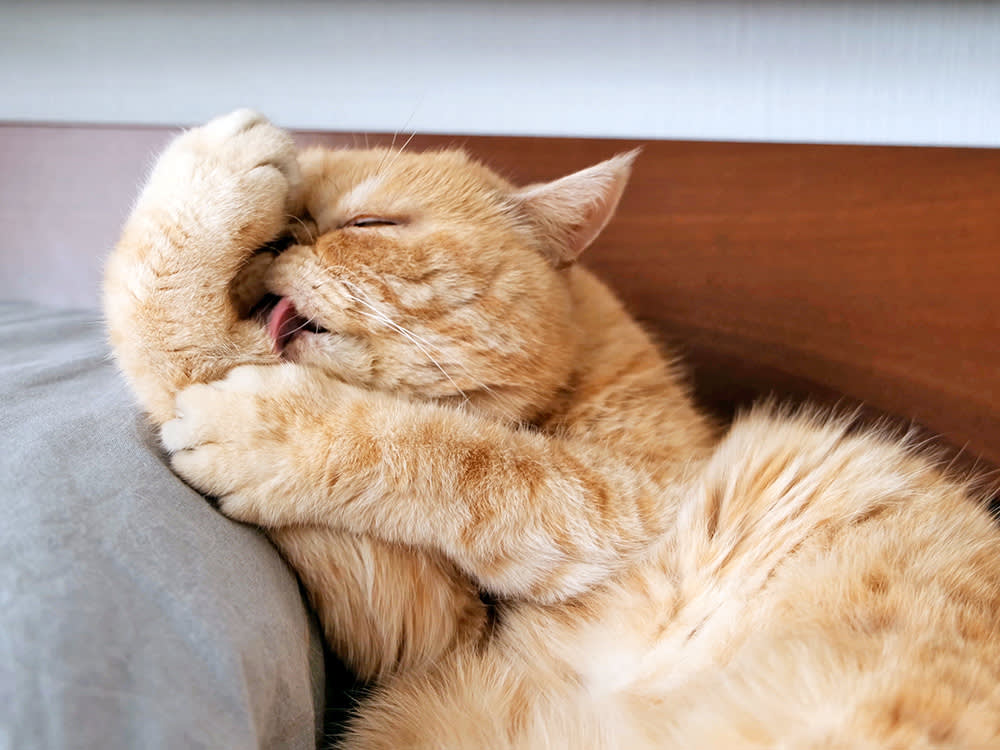
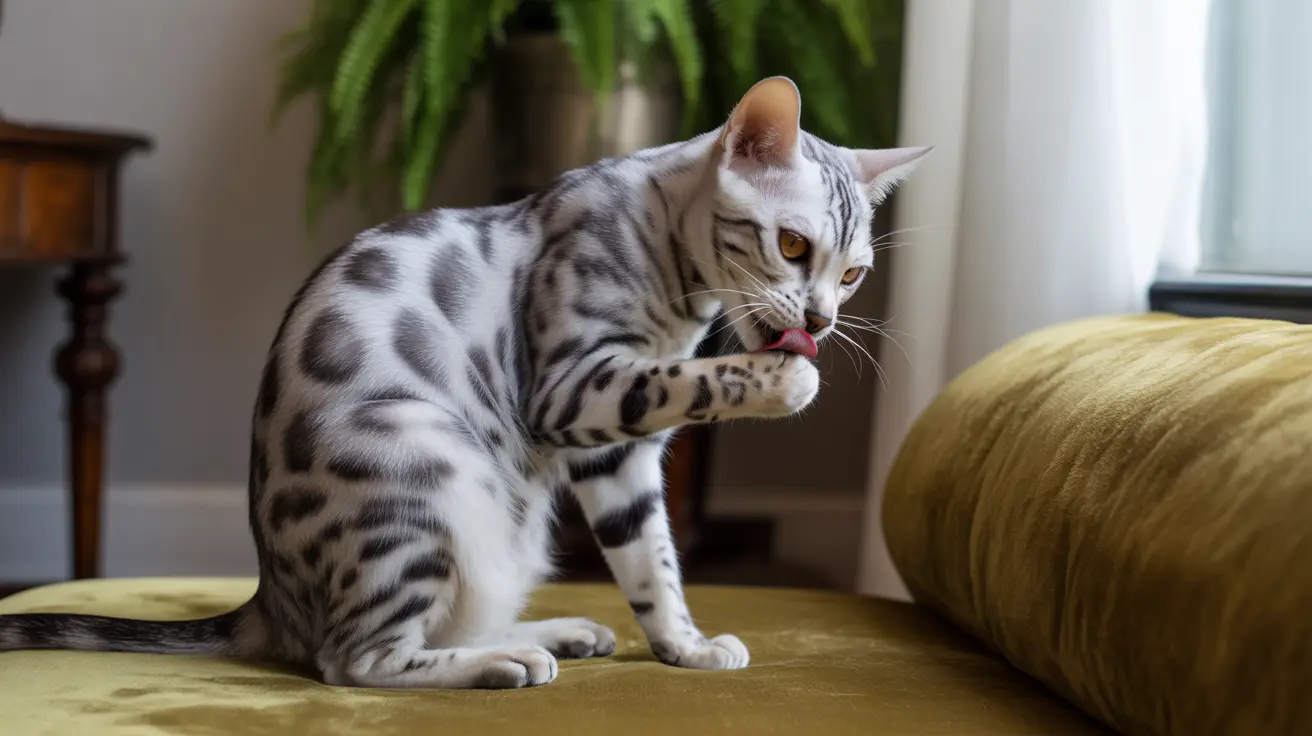
Understanding grooming behavior in cats gives you insight into their unique ways of self-care and comfort. Grooming is more than just cleanliness; it’s a natural and essential part of a cat’s daily routine. If you’ve ever watched your cat meticulously clean every inch of their fur, you know how focused and deliberate they are during this process.
Natural Grooming Instincts
Cats groom themselves to keep their fur clean, regulate body temperature, and reduce stress. This instinct starts early—kittens learn by watching their mother groom. Grooming also helps distribute natural oils, which keeps their coat shiny and healthy.
Interestingly, cats can spend up to 50% of their waking hours grooming. This shows how vital it is to their well-being. Have you noticed your cat licking a specific area repeatedly? That might indicate discomfort or anxiety rather than just cleaning.
How Cats Respond To Touch
Touch plays a big role in how cats groom and bond with their owners. Many cats enjoy gentle strokes around the head, chin, and behind the ears, areas hard for them to reach. However, each cat has different preferences and sensitivity levels.
When you try to groom your cat, watch their reactions closely. If they lean into your touch or purr, they likely enjoy it. But if they pull away or tense up, it’s a sign to stop or try a different approach.
Could gentle, rhythmic petting help your cat enter a calm state similar to hypnosis? While cats aren’t hypnotized like humans, their response to soothing touch might make grooming easier. Have you tried varying your pressure or timing to see what relaxes your cat most?
Myths About Hypnotizing Cats
Many people wonder if cats can be hypnotized to make grooming easier. This idea has sparked curiosity and many stories. It is important to separate fact from fiction. Myths about hypnotizing cats often confuse pet owners. Understanding these myths helps care for cats better.
Common Beliefs And Misconceptions
Some believe cats can enter a trance like humans. This is not true. Cats do not respond to hypnosis as people do. They may seem calm due to relaxation or trust, not hypnosis.
Another misconception is that hypnosis can control a cat’s behavior completely. Cats are independent animals. They react based on mood and environment, not commands from hypnosis.
People sometimes think hypnosis can stop a cat from scratching or biting. No scientific proof supports this. Training and patience work better for such behavior.
Origins Of The Hypnosis Myth
The myth may come from observing cats’ calm moments. Cats often stare quietly or freeze in place. This behavior is natural and not hypnosis.
Stories from movies and books also spread ideas about hypnotizing cats. These tales make the myth popular but are not real.
Some people confuse the cat’s slow blinking and relaxed posture with hypnotic states. These signs show trust and comfort, not trance.
Science Behind Cat Behavior
Understanding the science behind cat behavior can change how you approach grooming your feline friend. Cats are complex creatures with unique neurological and emotional responses that influence how they react to touch and stimuli. Knowing what happens inside their brains helps you create a calm environment that makes grooming easier and more enjoyable for both of you.
Neurological Responses In Cats
Cats’ brains process sensory information differently than humans. When you stroke your cat, specific nerve endings send signals to the brain areas responsible for pleasure and comfort. These neurological responses can sometimes mimic a trance-like state, which might look like hypnosis but is actually your cat feeling safe and relaxed.
Have you noticed your cat zoning out or purring loudly during grooming? That’s a sign their brain is releasing feel-good chemicals like dopamine and endorphins. These chemicals help reduce pain and stress, making the grooming session pleasant.
Stress And Relaxation Triggers
Stress and relaxation in cats are controlled by the autonomic nervous system. Gentle, rhythmic strokes can activate the parasympathetic system, which slows the heart rate and promotes calmness. This is why a slow, soothing touch often helps cats settle down during grooming.
However, not every cat responds the same way to touch. Some might feel threatened or anxious if grooming is rushed or forceful. Paying attention to your cat’s body language—like tail flicks or ear positions—lets you adjust your approach and avoid triggering stress.
Can you identify what specific touches or sounds help your cat relax? Experiment with different techniques and observe how your cat reacts. This hands-on understanding is the key to making grooming a stress-free experience.
Techniques To Calm And Groom Cats
Cats respond well to calm voices and gentle strokes, which help them relax during grooming. Hypnosis is not proven, but soothing techniques can make grooming easier and more pleasant. Creating a peaceful environment encourages cats to stay still and enjoy the process.
Cats can sometimes be as elusive as they are adorable, especially when it comes to grooming. While the idea of hypnotizing your cat might seem intriguing, there are more practical techniques to calm and groom your feline friend. Let’s explore some effective ways to make grooming a pleasant experience for both you and your cat.Effective Grooming Methods
Creating a consistent grooming routine can work wonders. Start by brushing your cat regularly to prevent tangles and mats. Use a brush that suits your cat’s fur type and always be gentle to avoid causing discomfort. Bathing is another essential grooming activity. Though many cats dislike water, using a cat-friendly shampoo and ensuring a warm, safe environment can make the process smoother. Remember to keep the sessions short and reward your cat with treats afterwards.Using Calm And Patience
Patience is your best ally when grooming your cat. Speak softly to reassure them and create a calm environment by minimizing loud noises. If your cat seems anxious, try playing with them beforehand to release some energy. You might find that breaking the grooming session into shorter, more manageable tasks helps maintain your cat’s calmness. If your cat becomes agitated, take a break and resume when they are more relaxed.Alternatives To Hypnosis
If hypnosis seems like a stretch, consider using pheromone sprays or diffusers. These products can create a calming atmosphere, making grooming less stressful. Another alternative is professional grooming services. Trained groomers are experienced in handling different cat temperaments and can ensure your cat is groomed safely and effectively. Finally, consider consulting with your veterinarian for advice tailored to your cat’s specific needs. They might suggest products or techniques that you haven’t tried yet. Grooming your cat can be a bonding experience rather than a battle. By using the right techniques and maintaining patience, you can ensure your cat stays happy and healthy.When To Seek Professional Help
Knowing when to seek professional help is important for your cat’s well-being. Grooming challenges or strange behavior may signal deeper issues. Early intervention can prevent stress and health problems.
Behavioral Issues
Some cats resist grooming due to anxiety or fear. Signs include aggression, hiding, or excessive scratching. These behaviors can worsen without guidance. A professional animal behaviorist can help manage these problems. They provide strategies to calm your cat and ease grooming sessions.
Veterinary Advice
Health problems may cause grooming difficulties. Skin infections, allergies, or pain can make grooming uncomfortable. Regular check-ups identify hidden medical issues. A vet can recommend treatments or special grooming tools. Follow their advice to keep your cat healthy and comfortable.
Credit: www.petscare.com
Frequently Asked Questions
Can Cats Be Hypnotized For Grooming Purposes?
Cats cannot be hypnotized like humans. However, calming techniques help relax cats during grooming. Gentle strokes and soft voices work best.
What Methods Calm Cats During Grooming Sessions?
Using slow petting, soft music, and treats can soothe cats. A quiet environment reduces stress and makes grooming easier.
Are There Safe Alternatives To Hypnotizing Cats?
Yes, pheromone sprays and calming collars help relax cats. These are non-invasive and improve the grooming experience for both cats and owners.
How To Recognize If A Cat Is Stressed During Grooming?
Signs include tail flicking, growling, and trying to escape. Recognizing stress early helps prevent aggressive behavior and ensures safe grooming.
Conclusion
Cats respond best to gentle touch and calm voices. Hypnosis is not proven to work on cats. Patience and kindness help build trust with your pet. Grooming becomes easier when your cat feels safe. Try slow movements and soft words during grooming time.
Enjoy the bonding moments with your furry friend. Keep your expectations realistic and love your cat fully. This approach brings comfort and joy to both of you.




Leave a Reply