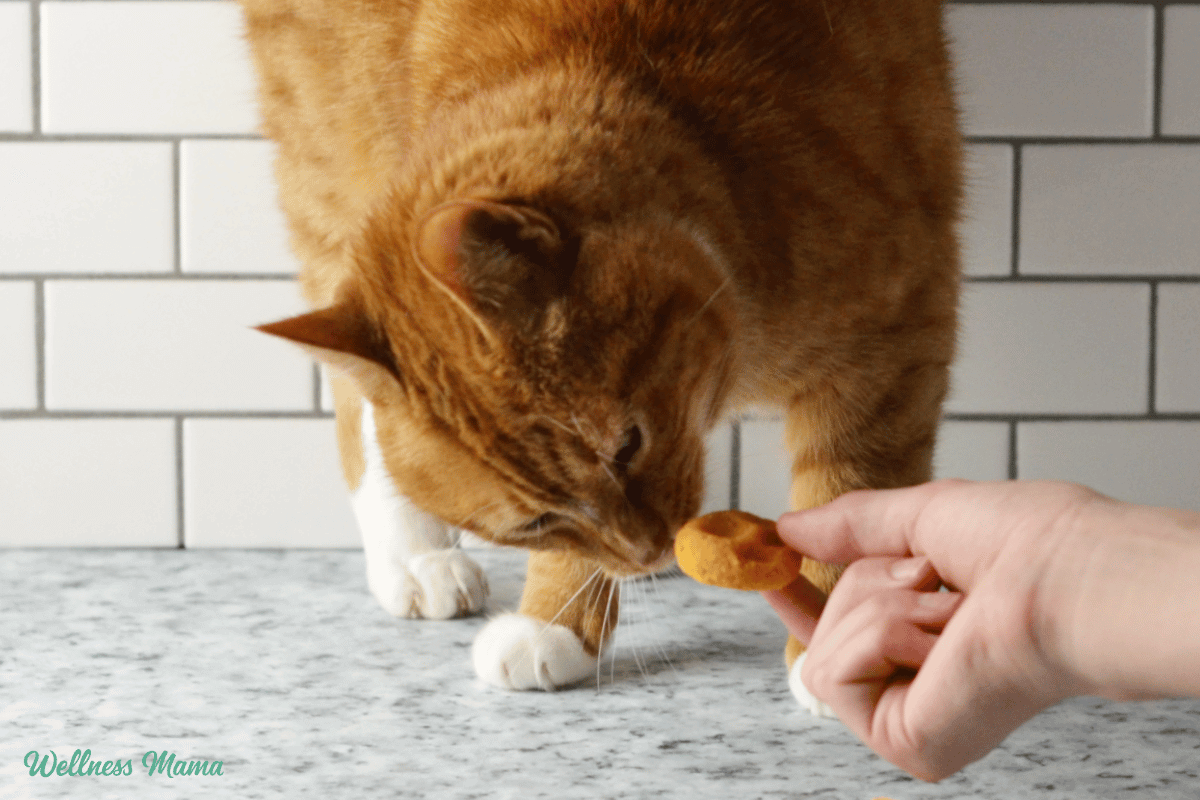
Do you want to keep your cat happy and entertained while giving them tasty treats? Making a cat treat toy is a simple and fun way to do just that.
With a few easy steps, you can create a toy that challenges your cat’s mind and rewards them with their favorite snacks. Imagine watching your furry friend play, learn, and enjoy treats all at once. Keep reading, and you’ll discover how to make a cat treat toy that both you and your pet will love.

Credit: www.amazon.com
Materials Needed
Gathering the right materials is crucial for making a safe and fun cat treat toy. The materials should be easy to handle and safe for your cat. Selecting the right fabrics and treats ensures your cat enjoys the toy without any risks.
Safe Fabrics And Tools
Choose soft, non-toxic fabrics that are gentle on your cat’s paws and mouth. Cotton, fleece, or felt work well. Avoid materials that shed or have loose threads. Use scissors with a sharp blade for clean cuts. A needle and thread or a hot glue gun will help assemble the toy securely. Keep safety in mind to prevent choking hazards or injuries.
Choosing Cat-friendly Treats
Pick treats that are healthy and small enough to fit inside the toy. Freeze-dried meat or small crunchy bites are ideal. Avoid treats with artificial ingredients or allergens. Check your cat’s preferences and dietary needs before deciding. The treat should motivate your cat to play and explore the toy.
Credit: www.thecooldown.com
Simple Designs To Try
Creating a cat treat toy doesn’t have to be complicated. Simple designs can keep your cat entertained while encouraging natural hunting instincts. These easy projects use items you likely have at home, so you can start right away without extra trips to the store.
Sock Treat Toy
Take an old sock and fill it with small treats or dry cat food. Tie a knot at the open end to keep the treats inside. Your cat will love batting it around and trying to get the snacks out.
You can make it more interesting by adding a bit of catnip inside the sock. The scent will attract your cat and make playtime more exciting. How will your cat react when the sock starts moving unpredictably?
Bottle Puzzle Feeder
Use an empty plastic bottle and cut small holes just big enough for treats to fall through. Fill the bottle with treats and let your cat roll it around to release the food. This turns treat time into a fun challenge.
Make sure the edges of the holes are smooth to avoid hurting your cat. You can adjust the hole size to control the difficulty level. Will your cat figure out how to get every last treat?
Cardboard Treat Box
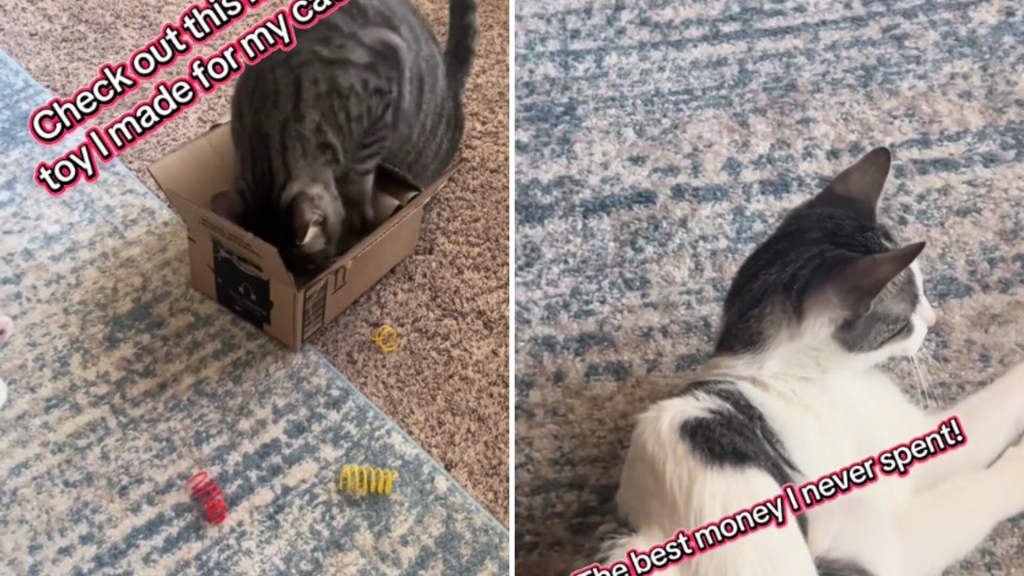
Grab a small cardboard box and cut several holes in different sizes on the sides and top. Place treats inside and watch your cat poke their paws through to grab them. This simple toy encourages problem-solving and keeps your cat busy.
You can increase the challenge by sealing some holes or adding layers of cardboard. This way, your cat has to work harder for the treats. What creative hole patterns will your cat enjoy most?
Step-by-step Assembly
Building a cat treat toy yourself can be a fun and rewarding project. It lets you customize the toy to fit your cat’s personality and keeps them mentally sharp. The assembly process is straightforward if you follow these clear steps carefully.
Preparing The Base
Start by choosing a sturdy base for your toy. A flat piece of wood or thick cardboard works well. Make sure the surface is smooth to avoid any scratches on your cat’s paws.
Cut the base to a size that fits the space where you plan to use the toy. You want it big enough to hold several treat compartments but small enough for your cat to interact with easily. Sand the edges if you’re using wood to keep it safe.
Adding Treat Compartments
Next, create compartments to hide the treats. You can use small containers, bottle caps, or even folded paper cups. Arrange them on the base in a way that encourages your cat to paw and explore.
Secure the compartments loosely if you want your cat to move them around. Alternatively, attach them firmly if you prefer a more challenging puzzle. Think about your cat’s skill level and adjust accordingly.
Securing Parts Safely
Safety is key when assembling your toy. Use non-toxic glue or tape to attach parts securely. Avoid small pieces that could break off and become a choking hazard.
Check every connection by gently tugging to ensure nothing will come loose during play. You want to create a durable toy that lasts through many play sessions. Have you noticed what kind of toys your cat enjoys most? Tailor the assembly to match those preferences for best results.

Credit: www.amazon.com
Tips For Encouraging Play
Encouraging your cat to play with a homemade treat toy can be a fun challenge. Cats often need a little extra motivation and comfort before they fully engage with a new toy. Your goal is to make the toy irresistible and part of their daily fun.
Introducing The Toy To Your Cat
Start by placing the treat toy where your cat usually spends time. Let them sniff and explore it at their own pace without pressure. You can gently roll the toy to catch their attention and mimic prey movement.
If your cat seems unsure, try sprinkling a few treats around the toy to create positive associations. You might even show them how it works by nudging the toy yourself. Have you noticed how curiosity often wins over hesitation when they see you involved?
Keeping The Toy Engaging
Change the treats inside regularly to keep your cat interested. Cats get bored easily, so rotating different flavors or textures can spark their excitement again. Add a bit of catnip or a small bell to increase sensory appeal.
Try hiding the toy in different spots to encourage a mini-hunt. This variation turns playtime into a stimulating adventure. Are you mixing up the play routine enough to keep your cat guessing?
Cleaning And Maintenance
Keep the toy clean by washing it regularly, especially after using wet treats. A clean toy prevents odors that might turn your cat away. Use mild soap and warm water, then let it dry completely before refilling.
Inspect the toy for wear and tear to avoid any small parts that could become choking hazards. Replacing or repairing damaged parts ensures your cat stays safe during play. How often do you check your cat’s toys for safety?
Benefits Of Diy Cat Toys
Making a cat treat toy at home keeps your cat busy and happy. It saves money and lets you control the ingredients for safe play. Cats enjoy hunting for treats, which helps their natural instincts.
Making DIY cat toys is more than just a crafty endeavor. It brings a range of benefits that positively impact both you and your feline friend. From engaging their minds to boosting physical health, these homemade toys can transform how your cat interacts with its environment.Mental Stimulation
Cats are natural hunters, and a DIY toy can trigger their innate instincts. By creating toys that mimic prey, like a feather on a string or a crinkly paper ball, you engage their curiosity. This mental exercise keeps their minds sharp and prevents boredom, reducing the likelihood of unwanted behaviors.Physical Exercise
A DIY cat treat toy encourages your cat to move, jump, and pounce, promoting physical health. Regular activity helps maintain a healthy weight and strengthens muscles. Imagine the joy of watching your cat leap after a homemade toy, knowing it supports their well-being.Strengthening Bond
Crafting a toy for your cat is a heartfelt gesture they can appreciate. When you play with them using a toy you made, it strengthens the bond between you and your furry companion. This shared activity fosters trust and affection, making playtime a special part of your relationship. Why not try crafting a toy today and see how it can enhance your cat’s life? With just a bit of creativity, you can transform everyday items into exciting toys that cater to your cat’s needs.Frequently Asked Questions
What Materials Are Needed To Make A Cat Treat Toy?
You need fabric, stuffing, catnip, and a small treat pouch. These are safe and easy to find. Using soft, durable materials ensures the toy lasts longer and stays safe for your cat.
How Do I Safely Insert Treats In The Toy?
Place treats inside a secure pouch or compartment. Ensure it’s tightly closed to prevent choking hazards. This encourages your cat to play and hunt for treats safely, enhancing mental stimulation.
Can Homemade Cat Treat Toys Improve My Cat’s Behavior?
Yes, treat toys provide mental and physical stimulation. They reduce boredom and destructive behavior. Engaging your cat with a treat toy promotes healthy activity and satisfies hunting instincts.
How Often Should I Clean The Cat Treat Toy?
Clean the toy weekly or when visibly dirty. Use mild soap and water, then air dry completely. Regular cleaning prevents bacteria buildup and keeps your cat healthy.
Conclusion
Making a cat treat toy is fun and simple. It keeps your cat active and happy. You can use things you already have at home. This toy also helps your cat think and play. Try different treats to see what your cat likes best.
Spend time with your pet and enjoy the process. Small efforts bring big smiles to your furry friend. Start today and watch your cat have fun!




Leave a Reply