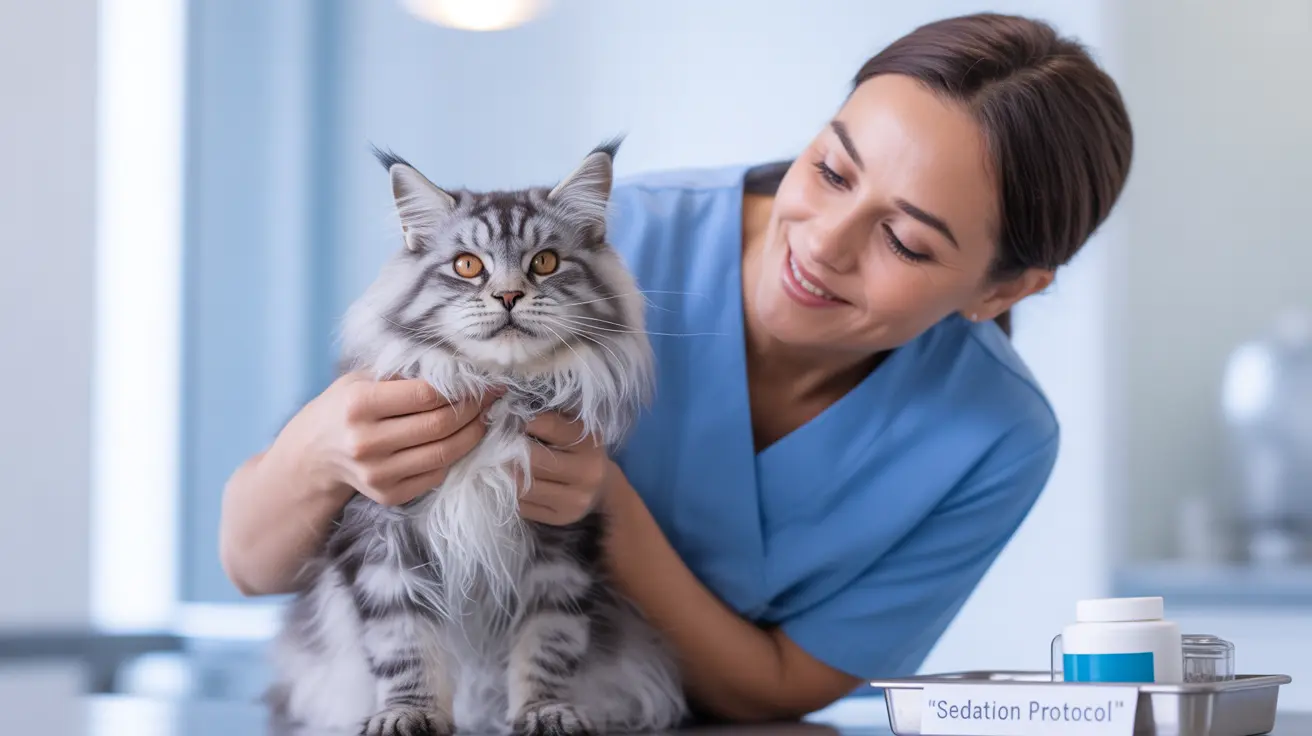
Grooming your cat can be a challenge, especially if your furry friend is nervous or restless. You might wonder, “How do I safely sedate my cat for grooming?” It’s a common question for many pet owners who want to keep their cats calm without causing harm.
You’ll discover simple, safe ways to help your cat relax during grooming sessions. By the end, you’ll feel confident and prepared to make grooming a stress-free experience for both you and your cat. Keep reading to learn the best tips and expert advice that could change how you care for your pet forever.
Reasons To Sedate Cats For Grooming
Grooming a cat is important for its health and comfort. Some cats resist grooming strongly. Sedation helps handle difficult grooming safely. It reduces stress for both the cat and the owner. Understanding reasons to sedate cats helps make better care choices.
Common Grooming Challenges
Cats often dislike baths and nail trims. Some cats have thick or matted fur. Grooming can cause pain or discomfort for them. Aggressive behavior may appear during grooming. Fear and anxiety make grooming harder. Sedation helps calm cats in these situations. It allows grooming without hurting the cat or owner.
Benefits Of Sedation
Sedation makes grooming quick and smooth. It lowers stress levels in sensitive cats. Cats stay still, reducing injury risks. Groomers can clean deeply and carefully. It improves hygiene and skin health. Sedation also helps cats with medical conditions. They get proper grooming without extra pain or fear.
Types Of Sedatives For Cats
Choosing the right sedative for your cat’s grooming session can be tricky. You want something effective but safe, with as few side effects as possible. Understanding the different types of sedatives available helps you make the best choice for your furry friend’s comfort and safety.
Over-the-counter Options
Some pet owners try over-the-counter (OTC) sedatives for mild anxiety or restlessness during grooming. Common OTC options include supplements with ingredients like melatonin or valerian root. These can help calm your cat gently, but they don’t work for all cats and might take time to show effects.
Always check the label and dosage instructions carefully. Not every human supplement is safe for cats, so ask your vet before trying something new. Have you noticed how your cat reacts to calming treats or supplements? That reaction can guide your choice.
Prescription Medications
Prescription sedatives are the most reliable way to ensure your cat stays calm during grooming. Drugs like Acepromazine or Trazodone are commonly prescribed by veterinarians. These medications work quickly and effectively but require a vet’s approval to use safely.
Discuss your cat’s health history thoroughly with your vet before using prescription sedatives. Dosage depends on your cat’s weight, age, and overall health. Have you ever felt unsure about giving your cat medication? Your vet’s guidance can clear up any doubts and keep your cat safe.
Natural Remedies
Natural remedies can be a gentle alternative to chemical sedatives. Aromatherapy with cat-safe essential oils, pheromone sprays, or calming collars can reduce stress without drugs. Some cats respond well to a quiet environment combined with soothing music during grooming.
Experimenting with natural solutions takes patience but can create a more positive grooming experience. What has your cat responded to in the past when feeling anxious? Sometimes simple changes make the biggest difference.
Consulting Your Veterinarian
Before sedating your cat for grooming, consulting your veterinarian is essential. Your vet has the expertise to guide you through safe sedation practices tailored to your cat’s specific needs. This step ensures both the effectiveness of sedation and the well-being of your furry friend.
Health Assessment
Your veterinarian will start with a thorough health assessment of your cat. They check for any underlying conditions like heart disease, kidney issues, or allergies that could affect sedation safety.
During the assessment, your vet might ask about your cat’s medical history and observe their current behavior. This helps identify any risks that sedation might pose. Have you noticed any unusual symptoms or reactions in your cat recently? Sharing these details can make a big difference.
Dosage And Safety Guidelines
Determining the correct dosage is a critical step your veterinarian will handle carefully. Doses vary based on your cat’s weight, age, and health status. Using the wrong amount can lead to complications, so trust your vet’s precise calculations.
Your vet will also explain important safety guidelines, like fasting times before sedation and monitoring your cat during the process. They might recommend specific sedatives that are safer or more effective for your cat’s condition. Would you feel more confident knowing exactly what to expect and how to prepare?
:strip_icc()/spruce-pets-cat-sedative-travel-9be74a8034364749a2cb205881b103ac.png)
Credit: www.thesprucepets.com
Preparing Your Cat For Sedation
Preparing your cat for sedation is crucial to ensure a smooth and safe grooming experience. This preparation helps reduce stress and makes the sedation process more effective. Taking time to ease your cat into the idea of grooming can prevent unexpected reactions and keep both of you calm.
Calming Techniques
Start by gently petting your cat in a quiet space to build trust. Try soft talking or humming to soothe their nerves; your voice can be a powerful comfort. You can also use pheromone sprays or diffusers designed to calm cats—it’s like giving them a reassuring hug.
Have you noticed how some cats respond positively to gentle brushing before grooming day? Using a brush daily can help your cat get used to the sensation and reduce anxiety. Play calming music or white noise to create a peaceful background that distracts your cat from any stress.
Creating A Comfortable Environment
Set up a small, cozy area where your cat feels safe. Include familiar blankets or toys that carry their scent to help them relax. Avoid loud noises or sudden movements that might startle your cat and increase anxiety.
Think about temperature too—cats prefer warm spots, so keep the room comfortably heated. Dim the lights slightly to avoid overstimulation. Preparing this calm zone ahead of time helps your cat associate grooming with a safe, pleasant space, making sedation less frightening.
Administering Sedatives Safely
Administering sedatives to your cat for grooming can be a careful process. The safety of your pet is the top priority. You need to follow some guidelines to ensure this. Understanding the correct dosage and methods of administration is crucial. Let’s explore these important aspects.
Proper Dosage Measurement
Calculating the right dosage is vital for your cat’s safety. Consult your veterinarian for guidance. They can provide the correct amount based on your cat’s weight and health. Use a precise measuring tool for accuracy. Never guess the dosage, as this can be harmful.
Methods Of Administration
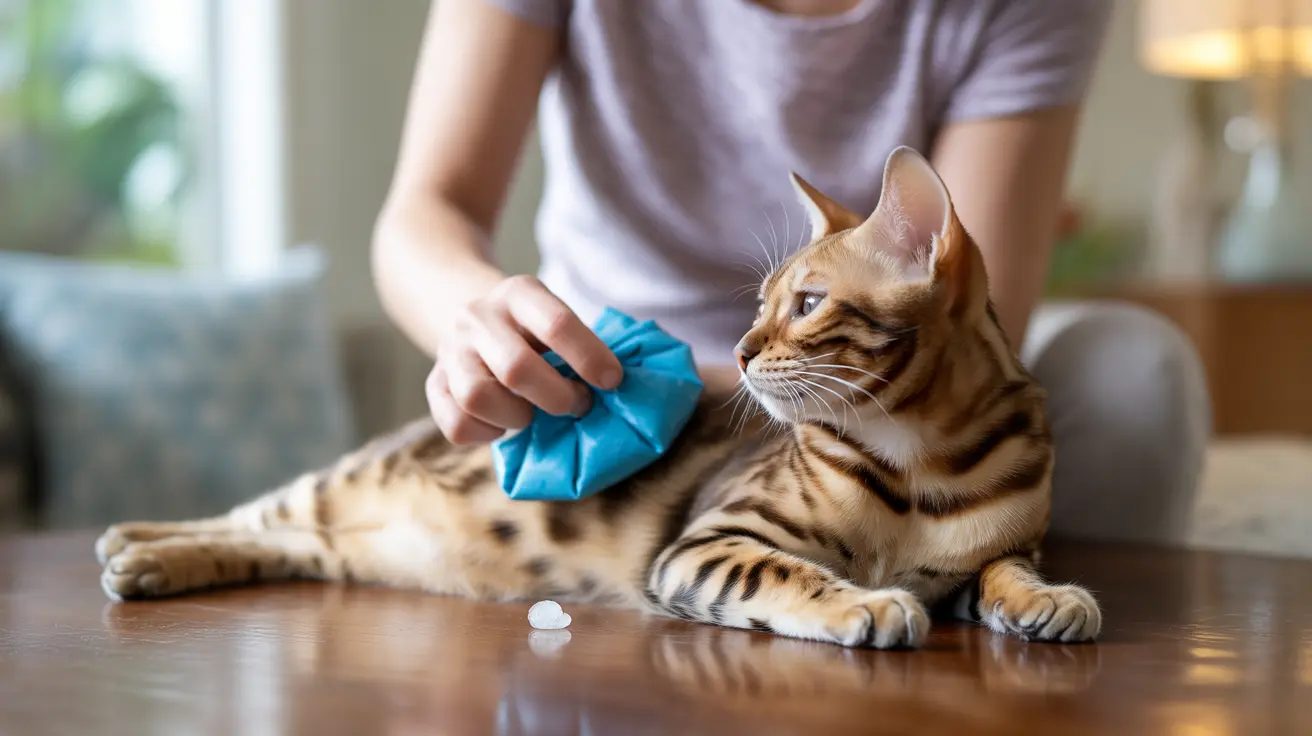
There are different ways to administer sedatives to your cat. Oral sedatives are common and easy to give. They can be mixed with food or given directly. Make sure your cat consumes the entire dose. For liquid sedatives, use a syringe for direct administration. Injectables are another option, but they require professional handling. Always follow the instructions provided by your vet.
Credit: www.petscare.com
Monitoring Your Cat During Sedation
Monitoring your cat during sedation is crucial to ensure their safety and comfort throughout the grooming process. Sedatives can affect your cat’s vital signs, so close observation helps you spot any changes early. Paying attention to your cat’s behavior and physical state allows you to act quickly if something goes wrong.
Recognizing Side Effects
Knowing the common side effects of sedation helps you stay alert. Watch for signs like excessive drooling, vomiting, or unusual lethargy. Your cat might also have difficulty breathing or show unsteady movements.
Some side effects are mild and temporary, such as drowsiness or slight uncoordinated movements. But others, like pale gums or rapid heartbeat, indicate serious issues. Keep a checklist handy to track these symptoms easily.
When To Seek Emergency Help
If your cat shows signs of severe distress, do not wait. Difficulty breathing, seizures, or loss of consciousness require immediate veterinary attention. Time is critical in such situations, so have your vet’s contact info ready before sedating your cat.
Ask yourself: Is my cat responsive or showing sudden changes in color or breathing? If the answer is no or yes, it’s time to act. Remember, prompt response can save your cat’s life during sedation complications.
Alternatives To Sedation
Finding alternatives to sedation can make grooming safer and less stressful for your cat. Sedation carries risks and should be a last choice. Many cats respond well to other gentle methods. These can help your cat stay calm and cooperative during grooming.
Behavioral Training
Behavioral training helps your cat get used to grooming. Start with short sessions and use positive rewards. Touch your cat’s paws and fur gently every day. Praise and treats encourage calm behavior. Gradually introduce brushes or clippers in a calm space. Patience is key. Over time, your cat learns to accept grooming.
Professional Grooming Services
Professional groomers have experience handling anxious cats. They use special techniques to keep cats calm and safe. Groomers have tools designed for quick and gentle grooming. Many offer quiet, low-stress environments. Some groomers provide calming sprays or wraps. Hiring a professional reduces risks and stress for your cat.
Post-grooming Care
Sedating a cat safely for grooming requires a vet’s guidance to choose the right medication and dosage. Monitor your cat closely during and after sedation to ensure a smooth recovery. Always create a calm and comfortable space for your cat post-grooming.
After grooming your cat, ensuring their comfort and safety is essential. Post-grooming care helps your cat recover smoothly. This includes monitoring their behavior, ensuring they are comfortable, and providing any necessary aftercare. Following a grooming session, your cat might feel a bit disoriented or stressed. It’s important to create a calm environment for them to relax and recuperate.Recovery Tips
Create a cozy space for your cat to rest. Use soft bedding and keep the area quiet. Offer fresh water and a small meal to help them regain energy. Gently pet your cat to reassure them. Avoid picking them up or playing roughly. Monitor their behavior for any signs of discomfort. Cats might prefer some alone time, so respect their space.Signs Of Complications
Watch for unusual behavior or signs of distress. If your cat vomits, it might need medical attention. Pay attention to excessive panting or lethargy. Check for redness or swelling where grooming took place. If your cat refuses to eat or drink, consult a vet. Any persistent signs of discomfort should be addressed promptly.
Credit: hellopetsinc.com
Frequently Asked Questions
How Can I Safely Sedate My Cat At Home?
Consult your veterinarian before sedating your cat. They may prescribe safe medications and proper dosages. Never use human drugs or over-the-counter sedatives without professional advice. Follow instructions carefully to avoid health risks.
What Are The Safest Sedation Options For Cats?
Veterinarians often recommend medications like gabapentin or trazodone for mild sedation. These drugs are safe when used as prescribed. Natural remedies like pheromone sprays may help but are less effective for sedation.
When Should I Avoid Sedating My Cat For Grooming?
Avoid sedation if your cat has health issues like heart disease or respiratory problems. Also, don’t sedate pregnant or elderly cats without vet approval. Always discuss your cat’s medical history with a veterinarian first.
Are There Non-medication Ways To Calm My Cat For Grooming?
Yes, use calming techniques like gentle handling, familiar environments, and pheromone diffusers. Regular grooming sessions can also reduce stress over time. These methods avoid sedation risks and help your cat feel safe.
Conclusion
Sedating a cat for grooming needs care and patience. Always talk to your vet before giving any medicine. Use only safe, vet-approved products. Watch your cat closely during the process. Keep a calm and quiet environment to help your cat relax.
Never try to sedate your cat without professional advice. Proper preparation makes grooming safer and easier. Your cat’s health and comfort matter most. Taking these steps helps protect your furry friend. Safe sedation means a better grooming experience for both of you.


Leave a Reply