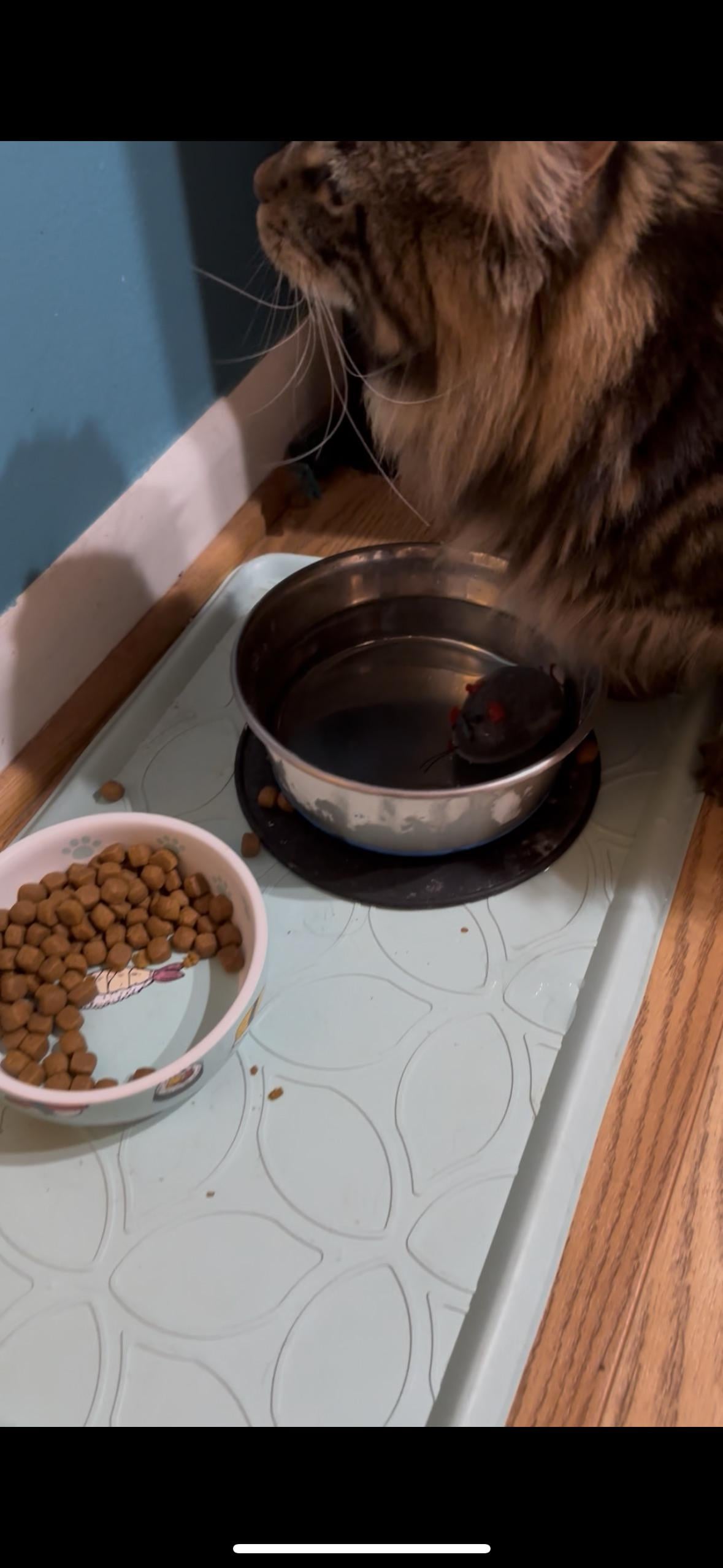
Have you ever noticed your cat dropping her toys right into her water bowl? It might seem strange or even a bit messy, but there’s more to this quirky behavior than meets the eye.
Understanding why your cat does this can help you connect with her better and keep her happy and healthy. Stick around, because uncovering the reasons behind this odd habit will change the way you see your furry friend—and you might even discover some surprising facts that will make you smile.
Cat Play Behavior
Understanding your cat’s play behavior can shed light on why she places toys in her water bowl. Cats don’t just play for fun; their actions often connect to deep-rooted instincts and natural curiosity. Watching your cat’s playful habits can reveal surprising insights into how she interacts with her environment.
Instincts Behind Toy Interaction
Your cat’s behavior is influenced by hunting instincts. When she toys with objects, she’s mimicking the actions she would use to catch prey. Dropping toys in water may simulate how a cat tests or retrieves prey in the wild.
Some cats are fascinated by the movement and texture of toys, especially if they resemble small animals. This behavior keeps their minds sharp and satisfies their need to explore. Have you noticed if your cat prefers certain toys near water or only when she’s feeling playful?
Water As A Play Element
Water adds an unpredictable and sensory-rich element to play. The ripples, reflections, and splashes make the experience more engaging for your cat. She might enjoy the challenge of fishing toys out of the water or watching how they move when wet.
Some cats are drawn to water because it’s a novel surface that changes how toys behave. This could explain why she places toys in her water bowl — turning a simple toy into a new type of interactive game. Could providing a safe water play area boost your cat’s mental stimulation?
Hunting Instincts And Water
Cats have a natural hunting instinct that influences many of their behaviors, even those that seem odd to us. One such behavior is placing toys in their water bowls. This action connects deeply with their inner predator, especially how they interact with water during hunting.
Simulating Prey Capture
Your cat’s toy in the water mimics the experience of catching prey near or in water. Wild cats often catch fish or small animals that live close to water sources. By dropping toys in water, your cat practices the skill of grabbing slippery, moving prey.
This behavior shows how your cat’s brain is wired to rehearse hunting moves. It’s more than play—it’s training. Have you noticed how your cat pawed at water ripples or watched fish in a bowl? That same curiosity drives toy placement in water.
Water As A Hunting Challenge
Water adds complexity to hunting. It changes how prey moves and how the hunter must react. By putting toys in water, your cat faces a new challenge—grabbing something that slips or moves differently than on dry land.
This challenge sharpens your cat’s reflexes and coordination. It’s a way to keep their skills sharp even indoors. Next time you see your cat dipping a toy in water, ask yourself: Is she practicing for a real hunt, or simply enjoying the challenge?
Exploring Textures And Sensations
Have you ever noticed your cat dropping toys into her water bowl and wondered why she does it? This behavior is more than just playful mischief; it’s a way for your cat to explore different textures and sensations. Understanding this can help you connect with your pet’s unique way of interacting with her environment.
Curiosity About Water
Cats often show curiosity about water by pawing or dropping objects into it. Water feels different to their paws compared to dry surfaces, and toys add an extra layer of texture that sparks their interest.
Your cat might be testing how the water changes the feel and weight of her toys. She’s learning about cause and effect—how a small splash can happen or how the toy moves differently when wet. Have you noticed how some cats prefer drinking from running water? This same sensory curiosity drives those behaviors.
Toys And Sensory Stimulation
Dropping toys in water creates a mix of sensory experiences for your cat. The cold, wet surface contrasts with the dry, often soft toy texture, offering a playful challenge for her senses.
This interaction can satisfy your cat’s instinctual need for stimulation. Toys in water invite her to use her paws, eyes, and even whiskers to explore. It’s a simple way for her to keep her mind sharp and her body active.
- Does your cat prefer small, lightweight toys or something heavier in her water?
- Have you tried different toy textures to see which she enjoys dropping most?
Observing these details can help you provide better toys and enrich your cat’s daily playtime. What new textures could you introduce to make play even more engaging?

Credit: www.reddit.com
Marking Territory
Cats often place toys in water bowls to mark their territory. This behavior mixes scents, creating a familiar and safe environment. It also signifies the importance of the space and resources to them.
Cats have some truly quirky behaviors that often leave us scratching our heads in wonder. One such behavior is putting toys in their water bowls. While it might seem like a random act, there is a significant reason behind it. Cats are territorial creatures, and they have unique ways of marking their territory.Scent Transfer Through Toys
Cats have scent glands in various parts of their bodies, including their paws. When your feline friend plays with a toy, they’re not just burning energy—they’re transferring their scent onto it. This scent marks the toy as their property. So, when a cat places a toy in the water bowl, it’s not just about hydration. It’s an effort to mix their scent with the water, further establishing their territory. Have you ever noticed how your cat rubs its face against furniture? It’s a similar concept—leaving behind a scent to claim ownership.Water Bowl As A Territory Spot
A water bowl is more than just a hydration station for your cat. It’s a central spot that most cats visit multiple times a day. By placing their toys there, cats are effectively expanding their territory. Think of it like hanging a family photo in your living room. Just as you might want to make your house feel like a home, your cat uses the water bowl to create a space that smells like them. This territorial behavior can make your cat feel more secure in their environment. Have you observed your cat placing different types of toys in the water? Each toy might carry a different scent, enhancing their territorial boundaries. It’s a fascinating insight into how your cat perceives their world. Understanding these behaviors can strengthen your bond with your cat. Next time you see a toy floating in the water bowl, recognize it as a part of your cat’s instinctual need to mark their world. What other quirky behaviors does your cat have that might be rooted in deep-seated instincts?Stress And Anxiety Signals
When your cat places toys in her water bowl, it might be more than just playful behavior. This action can signal stress or anxiety, showing how your pet tries to cope with discomfort. Understanding these signals can help you create a calmer environment for your furry friend.
Comfort Behaviors
Cats often develop small habits to soothe themselves when they feel uneasy. Placing toys in water can be one of these comfort behaviors. It gives them a sense of control over their surroundings, helping reduce feelings of uncertainty.
Think about your cat’s daily routine. Has anything changed recently—new people, loud noises, or rearranged furniture? These changes might cause stress, prompting your cat to seek comfort through familiar objects like toys.
Toys As Stress Relievers
Your cat might use toys as stress relievers by placing them in water, creating a safe and predictable mini-environment. This behavior can distract her from anxiety triggers and offer a calming effect.
Have you noticed if your cat does this more when you’re away or during noisy times? These moments can heighten anxiety. Offering extra playtime or quiet spaces might reduce this behavior.
Try observing which toys she prefers for this habit. Toys with soft textures or those she carries often could be her go-to stress relievers. Providing similar items might help her feel secure without needing to dip them in water.

Credit: www.youtube.com
Encouraging Healthy Play
Encouraging healthy play is important for your cat’s well-being. Play keeps cats active, sharp, and happy. It also helps them use their natural hunting instincts in a safe way. When cats play near their water, it shows creativity and curiosity. Supporting this behavior can improve their physical and mental health.
Safe Toy Choices
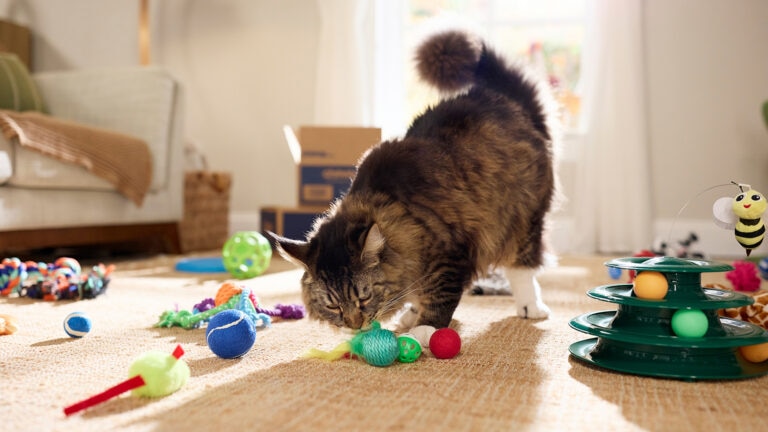
Choose toys that are small enough for your cat to carry but not swallow. Soft balls, feather wands, and plush mice work well. Avoid toys with small parts that can break off. Make sure toys are non-toxic and easy to clean. Rotate toys often to keep your cat interested. This variety encourages more active and joyful play.
Water Bowl Placement Tips
Place the water bowl in a quiet, low-traffic area. Cats feel safer drinking and playing there. Use a heavy bowl or one with a wide base to prevent tipping. Consider a shallow, wide bowl to make toy play easier. Keep the water fresh and clean to attract your cat. This setup supports both hydration and healthy play habits.
When To Consult A Vet
Noticing your cat putting toys in her water might seem quirky, but sometimes it signals deeper issues. Knowing when to consult a vet is crucial to ensure your furry friend stays healthy and happy. Watch closely for signs that suggest it’s more than just playful behavior.
Behavioral Changes
If your cat suddenly starts putting toys in her water more frequently or with unusual intensity, take note. Changes like increased hiding, aggression, or loss of appetite alongside this behavior could mean she’s stressed or unwell.
Have you noticed your cat acting differently in other ways? If the toy-dunking is part of a bigger shift in how she behaves, it’s time to seek professional advice. A vet can help identify if anxiety or another issue is causing these changes.
Signs Of Discomfort Or Illness
Look for physical signs that might accompany this odd habit: vomiting, diarrhea, excessive drooling, or limping. These symptoms paired with placing toys in water could indicate discomfort or illness.
Does your cat seem lethargic or is she grooming less than usual? These subtle clues can reveal if she’s feeling unwell. Don’t wait—early veterinary checkups can prevent minor problems from turning serious.
Credit: www.chewy.com
Frequently Asked Questions
Why Does My Cat Put Toys In Her Water Bowl?
Cats often drop toys in water to explore textures and sounds. It mimics hunting behavior and keeps them entertained. This playful act also helps them stay mentally stimulated and curious about their environment.
Is It Normal For Cats To Play With Water And Toys?
Yes, many cats enjoy combining water and toys as part of their natural curiosity. This behavior mimics hunting and fishing instincts, providing mental and physical stimulation.
Can Putting Toys In Water Harm My Cat?
Generally, this behavior is safe if the water is clean. However, ensure the toys are non-toxic and free from small parts that could be swallowed or cause choking.
How Can I Discourage My Cat From Wetting Her Toys?
Provide separate play areas and plenty of dry toys. Use shallow water bowls and keep them out of reach if needed. Positive reinforcement can help redirect her behavior.
Conclusion
Cats often put toys in their water out of curiosity or playfulness. This behavior shows their natural hunting instincts and desire to explore. It also helps them feel more comfortable and entertained. Watching your cat do this can be amusing and tells you about their unique personality.
Understanding why cats do this helps you care for them better. Keep observing your pet to learn more about their habits and needs. Each cat is different, and their actions have meaning. Enjoy these little moments with your furry friend.

Leave a Reply