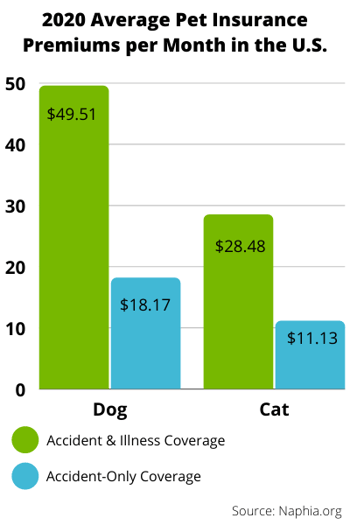
Have you ever wondered what would happen if your cat suddenly needed unexpected medical care? You love your furry friend and want the best for them.
But when it comes to health insurance, you might be unsure if it’s worth the cost or hassle. This article will help you figure out if getting health insurance for your cat is the right choice for you. By the end, you’ll feel confident making a decision that keeps your pet healthy and your wallet protected.
Keep reading to find out what you need to know before saying yes or no.
Why Cat Health Insurance Matters
Cat health insurance helps protect your pet and your wallet. Cats can face health issues at any time. Insurance offers a safety net for unexpected costs. It allows you to provide the best care without worry.
Rising Veterinary Costs
Vet bills are increasing each year. Routine check-ups and vaccinations cost more now. Treatments for injuries and illnesses are expensive too. Insurance helps manage these growing expenses. It makes vet visits less stressful financially.
Unexpected Emergencies
Accidents and sudden illnesses happen without warning. Emergency care can be very costly. Surgery, tests, and medication add up fast. Insurance covers many emergency expenses. It lets you focus on your cat’s health, not bills.
Chronic Conditions
Some cats develop long-term health problems. Conditions like diabetes or kidney disease need ongoing care. Regular vet visits and medicines become routine costs. Insurance helps reduce these continual expenses. It supports your cat’s health over time.

Credit: www.fetchpet.com
Key Benefits Of Cat Insurance
Cat insurance offers peace of mind and financial support. It helps cover unexpected costs that come with pet care. Many cat owners find insurance useful for managing health expenses. The benefits go beyond just emergencies. They include everyday health needs too.
Coverage For Accidents
Cat insurance pays for injuries caused by accidents. This includes broken bones, cuts, or poisoning. Emergency vet visits can be expensive. Insurance helps reduce these sudden costs. It ensures your cat gets quick treatment without delay.
Illness Protection
Insurance covers many common and serious illnesses. Diseases like diabetes, infections, or cancer can be costly to treat. Insurance helps pay for tests, surgeries, and medications. This support can make managing your cat’s illness easier.
Routine Care Options
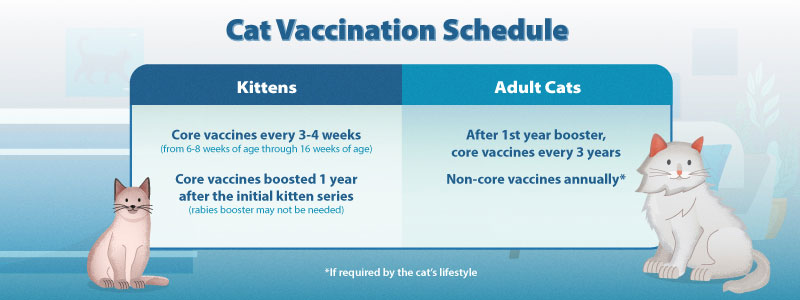
Some plans include routine care coverage. This covers vaccinations, flea control, and dental checkups. Routine care keeps cats healthy and prevents illnesses. Insurance can lower the cost of regular visits and treatments.
Prescription Medication Coverage
Many cats need medications for ongoing health issues. Insurance can help pay for prescribed drugs. This makes maintaining long-term treatments affordable. It helps ensure your cat gets the medicine needed to stay well.
Types Of Cat Insurance Plans
Cat insurance plans come in different types to suit various needs and budgets. Understanding these options helps you choose the right coverage for your pet. Each plan type offers unique benefits and limits. Here is a clear look at the main types of cat insurance plans.
Comprehensive Plans
Comprehensive plans cover a wide range of health issues. They include accidents, illnesses, and sometimes routine care. This plan is ideal for cat owners who want broad protection. Expect to pay higher premiums for this extensive coverage. It often covers surgeries, medications, and diagnostic tests. This plan gives peace of mind for unexpected health problems.
Accident-only Plans
Accident-only plans cover injuries from accidents. They do not cover illnesses or routine care. This plan is less expensive than comprehensive plans. It suits cats that are generally healthy and active. Coverage includes broken bones, cuts, or poisonings. This plan helps manage sudden, costly emergencies without high monthly costs.
Wellness Plans
Wellness plans focus on preventive care and regular check-ups. They cover vaccinations, flea control, and dental cleanings. This plan supports maintaining your cat’s health over time. It does not cover accidents or serious illnesses. Wellness plans are affordable and encourage routine vet visits. They help avoid costly treatments by catching issues early.
Credit: www.healthypawspetinsurance.com
Factors To Consider Before Buying
Choosing health insurance for your cat requires careful thought. Several important factors affect your decision and future costs. Consider your cat’s needs and your budget before buying a plan.
Age And Breed Of Your Cat
Older cats often have higher premiums due to health risks. Some breeds are prone to specific illnesses. Insurance may cost more for these cats. Younger cats usually get cheaper rates and better coverage options.
Pre-existing Conditions
Most insurance plans do not cover pre-existing conditions. If your cat has past health issues, check if the plan covers them. This can affect your choice and the plan’s value.
Monthly Premiums Vs. Deductibles
Monthly premiums are the regular payments you make. Deductibles are amounts you pay before insurance helps. Plans with low premiums often have high deductibles. Balance these costs based on your financial situation.
Claim Process And Payouts
Easy claim processes save time and stress. Some insurers pay directly to vets; others reimburse you later. Check payout limits and waiting periods. Fast payments mean less worry when your cat needs care.
How To Choose The Right Policy
Choosing the right policy means checking what health issues it covers for your cat. Consider your cat’s age, breed, and medical history before deciding. Compare costs and benefits to find a plan that fits your budget and needs.
Choosing the right health insurance policy for your cat can seem overwhelming, but it doesn’t have to be. Whether your feline friend is a sprightly kitten or a wise old cat, having the right coverage can make a huge difference in their healthcare. It’s about finding a balance between cost and coverage, ensuring that you’re prepared for the unexpected.Comparing Providers
Start by gathering information on different providers. Look for companies that specialize in pet insurance. Compare their offerings side by side to understand what each covers. Some may offer comprehensive plans that include routine care, while others might focus on accidents and illnesses. Make a list of what’s most important for your cat’s needs.Reading The Fine Print
Insurance policies can be tricky, with a lot of small text that could easily be overlooked. Dive into the details of each policy. Look for terms like “pre-existing conditions” and “exclusions.” These are crucial, as they determine what will and won’t be covered. Ensure you understand the waiting periods and the process for claims.Customer Reviews And Reputation
Trust is key when choosing an insurance provider. Check online reviews to see what other pet owners have experienced. Was the claims process straightforward? Did the company offer good customer service? A provider with a solid reputation can give you peace of mind. Remember, your cat’s health is an investment. Take the time to choose a policy that meets your needs and fits your budget.Alternatives To Cat Insurance
If you’re unsure about getting health insurance for your cat, there are other ways to prepare for unexpected vet bills. Alternatives to cat insurance can offer flexibility and control over your spending. These options let you manage your pet’s health costs without committing to an insurance plan.
Saving Funds For Emergencies
Setting aside money regularly in a dedicated savings account can help you cover vet expenses when they arise. Think of it as your cat’s emergency fund, ready to be used only for health needs.
Start small—just a few dollars a week can add up over time. You might be surprised how quickly you build a financial cushion that gives you peace of mind.
Have you considered how much you spend on your cat’s routine care? Redirecting a portion of that into savings can be a smart move.
Pet Health Savings Accounts
Some banks and credit unions offer Pet Health Savings Accounts (PHSAs) designed specifically for pet-related expenses. These accounts often have tax advantages and make it easy to separate pet costs from your general budget.
PHSAs encourage disciplined saving while keeping funds accessible for vet visits, medications, or treatments. You can even automate monthly transfers to build the balance effortlessly.
Before opening one, check the account fees and withdrawal rules to ensure it fits your needs. Does your bank offer a pet-specific savings option?
Discount Plans And Memberships
Discount plans or memberships provide reduced rates on veterinary services, medications, and pet supplies. Unlike insurance, these often come with a fixed monthly or annual fee.
They can be a practical choice if your cat is generally healthy but you want to save on routine care. Some plans include perks like free wellness exams or discounted dental cleanings.
Consider what services your cat uses most and compare plans carefully. Are the discounts worth the membership cost for your situation?
Credit: www.carecredit.com
Frequently Asked Questions
What Are The Benefits Of Cat Health Insurance?
Cat health insurance covers unexpected vet bills, reducing financial stress. It ensures timely treatment, improves your cat’s health, and can save money on emergencies and chronic conditions.
How Much Does Cat Health Insurance Typically Cost?
Costs vary by cat’s age, breed, and coverage type. On average, monthly premiums range from $15 to $40, depending on your chosen plan and deductible.
Does Cat Insurance Cover Routine Check-ups And Vaccinations?
Most basic plans exclude routine care but offer optional wellness coverage. Check your policy details to ensure vaccinations and annual exams are included.
When Should I Buy Health Insurance For My Cat?
Buy insurance when your cat is young and healthy. Early enrollment often lowers premiums and avoids exclusions for pre-existing conditions.
Conclusion
Choosing health insurance for your cat helps protect their health and your wallet. Vet bills can be expensive without coverage. Insurance can give peace of mind during emergencies. It also allows you to focus on your cat’s care, not costs.
Think about your cat’s age and health before deciding. Each pet owner’s needs are different. Protect your furry friend with a plan that fits your budget and lifestyle. Keep your cat happy and healthy with smart choices. Health insurance can be a helpful tool, not a burden.




Leave a Reply