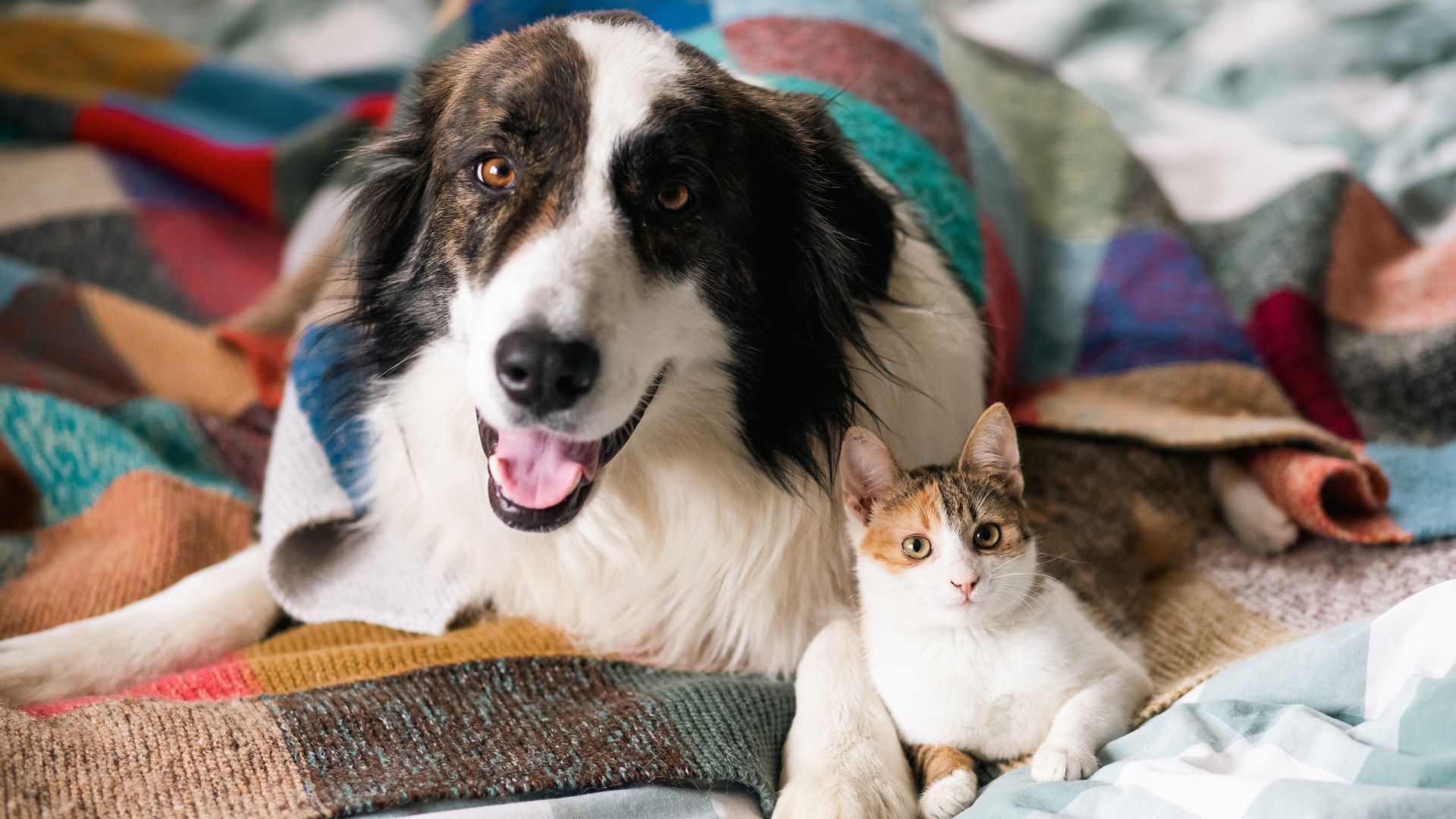
Have you ever wondered if a dog can have the mysterious charm and independent spirit of a cat? If you love the idea of a pet that’s playful yet low-maintenance, affectionate yet self-sufficient, you’re not alone.
Some dog breeds actually share surprising traits with cats—they’re curious, clever, and sometimes even a little aloof. You’ll discover which dogs behave most like cats and why they might be the perfect fit for your lifestyle. Keep reading to find out which furry friend could bring you the best of both worlds.

Credit: www.petscare.com
Cat-like Dog Traits
Some dog breeds show traits often seen in cats. These traits make them unique and interesting. Understanding cat-like dog traits helps pet lovers choose the right companion. These dogs offer a blend of loyalty and independence.
Independent Behavior
Dogs with cat-like traits often enjoy time alone. They do not need constant attention. These dogs can entertain themselves for hours. They may prefer quiet spots to relax. Independent dogs are less likely to suffer from separation anxiety. This behavior suits owners who cannot be home all day.
Agility And Grace
Cat-like dogs move with smooth, elegant steps. Their agility allows quick, precise actions. They can jump, climb, and balance well. This grace makes them excellent at agility sports. Their body language often resembles a cat’s fluid motions. Watching them is a display of natural poise.
Curiosity And Playfulness
Curiosity drives these dogs to explore their world. They investigate new sights, smells, and sounds. Playfulness keeps them active and engaged. These dogs enjoy toys that challenge their minds. Their behavior often mimics a cat’s playful pouncing. This trait makes them fun and lively pets.
Grooming Habits
Some dogs groom themselves like cats do. They may lick their paws and face frequently. These dogs keep their coats clean and neat. Grooming helps them feel comfortable and calm. Owners find this habit reduces the need for baths. It is a sign of a well-cared-for pet.

Credit: www.youtube.com
Dog Breeds With Feline Qualities
Some dog breeds exhibit traits that surprise many pet lovers with their similarity to cats. These dogs often show independence, quietness, and a reserved nature that you might usually associate with feline friends. If you enjoy a pet with a calm demeanor and a touch of mystery, these breeds might be a perfect match for you.
Basenji’s Quiet Nature
Basenjis are famously known as the “barkless dog.” Instead of typical barking, they produce unique sounds called “baroos,” which are soft and almost musical. This quiet nature means you can enjoy the companionship of a dog without the constant noise, much like the subtle presence of a cat in your home.
Shiba Inu’s Aloofness
Shiba Inus often display a strong independent streak. They tend to be selective about their affection, choosing when and with whom to engage. If you appreciate a pet that respects your space and doesn’t demand constant attention, the Shiba Inu’s aloofness can feel refreshingly familiar.
Chow Chow’s Reserved Temperament
Chow Chows are known for their dignified and reserved attitude. They often prefer observing from a distance rather than jumping into every social situation. This calm, watchful nature is reminiscent of a cat’s quiet observation before deciding to interact.
Afghan Hound’s Elegance
With their flowing coats and graceful posture, Afghan Hounds carry an air of elegance that resembles a regal feline. They move with a smooth, deliberate pace, making their presence both striking and subtle. Their beauty and poise can add a touch of sophistication to your pet experience.
Italian Greyhound’s Graceful Movements
Italian Greyhounds move with a light, almost balletic grace that can remind you of a cat’s agile jumps and swift turns. Their slender bodies and nimble steps make them excellent companions for those who admire sleek, elegant motion. Watching them play or run can feel like watching a feline dancer at work.
Behavioral Similarities
Some dog breeds show behaviors that remind us of cats. These dogs often act more like felines than typical dogs. Their unique traits include how they handle space, affection, problem-solving, and communication. Understanding these behaviors helps us see the special bond between these dogs and their owners.
Preference For Personal Space
Dogs like cats enjoy having their own space. They do not always want to be crowded or hugged. These breeds often choose quiet spots to rest alone. They appreciate calm environments and avoid noisy, busy places.
Selective Affection
These dogs give love on their own terms. They may not seek attention all the time. Instead, they show affection only when they feel comfortable. This behavior makes their love feel special and earned.
Independent Problem Solving
Some breeds think and act independently. They try to solve problems without help. This trait shows intelligence and confidence. These dogs enjoy figuring things out on their own.
Quiet Communication
Dogs with cat-like traits often use soft sounds or body language. They may use gentle barks or quiet whines. Their eyes and tail movements say a lot. This silent way of talking shows their calm nature.
Training And Socialization Tips
Training and socializing dogs that behave like cats require a gentle approach. These dogs value their space and may not respond to forceful commands. Patience and understanding create a positive environment for learning. Small steps help build a strong bond and good habits.
Respecting Independence
Give these dogs their own space to feel safe. Avoid pushing them to interact too much. Let them come to you when they are ready. Respecting their need for alone time reduces stress and builds trust.
Encouraging Play Without Overstimulation
Use toys and gentle games to engage these dogs. Watch their reactions closely to avoid overwhelming them. Short play sessions work best. Stop play if they seem tired or annoyed.
Building Trust Gradually
Spend quiet time near your dog without forcing contact. Speak softly and move slowly to avoid startling them. Offer treats to create positive associations. Trust grows with consistent, calm interaction.
Using Positive Reinforcement
Reward good behavior with praise or small treats. Avoid punishment as it can cause fear and withdrawal. Reinforce actions you want to see again. Positive feedback encourages learning and strengthens your bond.
Living With Cat-like Dogs
Certain dog breeds show cat-like traits such as independence and quietness. Breeds like Shiba Inu, Basenji, and Italian Greyhound often behave like cats. These dogs enjoy alone time but still form strong bonds with their owners.
Living with cat-like dogs can be a uniquely rewarding experience. These breeds often combine the best traits of both cats and dogs, offering companionship and independence. If you’re used to the aloof yet affectionate nature of a cat, you might find a cat-like dog to be the perfect addition to your home.Creating Comfortable Spaces
Designing your home environment to suit a cat-like dog involves creating cozy nooks. Consider soft bedding in quiet corners, allowing them to retreat and relax when they want alone time. You might even notice your dog enjoying elevated spaces, much like a cat would.Balancing Social Interaction
Cat-like dogs often enjoy your company but also cherish their solitude. It’s important to respect their need for downtime. How do you balance the need for affection with the desire for independence?Managing Grooming Needs
Grooming a dog with cat-like qualities can be surprisingly low maintenance. Many of these breeds have coats that require minimal brushing. However, regular check-ups are essential to prevent matting and maintain their sleek appearance.Recognizing Unique Emotional Signals
Understanding the emotional signals of these dogs can be a bit like learning a new language. They might not wag their tails as much, but their eyes and body posture often say it all. Pay attention to subtle cues—like a gentle nudge or a quiet sigh—to know when they’re seeking affection or need space.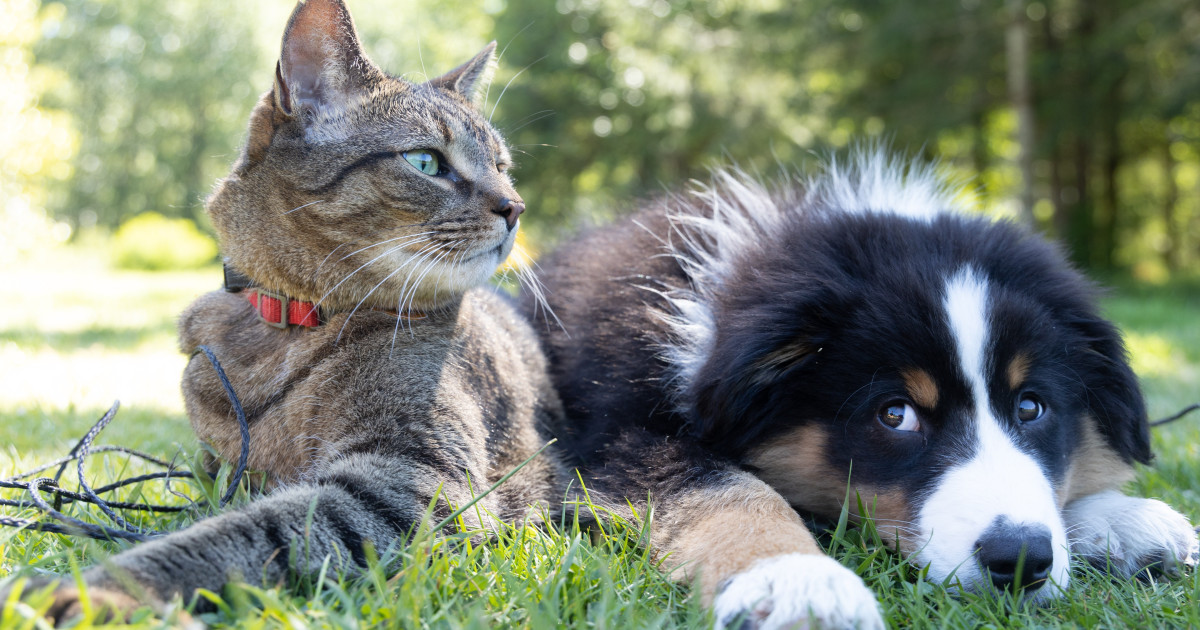
Credit: pethelpful.com
Frequently Asked Questions
Which Dog Breeds Behave Most Like Cats?
Breeds like Basenjis, Shiba Inus, and Afghan Hounds show cat-like independence. They enjoy alone time and groom themselves frequently.
Why Are Some Dogs Compared To Cats?
Some dogs share traits like independence, cleanliness, and quietness. These similarities make them resemble cats in behavior and personality.
Are Cat-like Dogs Good For Apartment Living?
Yes, cat-like dogs often adapt well to apartments. Their low energy and independent nature suit small living spaces.
Do Cat-like Dog Breeds Require Less Attention?
Generally, yes. These breeds need less constant interaction and enjoy solitude, making them easier for busy owners.
Conclusion
Dogs that act like cats offer a unique pet experience. They enjoy quiet time and can be independent. These breeds fit well in calm homes. They often show affection in gentle ways. Choosing such a dog means enjoying the best of both pets.
Consider their personality to find your perfect match. A dog with cat-like traits can bring joy and calm. Think about what suits your lifestyle and home. This way, you get a loving companion who feels just right.




Leave a Reply