Have you ever watched your cat spending what feels like forever licking its fur and wondered just how much time it spends grooming? You might be surprised to learn that grooming is not just a quick clean-up for cats—it takes up a big chunk of their day.
Understanding exactly what percentage of their waking hours cats dedicate to grooming can give you a deeper insight into their behavior and health. Keep reading to discover the fascinating truth about your feline friend’s grooming habits and what it means for their well-being.
Credit: www.petscare.com
Cat Grooming Habits
Cats spend a lot of time grooming themselves. It is a natural and important habit for them. Grooming helps cats stay clean, cool, and healthy. It also reduces stress and strengthens bonds with other cats.
Many cat owners wonder how much time their pets spend grooming each day. Understanding this helps in noticing any changes that might signal health issues.
Daily Grooming Time
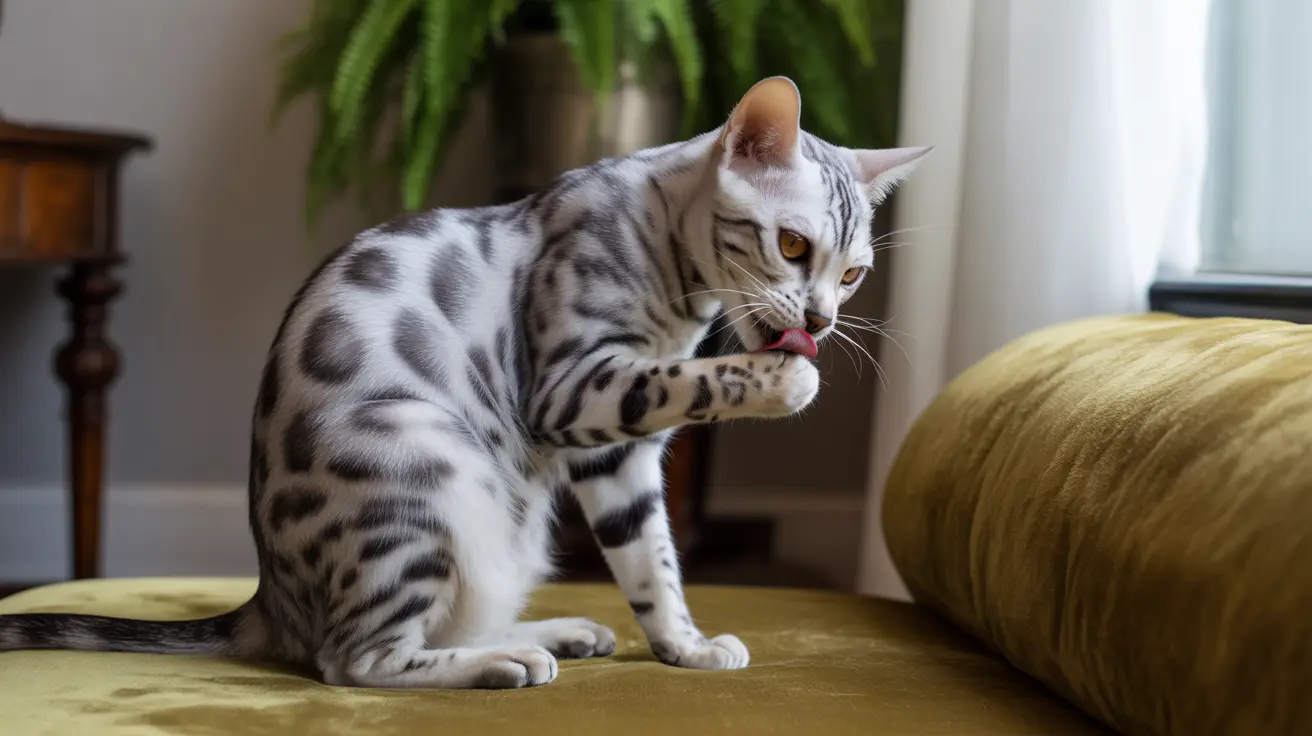
On average, cats spend about 30% to 50% of their waking hours grooming. This means a cat awake for 12 hours may groom for 3 to 6 hours daily. Grooming includes licking their fur, cleaning their paws, and rubbing their face.
Short grooming sessions add up through the day. Cats pause to rest and then continue grooming. This habit keeps their coat smooth and free from dirt.
Factors Influencing Grooming Duration
- Age:Younger cats groom more often than older cats.
- Coat Type:Long-haired cats need more grooming time.
- Health:Sick cats may groom less or more than usual.
- Stress:Stress or anxiety can increase grooming behavior.
- Environment:Outdoor cats might groom more due to dirt exposure.
Changes in grooming habits can signal health or emotional issues. Regular grooming checks help keep cats happy and healthy.
Why Cats Groom So Much
Have you ever watched your cat spending a surprising amount of time licking and cleaning its fur? Cats dedicate a significant portion of their waking hours to grooming, and there are good reasons behind this behavior. Understanding why cats groom so much can help you appreciate your feline friend’s habits and even improve their well-being.
Hygiene And Cleanliness
Grooming is a cat’s primary way of staying clean. By licking their fur, cats remove dirt, loose hair, and parasites like fleas.
This daily routine helps prevent skin infections and keeps their coat smooth and shiny. You might notice your cat focusing on certain spots more than others, especially areas that are harder to reach, like behind the ears or under the legs.
Have you ever wondered why your cat insists on cleaning itself even after a bath? It’s their way of maintaining personal hygiene, which is crucial for their health.
Temperature Regulation
Grooming also plays a role in helping cats control their body temperature. When cats lick their fur, the saliva evaporates, creating a cooling effect similar to sweating in humans.
This natural cooling helps them stay comfortable, especially on warm days. Additionally, grooming fluffs up their fur in colder weather, providing extra insulation.
Next time you see your cat grooming during a hot afternoon, think about how this behavior helps them stay cool without using a fan or air conditioning.
Stress And Comfort
Grooming is not just about physical needs; it’s a powerful way cats manage stress and find comfort. When your cat is anxious or feeling uneasy, grooming can act like a self-soothing ritual.
It helps lower their heart rate and calm their nerves. You might notice increased grooming before a vet visit or when there are changes in their environment.
Have you observed your cat licking itself more when you’re away or during loud noises? This behavior often signals they are trying to comfort themselves.
Comparing Grooming Among Cat Breeds
Understanding how much time cats spend grooming themselves can vary significantly depending on their breed. Each breed has unique grooming needs that affect their daily routines. This section sheds light on how grooming habits differ among cat breeds and what that means for your furry friend.
Long-haired Vs Short-haired Cats
Long-haired cats naturally require more grooming time. Their thick, flowing coats can easily tangle and mat, so they spend a larger portion of their waking hours cleaning themselves.
Short-haired cats, on the other hand, have less fur to maintain. They tend to groom less frequently and for shorter periods, but still keep their coats sleek and clean.
If you have a long-haired cat, you might notice them dedicating up to 30% of their day to grooming. Short-haired cats often spend closer to 10-15%.
Have you ever observed your cat licking a single patch for an unusually long time? That might be a sign of discomfort or a need for extra attention.
Breed-specific Grooming Patterns
- Sphynx:Despite being nearly hairless, Sphynx cats groom extensively to remove oils from their skin.
- Persian:Known for their luxurious coats, Persians invest a large part of their day grooming to prevent mats and keep fur smooth.
- Bengal:Bengals have shorter coats but enjoy grooming sessions that also serve as a way to cool down.
- Maine Coon:With thick, water-resistant fur, Maine Coons spend extra time grooming after outdoor adventures.
Knowing your cat’s breed-specific grooming habits helps you decide when to step in with brushing or bathing. It’s a simple way to keep your cat comfortable and healthy.
What grooming routine suits your cat’s breed the best? Paying attention to their habits can help you provide better care and spot issues early.
Credit: www.latimes.com
Impact Of Age And Health On Grooming
Age and health play a significant role in how much time cats spend grooming themselves. Younger cats often have more energy and flexibility, which helps them maintain their grooming habits. On the other hand, older cats or those with health problems might struggle, causing changes in their grooming patterns that you should watch closely.
Grooming In Kittens And Older Cats
Kittens typically spend less time grooming compared to adult cats because they are still learning the behavior. Their mothers usually help keep them clean in the early weeks. As kittens grow, they gradually increase the time spent grooming, building a habit that usually peaks in adult cats.
Older cats may face challenges that reduce their grooming time. Joint pain or arthritis can make it difficult for them to reach certain areas. You might notice patches of matted fur or dirt, which are signs they need help. Have you checked your senior cat’s grooming habits lately?
Health Issues Affecting Grooming
Various health problems can affect a cat’s ability or desire to groom. Skin conditions like allergies or infections often cause discomfort, leading cats to groom less or over-groom certain areas. Dental pain or obesity can also limit their grooming time and effectiveness.
If you observe a sudden change in your cat’s grooming routine, it might be a signal of an underlying health issue. Regular vet check-ups can help catch problems early, ensuring your cat stays comfortable and clean. What changes in your cat’s grooming behavior have caught your attention recently?
Grooming And Cat Behavior
Cats are known for their meticulous grooming habits, often spending a significant portion of their waking hours ensuring their fur remains clean and pristine. This behavior isn’t just about hygiene; it plays a vital role in their overall well-being and social dynamics. Understanding the nuances of grooming can offer valuable insights into your cat’s health and emotional state.
Grooming As A Social Activity
Did you know that grooming can be a social activity for cats? When cats groom each other, it’s a sign of trust and bonding. This behavior, known as allogrooming, helps strengthen social connections within a cat group.
If you have multiple cats at home, observe how they interact. Cats often groom each other on the head and neck, areas they can’t easily reach themselves. This mutual grooming reinforces the group’s social structure and can even reduce tension among them.
Next time you see your cats grooming each other, know that they’re not just cleaning but also communicating affection and building their relationship.
Signs Of Over-grooming
While grooming is a natural behavior, excessive grooming can signal underlying issues. Cats may over-groom due to stress, allergies, or parasites. It can lead to bald patches or skin irritation, indicating that your cat may need some extra care.
Pay attention to changes in your cat’s grooming habits. If you notice excessive grooming, it could be time to consult a veterinarian. Monitoring your cat’s behavior can help you catch potential problems early, ensuring your feline friend remains healthy and happy.
Understanding the balance between normal grooming and over-grooming is crucial. Are you noticing signs of over-grooming in your cat? Taking prompt action can make a significant difference in their well-being.
How Owners Can Support Grooming
Cats spend a large part of their waking hours grooming. Owners play a key role in keeping their cats clean and healthy. Helping with grooming saves cats time and effort. It also prevents fur matting and skin problems. Simple steps can make grooming easier and more comfortable for cats.
Brushing Techniques
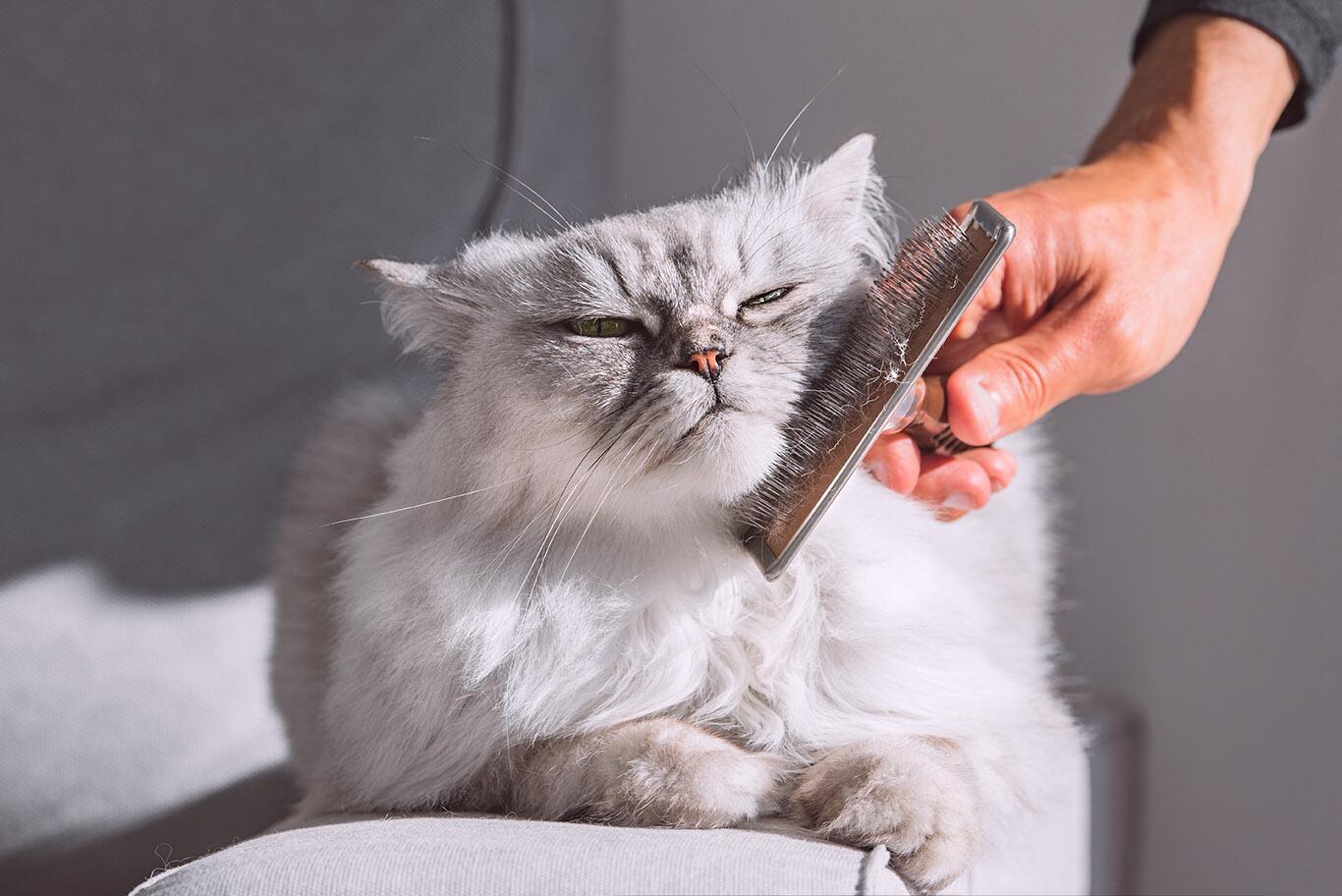
Brushing removes loose hair and dirt. It stops hairballs and mats from forming. Use a brush that fits your cat’s fur type. Soft brushes work well for short hair. Slicker brushes suit long-haired cats better.
- Brush gently in the direction of the fur.
- Use slow, calm strokes to avoid stress.
- Focus on areas cats cannot reach, like the back and neck.
- Brush regularly to keep fur smooth and healthy.
Brushing also helps you check for skin issues or parasites. It strengthens the bond between you and your cat.
When To Consult A Vet
Some grooming issues need veterinary advice. Look for signs like:
- Excessive scratching or biting.
- Hair loss or bald patches.
- Red, swollen, or flaky skin.
- Changes in grooming habits or behavior.
These symptoms might show allergies, infections, or parasites. Early vet visits prevent serious problems. Your vet can recommend special shampoos or treatments. They may also suggest changes in diet or environment.

Credit: www.latimes.com
Frequently Asked Questions
How Much Time Do Cats Spend Grooming Daily?
Cats spend about 30% to 50% of their waking hours grooming themselves. Grooming helps them stay clean and regulate body temperature. It also reduces stress and strengthens social bonds with other cats.
Why Do Cats Groom Themselves So Often?
Cats groom to remove dirt, loose fur, and parasites. Grooming keeps their coat healthy and shiny. It also provides comfort and helps them relax, reducing anxiety and stress.
Does Grooming Time Vary By Cat Breed?
Yes, grooming time can vary by breed and individual personality. Long-haired cats generally groom more to prevent matting. Short-haired cats spend less time but still groom regularly.
Can Excessive Grooming Indicate Health Problems?
Yes, excessive grooming can signal stress, allergies, or skin issues. If a cat grooms too much, it may cause bald spots or sores. Consult a vet to diagnose and treat underlying problems.
Conclusion
Cats spend a surprising amount of time grooming each day. This behavior keeps their fur clean and healthy. Grooming also helps cats relax and feel safe. Knowing this helps us understand our pets better. Next time you see a cat cleaning itself, remember it’s more than just habit.
It’s a vital part of their daily routine. Watching a cat groom shows how they care for themselves. Their time spent grooming is a key part of their well-being.




Leave a Reply