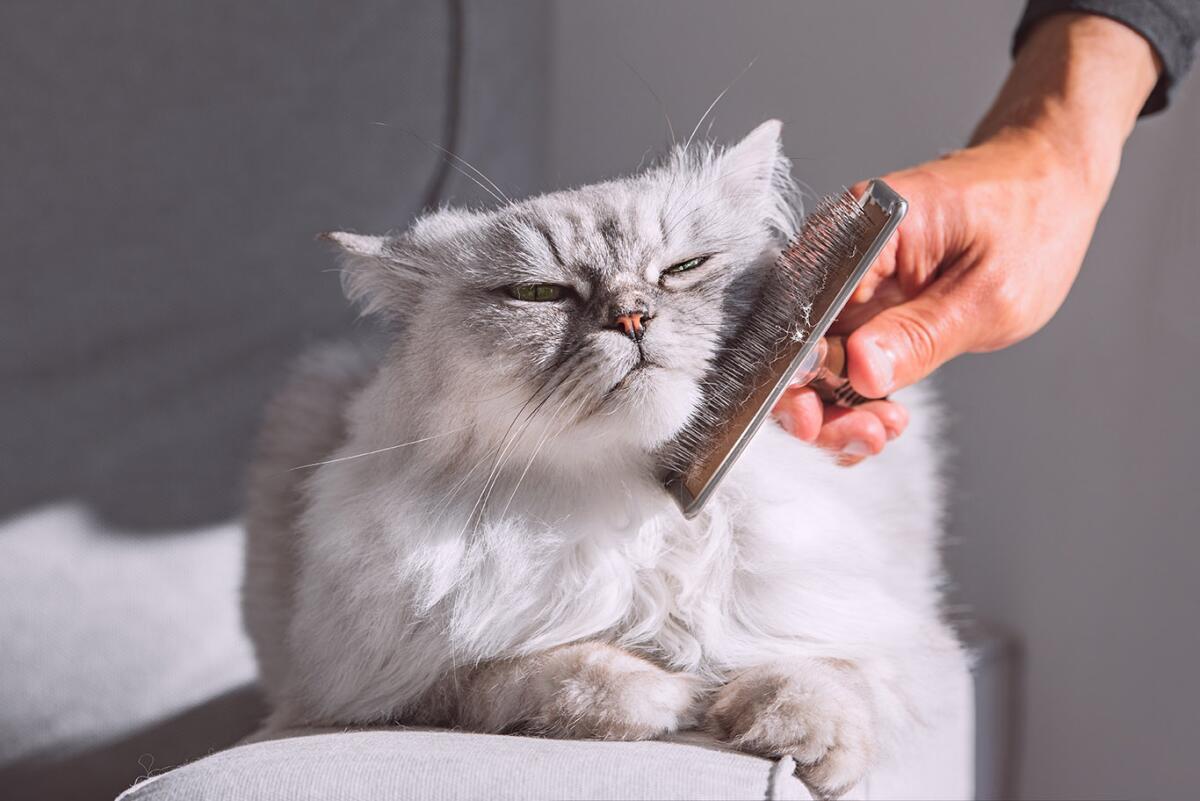
Have you ever wondered if your cat really needs grooming? You might think cats take care of themselves, but there’s more to it than just a quick lick.
Grooming your cat can keep them healthy, comfortable, and looking their best. But how do you know if your furry friend actually needs it? You’ll discover the signs to watch for, the benefits of professional grooming, and how to make the experience stress-free for both you and your cat.
Keep reading to find out if grooming is the right choice for your beloved pet.
Benefits Of Cat Grooming
Grooming your cat goes beyond just keeping them looking neat. It plays a key role in maintaining their overall health and comfort. By investing time in grooming, you can help your cat feel better and even catch potential problems early.
Improved Coat Health
Regular grooming removes dirt, debris, and dead hair from your cat’s coat. This helps prevent mats and tangles that can be painful or lead to skin infections. You’ll notice their fur becomes shinier and softer, making your cat more comfortable and pleasant to pet.
Reduced Shedding
Shedding can be a challenge, especially if your cat leaves hair everywhere. Grooming cuts down loose fur before it falls around your home. This means less cleaning for you and fewer hairballs or clogged digestive tracts for your cat.
Early Detection Of Health Issues
While grooming, you get a close look at your cat’s skin and body. This can help you spot lumps, bumps, or wounds early on. Catching these signs sooner can lead to quicker vet visits and better outcomes for your furry friend.
)
Credit: www.northroadvet.com.au
Signs Your Cat Needs Grooming
Knowing when your cat needs grooming is key to keeping them healthy and happy. Cats may hide discomfort well, so spotting signs early helps you act before problems worsen. Pay attention to changes in their coat and behavior to decide if grooming is due.
Matted Fur And Tangles
Have you noticed clumps of fur that just won’t lie flat? Matted fur happens when loose hair gets tangled and sticks together. It can pull painfully on your cat’s skin and trap dirt or moisture, leading to infections.
Long-haired cats are especially prone to mats, but even short-haired breeds can develop tangles. Regular brushing helps, but if mats form, professional grooming might be necessary. Don’t wait until your cat shows signs of distress—check their coat often to catch mats early.
Excessive Scratching
If your cat is scratching more than usual, it could mean their coat needs attention. Scratching might signal itchy skin caused by dirt buildup, fleas, or dry patches hidden under fur. Grooming helps remove irritants and soothe the skin.
Watch for red spots or scabs where scratching is intense—these need prompt care. Sometimes a grooming session uncovers skin issues you didn’t know were there. Have you seen your cat scratching until fur falls out? That’s a clear sign it’s grooming time.
Unpleasant Odors
Cats usually groom themselves well and smell clean. If you notice an odd or unpleasant odor, it often means their fur is dirty or their skin has an underlying issue. Odors can come from trapped oils, food residue, or infections.
Regular grooming removes these smells by cleaning fur and skin. If the odor persists despite grooming, it’s wise to consult a vet. Have you ever been surprised by a sudden bad smell from your cat? That’s a hint they might need grooming or a health check.
Types Of Cat Grooming Services
Understanding the different types of cat grooming services can help you decide what your furry friend truly needs. Grooming isn’t just about keeping your cat looking good; it’s about their health and comfort too. Let’s break down some common grooming options that can make a big difference in your cat’s daily life.
Brushing And Dematting
Regular brushing removes loose fur and prevents hairballs. It also stops painful mats from forming, especially in long-haired cats. If your cat already has mats, dematting tools or professional help can gently untangle those knots without hurting them.
Have you noticed your cat scratching a lot or pulling at its fur? It might be time to add brushing sessions to their routine. This simple step can reduce shedding and keep your cat’s coat shiny and healthy.
Bathing And Drying
Most cats groom themselves well, but occasional baths can help if your cat gets into something sticky or dirty. Use a gentle, cat-specific shampoo to avoid skin irritation.
Drying your cat carefully after a bath is crucial. Some cats tolerate towel drying, while others may need a low-heat blow dryer. Have you thought about how your cat reacts to water and drying? Their comfort should always come first.
Nail Trimming And Ear Cleaning
Keeping your cat’s nails trimmed prevents damage to furniture and reduces the risk of painful nail breaks. Trimming nails regularly also helps if your cat spends time outdoors, avoiding snags on plants or fabrics.
Ear cleaning is often overlooked but important to avoid infections. Use a vet-recommended cleaner and a soft cloth or cotton ball—never insert anything deep into your cat’s ear canal. When was the last time you checked your cat’s ears for dirt or wax buildup?
Diy Grooming Tips For Owners
Grooming your cat at home can be a rewarding experience for both of you. It helps maintain their coat, reduces shedding, and strengthens your bond. But how do you start? Here are some practical tips to make DIY grooming easier and more enjoyable.
Choosing The Right Tools
Pick tools that match your cat’s fur type. Short-haired cats usually need a soft-bristle brush, while long-haired cats benefit from a slicker brush or a wide-toothed comb.
Invest in a quality nail clipper designed specifically for pets. Avoid using human nail clippers as they can crush your cat’s nails.
Keep grooming wipes or pet-safe shampoo handy for occasional baths. Having everything ready before you start prevents interruptions.
Creating A Calm Environment
Find a quiet, comfortable spot where your cat feels safe. Avoid busy areas or loud noises that can make your cat nervous.
Try grooming after playtime or a meal when your cat is relaxed. Speaking softly and offering treats can help keep them calm.
Remember, your mood affects your cat’s behavior. Stay patient and gentle, even if your cat resists at first.
Step-by-step Grooming Routine
- Start by gently brushing your cat’s fur, moving in the direction it grows. Focus on small sections to avoid overwhelming them.
- Check for mats or tangles and carefully work them out with a comb or your fingers. Don’t pull hard—this can hurt your cat.
- Trim nails by pressing the paw pads to extend the claws, then clip the sharp tips. Avoid cutting the pink part, known as the quick.
- Wipe your cat’s face and ears with a damp cloth or grooming wipe. Be gentle and avoid going deep into the ears.
- End the session with praise and a favorite treat. Positive reinforcement makes future grooming easier.
Have you noticed how your cat reacts to grooming? Adjust your approach based on their comfort level, and you’ll both look forward to these moments more.
When To Seek Professional Groomers
Regular grooming keeps a cat’s coat healthy and clean. Consider professional grooming if your cat’s fur mats easily or sheds heavily. Expert groomers handle cats that resist home grooming, ensuring a stress-free experience for your pet.
When you consider getting your cat groomed, it’s important to know when professional help is needed. While basic grooming can often be done at home, certain situations call for the expertise of a professional groomer. Understanding these scenarios will not only ensure your cat looks its best but also stays healthy and comfortable.Handling Difficult Cats
Some cats don’t take kindly to being groomed. If your cat is particularly feisty or anxious, it might be best to rely on a professional. Groomers have the experience to calm even the most difficult cats, reducing stress for both you and your pet. Have you ever tried trimming your cat’s nails only to end up with scratches and a very upset feline? Professionals are trained to handle such situations safely and efficiently. They have the right tools and techniques to manage a cat’s temperament, ensuring a smoother grooming experience.Specialized Grooming Needs
Certain breeds have specific grooming requirements. Long-haired cats like Persians or Maine Coons may need regular trimming to prevent matting. If your cat has a skin condition or requires special shampoos, a groomer can provide the care needed. Think about your cat’s coat and any unique needs it might have. Are you equipped to handle them all? Professional groomers can tailor their services to meet these specialized needs, ensuring your pet receives the best possible care.Safety Considerations
Safety is paramount during grooming. Professionals know how to groom cats without causing injury, especially in sensitive areas like ears and paws. They are also equipped to spot potential health issues such as skin infections or parasites. Would you recognize the signs of an underlying health issue while grooming? A professional might notice something you could easily miss. This can lead to early detection and treatment, keeping your cat healthier in the long run. Engage with a professional groomer to address these specific needs. It’s an investment in your cat’s well-being, ensuring they are clean, happy, and safe.
Credit: www.angiesmobilepetstyling.com
Grooming Frequency Recommendations
Knowing how often to groom your cat depends largely on their coat type and individual needs. Regular grooming keeps your cat comfortable and healthy, but the frequency can vary widely. Understanding the right schedule helps prevent mats, reduces shedding, and keeps your cat’s skin in good condition.
Short-haired Cats
Short-haired cats usually need less grooming, often once every two weeks is enough. Their sleek coats don’t tangle easily, so brushing helps remove loose fur and reduce hairballs. If your cat loves the attention, you might find they enjoy more frequent sessions, which can also strengthen your bond.
Long-haired Cats
Long-haired cats require more attention—ideally, you should groom them daily or at least three times a week. Their fur is prone to mats and tangles that can cause discomfort or skin problems. If you’ve ever struggled to untangle a knot, you know why keeping up with grooming matters so much.
Senior And Special Needs Cats
Older cats or those with special needs might need grooming more often, even if they have short hair. They may struggle to groom themselves properly due to arthritis or other health issues. Regular grooming can help you spot problems early and keep their skin and coat healthy while providing gentle care they might not get otherwise.
Common Grooming Mistakes To Avoid
Grooming your cat can improve their health and happiness. Avoiding common mistakes makes grooming easier and safer. Knowing what to avoid helps prevent stress and injury. Here are some common grooming mistakes to watch out for.
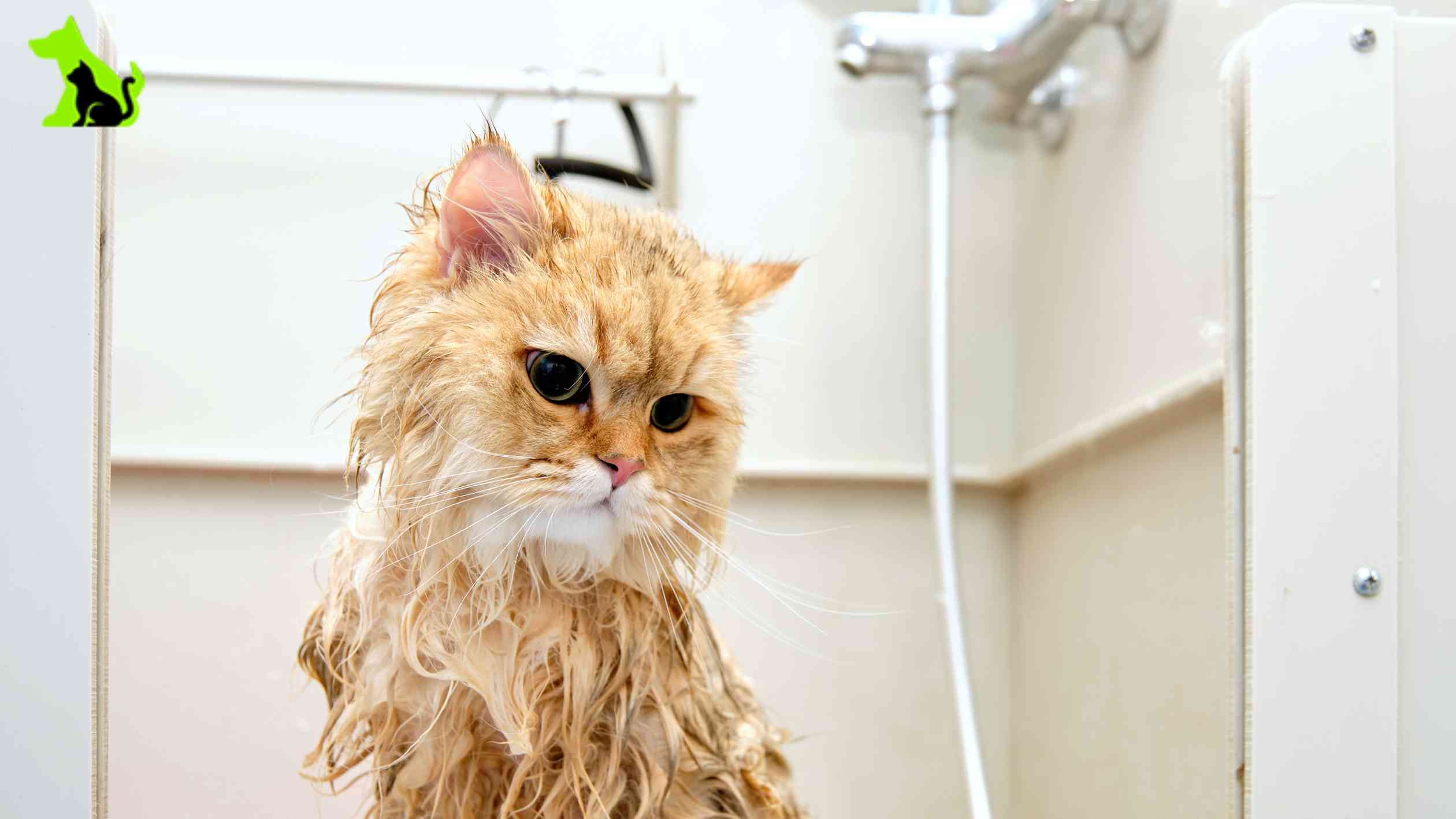
Overbathing
Cats naturally clean themselves. Bathing too often removes natural oils. This can dry out their skin and coat. Bathing once every few months is usually enough. Use cat-specific shampoos that are gentle on skin.
Using Improper Tools
Wrong tools can hurt your cat’s skin. Avoid using human brushes or combs. Choose brushes designed for your cat’s fur type. Soft bristles work well for short hair. Long-haired cats need wide-toothed combs to prevent tangles.
Ignoring Behavioral Signs
Cats show when they feel uncomfortable. Look for signs like growling, hissing, or struggling. Stop grooming if your cat becomes stressed. Gentle handling builds trust and makes grooming easier later. Take breaks to keep your cat calm.
Credit: hellopetsinc.com
Frequently Asked Questions
Why Is Regular Cat Grooming Important?
Regular cat grooming prevents matting, reduces shedding, and improves skin health. It also helps spot health issues early. Grooming keeps your cat comfortable and enhances its overall hygiene.
How Often Should I Groom My Cat?
Frequency depends on your cat’s coat type. Long-haired cats need grooming weekly, while short-haired cats benefit from monthly sessions. Regular grooming maintains a healthy, clean coat and reduces hairballs.
Can Professional Grooming Help My Cat’s Health?
Yes, professional groomers can safely remove mats and debris. They also check for skin problems and parasites. Grooming salons use specialized tools that keep your cat healthy and comfortable.
What Are The Benefits Of Grooming For Cats?
Grooming reduces hairballs, prevents infections, and keeps fur shiny. It also strengthens the bond between you and your cat. A well-groomed cat is happier and healthier overall.
Conclusion
Cats feel better with regular grooming. It helps keep their fur clean and healthy. Grooming also prevents mats and skin problems. Some cats enjoy the extra attention and care. Not all cats need professional grooming, but many benefit from it.
Watch your cat’s behavior and fur condition to decide. Regular brushing at home also helps a lot. Choose the best option based on your cat’s needs. Taking time for grooming shows you care for your pet. A happy, well-groomed cat is a joy to have.




Leave a Reply