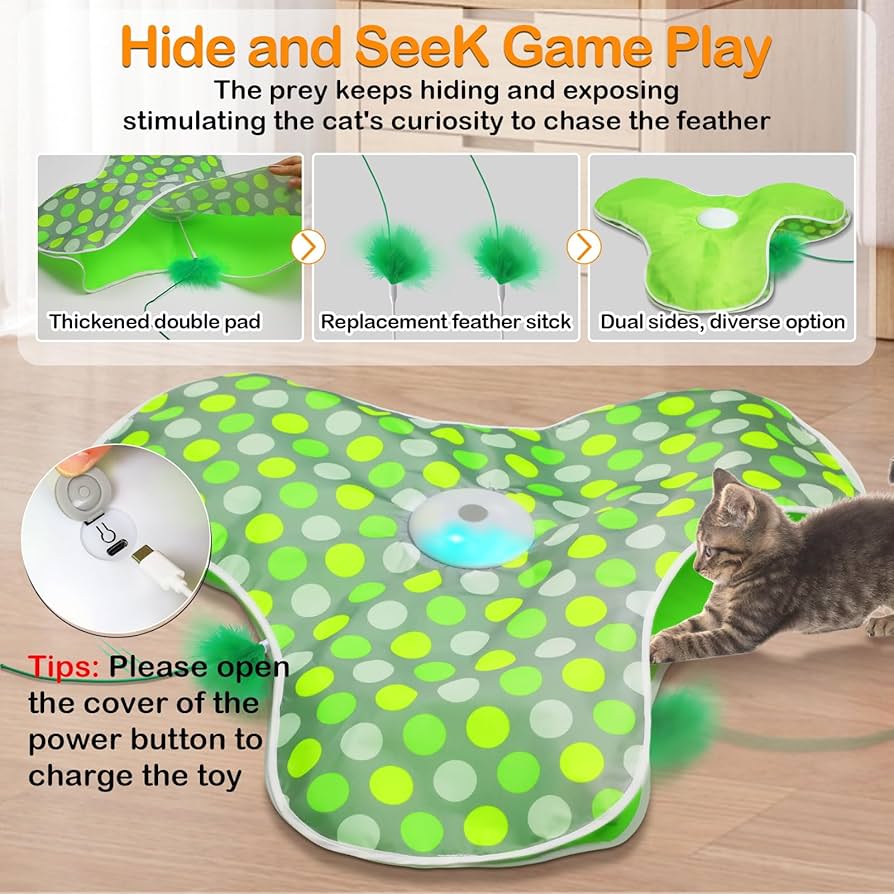
Have you ever noticed your cat’s favorite toy suddenly vanish without a trace? One moment it’s right there, and the next, it’s nowhere to be found.
You might wonder, “How can my cat’s toy disappear like that? ” It’s a mystery that puzzles many cat owners. But don’t worry—there are simple reasons behind this disappearing act. Keep reading, and you’ll discover the surprising ways your cat’s toy can vanish and what you can do to keep playtime going strong.
Common Hiding Spots
Cats have a talent for hiding toys in surprising places. These spots keep their treasures safe and out of sight. Knowing where cats like to stash toys helps find lost items faster. Common hiding spots include under furniture, inside closets, and behind appliances. Each area offers cozy, quiet places perfect for a cat’s secret stash.
Under Furniture
Under beds, sofas, and chairs are favorite hiding spots. Cats slip their toys into these dark, narrow spaces. Toys often get pushed under by paws during play. Dust bunnies and lost socks may also hide there. A flashlight and a long stick can help retrieve toys from here.
Inside Closets
Closets provide quiet corners where cats feel safe. Toys may be tucked behind clothes or shoes. Cats may also drag toys into boxes or baskets stored inside. Checking closets means searching low shelves and behind hanging items. This spot often surprises owners with hidden treasures.
Behind Appliances
Behind refrigerators, washing machines, and dryers are common hiding places. These areas are dark and seldom disturbed. Cats enjoy the warmth and seclusion found here. Toys may slide behind or get stuck in small gaps. Careful inspection and gentle pulling can recover toys from these spots.

Credit: deziroo.com
Cat Behavior Insights
Understanding why your cat’s toy disappears can feel like solving a small mystery. Cats have unique behaviors that often explain this puzzling habit. By learning about their instincts and play styles, you’ll get clues on where those missing toys really go.
Stashing Toys
Many cats hide their toys as a way to keep them safe. This behavior mimics how wild cats stash prey for later. You might find toys tucked under furniture, inside boxes, or even in unexpected places like your shoes.
Have you checked behind curtains or under cushions? Your cat could be creating a secret toy stash. This habit shows their natural desire to protect and collect valued items.
Hunting Instincts
Your cat’s disappearing toy often relates to their strong hunting instincts. Cats like to “capture” toys and carry them off as if they were real prey. This can mean dragging toys to quiet spots where they feel safe to “consume” their catch.
Notice how your cat might bring toys to their favorite resting area. This is their way of completing the hunt. Next time your toy vanishes, try following your cat’s trail—it might lead you to their hidden treasure.
Play Patterns
Cats have different play routines that influence where toys end up. Some prefer quick bursts of chasing and then drop toys abruptly. Others play more methodically, carrying toys around before settling down.
Observing your cat’s play style can help predict where toys disappear. Do they like to toss toys in the air or bat them under furniture? Adjusting the type of toy to fit their play pattern can reduce the “disappearing act.”
Household Causes
Your cat’s toy disappearing act might feel like magic, but often, the cause lies within your own home. Household factors play a big role in where those elusive toys end up. Understanding these causes can help you track down your cat’s favorite playthings faster.
Other Pets’ Involvement
If you share your home with other pets, they might be the secret culprits. Dogs, other cats, or even smaller animals like rabbits can grab toys and stash them in unexpected spots. I once found my cat’s mouse toy buried in the dog’s bed—proof that pets often “borrow” toys.
Watch how your pets interact during playtime. Do they chase each other with toys? Do any of them carry toys away? Keeping an eye on their behavior can give you clues about where the toys vanish.
Family Members Moving Toys
It’s easy for family members to unintentionally relocate your cat’s toys while tidying up or playing. I noticed my partner often picked up toys thinking they were clutter. A quick chat about leaving the toys in a designated spot helped us avoid future disappearances.
Encourage everyone in your household to be mindful of where the toys are left. Creating a specific storage box or basket for your cat’s toys can prevent accidental moves and keep everything in one place.
Accidental Disposal
Sometimes, toys vanish because they end up in the trash without you realizing it. I once threw out a bag of laundry with a toy stuck inside a sock. It’s easy to overlook small items during cleaning or decluttering.
Before tossing out laundry, bags, or boxes, double-check for any toys hidden inside. You might even find a few “lost” toys hiding in plain sight.
Tips To Find Lost Toys
Cats often hide toys in small, secret spots around the house. Checking under furniture and inside boxes can help you find them quickly. Toys may also get stuck in unusual places, so search carefully in every room.
Finding your cat’s lost toy can be challenging. Cats often hide their toys in unexpected places. Here are some practical tips to help you track them down.Using Scent Trails
Cats have a strong sense of smell. Use this to locate lost toys. Rub a familiar item with your scent on it. Place it near areas where your cat often plays. The scent may guide them to the hidden toy.Setting Toy Traps
Create simple traps to catch lost toys. Use boxes or baskets placed in common play areas. Toys often fall into these containers. Check them regularly. You may find a hidden treasure.Regular Toy Checks
Regularly check your cat’s favorite hiding spots. Under the couch, in corners, or behind furniture. Make it a routine. Keep a list of places where toys often disappear. This will help you stay organized.Preventing Future Disappearances
Keeping your cat’s toys from disappearing can be simple. A few smart habits can make a big difference. Organizing toys, choosing the right kind, and setting playtimes help keep toys in sight. These steps also keep your cat happy and engaged.
Organized Toy Storage
Use a dedicated box or basket for your cat’s toys. Place it where your cat plays most. Teach your cat to bring toys back after play. Keep the toy area neat to avoid losing small items. Regularly check for broken or missing toys and replace them.
Interactive Toy Selection
Pick toys that catch your cat’s interest and are easy to find. Avoid very small toys that can get lost under furniture. Choose toys with bright colors or sounds. Toys that move or make noise keep your cat active and less likely to hide them. Rotate toys to keep playtime fresh and exciting.
Scheduled Playtime
Set regular times for play every day. Use this time to engage with your cat and their toys. After playtime, encourage your cat to return toys to their storage spot. Consistent play helps your cat feel secure and less likely to hide toys. It creates a fun routine for both of you.

Credit: www.yahoo.com

Credit: www.amazon.com
Frequently Asked Questions
Why Do My Cat’s Toys Suddenly Disappear?
Cats often hide their toys in secret spots as part of play. They may stash toys under furniture or inside small spaces. This behavior mimics hunting instincts. Toys can also fall behind or under household items. Regularly check these areas to find missing toys.
Can Cats Lose Interest In Their Toys Quickly?
Yes, cats can lose interest if toys become repetitive or boring. Rotating toys and introducing new ones keeps playtime engaging. Different textures and sounds attract their attention. Providing interactive toys stimulates their hunting instincts and prevents boredom.
How Can I Prevent My Cat’s Toys From Disappearing?
Keep toys in a designated box or basket after play. Use storage solutions that are easily accessible for both you and your cat. Regularly clean and check play areas to retrieve lost toys. This reduces the chances of toys getting misplaced or lost.
Do Cats Hide Toys To Show Affection?
Cats sometimes hide toys to impress or bond with their owners. It’s a playful gesture reflecting their natural instincts. They may also share their ‘prey’ as a sign of trust. Understanding this behavior strengthens your connection with your pet.
Conclusion
Cats often hide their toys in secret spots. They enjoy playing hide and seek with you. Toys can slip under furniture or get stuck in corners. Sometimes, cats carry toys to quiet places to rest. Checking small spaces can help find missing toys fast.
Keep watching your cat’s favorite spots to keep toys safe. Remember, disappearing toys make playtime more fun and interesting. Stay patient and enjoy the little surprises your cat brings. Toys may vanish, but the fun never ends.



Leave a Reply