Have you ever wondered if your cat needs to be sedated before a grooming session? If you’re worried about your furry friend’s comfort and safety, you’re not alone.
Many pet owners ask, “Does a groomer sedate cats? ” Understanding when and why sedation might be used can help you feel more confident about your cat’s next grooming visit. Keep reading to discover the facts behind sedation, what to expect, and how to ensure your cat stays calm and happy.
Credit: www.petscare.com
Reasons For Cat Sedation
Cat sedation during grooming is a topic that often raises questions. Understanding why sedation might be necessary helps you make informed decisions for your pet’s well-being. Sedation is not taken lightly; it’s used carefully to ensure safety and comfort.
Handling Aggressive Behavior
Some cats become aggressive when groomed, making the process dangerous for both the cat and the groomer. Sedation helps calm the cat, reducing the risk of bites and scratches. Have you ever noticed your cat’s mood shift suddenly during grooming? That’s often a sign that sedation might be needed to keep things safe.
Managing Anxiety And Stress
Cats are sensitive creatures who can get very anxious during grooming sessions. Sedation can ease this stress, helping the cat stay relaxed throughout. If your cat hides or panics the moment a brush appears, sedation could make grooming less traumatic for them.
Facilitating Complex Grooming Tasks
Some grooming jobs require more time and precision, like trimming matted fur or cleaning sensitive areas. Sedation allows the groomer to work thoroughly without causing your cat discomfort or distress. When your cat needs extra care, sedation can be the key to a safer and more effective grooming experience.

Credit: www.catcarevet.ca
When Groomers Use Sedation
Sometimes, grooming a cat can be a challenge. Cats with thick mats, extreme anxiety, or medical conditions might not cooperate during a grooming session. In such cases, sedation becomes a tool to ensure the safety and comfort of both the cat and the groomer.
Veterinary Approval And Supervision
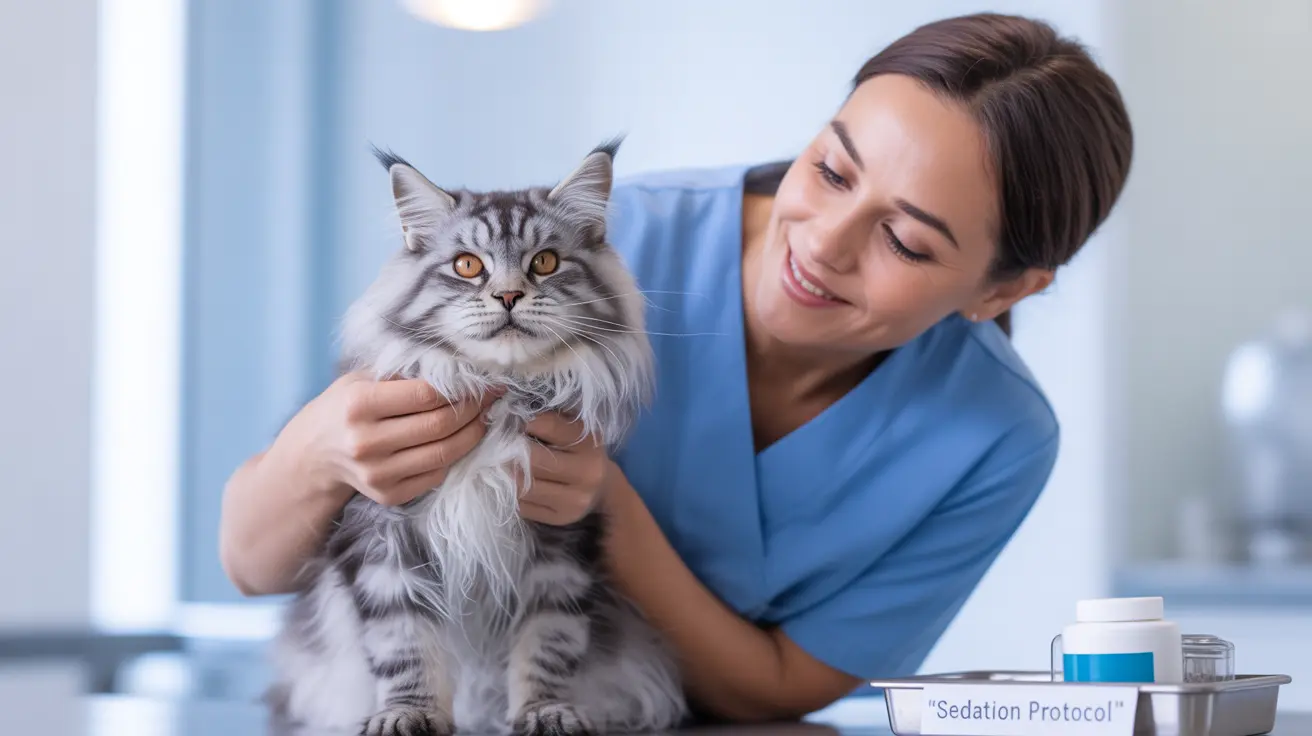
Groomers don’t decide on sedation lightly. It’s essential that a veterinarian evaluates the cat first to approve sedation. This ensures the cat’s health condition supports the use of sedatives, reducing risks during grooming.
During sedation, a vet’s supervision or clear instructions are often necessary. This professional oversight helps monitor the cat’s vital signs and manage any unexpected reactions. Have you ever wondered who takes responsibility if something goes wrong without vet involvement?
Types Of Sedatives Used
The sedatives used are typically mild and short-acting, designed to calm without full anesthesia. Common options include drugs like gabapentin or low doses of benzodiazepines, which help relax your cat without heavy sedation.
Each sedative is chosen based on the cat’s size, health, and temperament. Your groomer or vet will explain the specific medication and why it suits your pet’s needs. It’s important you understand the effects and any aftercare required.
Safety Precautions
Safety is the top priority when sedation is involved. Groomers ensure proper dosage and monitor the cat closely throughout the process. They keep emergency equipment and medications on hand in case of adverse reactions.
After grooming, your cat needs a quiet space to recover, free from stress or sudden movements. You should watch for signs like prolonged drowsiness or breathing difficulties and contact your vet if anything seems unusual. Would you feel comfortable knowing your cat is monitored so carefully during sedation?
Alternatives To Sedation
Sedation might seem like the easiest solution for grooming a restless cat, but it’s not the only choice. Many cat owners and groomers prefer gentler ways to keep cats calm and cooperative. These alternatives help reduce stress without the risks that come with sedation.
Calm Environment Techniques
Creating a calm space can make a big difference in your cat’s behavior. Soft lighting and quiet surroundings help your cat feel safe. Playing gentle music or using a white noise machine can mask startling sounds that trigger anxiety.
Think about your own experience—do you feel more relaxed in a peaceful room? Your cat does too. Try keeping the grooming area free from sudden noises and distractions to keep your cat settled.
Behavioral Training
Training your cat to accept grooming gradually builds trust and reduces fear. Start with short sessions, rewarding your cat with treats and praise. Over time, increase the length of grooming while keeping it positive.
Have you noticed how patience pays off? Cats often respond well to slow, consistent training. You can teach your cat to tolerate brushing or nail clipping without needing sedation.
Use Of Mild Calming Products
Mild calming products offer a safe way to soothe your cat before grooming. Options like pheromone sprays, calming collars, or herbal supplements can ease nervousness. These products work by signaling your cat’s brain to relax.
Always check with your vet before trying new products. Some cats respond better to one product than another, so it might take some experimentation to find what works best for your furry friend.
Risks And Considerations
Sedating a cat before grooming involves careful thought. It is not a simple decision. Sedation can help calm anxious or aggressive cats. Yet, it carries risks that owners and groomers must understand.
Knowing the possible side effects, health checks needed, and legal issues helps keep cats safe. This section explains key risks and points to consider when sedation is an option.
Possible Side Effects
- Drowsiness lasting several hours
- Loss of coordination and balance
- Vomiting or nausea
- Changes in heart rate or breathing
- Allergic reactions in rare cases
Side effects vary depending on the cat’s size, age, and health. Close monitoring during and after sedation is essential.
Health Screening Before Sedation
Not all cats can safely undergo sedation. A vet should examine the cat first. This exam checks for:
- Heart and lung health
- Kidney and liver function
- Any signs of infection or illness
- Age and weight suitability
Health screening reduces the risk of complications during sedation. It guides the choice of sedative and dosage.
Legal And Ethical Concerns
Rules about sedating pets vary by location. Only licensed professionals should administer sedatives. Groomers must follow these legal standards.
Ethically, sedation should only be used if necessary. The cat’s welfare must always come first. Alternatives like gentle handling and training are preferred.
How To Prepare Your Cat
Some groomers may sedate cats to keep them calm during grooming, but it is not common practice. Always discuss sedation options with the groomer beforehand. Preparing your cat with gentle handling and familiarizing them with grooming tools can reduce stress.
Preparing your cat for a grooming session can significantly ease the process for both you and your feline friend. Cats are known for their sensitive nature, and a grooming experience can be overwhelming without the right preparation. Understanding how to properly prepare your cat can lead to a smoother experience and ensure your pet remains calm and stress-free.Communicating With Your Groomer
Start by having an open conversation with your groomer about your cat’s needs and temperament. Share any past grooming experiences, whether positive or negative, to provide context. This dialogue ensures that the groomer is aware of any specific concerns or requests you may have. Inquire about the sedation policies at the grooming facility. Knowing whether or not sedation is used can help you make informed decisions. If sedation is necessary, discuss the methods and safety measures involved.Pre-grooming Health Checks
Before heading to the groomer, conduct a basic health check on your cat. Look for any signs of distress, such as excessive scratching, ear discharge, or unusual lumps. Address these issues with your veterinarian to rule out underlying health problems. Ensure your cat’s vaccinations are up to date. This not only protects your pet but also other animals at the grooming salon. A healthy cat is more likely to have a positive grooming experience.Post-grooming Care Tips
Once the grooming session is over, pay close attention to your cat’s behavior and comfort level. Offer a calm and quiet space for your cat to relax and recover from the experience. This helps in reducing any stress that might have built up during the session. Monitor for any signs of discomfort or allergic reactions to grooming products. If you notice anything unusual, contact your veterinarian immediately. Providing treats or favorite toys can also help in making the post-grooming period more pleasant for your furry friend.Choosing The Right Groomer
Choosing the right groomer for your cat is important for a safe and stress-free grooming experience. Not all groomers handle cats the same way. Knowing what to look for helps ensure your cat’s comfort and health during grooming sessions.
Qualifications And Experience
Check if the groomer has proper training in cat grooming. Experience with cats is very different from dogs. Skilled groomers understand cat behavior and handle nervous or aggressive cats carefully. Ask about certifications or courses related to pet grooming. Professionals often update their knowledge to use the best grooming methods.
Reputation And Reviews
Look at reviews from other cat owners. Positive feedback shows trust and good service. Negative reviews might reveal problems like rough handling or poor hygiene. Talk to friends or local vets for recommendations. A groomer with a strong reputation is more likely to treat your cat well.
Emergency Protocols
Grooming can sometimes cause unexpected issues. A good groomer has clear emergency plans. They should have first aid training and quick access to a vet. Ask about how they handle medical emergencies. Knowing this gives peace of mind that your cat is in safe hands.

Credit: services.petsmart.com
Frequently Asked Questions
Do Groomers Sedate Cats During Grooming Sessions?
Most groomers do not sedate cats. Sedation is only used if a cat is extremely anxious or aggressive. A vet usually administers sedation, not the groomer.
When Is Cat Sedation Necessary For Grooming?
Sedation is necessary if a cat is highly stressed or poses a safety risk. It helps ensure a calm and safe grooming experience.
Can I Request Sedation For My Cat’s Grooming?
You can request sedation, but it requires a vet’s approval. Groomers typically avoid sedation unless absolutely needed for safety.
Are Sedatives Safe For Cats During Grooming?
Sedatives are safe when prescribed by a veterinarian. Proper dosage and monitoring minimize risks during grooming sessions.
Conclusion
Groomers usually avoid sedating cats during grooming. Sedation happens only if a vet recommends it for safety. Most cats stay calm with gentle care and patience. Knowing this helps owners prepare their pets better. Always talk to your groomer about your cat’s needs.
A calm cat means a smooth grooming experience for everyone. Trust and care make grooming easier and safer.




Leave a Reply