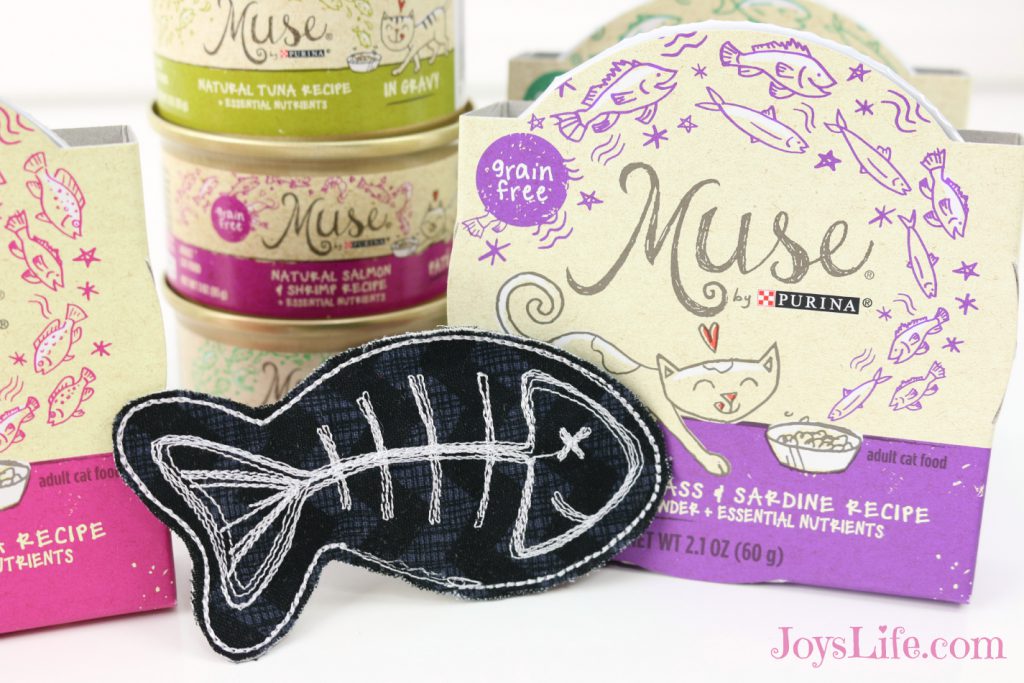
Are you worried about the safety of the toys your cat plays with every day? You want to keep your furry friend happy and entertained, but not at the cost of their health.
Making non-toxic cat toys at home is easier than you think, and it gives you full control over what your cat interacts with. In this guide, you’ll discover simple, safe, and fun ways to create toys that your cat will love—and you’ll feel great knowing they’re completely safe.
Ready to make your cat’s playtime both fun and healthy? Let’s get started!
Credit: www.tippaws.com
Why Choose Non Toxic Cat Toys
Choosing non toxic cat toys is more than just a trend; it’s a choice that directly affects your cat’s health and happiness. Many toys contain harmful chemicals that can cause serious issues over time. Understanding why you should opt for safer alternatives helps you protect your furry friend and the environment.
Health Risks Of Toxic Materials
Toys made from cheap plastics or fabrics often contain chemicals like BPA, phthalates, or lead. These substances can cause allergic reactions, digestive problems, or even long-term organ damage in cats.
Imagine your cat chewing on a toy that slowly releases toxins—it’s a hidden danger you might not notice until health problems arise. You want to avoid exposing your pet to risks that could have been prevented with safer materials.
Benefits For Your Cat’s Wellbeing
Non toxic toys offer peace of mind and promote natural play behavior without the risk of poisoning or irritation. Cats are curious by nature, and they explore toys with their mouths and paws, so safe materials make their playtime worry-free.
Using natural fibers like cotton or untreated wood not only keeps your cat safe but also supports their mental and physical health. Have you noticed how your cat relaxes after playing with a simple, safe toy? That’s wellbeing in action.
Environmental Impact
Many toxic cat toys are made from non-biodegradable plastics that harm the planet after disposal. Choosing non toxic toys often means choosing eco-friendly materials that break down naturally and reduce landfill waste.
Your choice affects not just your cat but the environment they live in. Wouldn’t you prefer toys that are safe for your pet and gentle on the Earth?
Safe Materials For Diy Cat Toys
Choosing the right materials is essential when making non toxic cat toys. Your cat’s safety depends on it. Using safe, natural, and non toxic materials helps you avoid health risks and ensures your furry friend enjoys playtime without harm.
Natural Fabrics And Fibers
Natural fabrics like cotton, wool, and linen are excellent choices for DIY cat toys. They are soft, breathable, and free from harmful chemicals often found in synthetic materials. Plus, many cats love the texture of natural fibers—it feels more like their natural environment.
Organic cotton is especially safe because it’s grown without pesticides. Wool is great too, but make sure it’s untreated and clean. Avoid fabrics with synthetic blends or chemical finishes that might irritate your cat’s skin or cause allergies.
Non Toxic Paints And Dyes
If you want to add color or designs to your cat toys, pick non toxic paints or dyes. Water-based, plant-based, or food-grade options are best. These paints dry quickly and don’t release harmful fumes.
Avoid oil-based or solvent-based paints—they can be toxic if ingested. You can also use natural dyes made from vegetables like beetroot or turmeric to create gentle, safe colors. Have you tried coloring toys with beet juice? It’s simple and safe!
Household Items To Avoid
Not everything in your home is safe for making cat toys. Avoid items with small parts that can break off and cause choking. Plastic beads, glitter, or sequins can be dangerous if your cat swallows them.
Also, steer clear of materials treated with chemicals, such as some glues, synthetic fabrics, and foam rubber. These can release toxins or cause allergic reactions. Always think about what your cat might chew on—would you want to put that in your mouth?
Simple Diy Cat Toy Ideas
Creating your own cat toys at home can be fun and safe. Simple materials often found around the house work well. These toys keep your cat entertained without harmful chemicals or small parts. Cats love new textures and shapes to explore. Making toys yourself lets you control what your cat plays with.
Felt Mice With Catnip
Felt mice are soft and easy to make. Cut small mouse shapes from felt pieces. Sew or glue the edges, leaving a small opening. Fill with dried catnip and some cotton for shape. Close the opening tightly so the filling stays inside. These mice are great for cats to bat and carry around.
Paper Ball Games
Paper balls are lightweight and noisy, which cats enjoy. Use plain paper or recycled newspaper. Crumple it into a tight ball about two inches wide. Make several balls to keep your cat interested. Toss the balls gently for your cat to chase. This simple toy encourages exercise and play.
Feather Wand Toys
Feathers catch a cat’s attention quickly. Attach a few feathers to a string or thin rod. Secure the feathers tightly with glue or tape. Move the wand slowly to mimic prey movements. Cats love to jump and swipe at the feathers. These wands are perfect for interactive play sessions.

Credit: www.amazon.com
Step-by-step Toy Making Guide
Creating non-toxic cat toys at home is a rewarding way to ensure your furry friend plays safely. This guide walks you through each phase, making the process simple and fun. You’ll see how easy it is to craft toys that bring joy without any harmful chemicals.
Gathering Materials
Start by choosing safe, natural materials. Look for organic cotton fabric, untreated wood, and natural fibers like jute or wool. Avoid anything with synthetic dyes or chemicals, as cats are sensitive to toxins.
Check your kitchen or craft drawer for unused scraps—an old cotton sock or leftover yarn works perfectly. You can also find pet-safe stuffing made from recycled paper or wool. Remember, simple materials can make the best toys.
Cutting And Shaping
Cut your fabric or wood into small, manageable pieces that suit your cat’s play style. Use sharp scissors or a craft knife to create clean edges. If working with wood, sand the edges thoroughly to prevent splinters.
Think about shapes that attract cats—mice, feathers, or small balls. You don’t need to be perfect; cats love the texture and movement more than precision. Try making a few different shapes and see which your cat prefers.
Assembling And Finishing Touches
Sew fabric pieces securely with strong, non-toxic thread, ensuring no loose parts can be swallowed. If stuffing your toy, use small amounts to keep it lightweight. For added interest, you can add a drop of catnip or a small bell, but be careful not to overdo it.
Inspect your toy once finished. Are all parts firmly attached? Is the toy safe to chew? Your hands-on check helps prevent accidents and keeps playtime worry-free. How might your cat respond to your handmade creation?
Testing And Maintaining Toys
Choose safe, natural materials free from harmful chemicals for cat toys. Regularly check toys for damage to keep them safe and clean. Testing helps ensure your pet’s playtime stays healthy and fun.
Creating non-toxic cat toys is a rewarding way to engage with your feline friend while ensuring their safety. However, the journey doesn’t end at crafting the perfect toy. Testing and maintaining these toys is crucial to ensure they remain safe and enjoyable. Regular checks and proper care can extend the life of the toys and keep your cat entertained for longer.Safety Checks Before Playtime
Before each play session, give the toys a quick inspection. Look for loose threads, sharp edges, or any small parts that could pose a choking hazard. If you notice anything amiss, fix it before letting your cat play. Consider running your fingers over the toy to feel for any rough spots. This simple step can prevent your cat from injuring themselves. Use your intuition—if something seems off, it probably is.Cleaning And Storage Tips
Clean toys regularly to prevent the buildup of dirt and bacteria. Use mild soap and water, and ensure toys are thoroughly dried before returning them to your cat. Store toys in a dry place where they won’t be exposed to moisture. A designated toy box can keep them organized and ready for play. Remember, cleanliness is part of safety. Just like us, cats deserve fresh and hygienic playthings.When To Replace Toys
Even with the best maintenance, toys will wear out. Replace them if they become too damaged or if repairs are no longer sufficient. Observe your cat’s interaction with the toy. If they lose interest, it might be time to introduce something new. Consider the joy a new toy brings to your cat. It’s not just about safety—it’s about keeping playtime exciting and enriching.Encouraging Safe Play Habits
Encouraging safe play habits helps keep cats healthy and happy. Safe play reduces accidents and stops cats from chewing harmful materials. It also strengthens the bond between you and your pet. Teaching your cat how to play safely is as important as choosing non-toxic toys. This section shares ways to promote safe and fun playtime.
Supervised Playtime Benefits
Watching your cat play helps prevent choking or swallowing small parts. You can stop rough play before it causes harm. Supervised sessions allow you to learn your cat’s limits and preferences. It also gives chances to praise good behavior. This keeps playtime fun and safe.
Rotating Toys For Interest
Changing toys regularly keeps cats curious and excited. It stops boredom and reduces the chance of destructive behavior. Store some toys away and swap them every few days. This makes old toys seem new again. Rotating toys also helps you spot if any become unsafe or worn out.
Interactive Play Ideas
- Use feather wands or string toys to mimic prey movements.
- Play hide-and-seek with toys to stimulate hunting instincts.
- Try puzzle feeders to challenge your cat’s mind and body.
- Encourage gentle play with soft, non-toxic toys.
Interactive play keeps cats active and mentally sharp. It builds trust and reduces stress. Always choose safe, non-toxic materials for these activities.
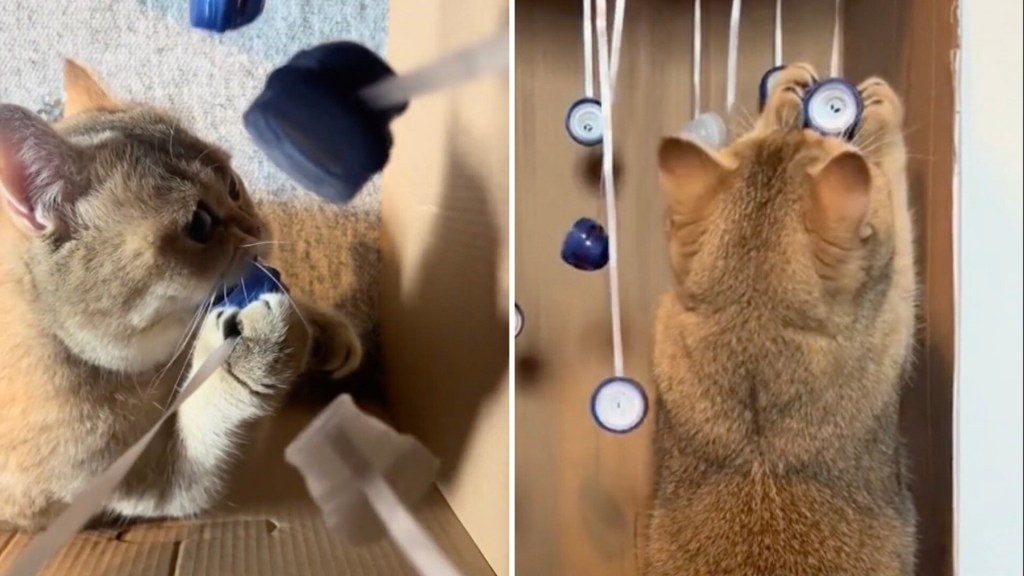
Credit: www.thecooldown.com
Frequently Asked Questions
What Materials Are Safe For Non Toxic Cat Toys?
Safe materials include organic cotton, untreated wood, and natural fibers. Avoid plastics with harmful chemicals. These materials reduce toxin exposure and keep cats healthy while playing.
How To Make Non Toxic Cat Toys At Home?
Use natural fabrics, stuffing like wool, and non-toxic dyes. Sew simple shapes or stuff small pouches with catnip. Always avoid sharp edges and harmful chemicals during crafting.
Why Choose Non Toxic Cat Toys For Your Pet?
Non toxic toys prevent allergies and poisoning. They ensure your cat’s safety during playtime. Using safe toys promotes long-term health and peace of mind for owners.
Can Natural Catnip Be Used In Homemade Toys?
Yes, natural catnip is safe and stimulates cats. It encourages active play and mental engagement. Always use fresh or dried organic catnip for best results.
Conclusion
Creating non-toxic cat toys keeps your pet safe and happy. Use simple, natural materials to avoid harmful chemicals. Homemade toys also save money and give your cat fun playtime. Always check toys for wear and replace them when needed. Your cat deserves safe, enjoyable toys every day.
Try making toys at home and watch your cat enjoy them. Safe play matters. Keep your furry friend healthy with non-toxic toys.




Leave a Reply