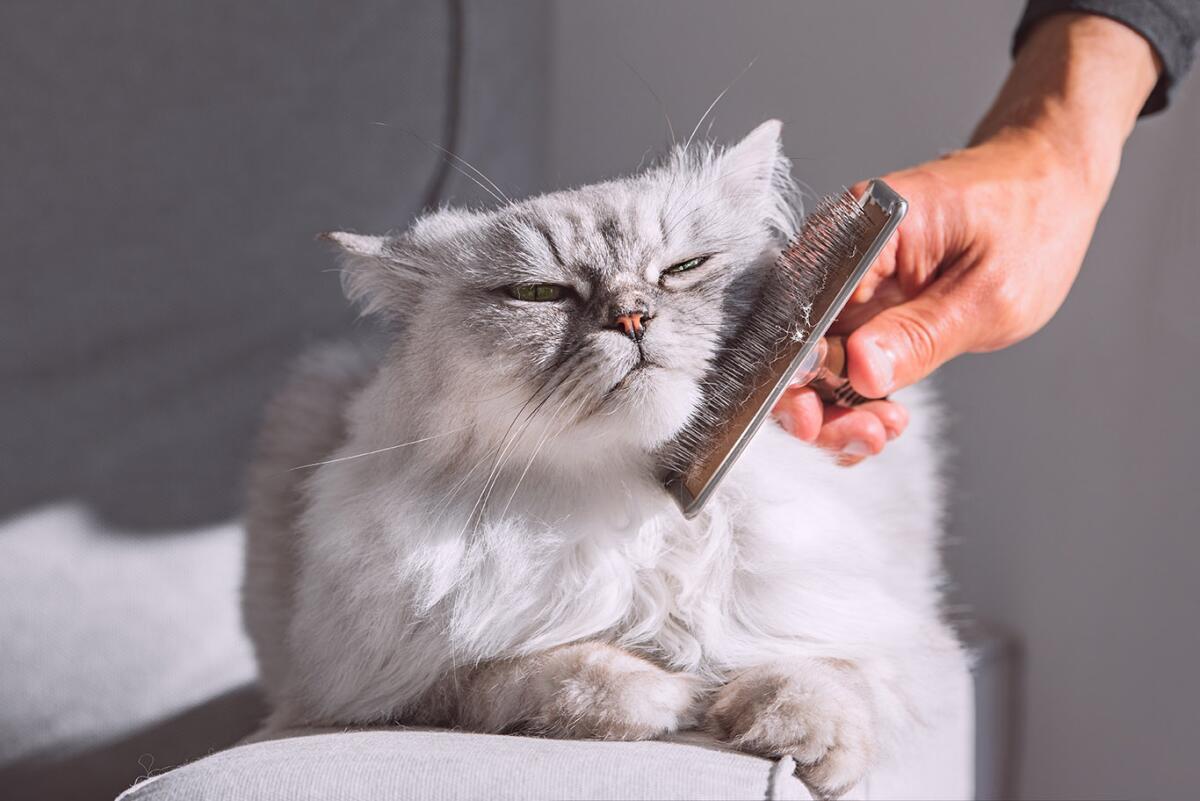
Have you ever wondered if you can teach your cat to groom itself better? You might think cats naturally know how to keep clean, but sometimes they need a little help.
Imagine your furry friend looking sleek and healthy without you having to do all the work. You’ll discover simple, effective ways to encourage your cat to take grooming into its own paws. Keep reading to find out how you can make grooming a stress-free and even enjoyable part of your cat’s daily routine.

Credit: services.petsmart.com
Cat Grooming Basics
Understanding the basics of cat grooming is essential if you want to help your feline friend stay clean and healthy. Grooming isn’t just about looks; it affects your cat’s comfort and well-being. Before you try teaching your cat to groom itself better, knowing what grooming involves will give you a solid foundation.
Why Grooming Matters
Grooming keeps your cat’s fur free of dirt, loose hair, and parasites. It also helps prevent skin problems and matting, which can be painful. Regular grooming sessions strengthen the bond between you and your cat, making it less stressed and more relaxed.
Have you noticed your cat licking itself after a meal or a nap? That’s not just cleanliness; it’s a way to regulate body temperature and calm nerves. Missing out on grooming can lead to discomfort or even infections, so paying attention to this need is crucial.
Natural Grooming Instincts
Cats are born with the instinct to groom themselves frequently. Their rough tongues remove dirt and loose hair, and licking helps distribute natural oils to keep fur shiny and healthy. But some cats, especially long-haired breeds or those with health issues, might struggle with grooming on their own.
Think about the last time you saw a cat stop grooming — it could be a sign of pain or stress. You can support your cat by gently brushing or wiping areas they miss. Teaching your cat to accept grooming tools early makes the process easier for both of you.
Credit: www.preventivevet.com
Signs Your Cat Needs Grooming Help
Not all cats can groom themselves perfectly. Some need extra help to stay clean and healthy. Recognizing signs that your cat needs grooming is important. It helps avoid discomfort and health problems. Watch for changes in fur and skin. Notice how much your cat sheds. These clues show when grooming help is necessary.
Matting And Tangles
Mats and tangles form when fur stays dirty or wet. They pull on the skin and cause pain. Cats with long hair face this problem more. A matted coat looks messy and clumps together. It can hide dirt and parasites. Regular grooming stops mats from forming. If mats appear, your cat needs brushing or cutting.
Skin Issues
Skin problems often show that grooming is lacking. Redness, bumps, or flaky skin are signs of trouble. Cats may scratch or lick a lot. This can cause wounds or infections. Clean fur and skin help avoid these issues. Grooming removes dirt and spreads natural oils. Notice if your cat’s skin looks dry or irritated.
Shedding Concerns
All cats shed fur, but too much shedding can be a problem. Large clumps of fur on furniture or clothes mean your cat needs grooming help. Shedding fur can stick to skin and cause discomfort. Brushing reduces loose fur and keeps the coat healthy. Pay attention if shedding is heavier than usual. It might signal health or grooming problems.
Training Your Cat To Groom
Training your cat to groom can be a helpful way to keep your pet clean and healthy. Cats naturally groom themselves, but teaching them to accept grooming tools makes the process easier. Patience and gentle guidance play a big role in success. The goal is to make grooming a calm, stress-free experience for your cat.
Introducing Grooming Tools
Start by showing your cat the grooming tools. Let your cat sniff and explore brushes or combs. Use tools designed for cats, with soft bristles and safe edges. Avoid forcing the tools on your cat. Instead, gently touch the brush to their fur. This helps your cat get used to the sensation. Keep sessions short and sweet to maintain comfort.
Creating A Routine
Set a regular time for grooming each day. Cats feel safe with routine. Pick a quiet, warm spot for grooming sessions. Try to groom after meals or playtime when your cat is calm. Consistent timing helps your cat expect grooming without fear. Keep sessions brief at first, then slowly increase the time.
Using Positive Reinforcement
Reward your cat with treats or gentle praise during grooming. Positive reinforcement builds good habits. Use soft voices and slow movements to keep your cat relaxed. Stop if your cat shows signs of stress. Give treats immediately after grooming to create positive links. Celebrate small progress to encourage your cat’s cooperation.
Tools That Encourage Self-grooming
Encouraging your cat to groom itself can be supported by using the right tools. These tools make grooming easier and more enjoyable for your feline friend. They also help reduce hairballs and keep your cat’s coat healthy.
Brushes And Combs
Brushes and combs designed specifically for cats can stimulate their natural grooming instincts. A slicker brush with fine wires works well to remove loose fur and dirt. Try to choose one that feels soft to your cat’s skin to avoid discomfort.
Some cats love the feeling of a rubber grooming glove, which massages as it removes dead hair. Have you noticed how your cat reacts differently to various brushes? This can guide you to pick the most effective one.
Self-grooming Devices
Self-grooming devices like wall-mounted brushes or grooming arches let your cat groom independently. These devices are often placed in favorite resting spots. Your cat can rub against them anytime, helping to keep the coat clean without your intervention.
I once saw a shy cat become more confident after discovering a self-grooming arch. Could such a device help your cat enjoy grooming more often?
Safe Grooming Products
Using safe grooming products is essential to protect your cat’s skin and fur. Look for shampoos and sprays made specifically for cats, free from harsh chemicals. Avoid anything with strong fragrances or ingredients that could cause irritation.
Always test a small area before full use and observe your cat’s reaction. What grooming products does your cat tolerate best? Selecting the right product can make grooming a positive experience for both of you.
Common Challenges And Solutions
Cats naturally groom themselves, but teaching them to accept brushing can be tricky. Patience and gentle handling help overcome resistance and build trust. Consistent routines encourage cats to enjoy grooming time.
Teaching a cat to groom can be an intriguing and sometimes challenging journey. Cats are naturally independent creatures, which can make grooming a bit of a task. Yet, with patience and the right approach, you can overcome these hurdles. Understanding the common challenges and their solutions can make the process smoother and more enjoyable for both you and your feline friend.Dealing With Resistance
Resistance is a common issue when introducing grooming to your cat. Cats may not be immediately receptive to new routines. They might pull away or even become aggressive. To ease resistance, start by making grooming a positive experience. Use treats and praise to reward your cat. Gradually introduce grooming tools, allowing your cat to sniff and play with them. Consistency is key, so make grooming part of a regular routine.Handling Sensitive Areas
Some areas, like the belly or tail, can be particularly sensitive for cats. Touching these areas might lead to discomfort or agitation. When working with sensitive spots, approach your cat calmly and gently. Use your fingers to softly pet these areas before introducing grooming tools. Pay attention to your cat’s body language and stop if they seem stressed.Maintaining Patience
Patience is your greatest ally in teaching a cat to groom. Cats take their time to adapt to new habits. Stay calm and avoid rushing through the process. Celebrate small victories, like your cat allowing you to brush them for a few seconds longer than before. Remember, building trust takes time, and each cat progresses at their own pace. Have you ever wondered if your cat senses your frustration? Remaining patient not only helps your cat feel secure but also strengthens your bond.
Credit: www.petscare.com
When To Seek Professional Help
Knowing when to ask for professional help with your cat’s grooming is important. Some grooming tasks can be tricky or unsafe to do alone. Professionals can offer skill and tools that keep your cat clean and healthy. They also spot problems you might miss.
Watch your cat’s fur and skin carefully. If you notice signs of trouble, it’s time to get expert help. Early care prevents pain and bigger problems later.
Recognizing Grooming Issues
Look for mats or tangles that your cat cannot remove. Skin that looks red, dry, or flaky needs attention. Excessive scratching or biting can mean irritation or parasites. Bad odor or discharge from the coat signals infection. Notice if your cat avoids grooming or shows discomfort. These signs mean professional grooming or vet care is needed.
Choosing A Groomer
Pick a groomer who knows cats well. They should use gentle methods and safe products. Check reviews or ask other cat owners for recommendations. A good groomer can handle nervous cats calmly. Make sure the place is clean and quiet. A skilled groomer can cut nails, clean ears, and remove mats safely.
Veterinary Care Tips
See a vet if skin problems persist or worsen. Vets can treat allergies, infections, or parasites causing grooming issues. They may suggest special shampoos or treatments. Regular vet checkups help catch health issues early. Ask the vet about the best grooming routine for your cat’s age and breed.
Frequently Asked Questions
Can Cats Learn To Groom Themselves Better?
Yes, cats naturally groom themselves, but owners can encourage better habits by regular brushing and gentle guidance. Positive reinforcement helps cats stay clean and healthy.
How To Teach A Cat To Groom Gently?
Use a soft brush and reward your cat with treats during grooming sessions. Start slowly and be patient to build trust and comfort.
Why Is Grooming Important For Cats’ Health?
Grooming removes dirt, loose fur, and prevents matting. It also helps regulate body temperature and reduces stress in cats.
Can Grooming Reduce Shedding In Cats?
Regular grooming helps reduce shedding by removing loose fur before it falls off. This keeps your home cleaner and your cat more comfortable.
Conclusion
Teaching a cat to groom takes time and patience. Cats naturally clean themselves, but they can learn gentle brushing. Use soft tools and reward your cat with treats. Keep sessions short to avoid stress or fear. Regular grooming helps keep your cat healthy and happy.
It also builds trust between you and your pet. Remember, every cat is different and learns at its own pace. Enjoy this bonding experience and care for your furry friend.




Leave a Reply