Have you ever noticed your cat sneaking away with a toy and hiding it somewhere? It might seem like a simple game, but there’s more to this behavior than meets the eye.
Understanding why your cat likes to hide toys can reveal a lot about their instincts and feelings. If you want to connect better with your furry friend and keep them happier, learning the reasons behind this curious habit is a great place to start.
Keep reading, and you’ll discover surprising insights about your cat’s playful nature that could change the way you interact with them forever.

Credit: www.amazon.com
Cat Play Behavior
Cats have unique play habits that often puzzle their owners. One common behavior is hiding toys, which can seem strange but actually reveals a lot about their natural instincts and mental needs. Understanding your cat’s play behavior helps you provide better stimulation and keep them happy.
Instincts Behind Play
Your cat’s play is deeply rooted in survival instincts. Hiding toys mimics the way they store food or protect their catch from other animals. It’s not just about fun; it’s a way your cat practices skills needed in the wild.
Have you noticed how your cat carefully chooses a spot to stash a toy? This behavior shows they are thinking ahead, just like their ancestors did with real prey. Recognizing this can help you respect their space and let them keep their “treasures.”
Hunting Simulation
Playtime is often a hunting rehearsal. When your cat hides toys, they’re simulating the process of catching and storing prey. This keeps their mind sharp and body agile.
Try using toys that mimic the movement of small animals. Your cat will likely engage more deeply, hiding and retrieving the toy repeatedly. This repeated behavior satisfies their natural drive and reduces boredom.
Why Toys Matter
Toys are more than just entertainment; they’re essential for your cat’s well-being. Hiding toys is a sign your cat values them, which means you’re providing effective mental and physical enrichment.
Providing a variety of toys encourages different types of play—chasing, pouncing, and hiding. Watch which toys your cat hides most often. This insight helps you understand their preferences and improve their playtime experience.
Reasons Cats Hide Toys
Cats often hide their toys for several interesting reasons. Understanding these reasons helps pet owners better connect with their feline friends. Cats have natural behaviors that guide their actions around toys and play.
Territorial Instincts
Cats are naturally territorial animals. Hiding toys is a way to protect their belongings. They keep their favorite items safe from other pets or intruders. This behavior mimics hunting and storing prey in the wild. It gives cats a sense of control and ownership.
Safe Storage Spots
Cats choose quiet, hidden places to store toys. These spots feel safe and comfortable. It helps them avoid losing their prized possessions. The hidden toys can be a source of comfort or entertainment later. Safe storage prevents toys from being damaged or taken away.
Seeking Attention
Sometimes, cats hide toys to get attention from their owners. They may leave toys in visible spots or unusual places. This behavior invites interaction and playtime. Cats use toy hiding as a way to communicate their desire for fun. It helps build a bond between cat and owner.
Types Of Toys Cats Prefer To Hide
Cats have unique preferences when it comes to hiding toys. They often choose toys that are easy to carry and stash away in secret spots. Understanding the types of toys cats prefer to hide can help owners select the best playthings. These toys satisfy their natural instincts to hunt and store treasures.
Small And Portable Toys
Cats like toys that fit comfortably in their mouths. Small balls, mice, or feather toys are favorites. These toys are easy to carry around and hide under furniture. Their size makes them perfect for quick grabs and secret stashes.
Scented And Soft Toys
Soft toys with catnip or other scents attract cats. The smell makes these toys special and worth hiding. Cats often carry these toys to safe places to enjoy them later. The softness also makes them comforting to hold and bite.
Interactive Toys
Interactive toys like puzzle feeders or moving toys catch a cat’s attention. Cats enjoy hiding parts of these toys to play later. These toys challenge their minds and keep them entertained. Hiding pieces adds excitement and a sense of control.
How Hiding Toys Benefits Cats
Hiding toys is more than just a quirky cat behavior; it offers several benefits that impact your feline’s well-being. When cats stash their toys, they engage in natural instincts that support their mental and emotional health. Understanding these benefits helps you create a happier and more fulfilled environment for your pet.
Mental Stimulation
Hiding toys challenges your cat’s brain. It encourages problem-solving as they decide where to stash and later find their treasures. This activity keeps their mind sharp and helps prevent boredom, which can lead to unwanted behaviors.
Try rotating toys or changing hiding spots to keep your cat curious. You might notice your cat spending more time interacting with their toys and showing increased alertness. Have you ever seen your cat proudly “guard” a hidden toy? That’s their brain at work!
Stress Relief
Stashing toys provides a safe outlet for your cat’s emotions. It mimics hunting and storing food, which is a natural stress-relieving ritual for cats. When your cat hides a toy, it can reduce anxiety and promote a sense of security.
If your cat feels uneasy, offering toys to hide can calm them down. Notice how your cat’s behavior changes when they have access to their favorite hidden items—do they seem more relaxed? This simple act can be a powerful tool to ease your cat’s stress.
Strengthening Bond With Owners
Engaging in toy-hiding play creates opportunities for you to connect with your cat. When you participate by hiding toys or encouraging your cat to hide them, you build trust and understanding. This shared activity can deepen your relationship.
Think about how your cat reacts when you join their game—do they bring you the toy or look to you for approval? These moments help your cat feel valued and loved. Would you like to see your cat more eager to interact? Try joining them in their hiding game.
Tips To Encourage Play And Toy Hiding
Cats enjoy hiding toys as part of their natural play behavior. Providing small, soft toys encourages this fun and keeps them active. Hiding spots like boxes or under cushions make playtime more exciting.
Encouraging your cat to play and hide toys is not just about keeping them entertained. It also taps into their natural instincts and helps them stay active and mentally stimulated. So, how can you foster this playful behavior in your feline friend?Choosing The Right Toys
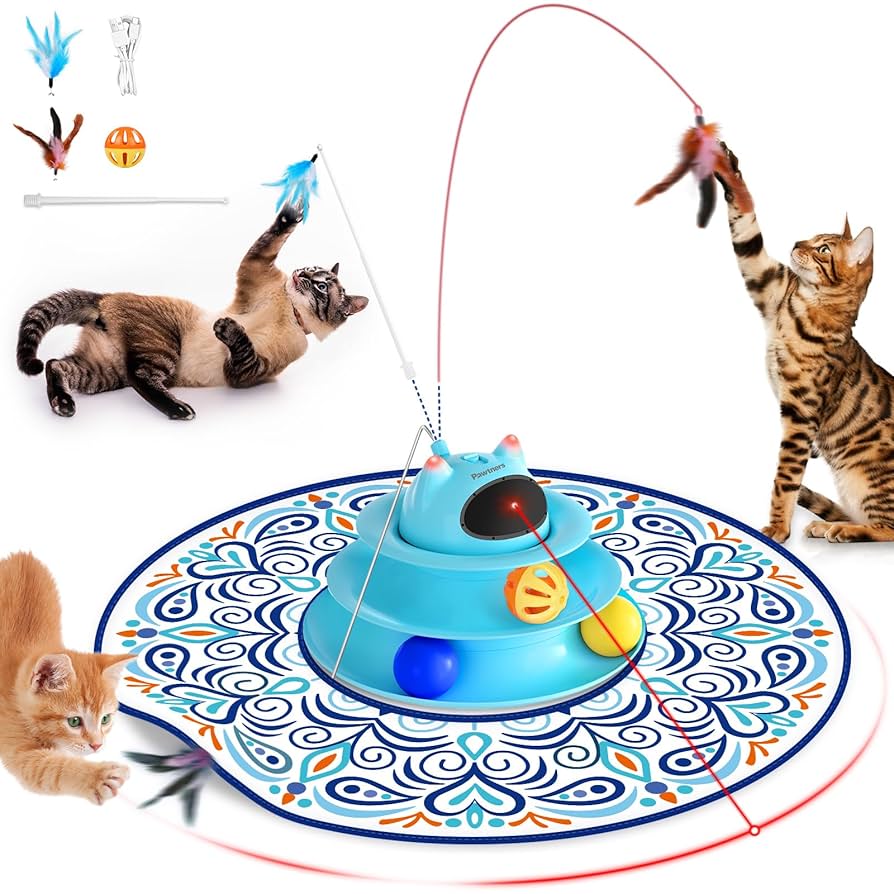
Selecting the perfect toy for your cat is crucial. Cats are generally attracted to toys that mimic their natural prey. Look for toys that move, make noise, or have feathers. Interactive toys like laser pointers or feather wands can also captivate their attention. Remember, variety is key. Rotate toys to keep things fresh and exciting for your pet.Creating Safe Spaces
Safe spaces are essential for cats to feel secure while playing and hiding toys. Consider setting up cozy corners with blankets or small boxes where they can stash their treasures. My own cat adores a cardboard box tucked under a table. It offers her the perfect hideout to sneak her favorite mouse toy. Ensure these areas are free from hazards and easily accessible for your furry friend.Engaging Playtime Ideas
Playtime is the highlight of a cat’s day. You can make it more engaging by adding an element of surprise. Hide toys around the house for your cat to discover. Interactive play sessions, where you dangle toys or use a wand, can also stimulate their hunting instincts. Ask yourself, is your cat getting enough mental and physical exercise? Engaging play can be the solution to avoid boredom and promote a happy, healthy life for your pet.
Credit: www.holistapet.com
When Toy Hiding Becomes A Problem
Hiding toys is a natural behavior for many cats, but sometimes it can cross the line from playful to problematic. When your feline friend starts stashing toys obsessively or in odd places, it might signal stress or other underlying issues. Recognizing when toy hiding becomes a problem helps you keep both your cat and home happy.
Signs Of Over-hiding
Is your cat hiding more toys than usual? Watch for these signs:
- Your cat constantly carries toys around and hides them repeatedly throughout the day.
- Toys disappear into hard-to-reach or unusual spots like behind appliances or inside shoes.
- Your cat seems anxious or restless, especially after hiding toys.
- There’s a noticeable increase in destructive behavior or withdrawal from interaction.
Have you noticed your cat’s toy collection growing without you finding them? This might be a cue to pay closer attention to their emotional state.
Managing Toy Clutter
Too many hidden toys can clutter your home and create stress for both you and your cat. Here’s how to manage the situation:
- Designate a specific “toy zone” where you regularly rotate toys to keep your cat engaged without overwhelming them.
- Encourage your cat to bring toys back by rewarding them with treats or affection.
- Limit the number of toys available at one time to prevent over-hiding.
One cat owner I know started using a small basket for toys and noticed their cat’s hiding behavior decreased. Could a simple container be your solution?
Consulting A Vet
If your cat’s hiding behavior escalates or you see signs of distress, it’s wise to consult a veterinarian. Excessive toy hiding might hint at anxiety, boredom, or health issues.
Veterinarians can help identify if there’s a medical cause or suggest behavioral strategies tailored to your cat’s needs. Don’t hesitate to ask for advice—your cat’s wellbeing depends on it.

Credit: www.amazon.com
Frequently Asked Questions
Why Do Cats Hide Their Toys?
Cats hide toys instinctively to protect their “prey. ” This behavior stems from their natural hunting instincts. Hiding toys keeps them safe from other pets or humans. It also provides a sense of security and control over their environment. This habit mimics real hunting and storing food.
Do All Cats Like Hiding Toys?
Not all cats hide toys, but many do. It depends on their personality and environment. Some cats prefer playing openly, while others enjoy the thrill of hiding. Age, breed, and past experiences influence this behavior. Observing your cat helps understand their unique toy habits.
Where Do Cats Usually Hide Toys?
Cats often hide toys in secluded spots like under furniture. They may choose hidden corners, closets, or behind cushions. These places feel safe and mimic natural hiding spots in the wild. Providing safe hiding spaces can encourage healthy play and reduce stress.
Can Hiding Toys Indicate A Cat’s Mood?
Yes, hiding toys can reflect a cat’s mood. It may show contentment, playfulness, or a need for security. Sometimes, it signals stress or anxiety if done excessively. Understanding your cat’s overall behavior helps interpret this habit accurately.
Conclusion
Cats often hide their toys for fun and comfort. This behavior shows their natural instincts. Hiding helps cats feel safe and entertained. Watching your cat stash toys can be quite amusing. It also means they enjoy their playtime. Remember, each cat is unique and may hide toys differently.
Providing safe toys encourages this playful habit. Understanding this helps strengthen your bond with your pet. Keep observing and enjoy the little surprises your cat creates.




Leave a Reply