Have you ever wondered if it’s okay to give your cat old toys? You might think that any toy, new or used, is good enough to keep your furry friend entertained.
But what if those worn-out toys could actually affect your cat’s health or happiness? Before you toss that old mouse or feather wand their way, it’s important to know what really works best for your pet. Keep reading to discover the surprising truth about old cat toys and how to make the best choice for your cat’s playtime.
Benefits Of Reusing Cat Toys
Reusing cat toys can offer surprising benefits that go beyond just saving money. When you give your cat’s old toys another chance, you contribute positively to the environment and support your pet’s emotional needs. Let’s look at why keeping those old toys around might be a better idea than you think.
Environmental Impact
Throwing away cat toys adds to landfill waste, which harms the planet. Many toys are made from plastics and synthetic materials that take years to break down.
By reusing toys, you reduce the demand for new products and lower your carbon footprint. It’s a simple way to help the environment without changing your daily routine.
Cost Savings
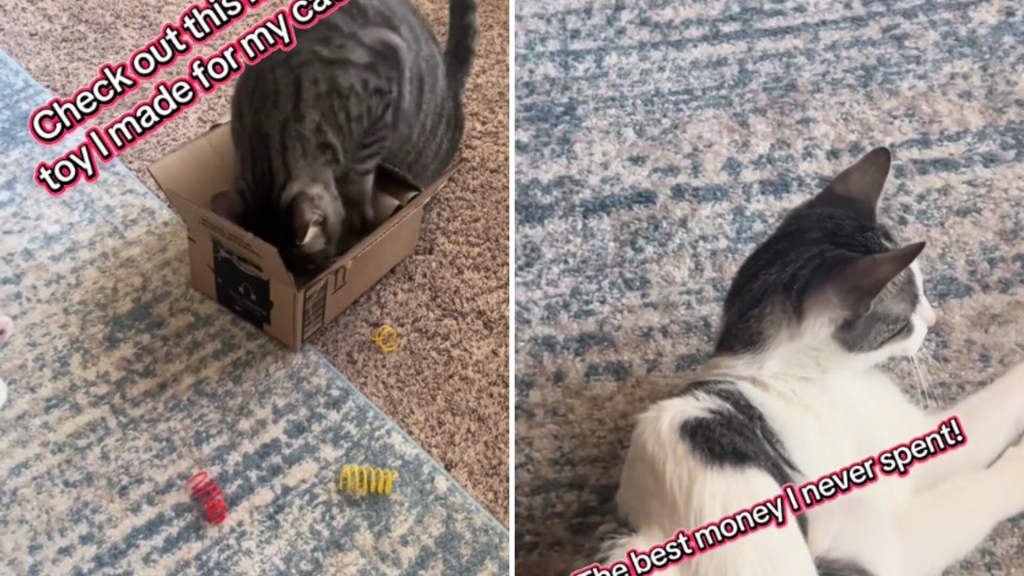
Buying new toys frequently can get expensive. When you reuse old toys, you stretch your budget further and avoid unnecessary spending.
Sometimes, even worn toys can be fixed or cleaned to look and feel fresh again. Have you ever tried washing a fabric toy to bring it back to life? It’s an easy trick that saves money and keeps your cat entertained.
Emotional Comfort For Cats
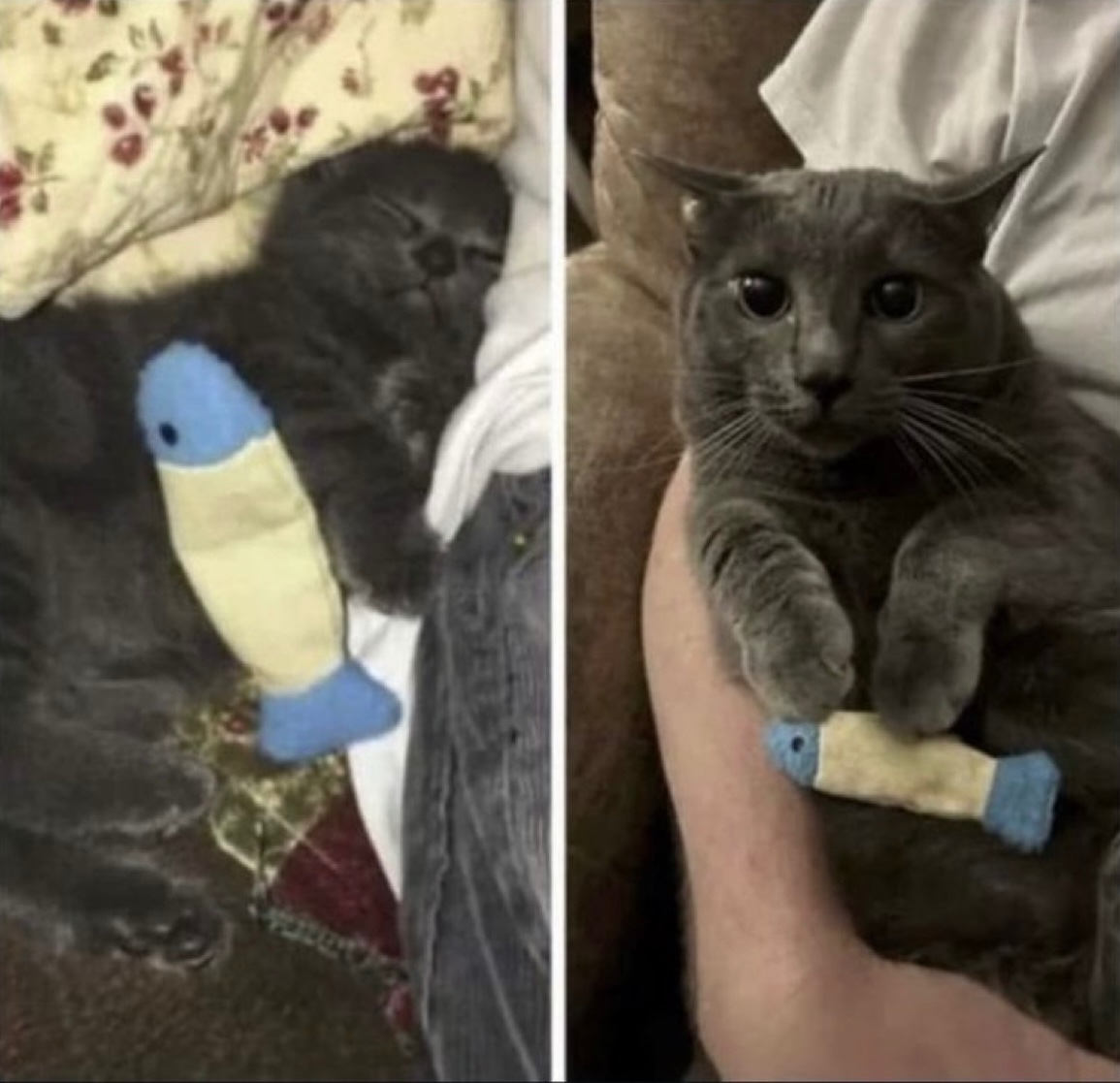
Cats develop attachments to their favorite toys. Old toys carry familiar scents and textures that provide comfort and security.
Introducing a brand-new toy might not always excite your cat as much as an old one. Keeping well-loved toys around can reduce stress, especially during changes like moving or new pets joining the family.
Credit: www.thecooldown.com
Assessing Toy Safety
Assessing toy safety is crucial before giving cats old toys. Cats explore toys with their teeth and claws. Unsafe toys can cause choking or poisoning. Always check toys carefully to keep pets safe and happy.
Checking For Wear And Tear
Look closely for broken parts or loose pieces. Small parts can be swallowed easily. Frayed strings or torn fabric can wrap around paws. Remove toys with sharp edges or holes. Old toys may hide hazards not visible at first glance.
Avoiding Toxic Materials
Some toys contain harmful chemicals or paints. Avoid toys with strong smells or unknown materials. Choose toys made from non-toxic plastics or natural fibers. Old toys may have degraded coatings that become unsafe. Always prioritize your cat’s health over saving old toys.
Ensuring Proper Size And Shape
Toys should not be small enough to swallow. Avoid toys with parts that can detach easily. Rounded edges prevent cuts or injuries. Large toys are harder to choke on. Match toy size to your cat’s age and size. A well-sized toy keeps playtime fun and safe.
Cleaning And Sanitizing Old Toys
Cleaning and sanitizing old toys before giving them to your cat is essential to keep your furry friend safe and healthy. Old toys can harbor dirt, bacteria, and even parasites that might harm your pet. Proper cleaning not only refreshes the toy but also extends its usability and ensures a safe playtime experience.
Safe Cleaning Methods
Use mild soap and warm water to clean most cat toys. Avoid harsh chemicals or bleach, as they can irritate your cat’s skin or cause poisoning if ingested.
For plush toys, washing them in the machine on a gentle cycle with pet-safe detergent works well. Hard plastic or rubber toys can be scrubbed with a soft brush to remove grime.
Consider using a vinegar-water solution (equal parts) for a natural disinfectant. Rinse thoroughly afterward to avoid any lingering smell that might deter your cat.
Frequency Of Cleaning
How often should you clean old cat toys? If your cat plays with a toy daily, aim to clean it once a week.
Toys that your cat only occasionally uses can be cleaned less frequently, but always inspect them for dirt or damage before giving them back.
Regular cleaning helps prevent the buildup of saliva, bacteria, and allergens that could cause health issues over time.
Storage Tips To Maintain Hygiene
Keep cleaned toys in a dry, well-ventilated area to prevent mold and mildew. Avoid storing them in damp or dusty places.
Use a dedicated container or basket to separate clean toys from dirty ones. This simple step reduces the risk of contamination.
Rotate toys regularly to keep your cat interested and to allow time for thorough cleaning and drying between uses.
Credit: x.com
Introducing Old Toys To Cats
Introducing old toys to cats can be a simple way to keep them entertained. Cats often enjoy familiar objects that carry their scent. Old toys can bring comfort and spark curiosity at the same time.
Using old toys helps save money and reduces waste. It also offers variety without overwhelming your cat with too many new items. Observing how your cat reacts to these toys is key to understanding their preferences.
Observing Cat’s Reaction
Watch your cat closely when you give them an old toy. Notice if they sniff, paw, or bite it. These signs show interest or curiosity.
If your cat ignores the toy, try moving it or placing it near their favorite spots. Cats may need time to warm up to old toys again.
Refreshing Old Toys For Interest
Old toys can lose their appeal after a while. Clean them to remove dust and odors. Washing fabric toys can make them smell fresh and inviting.
Add catnip or a few drops of cat-safe scent to revive interest. You can also replace worn parts like feathers or bells to make toys more fun.
Combining With New Toys
Mix old toys with new ones to keep playtime exciting. New toys add novelty, while old toys bring comfort.
Rotate toys regularly to maintain your cat’s attention. This balance helps prevent boredom and encourages active play.
Eco-friendly Toy Alternatives
Old toys can become fun playthings for cats if they are safe and clean. Choosing eco-friendly alternatives helps reduce waste while keeping pets entertained. Always check for small parts that could harm your cat before giving old toys.
Eco-friendly toy alternatives are becoming increasingly popular among cat owners who are conscious of the environment and their pets’ well-being. While it might be tempting to give your cat old toys, considering eco-friendly options can be a better choice for your furry friend and the planet. These toys are not only sustainable but can also provide new and exciting experiences for your cat.Diy Cat Toys From Recycled Materials
Creating toys from recycled materials is a fun and resourceful way to keep your cat entertained. Look around your home for items like old socks, cardboard boxes, or even wine corks. A simple ball made from crumpled paper or a sock filled with catnip can provide hours of fun. Using recycled materials not only reduces waste but also saves money. You can involve your family in crafting these toys, turning it into a creative bonding activity. Plus, your cat will love the variety of textures and smells.Natural And Sustainable Toy Options
Natural toys are often safer for your cat as they avoid harmful chemicals found in some synthetic materials. Consider toys made from materials like hemp, wool, or untreated wood. These materials are not only biodegradable but also durable. You can find natural toys in many pet stores or online. Look for items like wool balls, hemp ropes, or wooden wands. These toys can satisfy your cat’s hunting instincts while being gentle on the environment.Supporting Eco-conscious Brands
Choosing to support brands that prioritize sustainability can make a big difference. Many companies are now creating eco-friendly toys designed with both pets and the planet in mind. Research brands that use recyclable packaging and sustainable materials. Purchasing from eco-conscious brands encourages the production of more environmentally friendly products. By making informed choices, you contribute to a more sustainable market. Plus, you can feel good knowing you’re supporting businesses that care about the planet.When To Replace Old Toys
Knowing when to replace your cat’s old toys is key to keeping playtime safe and enjoyable. Toys can wear down quickly, and what once was a favorite can become a hazard. Paying attention to certain signs helps you decide the right moment to part ways with those beloved playthings.
Signs Of Unsafe Toys
Look out for torn fabric, loose stuffing, or broken parts. Sharp edges or small pieces that can come off are big red flags. If your cat suddenly loses interest, it might also mean the toy is damaged or uncomfortable to use.
Think about the last time you inspected your cat’s toys. Did you find anything that could hurt them? Regular checks prevent accidents before they happen.
Impact On Cat’s Health
Old, worn toys can cause choking or digestive blockages if your cat swallows parts. They may also harbor bacteria or mold, leading to infections. Your cat’s health depends on clean, intact toys that don’t pose hidden risks.
Have you noticed your cat sneezing, coughing, or acting lethargic after playtime? These could be signs linked to dirty or broken toys. Keeping toys in good shape helps avoid these health problems.
Proper Disposal Methods
Don’t just toss old toys in the trash without thinking. If parts are recyclable, separate them accordingly. Otherwise, securely wrap broken pieces to prevent your cat or other animals from accessing them.
Consider donating gently used toys to shelters or friends with cats. This way, your cat’s old favorite can bring joy to another feline without risk. Are you ready to make a habit of smart toy replacement?

Credit: www.reddit.com
Frequently Asked Questions
Can Cats Safely Play With Old Toys?
Yes, cats can play with old toys if they are clean and intact. Inspect toys for damage or loose parts. Avoid toys with sharp edges or toxic materials. Clean toys regularly to prevent bacteria build-up, ensuring your cat’s safety and enjoyment.
How Do Old Toys Benefit Cats?
Old toys provide familiar scents and comfort to cats. They encourage mental stimulation and physical activity. Using old toys can reduce stress and boredom. Rotating toys keeps playtime engaging and supports your cat’s overall well-being.
When Should I Replace My Cat’s Old Toys?
Replace old toys when they show wear or breakage. Damaged toys can pose choking or injury risks. Also replace toys if they lose their appeal to your cat. Regularly checking toys helps maintain a safe, stimulating environment for your pet.
Can Cats Get Bored With Old Toys?
Yes, cats can get bored if toys are repetitive or worn out. Rotate toys frequently to maintain interest. Introduce new textures and shapes to stimulate curiosity. Boredom can lead to destructive behavior, so fresh toys keep cats happy and active.
Conclusion
Old toys can still bring joy to your cat. Make sure they are clean and safe first. Cats like familiar smells and textures. Rotting or broken toys might cause harm. Rotate toys often to keep your cat interested. Watch how your cat reacts to old toys.
Each cat has different preferences and needs. Giving old toys a second chance saves money too. Keep playtime fun and safe for your furry friend. Your cat will appreciate the attention and care.




Leave a Reply