As your cat grows older, you might notice changes that worry you. But do you know which health problems are most common in older cats?
Understanding these issues can help you spot signs early and give your furry friend the care they need. You’ll discover the top health challenges aging cats face and what you can do to keep your companion happy and healthy. Keep reading to learn how to protect your cat’s well-being as they enter their golden years.
Credit: www.petmd.com
Common Health Problems
As your cat ages, you might notice changes in their behavior and health. Older cats often face a range of common health problems that can impact their quality of life. Recognizing these issues early can help you provide better care and make informed decisions about their well-being.
Kidney Disease
Kidney disease is one of the most frequent health problems in older cats. It develops gradually, often without obvious signs at first. You might notice increased thirst, frequent urination, or weight loss as the disease progresses.
Regular vet check-ups and blood tests can catch kidney issues early. Adjusting your cat’s diet to support kidney function can make a big difference in managing this condition.
Arthritis And Joint Pain
Just like people, older cats can suffer from arthritis. You may see your cat becoming less active, avoiding jumps, or having difficulty grooming. These subtle changes can indicate joint pain.
Providing soft bedding and gentle play can ease discomfort. Some cats benefit from supplements or medications prescribed by a vet to improve joint health.
Dental Issues
Poor dental health is common in senior cats and can cause pain and infection. Bad breath, drooling, and difficulty eating are signs to watch for. Dental problems can also affect other organs if left untreated.
Regular dental check-ups and cleanings are crucial. You can also help by brushing your cat’s teeth or offering dental treats designed to reduce plaque.
Hyperthyroidism
Hyperthyroidism occurs when the thyroid gland produces too much hormone. It can lead to weight loss, increased appetite, and restlessness. This condition is quite common in cats over 10 years old.
Early diagnosis through blood tests allows for effective treatment. Managing hyperthyroidism can help your cat maintain a healthy weight and energy level.
Diabetes
Diabetes in cats often shows up with increased thirst, frequent urination, and weight loss despite a good appetite. It requires careful monitoring and sometimes insulin therapy. Diet adjustments play a key role in managing this disease.
If your cat is diagnosed with diabetes, working closely with your vet on a treatment plan is essential. Have you noticed any changes in your cat’s drinking or bathroom habits lately?
Heart Disease
Older cats can develop heart disease, which may not show clear symptoms until it becomes serious. Signs can include coughing, difficulty breathing, or lethargy. Regular vet exams help detect heart issues before they worsen.
Medications and lifestyle changes can support heart health. Paying attention to subtle signs could save your cat’s life.
Cancer
Cancer risk increases with age in cats. It can affect various organs and may present as lumps, weight loss, or changes in appetite. Early detection improves treatment options and outcomes.
Routine vet visits and prompt attention to unusual symptoms can catch cancer early. Have you ever felt unsure about a new lump or behavior change in your cat? Don’t hesitate to get it checked out.

Credit: drjeff.com
Symptoms To Watch
Older cats often show signs of health issues through changes in their behavior and body. Watching for symptoms helps catch problems early. Early detection can improve their quality of life and treatment success.
These symptoms may seem small but often indicate larger health concerns. Careful observation is key to keeping your cat healthy as they age.
Changes In Appetite
A sudden increase or decrease in eating can signal illness. Cats may lose interest in food due to dental pain or digestive problems. Some older cats eat more if they have certain diseases like diabetes. Notice if your cat refuses favorite treats or meals.
Weight Loss Or Gain
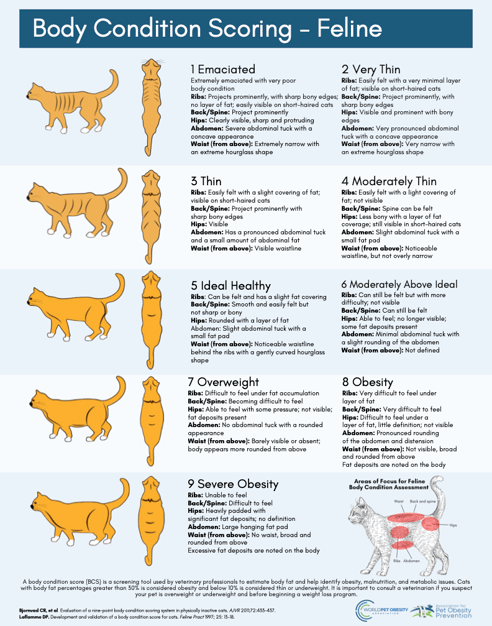
Unexplained weight loss is common in older cats with kidney or thyroid issues. Weight gain can also happen if your cat becomes less active or develops hormonal problems. Regularly check your cat’s body condition to spot changes early.
Lethargy And Weakness
Older cats often rest more, but extreme tiredness is a warning sign. If your cat moves less or struggles to get up, it may feel weak. Lack of energy can point to infections, anemia, or heart disease.
Behavioral Changes
Changes in mood or habits may indicate health problems. Your cat might become more withdrawn, irritable, or confused. Some older cats show increased vocalization or altered sleep patterns. These changes can relate to pain or cognitive decline.
Difficulty Moving
Stiffness, limping, or trouble jumping often reflect arthritis or injury. Watch if your cat avoids stairs or grooming. Difficulty moving may cause frustration and stress. Early veterinary care can help manage pain and improve mobility.
Preventive Care Tips
Taking care of an older cat means more than just love and attention. Preventive care plays a huge role in helping your feline friend stay healthy and comfortable as they age. Small, consistent actions can make a big difference in catching health problems early and improving your cat’s quality of life.
Regular Vet Checkups
Scheduling vet visits at least twice a year helps catch health issues before they get serious. Older cats can hide symptoms well, so professional exams and blood tests are essential. Have you noticed any subtle changes in your cat’s behavior or appetite? Sharing these with your vet can guide better care.
Balanced Diet
A diet tailored for senior cats supports their changing metabolism and nutrient needs. Foods rich in protein and low in carbohydrates help maintain muscle mass. Consider special diets if your cat has kidney or joint problems—your vet can recommend the best options.
Dental Hygiene
Dental problems are common in older cats and can lead to pain and infections. Brushing your cat’s teeth regularly reduces plaque buildup. If brushing isn’t possible, dental treats or professional cleanings are good alternatives to keep their mouth healthy.
Exercise And Enrichment
Keeping your cat active improves joint health and mental sharpness. Simple play sessions with toys or puzzle feeders keep their mind engaged. How often do you interact with your cat through play? Even short bursts can help prevent stiffness and boredom.
Hydration Importance
Older cats often drink less water, increasing their risk of kidney issues. Fresh, clean water should always be available, and some cats prefer running water from a fountain. You can also add wet food to their diet to boost fluid intake naturally.
Credit: www.youtube.com
Managing Chronic Conditions
Managing chronic conditions in older cats requires ongoing care and attention. These conditions often progress slowly, so regular management helps maintain your cat’s quality of life. Understanding treatment options and monitoring health changes is vital. Daily care routines also play a big role in keeping your cat comfortable and healthy.
Medication Options
Veterinarians prescribe medicines to control symptoms and slow disease progress. Common medications include:
- Anti-inflammatory drugs to reduce swelling
- Medications to support kidney or heart function
- Supplements to improve joint health
- Medications for high blood pressure or diabetes
Following the dosage and schedule is important. Never change medication without professional advice.
Pain Management
Chronic pain can affect your cat’s mood and activity. Pain relief improves comfort and mobility. Options include:
- Non-steroidal anti-inflammatory drugs (NSAIDs)
- Opioids for severe pain under strict supervision
- Physical therapy and gentle exercise
- Warm compresses or massage
Consult your vet before starting any pain management plan.
Monitoring And Adjustments
Regular check-ups help detect changes early. Track your cat’s behavior, eating habits, and litter box use. Keep a health journal with notes on:
- Appetite and water intake
- Activity levels and mobility
- Weight changes
- Any new symptoms or signs of discomfort
Adjust treatments based on vet advice and health observations.
Home Care Strategies
Creating a safe and comfortable environment supports chronic care. Tips include:
- Provide soft bedding in warm, quiet places
- Use litter boxes with low sides for easy access
- Maintain a regular feeding schedule with balanced diet
- Encourage gentle play and movement
- Keep stress levels low by avoiding loud noises
Consistent care at home makes a big difference in your cat’s well-being.
When To Seek Veterinary Help
Older cats often show signs like weight loss, difficulty moving, or changes in eating habits. Prompt veterinary care helps catch common health problems early and improves their quality of life. Watch for unusual behavior or symptoms that last more than a day or two.
Caring for an aging cat can be challenging, especially when it comes to identifying health issues that require professional attention. Timely veterinary intervention can make a significant difference in your cat’s quality of life. While some symptoms might be manageable at home, others necessitate immediate action. Knowing when to seek veterinary help is crucial for your feline friend’s well-being.Emergency Signs
Certain signs in older cats should prompt you to seek emergency veterinary care. Sudden changes in behavior, such as extreme lethargy or aggression, can indicate serious underlying conditions. Watch for difficulty breathing, frequent vomiting, or seizures—these are red flags that need immediate attention. An example from my own experience: my senior cat, Whiskers, suddenly refused to eat and hid under the bed. A quick trip to the vet revealed a urinary tract blockage. Trust your instincts and act swiftly if something feels off.Routine Screening
Routine screenings are essential for early detection of potential health issues in older cats. Regular check-ups can identify problems like kidney disease or diabetes before they become severe. Your vet may recommend annual blood tests, dental check-ups, and weight monitoring to keep track of your cat’s health. Consider it a proactive approach—like scheduling annual physicals for yourself. Routine screenings can save your cat from discomfort and you from future stress.Specialist Referrals
Sometimes, your regular vet might suggest seeing a specialist for more complex issues. If your cat is diagnosed with a condition like heart disease or arthritis, a specialist can provide targeted treatment. They have the expertise and equipment to handle specific health concerns. Think of it like going to a cardiologist for a heart issue—sometimes, specialized care is the best option. Don’t hesitate to ask your vet for a referral if it means better care for your cat.Frequently Asked Questions
What Are Common Health Problems In Older Cats?
Older cats often face arthritis, kidney disease, hyperthyroidism, dental issues, and diabetes. These conditions affect their mobility, appetite, and overall health. Regular vet check-ups help detect and manage these problems early, improving quality of life.
How Can I Recognize Arthritis In Senior Cats?
Signs of arthritis in cats include stiffness, limping, reluctance to jump, and decreased activity. Older cats may also groom less due to joint pain. Early detection allows for pain management and better mobility.
Why Is Kidney Disease Common In Aging Cats?
Kidney disease is common due to gradual loss of kidney function over time. It leads to increased thirst, weight loss, and lethargy. Early diagnosis can help slow progression with diet changes and medication.
What Dental Issues Affect Older Cats?
Older cats often develop gum disease, tooth decay, and tooth loss. Poor dental health causes pain, bad breath, and difficulty eating. Regular dental care and vet visits are essential to maintain oral health.
Conclusion
Older cats often face health problems like arthritis, kidney disease, and dental issues. Regular vet visits help catch these problems early. A good diet and gentle exercise keep cats healthier longer. Watch for changes in behavior or appetite. Early care can improve their quality of life.
Every cat deserves comfort and love in their senior years. Stay informed and attentive to your pet’s needs. This helps ensure they enjoy their golden years happily and safely.




Leave a Reply