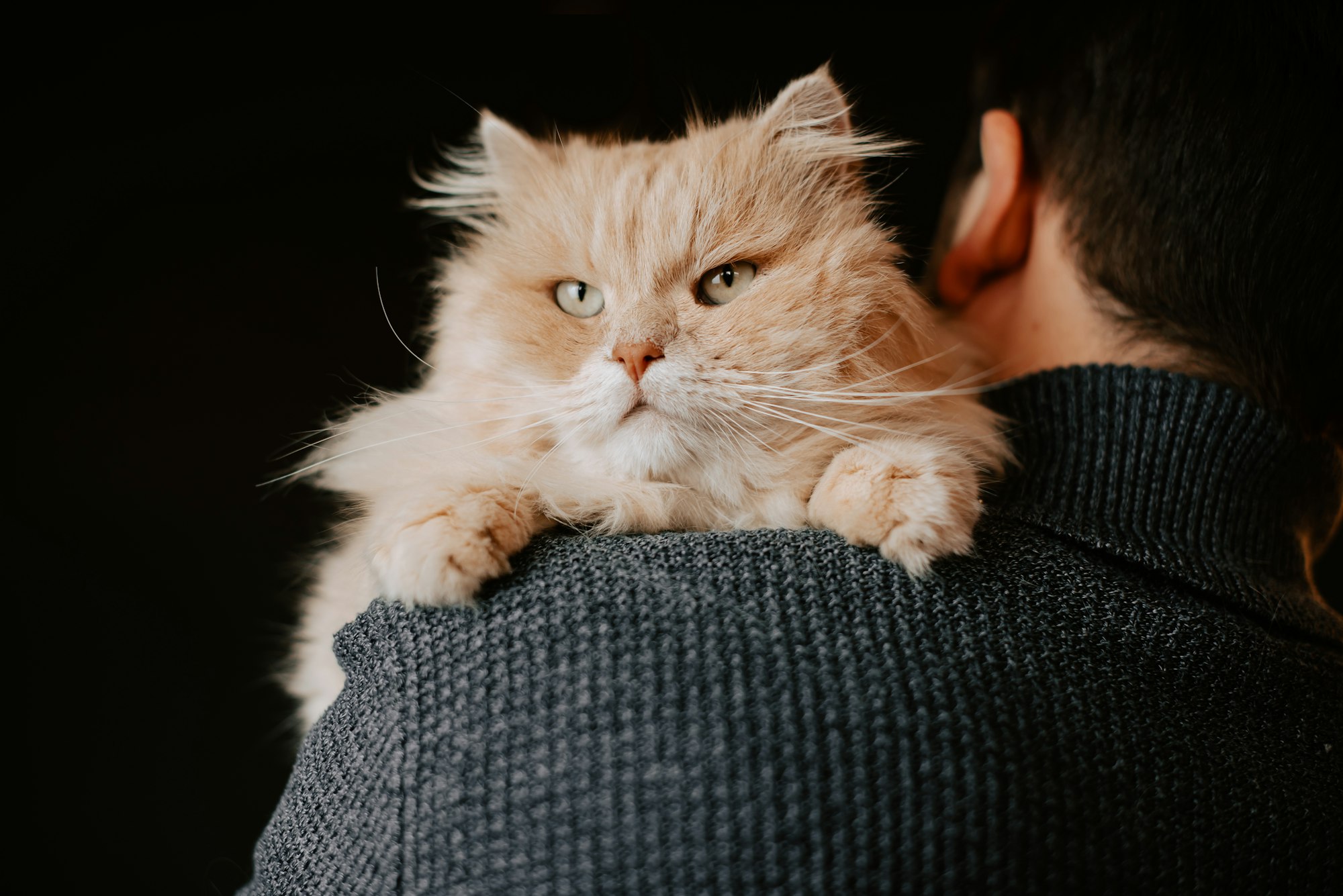
Have you ever noticed your cat acting strangely around someone who isn’t feeling well? You might think it’s just a coincidence, but cats have an incredible ability to sense things about people that we often miss.
What if your furry friend can actually detect health problems before you even realize there’s an issue? Imagine how powerful it would be to have a silent guardian watching over your well-being. You’ll discover the surprising ways cats pick up on your health and what that means for you.
Keep reading, because what your cat senses could change the way you understand your own body.

Credit: us.feliway.com
Cats And Human Senses
Cats have a unique way of connecting with the people around them. Their senses are finely tuned not only to their environment but also to the subtle changes in human behavior and health. Understanding how cats perceive the world and respond to human emotions can reveal surprising insights into their ability to sense health problems.
How Cats Perceive The World
Cats rely heavily on their acute senses to navigate their surroundings. Their sense of smell is incredibly powerful—far stronger than humans—which allows them to detect chemical changes in the body.
Have you noticed your cat sniffing you more when you feel unwell? This behavior isn’t random. Cats can pick up on subtle shifts in your scent caused by illness or stress hormones.
Besides smell, cats have sharp hearing and can detect high-frequency sounds that humans miss. They might respond to changes in your breathing or heartbeat when you’re sick, even if you don’t notice these changes yourself.
Sensitivity To Human Emotions
Cats are surprisingly sensitive to the emotions you express. They often react to anxiety, sadness, or pain by becoming more attentive or affectionate.
Think about a time when you felt down, and your cat suddenly sat close or started purring loudly. These actions suggest cats pick up on your emotional state and may offer comfort.
Studies show that cats can read human facial expressions and body language, helping them understand when something is off. This ability may explain why some cats seem to “know” when their owners have health issues.

Credit: weareallaboutcats.com
Detecting Physical Health Issues
Cats have a remarkable ability to detect physical health issues in their owners. Their keen senses pick up on subtle changes in your body that often go unnoticed by humans. Understanding how cats sense these changes can help you appreciate their unique connection to your well-being.
Sensing Changes In Body Chemistry
Cats can detect shifts in your body chemistry through their powerful sense of smell. Illnesses often alter the scent of your skin, breath, or sweat, and cats pick up on these differences instantly.
For example, some cats become more attentive or affectionate when their owner’s blood sugar drops, sensing a change that signals danger. Have you noticed your cat lingering around you more during times of stress or sickness? This behavior might be their way of responding to chemical changes in your body.
Response To Illness Symptoms
Cats also respond to visible or behavioral symptoms of illness. They may notice when you move differently, breathe oddly, or show signs of pain. Their reactions can range from increased closeness to cautious observation.
One cat I know would gently paw at her owner whenever she sensed a migraine coming on, almost like an early warning system. Could your cat’s sudden clinginess or restlessness be their way of telling you something’s off?
Pay attention to these subtle cues from your feline friend—they might be alerting you to health changes before you even realize there’s a problem.
Behavioral Clues From Cats
Cats are incredibly intuitive creatures, often picking up on subtle changes in their environment and the people around them. Their behavior can shift noticeably when someone near them is unwell. Paying attention to these behavioral clues can help you understand what your cat might be sensing about your health.
Unusual Cat Behavior Around Sick Individuals
Have you noticed your cat suddenly acting clingy or more attentive? Cats may follow you more closely or stay near you if they sense something is wrong.
Sometimes, they exhibit restlessness or vocalize more than usual around a sick person. They might also avoid certain areas or show signs of stress, like excessive grooming.
These behaviors aren’t random; they often reflect the cat’s response to changes in your body’s chemistry or mood. Imagine your cat picking up on a faint scent or a subtle change in your energy.
Cats As Early Warning Signs
Some cats have been known to alert their owners before a health issue becomes obvious. There are stories of cats sensing seizures or drops in blood sugar in diabetic individuals.
Your cat might nudge you, paw at you, or meow insistently just before you experience symptoms. This behavior can be lifesaving if you recognize it as a warning.
How closely do you watch your cat’s behavior when you’re feeling off? Noticing these signs early can prompt you to seek medical advice sooner.
Scientific Research And Findings
Scientists have explored how cats might sense health problems in people. Research aims to understand if cats can detect diseases through smell, behavior, or other cues. Studies examine cats’ ability to recognize changes in their owners’ bodies or habits. This research helps explain why cats sometimes behave differently around sick individuals.
Studies On Cats And Disease Detection
Several studies focus on cats detecting illnesses such as cancer or diabetes. Cats have a keen sense of smell that may pick up chemical changes in the human body. Some research shows cats can react to low blood sugar in diabetic owners. Other studies explore cats’ responses to seizures or infections.
- Cats may smell unique compounds released during illness.
- Behavioral changes in cats might signal awareness of health issues.
- Some cats alert owners before medical symptoms worsen.
These findings suggest cats have potential as health sensors, but more proof is needed.
Limitations Of Current Research
Research on cats and disease detection faces many challenges. Sample sizes in studies are often small, limiting results. Cats’ behavior can vary widely, making patterns hard to confirm. Scientists struggle to separate natural cat behavior from health sensing.
- Few controlled experiments with large groups of cats exist.
- Subjective interpretation of cats’ actions complicates findings.
- More rigorous testing is necessary for clear evidence.
Despite these limits, ongoing studies continue to explore cats’ health sensing abilities.
Anecdotal Evidence And Stories
Many people share stories of cats acting differently around those with health issues. These animals seem to notice changes in scent or behavior. Such anecdotal evidence suggests cats might sense illness before humans do.
Cats have long been seen as mysterious creatures, often attributed with an uncanny ability to sense things we cannot. Among these purported abilities is the instinctive knack for detecting health problems in humans. While scientific evidence may still be catching up, there’s an abundance of anecdotal stories that suggest our feline friends are more than just cute companions. These stories offer intriguing insights and provide a compelling perspective on the bond between humans and cats.Personal Accounts Of Cats Sensing Illness
Many cat owners have shared personal stories that highlight their pets’ intuitive abilities. One common theme is how cats behave differently when their owners are unwell. A woman in Texas recounted how her usually aloof cat became unusually affectionate, curling up on her abdomen for days. Later, she was diagnosed with ovarian cysts. Another intriguing tale involves a man whose cat consistently pawed at his chest every evening. Concerned by this odd behavior, he visited a doctor and discovered he had early-stage lung cancer. These accounts suggest that cats may notice subtle changes in body chemistry or temperature, alerting them to health issues.Famous Cases And Media Reports
Stories of cats detecting illness have also made headlines, capturing public imagination and sparking debates. Perhaps one of the most famous cases is that of Oscar, a therapy cat in Rhode Island. Oscar resided in a nursing home and reportedly sensed when residents were nearing the end of their lives, offering comfort in their final hours. His story gained widespread media attention, raising questions about animal intuition and empathy. Media outlets have also covered numerous stories where cats have seemingly predicted seizures or diabetic episodes in their owners. These reports often feature interviews with grateful pet owners who credit their cats with life-saving interventions. Such stories invite us to ponder the depths of the human-animal connection and whether these feline instincts could one day be scientifically understood. Have you ever noticed your cat behaving unusually when you’re feeling under the weather? These stories may make you wonder if your furry friend knows more than they let on. Whether through subtle behavioral changes or more dramatic interventions, cats seem to have an extraordinary ability to connect with us in our times of need.Implications For Health Monitoring
Cats have a unique ability to notice subtle changes in a person’s health. Their keen senses pick up on shifts in body chemistry, behavior, and even scent. These abilities offer new ways to monitor health and wellness. Understanding how cats detect health issues can improve early diagnosis and care.
Using Cats As Health Allies
Cats can sense changes before symptoms become obvious. They respond to shifts in blood sugar, seizures, and emotional states. This makes them valuable companions for people with chronic illnesses.
- Cats often stay close to their owners during health episodes.
- They may show unusual behavior, alerting owners to seek help.
- Owners can learn to recognize these signs for timely action.
Training cats to respond to specific health cues is possible but rare. Most cats naturally develop these skills through close bonds with their owners. This bond enhances the cat’s ability to act as a health monitor.
Integrating Cats Into Medical Practices
Healthcare providers are exploring ways to include cats in patient care plans. Their natural alertness could support early detection of health problems. Simple observation of a cat’s behavior might provide clues to doctors.
- Hospitals could encourage pet visits for patients with chronic conditions.
- Medical staff can train patients to note changes in their cat’s behavior.
- Research on cats’ health sensing abilities may lead to new tools.
Using cats in health monitoring is a gentle, cost-effective approach. It complements technology and traditional medical care, adding a personal touch to health management.
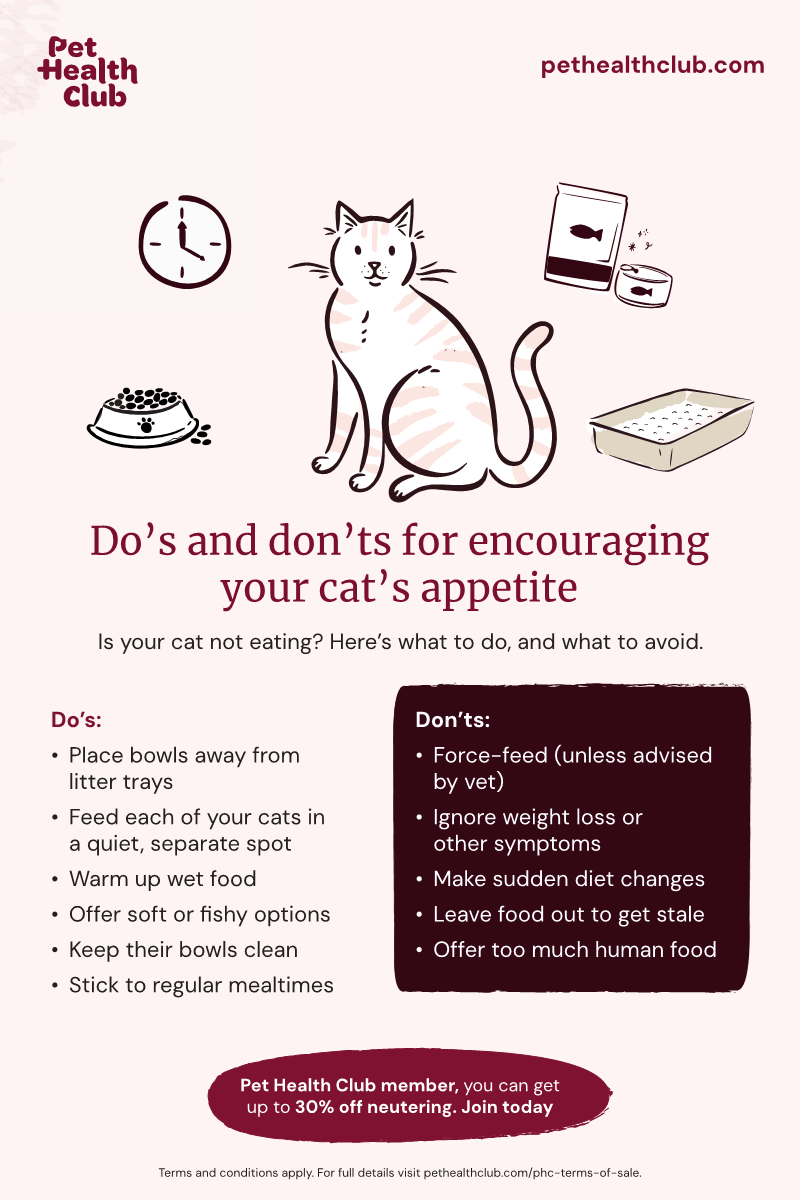
Credit: www.pethealthclub.com
Frequently Asked Questions
Can Cats Detect Illnesses In Humans?
Yes, cats can sense changes in human health through smell and behavior. They detect chemical changes linked to certain illnesses like diabetes or seizures.
How Do Cats Sense Health Problems?
Cats use their keen sense of smell and sensitivity to body language. They notice changes in scent, posture, and emotional state when health issues arise.
Do Cats Respond Differently To Sick People?
Cats often become more attentive or affectionate toward people who are unwell. This behavior may be their way of offering comfort or sensing vulnerability.
Can Cats Warn About Medical Emergencies?
Some cats have been known to alert owners to seizures or drops in blood sugar. Their behavior changes before symptoms appear, serving as an early warning.
Conclusion
Cats have a unique way of sensing changes in people’s health. They notice small shifts in behavior, smell, and body language. This helps them respond with comfort or alertness. Paying attention to your cat’s actions might reveal hidden health issues.
Their quiet presence offers more than just companionship. Trust your cat’s instincts—they often sense what we cannot. Understanding this bond can improve both your health and your cat’s well-being. Simple but powerful.




Leave a Reply