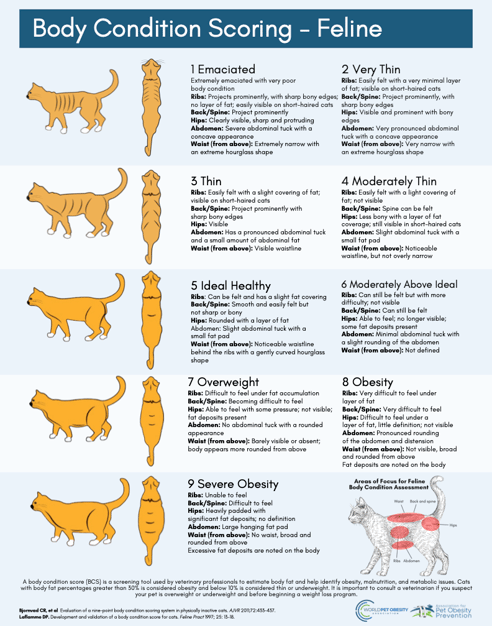
Are you thinking about adding a furry friend to your home but worried about health issues? Choosing a cat breed that tends to have fewer health problems can save you time, money, and heartache.
You want a companion who stays happy and healthy for years to come. You’ll discover which cats are known for their strong health and why they might be the perfect match for you. Keep reading to find out how to make a smart choice for your next feline friend.
Credit: pethelpful.com
Common Cat Health Issues
Understanding common health issues in cats helps you choose a breed with fewer problems. Every cat can face health challenges, but some breeds are more prone to certain conditions than others. Knowing these issues allows you to be proactive in care and prevention.
Genetic Disorders In Cats
Many health problems stem from genetic disorders passed down through breeding lines. Some breeds carry specific risks, such as hypertrophic cardiomyopathy in Maine Coons or polycystic kidney disease in Persians. If you want a cat with fewer health issues, look for breeds that have undergone health screenings.
Breeders who test for genetic conditions help reduce these risks. Ask about the parents’ health history before adopting. Your vet can also guide you on breeds known for robust health and longevity.
Environmental And Lifestyle Factors
Your cat’s environment plays a huge role in their health. Indoor cats often avoid contagious diseases but may develop obesity or stress-related problems. Outdoor cats face risks like parasites, injuries, and infections.
Think about your lifestyle and how it matches the needs of different breeds. Active breeds may need more space and stimulation, while others thrive in quieter settings. Simple changes, such as regular exercise and mental stimulation, can prevent many common health issues.
Traits Of Healthy Cat Breeds
Healthy cat breeds share key traits that help them live longer and avoid many health problems. These traits often come from their genetics and how well they adapt to different environments. Understanding these qualities helps in choosing cats that stay energetic and happy for years.
Genetic Diversity And Longevity
Genetic diversity means a breed has a wide range of genes. This variety lowers the chance of inherited diseases. Cats with diverse genes usually have stronger immune systems. They often live longer and stay healthy with fewer issues.
Breeds with limited gene pools face more health problems. These cats may carry the same genetic defects. Choosing breeds with broad genetic diversity supports better overall health.
Low Maintenance And Resilience
Resilient cats handle stress and changes well. They recover quickly from illness or injury. These cats need less grooming and special care. Low maintenance breeds are easier to keep healthy at home.
Resilient cats often adapt to different diets and environments. They are less prone to allergies and infections. This makes them a good choice for families or first-time cat owners.
Top Cat Breeds With Few Health Problems
Choosing a cat breed with fewer health problems can save you from unexpected vet bills and heartaches. These breeds often enjoy longer, happier lives with less medical intervention. If you want a feline companion that’s more likely to stay healthy, consider these top breeds known for their robust health.
Siberian Cat
The Siberian Cat is known for its strong immune system. This breed rarely suffers from genetic diseases common in many purebreds. Owners often share stories of their Siberians living well into their late teens without major health issues.
Are you looking for a playful yet hardy cat? The Siberian might be your perfect match.
Burmese Cat
Burmese cats have a reputation for good health and vitality. They are less prone to common feline illnesses and tend to have sturdy builds. Their affectionate nature combined with their resilience makes them a favorite for many families.
Think about how a low-maintenance cat could fit into your busy lifestyle.
American Shorthair
This breed is celebrated for its longevity and minimal health issues. The American Shorthair adapts well to various environments, contributing to its overall well-being. Many owners report very few visits to the vet beyond routine checkups.
Could a reliable, easygoing companion like this be what you need?
Russian Blue
Russian Blues are not only beautiful but also quite healthy. They have a strong genetic background that reduces the risk of hereditary diseases. Their calm demeanor and good health make them ideal for indoor living.
Do you want a cat that combines elegance with durability?
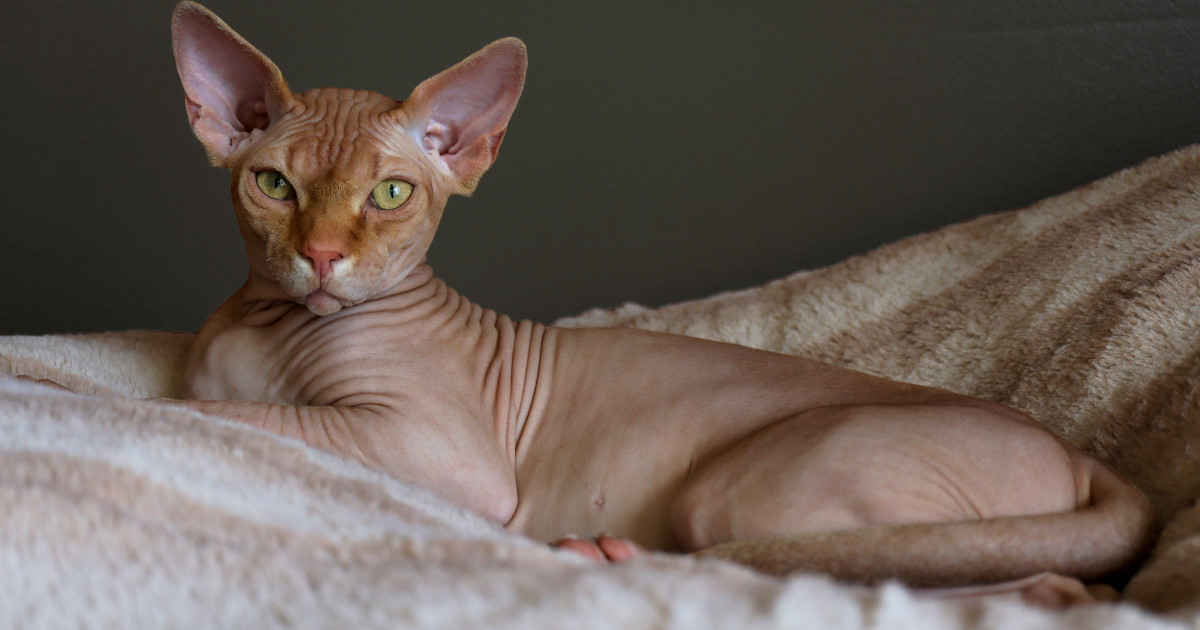
Sphynx Cat
The Sphynx Cat surprises many with its strong health despite its unique appearance. This breed requires special skin care but generally avoids many genetic conditions. Owners often praise its lively personality paired with robust health.
Are you ready to care for a cat that stands out and stays strong?
Credit: www.petmd.com
Tips For Maintaining Cat Health
Keeping a cat healthy requires consistent care and attention. Understanding simple habits can reduce health problems. These tips help cats live long and happy lives. A healthy cat shows love and energy every day.
Regular Vet Checkups
Schedule vet visits at least once a year. Early detection of health issues is vital. Vets check teeth, weight, and overall condition. Vaccinations and parasite control are also discussed. Regular visits keep your cat protected and fit.
Balanced Diet And Exercise
Provide a diet with the right nutrients and calories. Avoid giving too many treats or human food. Fresh water must be available at all times. Encourage playtime to keep muscles strong. Exercise helps prevent obesity and keeps joints healthy.
Preventive Care And Vaccinations
Vaccinations protect against common diseases. Follow your vet’s vaccination schedule strictly. Use flea and tick prevention regularly. Regular grooming removes dirt and checks for skin problems. Preventive care lowers the risk of serious illness.
Choosing The Right Healthy Cat Breed
Certain cat breeds tend to have fewer health issues and live longer, making them easier to care for. Choosing a breed known for strong health helps ensure a happy, active pet. Consider breeds like the American Shorthair or the Siamese for fewer medical concerns.
Choosing the right cat breed can lead to a healthier pet. Some cat breeds are known for fewer health issues. This choice impacts your cat’s well-being and your peace of mind.Matching Breed Traits With Lifestyle
Consider your lifestyle. Some breeds need more attention and exercise. Others are more independent. The Siamese cat is vocal and social. Perfect for active households. British Shorthairs are calm and low-maintenance. Ideal for quieter homes. Match the cat’s traits with your daily routine.Adopting From Responsible Breeders
Choose a breeder who prioritizes health. Responsible breeders test for genetic issues. They provide health clearances for kittens. Visit the breeder’s facility. Check the living conditions of the cats. Ask questions about the kitten’s health history. A responsible breeder ensures a healthy start for your new cat.
Credit: bowwowinsurance.com.au
Frequently Asked Questions
Which Cat Breeds Have The Fewest Health Issues?
Breeds like the Siamese, Maine Coon, and Russian Blue often show fewer health problems. These cats have strong genetics and good immune systems, making them generally healthier than many other breeds.
Are Mixed Breed Cats Healthier Than Purebreds?
Yes, mixed breed cats tend to have fewer genetic health issues. Their diverse gene pool reduces the risk of inherited diseases common in purebreds.
What Health Problems Are Rare In Healthy Cat Breeds?
Healthy cat breeds rarely face respiratory issues, kidney problems, or heart disease. They typically have strong immune systems and better overall resilience to common feline illnesses.
How Does Diet Affect Cat Health In Low-risk Breeds?
A balanced diet supports immune function and prevents obesity in cats. Proper nutrition helps maintain the health advantages of breeds with fewer genetic problems.
Conclusion
Choosing a cat breed with fewer health problems helps ensure a happy pet. Some breeds naturally stay healthier and live longer. Regular vet visits and good care keep cats feeling well. Remember, every cat is unique and needs love and attention.
Healthy cats bring joy and comfort to any home. Pick a breed wisely, but always focus on care and kindness. Your cat’s health depends on your daily choices. Simple steps make a big difference in their life. Keep your furry friend safe and strong.




Leave a Reply