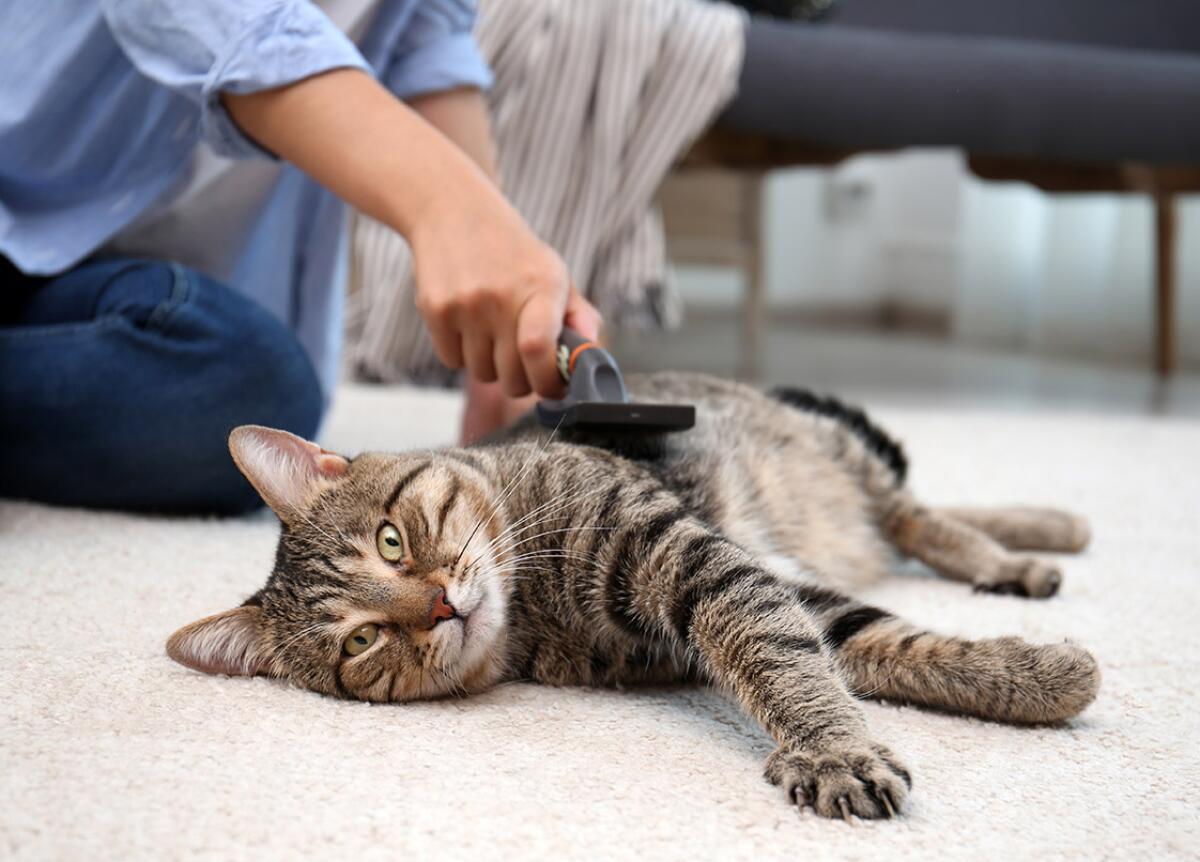
If your cat is scratching more than usual or seems restless, fleas might be the unwelcome guests causing the trouble. Grooming your cat for fleas is more than just a quick brush—it’s a vital step to keep your furry friend comfortable and healthy.
But what exactly does grooming for fleas involve? How can you spot the signs, and what tools do you need to get the job done right? Keep reading, because understanding the simple steps of flea grooming will empower you to protect your cat from these pesky parasites and bring back their happy, itch-free purr.
Identifying Flea Infestation
Identifying a flea infestation on your cat early can save both you and your furry friend from weeks of discomfort. Fleas are tiny, fast, and can hide in places you might not expect. Knowing what to look for and where to look can make a huge difference in catching the problem before it spreads.
Signs Of Fleas On Cats
Fleas cause more than just itching—they can lead to skin irritation and even infections. Watch for persistent scratching or biting, especially around the neck, tail base, and behind the ears. You might also notice small black specks on your cat’s fur—this is flea dirt, which is flea feces composed of digested blood.
Another clue is hair loss in patches. If your cat seems restless or is grooming excessively, it’s time to take a closer look. Flea bites can cause redness and inflammation, so check your cat’s skin for any unusual spots or scabs.
Checking Common Hiding Spots
Fleas love warm, sheltered areas on your cat’s body. Part the fur around the neck and shoulders, as fleas often gather there. Don’t forget the tail base and under the belly—these are favorite spots for fleas to hide and lay eggs.
Use a fine-toothed flea comb to sweep through your cat’s fur. Comb over a white towel or sheet so you can easily spot fleas or flea dirt. If you see tiny moving black dots or reddish specks, you’ve found evidence of fleas.
Have you ever found fleas in unexpected places on your cat? Paying attention to these common hiding spots can help you catch an infestation early, making treatment quicker and more effective.

Credit: www.latimes.com
Preparing For Grooming
Preparing your cat for flea grooming sets the stage for a smooth and effective session. Getting ready helps reduce stress for both you and your pet. It also makes the process faster and safer. Take time to prepare well before you begin grooming.
Gathering Necessary Tools
Collect all the tools you need before starting. This keeps everything close and saves time. Common tools include:
- A flea comb with fine teeth
- A bowl of warm soapy water
- Pet-safe flea shampoo
- Soft towels
- Gloves to protect your hands
- A brush to remove loose fur
Having these items ready helps you work calmly. Avoid searching for tools during grooming.
Creating A Calm Environment
Choose a quiet, comfortable spot for grooming. Avoid places with loud noises or distractions. Soft lighting helps your cat feel safe. Keep the room warm to prevent chills.
Speak in a gentle voice and move slowly. Let your cat sniff the tools first. Offer treats to encourage cooperation. Taking these steps lowers anxiety and builds trust.
Bathing Techniques
Bathing your cat to remove fleas requires patience and the right approach. It’s not just about getting your cat wet—it’s about making sure the flea shampoo works effectively without stressing your pet. Knowing how to choose the right shampoo and following a careful bath routine can make a huge difference.
Choosing The Right Flea Shampoo
Not all flea shampoos are created equal. Look for products specifically made for cats, as their skin is more sensitive than dogs’. Avoid shampoos with harsh chemicals that can irritate your cat’s skin or cause allergic reactions.
Check the label for active ingredients like pyrethrin or selamectin, which are effective against fleas but safe for cats when used correctly. If your cat has health issues or is very young, consult your vet before picking a flea shampoo.
Have you ever noticed your cat scratching more after a bath? That might mean the shampoo you used wasn’t the best fit. Paying attention to your cat’s response can help you choose better products next time.
Step-by-step Bath Process
- Prepare the Area:Use a sink or a small tub with a rubber mat to prevent slipping. Gather all supplies—flea shampoo, a cup for rinsing, towels, and a brush.
- Brush Your Cat:Before wetting, gently brush to remove loose fur and fleas. This reduces the number of fleas and makes shampooing easier.
- Wet the Cat:Use lukewarm water and pour it slowly over your cat’s body. Avoid the head to prevent water in ears and eyes, which can cause discomfort.
- Apply Flea Shampoo:Massage the shampoo into the fur thoroughly, covering all areas except the face. Let it sit for the time recommended on the label to kill fleas effectively.
- Rinse Completely:Use clean water to rinse out all shampoo. Leftover residue can irritate your cat’s skin and attract more dirt.
- Dry Your Cat:Wrap in a towel and gently pat dry. If your cat tolerates it, use a hairdryer on a low setting, but watch for signs of stress.
Have you ever tried bathing a cat and felt like it was an uphill battle? Keeping your voice calm and offering treats can help turn bath time into a less stressful experience for both of you. What small changes could you make to improve your cat’s bath routine?
Credit: extension.msstate.edu
Combing And Removing Fleas
Combing and removing fleas is a hands-on process that requires patience and attention to detail. It’s about more than just catching fleas—you need to ensure you remove them effectively without causing stress to your cat. This part of grooming targets the immediate problem and helps you track the flea population on your pet.
Using A Flea Comb Effectively
A flea comb has very fine teeth designed to catch fleas, flea eggs, and debris from your cat’s fur. Hold your cat gently but firmly to keep them calm during the process. Start at the head and move the comb slowly through the fur, focusing on areas like the neck, behind the ears, and around the tail where fleas love to hide.
After each pass, check the comb closely. Fleas look like tiny dark dots, often moving quickly. Use a white paper towel or shallow dish with soapy water to wipe the comb clean—this prevents fleas from hopping back onto your cat.
Disposing Of Fleas Safely
Once you remove fleas, you must dispose of them properly to stop them from returning. Simply brushing them off onto the floor allows them to survive and reinfest your cat. Instead, dunk the fleas into soapy water to drown them instantly.
Do you have a dedicated container or bowl for this? It’s a small setup that can make a big difference. Keeping soapy water ready during combing saves time and ensures no fleas escape. Never flush fleas down the toilet, as they can survive and cause problems in plumbing systems.
Post-grooming Care
Post-grooming care involves checking your cat’s skin and fur for leftover fleas or eggs. Gently combing and cleaning helps keep your cat comfortable and prevents flea return. Regularly washing bedding and using flea treatments supports long-term flea control.
Post-Grooming Care plays a crucial role in maintaining your cat’s health after flea removal. Ensuring your cat is comfortable and healthy after grooming is essential. This involves careful attention to drying and monitoring their skin.Drying Your Cat Properly
Ensure your cat is dry to prevent chills. Use a soft towel to pat them gently. Avoid rubbing too hard, which may irritate their skin. Some cats tolerate a hairdryer on a low setting. Keep the dryer at a safe distance to avoid burns. Ensure the room is warm enough to help your cat dry off naturally. Make sure they have a cozy spot to rest.Monitoring For Skin Irritations
After grooming, watch for any signs of skin irritation. Redness or swelling could indicate an allergic reaction. Check your cat’s behavior for excessive scratching or licking. These can be signs of discomfort or irritation. If you notice anything unusual, consult a veterinarian. Regular monitoring helps keep your cat healthy and happy.Preventing Future Infestations
Stopping fleas before they become a big problem saves you and your cat a lot of stress. Preventing future infestations means staying ahead with consistent care and attention. It’s not just about treating your cat once, but making small habits part of your routine that keep fleas away for good.
Regular Grooming Routine
Grooming your cat regularly is a powerful way to spot fleas early and stop them from multiplying. Use a fine-toothed flea comb to check your cat’s fur, especially around the neck and tail areas. This habit lets you catch fleas or flea dirt before an infestation takes hold.
Make grooming a calm, bonding time for you and your cat. Your cat will be less stressed and more cooperative, making it easier to spot any problems. How often you groom depends on your cat’s lifestyle, but aiming for several times a week is a good start.
Environmental Cleaning Tips
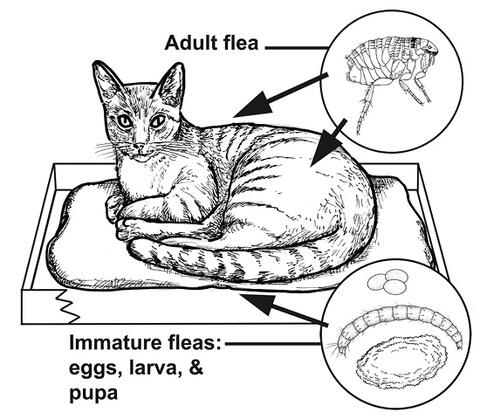
Fleas don’t just live on your cat—they can hide in your home too. Vacuum carpets, rugs, and furniture regularly to remove eggs, larvae, and adult fleas. Don’t forget to empty the vacuum bag or canister immediately after to prevent fleas from escaping back into your space.
Wash your cat’s bedding in hot water at least once a week. This simple step kills fleas at all stages of life. You might also consider using flea sprays or powders designed for your home, but be sure they’re safe for pets and family members.
Using Preventative Treatments
Preventative flea treatments are your best defense against future infestations. Options like topical solutions, oral medications, or flea collars provide ongoing protection. Choose products recommended by your vet to suit your cat’s age, health, and lifestyle.
Applying treatments consistently is key—missing doses can give fleas a chance to return. Have you ever missed a dose and seen fleas come back? Staying on schedule keeps your cat comfortable and flea-free.

Credit: www.latimes.com
Frequently Asked Questions
What Is Cat Grooming For Fleas?
Cat grooming for fleas involves brushing and bathing to remove fleas. It helps prevent infestations and keeps your cat comfortable and healthy.
How Often Should I Groom My Cat For Fleas?
Groom your cat weekly during flea season or if you notice itching. Regular grooming helps catch fleas early and reduces their spread.
What Tools Are Best For Flea Grooming Cats?
Use a fine-toothed flea comb and mild cat shampoo. These tools help remove fleas and soothe irritated skin effectively.
Can Grooming Alone Eliminate Fleas On Cats?
Grooming helps remove fleas but may not eliminate infestations. Combine grooming with flea treatments for the best results.
Conclusion
Grooming a cat for fleas helps keep your pet healthy and happy. Regular brushing removes fleas and dirt from fur. Using flea combs catches tiny pests you might miss. Bathing with safe shampoo soothes itchy skin. Checking your cat often stops fleas from spreading fast.
Clean bedding and your home to prevent flea return. Patience and care make grooming easier over time. A flea-free cat means less scratching and more comfort. Simple steps protect your furry friend every day.



Leave a Reply