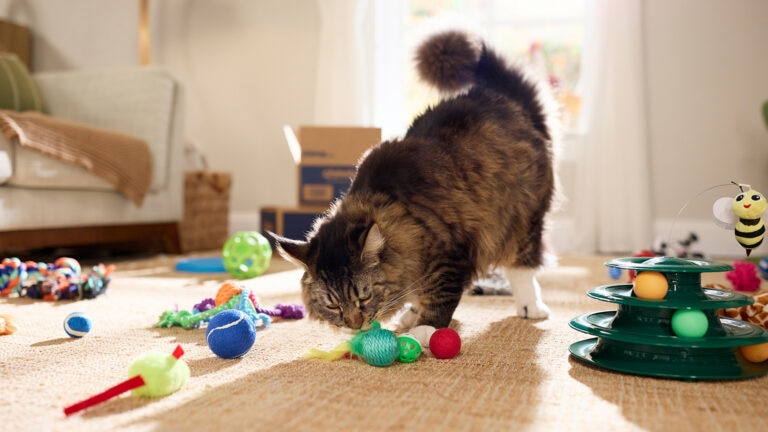
Have you ever bought a colorful toy for your cat, only to watch it ignore the new gift completely? It can be confusing and a little frustrating.
You might wonder, why do cats not like toys? Understanding your cat’s behavior can help you connect better and make playtime more fun for both of you. You’ll discover the surprising reasons behind your cat’s toy aversion and learn simple tips to spark their interest.
Keep reading—you’re about to unlock secrets that will change how you and your furry friend play forever.
Natural Hunting Instincts
Cats are natural hunters, and their instincts shape how they interact with their environment. These instincts make them highly selective about what they find engaging, especially when it comes to toys. Understanding these hunting instincts can help you see why some toys fail to capture your cat’s interest.
Prey Simulation Challenges
Cats expect toys to mimic real prey in unpredictable ways. Simple toys, like balls or static objects, often don’t satisfy their need for a realistic hunt. If a toy moves too mechanically or predictably, your cat may quickly lose interest.
Think about your own experience watching a movie versus being in a live event. The excitement comes from unpredictability and the challenge. Your cat feels the same; a toy that doesn’t simulate the sudden stops, quick turns, or hiding behaviors of prey won’t trigger their hunting drive.
Preference For Real Movement
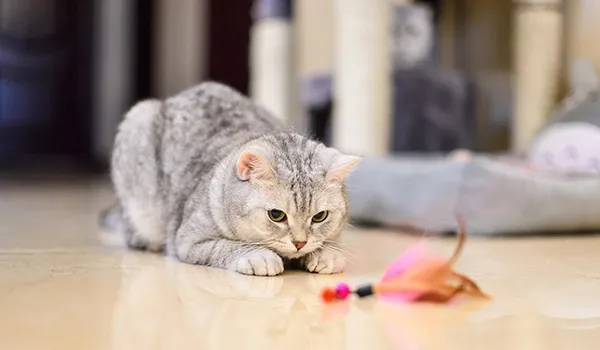
Movement is key for engaging your cat’s attention. Cats are wired to respond to the twitch of a tail, the flutter of wings, or the scurry of small creatures. Toys that lack this kind of natural movement often fail to hold their interest.
Try waving a feather wand or dragging a string slowly across the floor. Notice how your cat’s eyes lock on and their body tenses in anticipation. This is because the movement is unpredictable and closely resembles real prey behavior.
Have you observed what kinds of motions excite your cat the most? Tailoring playtime to include toys that move unpredictably can transform your cat’s experience and make playtime truly satisfying.
Credit: www.barkandwhiskers.com
Individual Personality Traits
Every cat has a unique personality that shapes how they interact with their environment—including toys. Understanding your cat’s individual traits can help explain why some cats ignore toys while others chase them eagerly. Let’s look at how personality differences impact their play preferences.
Shy Vs. Playful Cats
Some cats are naturally shy or cautious. They may avoid toys because new objects make them anxious or overwhelmed. If your cat hides when you bring out a toy, it doesn’t mean they dislike play—it might just mean they need more time to feel safe.
On the other hand, playful cats are curious and bold. They often pounce on toys immediately and enjoy interactive play. If you notice your cat only plays when alone or with certain toys, it could reflect their comfort level or preferences.
Have you noticed your cat’s reaction to new toys? Observing how they approach play can give you clues about their personality and help you choose toys that suit them better.
Age And Energy Levels
Age plays a huge role in your cat’s interest in toys. Kittens usually have boundless energy and love to chase and pounce. As cats grow older, their energy dips, and they might prefer quieter activities.
Senior cats might not show enthusiasm for toys that require high energy. Instead, they may enjoy softer, slower-moving toys or gentle games you can share. Adjusting playtime to your cat’s energy level can make a big difference.
Consider how your cat’s age influences their play style. Could a change in toy type or play routine renew their interest?
Past Experiences
Past experiences shape how your cat reacts to toys. Just like people, cats remember what felt good or scary. These memories can either make them curious or completely avoid playtime.
Negative Associations
Sometimes, cats link toys to unpleasant events. If a toy was used during a scary vet visit or caused pain, your cat might see it as a threat.
Imagine your cat swatting at a noisy toy, then getting startled by a loud sound. That sudden fear can make them avoid toys altogether.
Try observing your cat’s body language when introducing new toys. If they seem tense or try to hide, give them space and try again later with softer, quieter toys.
Lack Of Early Exposure
Kittens learn what to play with by watching their mother and siblings. If they missed this early social play, toys may feel unfamiliar or confusing.
I once had a rescue cat who ignored every toy. It took weeks of gentle encouragement before she felt safe enough to chase a feather wand.
Start with simple, soft toys and let your cat explore at their own pace. Patience can turn even the most indifferent cat into a playful companion.

Credit: www.reddit.com
Toy Design Flaws
Cats are often picky about their toys. One main reason is flaws in toy design. Many toys do not match what cats naturally like or need. This makes cats lose interest quickly. Understanding these design flaws helps us pick better toys for our pets.
Unappealing Textures
Cats use their paws and mouths to explore toys. Rough or hard materials can feel strange or unpleasant. Soft and fuzzy textures often attract cats more. Toys made from plastic or metal may seem cold and boring. Cats prefer textures that mimic prey like fur or feathers.
Some toys have sticky or slippery surfaces. These confuse cats and reduce playtime. A texture that is too smooth stops cats from gripping. On the other hand, very rough textures can hurt their paws or teeth. Designers should balance softness and durability for the best results.
Inappropriate Sizes And Shapes
Cats like toys they can carry, bat, or chase easily. Oversized toys can be too heavy or hard to move. Tiny toys risk being swallowed or lost quickly. Shape matters too. Round toys that roll unpredictably engage cats more.
Flat or oddly shaped toys may not attract cats’ attention. Toys resembling small animals encourage natural hunting instincts. Long or stiff toys can feel unnatural and uninteresting. Perfect toys fit comfortably in a cat’s mouth and paws.
Health And Comfort Factors
Cats may avoid toys due to discomfort or lack of interest in certain textures or shapes. Their health and comfort affect how they engage with play objects. Quiet, soft, and safe toys often attract more attention from sensitive cats.
Cats not playing with toys can puzzle many pet owners. You might wonder why your feline friend isn’t excited about that new toy mouse. Often, the answer lies in their health and comfort levels. If a cat is not feeling well, toys might be the last thing on their mind.Physical Discomfort Or Pain
Cats are experts at hiding pain, making it hard to detect if they’re uncomfortable. A cat with arthritis, dental issues, or other ailments might avoid toys due to physical discomfort. Observe their behavior closely. A sudden disinterest in play could be a sign of underlying pain. Regular vet check-ups can help ensure your cat’s health and comfort.Stress And Anxiety
Just like humans, cats can experience stress and anxiety. Changes in environment, new pets, or a lack of safe spaces can make them anxious. When stressed, cats may shy away from toys they once loved. Creating a calm environment with cozy hiding spots can help alleviate their anxiety. Consider what might be causing stress in your cat’s life. Could a new routine or environmental change be affecting them? Addressing these factors can make a big difference in your cat’s willingness to play. Understanding your cat’s behavior can deepen your bond. Are you noticing any signs of discomfort or stress in your pet? Taking proactive steps can ensure a happier, more playful feline friend.
Credit: www.kittyhelpdesk.com
Alternative Engagement Methods
Sometimes, cats might ignore toys because they crave different kinds of interaction. Understanding what truly captures your cat’s attention can change how you engage with them. Alternative engagement methods focus on strengthening your bond and stimulating their natural instincts beyond simple playthings.
Interactive Play Techniques
Try using wand toys or laser pointers that mimic prey movements. These tools encourage your cat to chase, pounce, and stalk, which taps into their hunting instincts. Have you noticed how your cat’s eyes light up when you move a feather toy unpredictably? That’s a sign they’re fully engaged.
Another idea is to let your cat “hunt” for treats hidden in different spots. This adds a rewarding challenge and keeps their mind sharp. You can also try short, frequent play sessions instead of long ones—they often prefer quick bursts of activity.
Environmental Enrichment Ideas
Think about your cat’s environment as a playground full of opportunities. Adding climbing shelves or window perches gives your cat new places to explore and observe. Have you ever seen your cat spend hours watching birds outside? Replicating that curiosity indoors can be very satisfying for them.
Introduce puzzle feeders or boxes to stimulate problem-solving skills. These simple changes make mealtime more exciting and mentally stimulating. Even rotating toys and rearranging furniture can keep their surroundings fresh and interesting.
Frequently Asked Questions
Why Do Some Cats Ignore Toys Completely?
Some cats ignore toys due to lack of interest or boredom. They prefer natural hunting instincts and real prey over artificial toys. Also, improper toy type or texture may fail to engage them.
How Can I Make Toys More Appealing To My Cat?
Use toys that mimic prey movements, like feathers or lasers. Rotate toys regularly to maintain novelty. Adding catnip or interactive play can boost interest and engagement.
Do All Cats Dislike Toys Or Only Some Breeds?
Not all cats dislike toys; preferences vary by personality, age, and breed. Some cats are naturally more playful, while others prefer quiet or solitary activities.
Can A Cat’s Past Experience Affect Toy Interest?
Yes, cats with negative past experiences or lack of early play may avoid toys. Gradual introduction and positive reinforcement can help build interest over time.
Conclusion
Cats may ignore toys because they prefer real movement and scents. Each cat has unique likes and dislikes. Some cats get bored easily or feel stressed. Toys that mimic prey often work best. Watching your cat helps find what excites them.
Patience is key when introducing new playthings. Playtime builds trust and keeps cats healthy. Understanding your cat’s nature makes play more fun. Keep trying different toys to find the right match. Happy cats often enjoy simple, natural play moments.



Leave a Reply