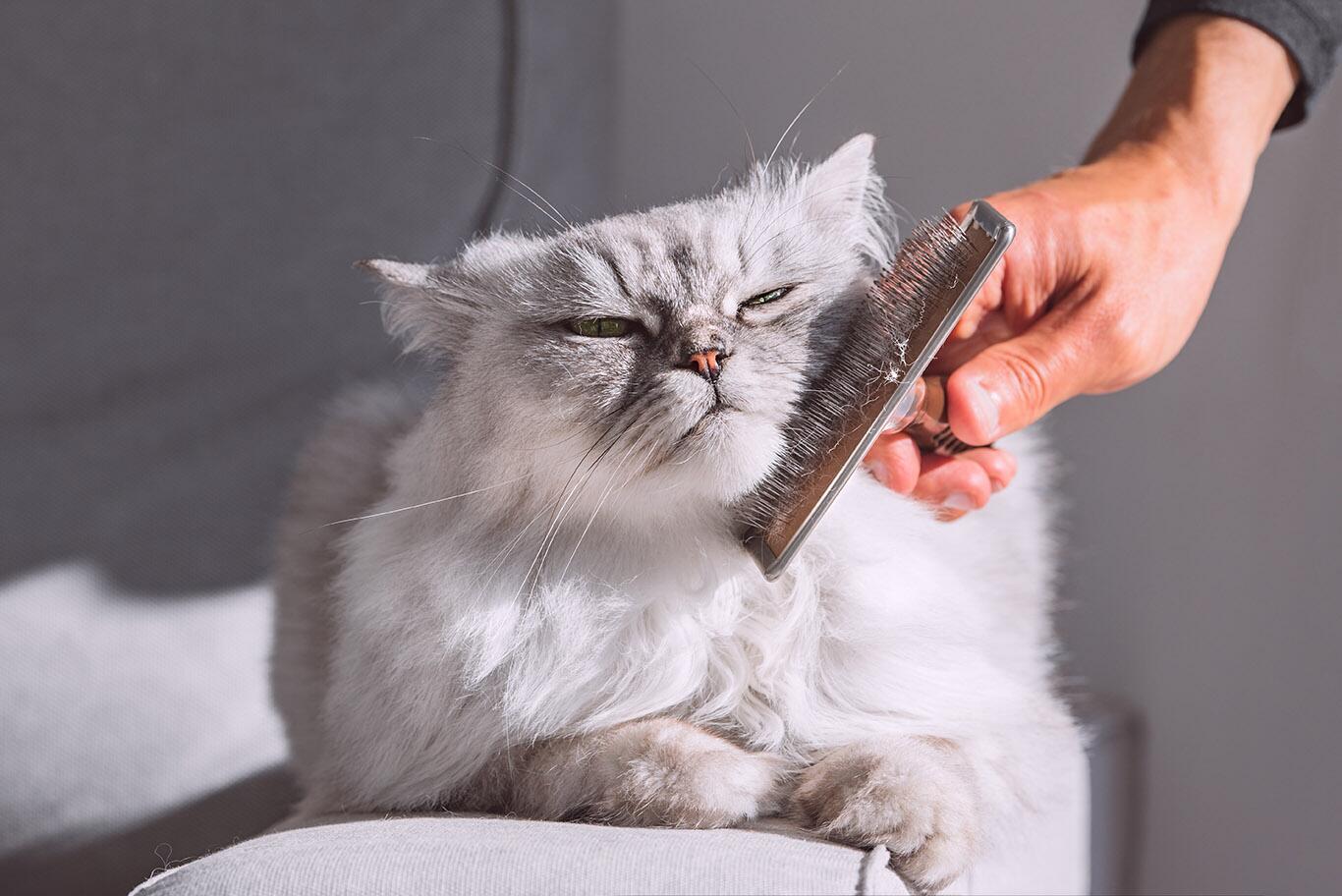
If you have a Persian cat, you know how beautiful and fluffy they are. But keeping their coat clean and tangle-free can be a challenge.
Grooming your Persian cat at home doesn’t have to be hard or time-consuming. With the right tips and tools, you can make grooming a calm and enjoyable experience for both you and your furry friend. Ready to learn how to keep your Persian cat looking its best every day?
Keep reading, and you’ll discover simple steps that make a big difference.

Credit: cats.com
Persian Cat Grooming Essentials
Persian cats require regular grooming to keep their luxurious coat healthy and free from mats. Understanding the essentials helps you create a routine that your cat will enjoy and that keeps them looking their best. The right tools and a calm environment make grooming easier for both you and your feline friend.
Choosing The Right Tools
Select tools designed specifically for long-haired cats. A wide-tooth comb helps detangle without pulling, while a slicker brush removes loose fur and prevents mats. You might also want a metal flea comb for delicate areas like the face and neck.
Consider the quality of the tools as well. Cheap brushes can break hairs or irritate your cat’s skin. Investing in good-quality grooming supplies can save you time and keep your cat comfortable.
Setting Up A Comfortable Grooming Space
Pick a quiet, well-lit area where your cat feels safe. A non-slip mat on a table or your lap can provide stability. Avoid loud noises or distractions that might make your cat nervous.
Keep treats nearby to reward your cat for staying calm. If your cat shows signs of stress, pause and try again later. Creating a positive grooming experience encourages cooperation and reduces anxiety over time.
Daily Fur Care Routine
Keeping your Persian cat’s fur healthy means committing to a daily fur care routine. This routine prevents tangles, reduces shedding, and keeps your cat comfortable. Spending just a few minutes each day can make a big difference in how your cat looks and feels.
Brushing Techniques For Tangle-free Fur
Use a wide-tooth comb first to gently loosen any knots without pulling. Follow up with a fine-tooth comb or a slicker brush to smooth out the fur. Brush in the direction of hair growth to avoid hurting your cat.
Pay special attention to areas where mats form easily, like behind the ears, under the legs, and around the neck. If you find a stubborn tangle, don’t pull hard—hold the fur close to the skin and work through the knot slowly. This technique reduces discomfort and keeps your cat calm.
Dealing With Shedding And Loose Hair
Persian cats shed year-round, so daily brushing helps remove loose hairs before they end up on your furniture. Use a grooming glove or a soft brush to catch shedding hair effectively. Regular brushing also reduces the risk of hairballs, which can upset your cat’s digestion.
Try to make grooming a positive experience by talking softly and offering treats. Have you noticed if your cat prefers certain tools or brushing times? Adjusting your routine to your cat’s preferences can turn grooming into a bonding moment instead of a chore.
Bathing Your Persian Cat
Bathing your Persian cat is an important part of grooming. Their long fur collects dirt and oils easily. Regular baths help keep their coat clean and shiny. Bath time can also reduce shedding and prevent matting. Proper care during baths makes the experience safe and comfortable for your cat.
Frequency And Preparation
Persian cats do not need frequent baths. Bathing every 4 to 6 weeks works well. Too many baths can dry out their skin. Prepare the bathing area before starting. Use a sink or a small tub with warm water. Gather all supplies such as towels, shampoo, and conditioner. Brush your cat gently to remove loose hair and tangles first.
Safe Shampoo And Conditioner Options
Choose shampoos made specifically for cats. Avoid human shampoos as they can irritate skin. Look for gentle, hypoallergenic formulas. Shampoos with natural ingredients work best. Use a conditioner to keep fur soft and smooth. Apply conditioner only if your cat tolerates it well. Rinse thoroughly to remove all product residues.
Drying Tips To Protect The Fur
Dry your Persian cat carefully after the bath. Start by wrapping them in a soft towel. Pat the fur gently to soak up water. Avoid rubbing which can cause tangles. Use a low heat setting on a hairdryer if your cat allows. Keep the dryer moving and maintain distance from fur. Let your cat air dry in a warm room to finish.

Credit: pursianpaws.com
Managing Common Fur Problems
Persian cats have thick, long fur that needs regular care to stay healthy. Managing common fur problems helps keep your cat comfortable and looking great. Paying attention to their coat prevents pain and skin issues. Understanding how to handle mats, irritations, and allergies is essential for every owner.
Preventing And Removing Mats
Mats form when fur tangles and clumps tightly. They cause discomfort and skin problems. Brush your Persian cat daily using a wide-tooth comb or slicker brush. Focus on areas prone to mats, like behind the ears, under the legs, and around the neck.
- Gently detangle small mats with fingers or a mat splitter.
- Use a detangling spray to ease stubborn knots.
- Cut out severe mats carefully with blunt scissors, avoiding skin cuts.
Regular grooming reduces mat formation and keeps fur smooth.
Handling Skin Irritations And Allergies
Skin irritations cause redness, itching, and hair loss. Allergies trigger similar symptoms. Check your cat’s skin weekly during grooming. Look for redness, bumps, or flaky patches.
- Use hypoallergenic shampoos made for cats.
- Keep the grooming area clean and dust-free.
- Change your cat’s diet if advised by a vet.
- Limit exposure to common allergens like pollen or certain cleaning products.
Consult a vet if irritations persist or worsen. Early care prevents serious skin problems.
Nail And Eye Care
Grooming a Persian cat at home requires special attention to nail and eye care. These cats are known for their long fur and distinctive features. Regular grooming keeps them healthy and happy. Focus on trimming nails and cleaning their eyes carefully.
Trimming Nails Safely
Keeping your Persian cat’s nails trimmed is essential. Long nails can cause discomfort. Use a pet nail clipper designed for cats. Before starting, ensure your cat is calm. Gently hold one paw and press to extend the nails. Trim only the sharp tips. Avoid cutting the quick, which is sensitive and pinkish. If you’re unsure, consult your vet or a professional groomer.
Cleaning Tear Stains And Eyes
Persian cats often have tear stains due to their facial structure. Clean their eyes gently to prevent irritation. Use a soft, damp cloth or cotton pad. Wipe from the corner of the eye outward. Choose a pet-safe eye cleaner if needed. Regular cleaning helps avoid infections. Be gentle and patient during this process. Reward your cat after grooming for good behavior.
Diet And Health For Shiny Fur
A healthy diet plays a key role in keeping a Persian cat’s fur shiny and soft. Proper nutrition supports skin health and fur growth. Balanced meals with the right nutrients help prevent dryness and shedding. Feeding quality food boosts the coat’s natural glow and texture.
Good health also contributes to a beautiful coat. Regular vet check-ups ensure your cat’s skin and fur stay in top condition. Hydration is important too. Fresh water keeps skin hydrated, reducing flakiness and dullness. Clean skin means a smooth, glossy coat.
Nutrition Tips To Enhance Coat Quality
- Choose cat food rich in proteins like chicken, fish, or turkey.
- Include omega-3 and omega-6 fatty acids to nourish skin and fur.
- Offer foods with vitamins A, E, and biotin for healthy hair growth.
- Ensure your Persian gets enough water daily to stay hydrated.
- Avoid foods with excessive fillers or artificial additives.
Supplements For Healthy Skin And Fur
- Fish oil supplements support shiny and soft fur.
- Vitamin E helps reduce skin inflammation and dryness.
- Biotin promotes strong hair and reduces hair loss.
- Zinc supports skin repair and overall coat health.
- Consult a vet before starting any new supplements.
When To Seek Professional Help
Knowing when to seek professional help is crucial for keeping your Persian cat healthy and comfortable. Some grooming challenges require expert care to prevent pain or further complications. Paying attention to warning signs can save your pet from unnecessary suffering.
Recognizing Signs Of Grooming Issues
Watch for persistent mats that you cannot detangle without hurting your cat. If your Persian shows signs of skin irritation, redness, or hair loss, these are clear indicators that professional grooming or veterinary care is needed.
Also, notice changes in behavior such as excessive scratching, biting, or hiding during grooming sessions. If your cat becomes unusually stressed or aggressive, it might be time to let an expert step in.
Have you ever struggled with removing a tough mat that caused your cat to hiss? That’s a moment to pause and consider professional intervention.
Choosing A Groomer Or Veterinarian
Select a groomer or vet experienced with Persian cats. Their thick, long fur requires special tools and techniques you won’t find everywhere.
Look for professionals who demonstrate patience and understanding of your cat’s temperament. Ask about their experience with grooming sensitive skin and managing mats safely.
Don’t hesitate to visit the facility beforehand. Seeing how they handle animals can give you peace of mind and ensure your cat is in good hands.
- Check online reviews and ask for recommendations from other Persian cat owners.
- Confirm that the groomer or vet uses gentle, cat-friendly products.
- Ensure they can provide emergency care if your cat has a grooming-related injury.
Credit: www.petscare.com
Frequently Asked Questions
How Often Should I Groom My Persian Cat?
Persian cats need grooming daily to prevent mats and tangles. Their long fur easily collects dirt and debris. Regular brushing also reduces shedding and hairballs. Consistent grooming keeps their coat healthy and shiny. It’s essential for their overall comfort and hygiene.
What Tools Are Best For Grooming Persian Cats?
Use a wide-tooth comb, slicker brush, and grooming scissors. The comb detangles fur gently, while the slicker brush removes loose hair. Scissors help trim around sensitive areas. These tools ensure effective grooming without hurting your Persian cat’s delicate coat.
How Do I Prevent Mats In A Persian Cat’s Fur?
Brush your Persian cat’s fur daily to prevent mats. Pay extra attention to areas behind ears and under legs. Use detangling spray if needed for stubborn knots. Regular grooming breaks up hair tangles before they form mats. Prompt attention keeps your cat comfortable.
Can I Bathe My Persian Cat At Home?
Yes, but bathe your Persian cat every 4 to 6 weeks. Use a cat-specific shampoo and lukewarm water. Rinse thoroughly to avoid skin irritation. Dry the fur completely with a towel and a low-heat dryer. Bathing helps keep their coat clean and healthy.
Conclusion
Grooming your Persian cat at home keeps them healthy and happy. Regular brushing stops mats and tangles. Clean their eyes and ears gently every day. Trim nails carefully to avoid pain. Use the right tools for best results. Patience and kindness make grooming easy.
Your cat will enjoy the attention and care. A clean, well-groomed cat looks beautiful and feels great. Small daily efforts bring big rewards. Start today for a happier pet tomorrow.



Leave a Reply