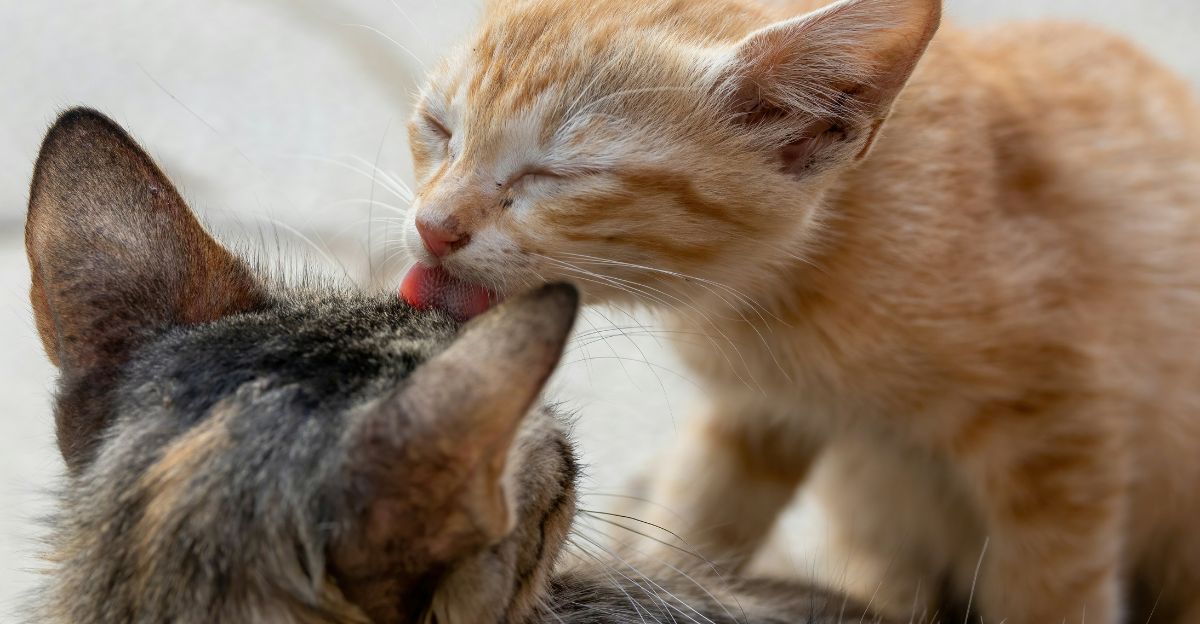
Have you ever watched your cats grooming each other and wondered what it really means? When cats lick and clean each other, it’s more than just keeping tidy.
This behavior can tell you a lot about their relationship and how they feel around each other. If you want to understand whether this is a good sign or something to watch out for, keep reading. By the end, you’ll know exactly what your cats are trying to say with their grooming habits—and how it affects their bond.
Why Cats Groom Each Other
Cats grooming each other is a common and meaningful behavior. It shows more than just cleaning. This act has deep roots in their social life and feelings. Understanding why cats groom each other helps us see their relationships better.
Grooming builds trust and connection among cats. It also helps them feel safe and calm. Each lick and nibble carries a message. Let’s explore the main reasons cats groom one another.
Social Bonding
Grooming creates a strong bond between cats. It shows friendship and acceptance. Cats in the same family or group often groom each other. This behavior keeps them close and united. It reduces conflicts and builds peace. Grooming also helps kittens learn social skills from their mothers.
Stress Relief
Grooming calms cats during tense moments. It lowers stress and anxiety levels. When cats lick each other, it releases feel-good chemicals in their brains. This makes them relaxed and happy. Grooming can soothe cats after a fight or a scary event. It acts as a natural comfort and support system.
Territory Marking
Cats have scent glands in their skin and saliva. Grooming spreads their unique scent on each other. This marks them as part of the same group or family. It helps prevent fights over territory. Cats recognize friends by their shared scent. Grooming reinforces their social structure and safety.

Credit: catgroomerla.com
What Mutual Grooming Indicates
Mutual grooming among cats is more than just a cute behavior to watch. It carries meaningful messages about their relationships and well-being. Understanding what this interaction indicates can help you better interpret your cats’ social dynamics and emotional states.
Trust And Affection
When cats groom each other, they show a deep level of trust. Grooming exposes vulnerable areas like the head and neck, so allowing another cat to lick there means your cats feel safe together.
This act is a clear sign of affection, similar to how humans might hold hands or hug. If your cats groom each other often, it means they enjoy each other’s company and feel emotionally connected.
Hierarchy And Dominance
Mutual grooming can also reflect the social order within your cats’ group. Usually, the dominant cat initiates grooming and may control the session’s length and intensity.
Sometimes, the dominant cat grooms a subordinate cat more, reinforcing their higher status. Pay attention to who starts grooming and how your cats react to understand their hierarchy better.
Health And Hygiene
Besides social signals, grooming helps cats keep clean and healthy. Some areas, like behind the ears or under the chin, are hard for a cat to reach alone.
When cats groom each other, they assist in maintaining good hygiene and remove dirt or parasites. If you notice your cats grooming less or more than usual, it might be a sign to check their health.
When Grooming Becomes A Concern
Grooming between cats often signals a bond and mutual comfort. However, there are times when grooming shifts from a positive behavior to a cause for worry. Recognizing when grooming turns problematic can help you support your cats’ well-being before issues escalate.
Over-grooming Signs
Over-grooming is more than just a thorough cleaning. Look for bald patches, red or irritated skin, and scabs on your cats’ coats. These signs may indicate stress, allergies, or skin infections that require attention.
If you notice your cats grooming each other obsessively, ask yourself: Is this calming or causing discomfort? Excessive licking can damage the skin and lead to pain or infections. Keep an eye on how often and how intensely the grooming happens.
Aggression During Grooming
Grooming should be gentle and relaxed. If you see one cat biting or scratching instead of licking, it’s a red flag. Aggressive grooming can cause injuries and signal underlying tension between cats.
Watch for sudden changes: a previously friendly grooming session turning into growls or swats. This might mean your cats need some space or a change in their environment to reduce stress.
Ignoring Grooming Behavior
Sometimes, a lack of grooming between cats can be just as telling. If your cats stop grooming each other, it may hint at social problems or illness. Grooming is a way cats communicate trust—ignoring this behavior might mean something is wrong.
Have you noticed your cats avoiding each other or grooming themselves excessively instead? This could indicate discomfort or a breakdown in their relationship. Supporting their social interaction early can prevent bigger issues down the road.
How To Encourage Healthy Grooming
Encouraging healthy grooming between your cats is more than just about cleanliness; it’s about building trust and comfort. Creating the right conditions helps your cats feel safe and willing to bond through grooming. Here’s how you can support this positive behavior in your home.
Providing A Calm Environment
Your cats need a peaceful space to relax and connect. Loud noises, sudden movements, or overcrowding can stress them out and block grooming behavior.
Make sure they have quiet spots with soft bedding where they can retreat. Use calming scents like lavender or pheromone diffusers designed for cats to reduce anxiety. A calm atmosphere invites your cats to approach each other without fear.
Introducing Cats Properly
Rushing introductions can create tension, making grooming unlikely. Take time to introduce cats slowly and carefully.
Start by letting them sniff each other’s scent through a door or a blanket. Gradually allow short, supervised visits where they can observe and get comfortable. This step-by-step process helps them build trust before grooming becomes natural.
Monitoring Interactions
Keep an eye on how your cats interact, especially early on. Look for signs of stress or aggression, such as hissing or swatting, which can indicate discomfort.
Encourage gentle interactions by rewarding calm behavior with treats or affection. If one cat seems overwhelmed, give them space to calm down. Regularly checking their behavior helps you step in before problems develop and keeps grooming a positive experience.
Grooming Differences Among Cat Breeds
Understanding the grooming differences among cat breeds can provide deeper insights into your furry friend’s behavior. Each breed comes with its unique grooming habits, influenced by factors such as coat length, personality, and age. By observing these differences, you might learn more about their social interactions and what it means when they groom each other.
Short-haired Vs Long-haired Cats
Short-haired cats often require less grooming from their human companions but might engage more in mutual grooming with other cats. Their shorter fur is easier to manage, allowing them to focus on social grooming. Long-haired breeds, on the other hand, might need additional help to keep their coats tangle-free. They may also spend more time grooming each other to maintain their luxurious fur.
Have you noticed your long-haired cat grooming a short-haired friend more often? This could be their way of bonding and ensuring everyone is well-groomed.
Personality And Grooming Habits
A cat’s personality significantly influences its grooming habits. More social and outgoing cats tend to engage in grooming rituals with their feline peers. In contrast, more reserved cats might limit grooming to themselves or a select few. If your cat is a social butterfly, expect to see them actively participating in mutual grooming sessions.
Conversely, a shy cat might need encouragement to engage in social grooming. How does your cat’s personality reflect in their grooming behavior?
Age And Grooming Behavior
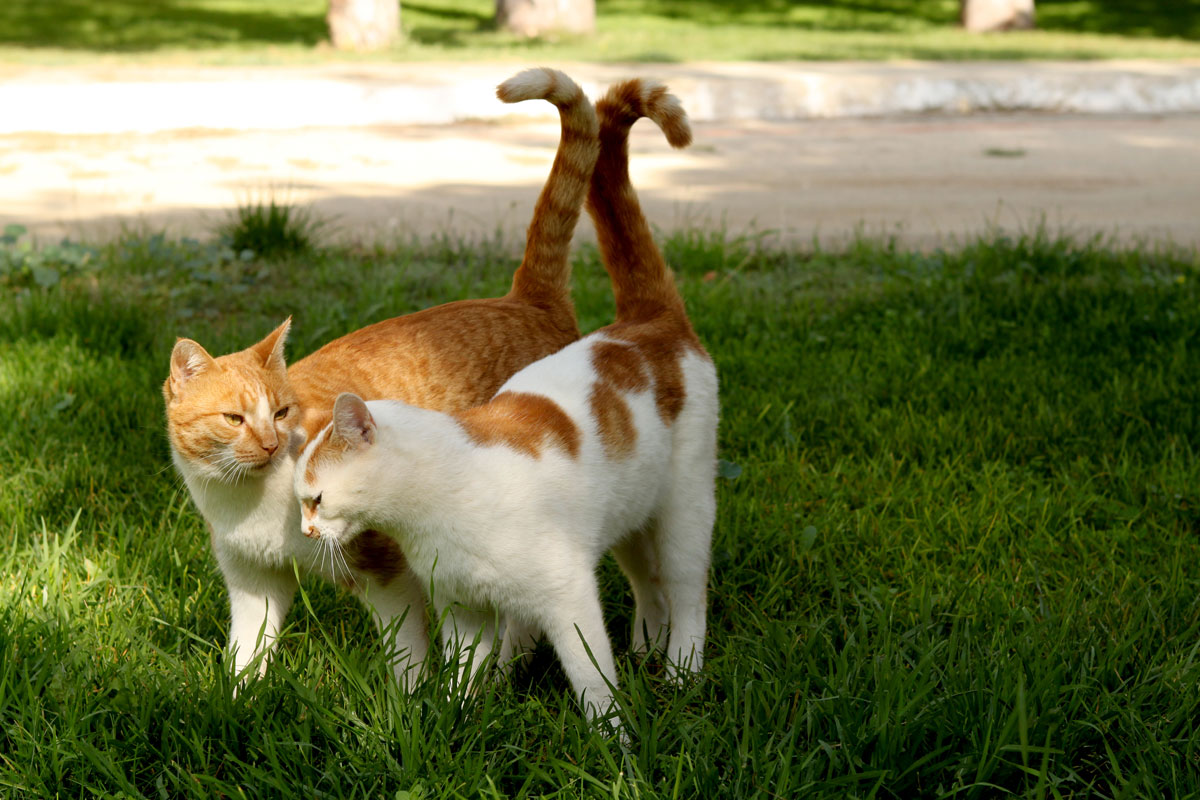
Age is another factor that affects grooming habits. Kittens often learn grooming behaviors from their mothers and siblings, which can evolve as they grow. Young cats typically engage more in playful grooming, while older cats might groom each other out of comfort and companionship.
As cats age, their grooming might decrease due to mobility issues. Observing these changes can help you understand their needs better. Is your senior cat less active in grooming? It might be time to lend a helping hand.
Credit: www.companionanimalpsychology.com

Credit: www.companionanimalpsychology.com
Frequently Asked Questions
Why Do Cats Groom Each Other?
Cats groom each other to strengthen social bonds and show affection. This behavior, called allogrooming, promotes trust and reduces stress between cats. It also helps keep their fur clean and free from parasites.
Is Mutual Grooming A Sign Of Cat Friendship?
Yes, mutual grooming is a clear sign of friendship and trust among cats. It indicates they feel safe and comfortable with each other. Cats rarely groom those they dislike or view as threats.
Can Grooming Prevent Cat Fights?
Grooming helps reduce tension and prevent fights by building positive relationships. When cats groom each other, they communicate peaceful intentions and reinforce social harmony. This behavior lowers the chances of aggression.
Does Grooming Have Health Benefits For Cats?
Grooming removes dirt, loose fur, and parasites, improving skin and coat health. It also stimulates blood circulation and helps cats relax. Grooming each other promotes overall well-being.
Conclusion
Cats grooming each other shows trust and friendship. It helps them feel safe and loved. This behavior also keeps their fur clean and healthy. Watching cats groom can teach us about their bonds. It is a good sign when cats groom together.
It means they enjoy each other’s company. Caring for your cats helps them stay happy. Pay attention to their grooming habits for clues. Healthy cats often groom each other with ease. This simple act speaks volumes about their connection.



Leave a Reply