Have you ever wondered why your cat pounces on one toy with excitement but completely ignores another? It can be puzzling to see your furry friend show such strong preferences.
Understanding why your cat likes some toys and not others can help you keep them happier and more engaged. You’ll discover the surprising reasons behind your cat’s toy choices and learn how to pick the perfect playthings that will truly capture their attention.
Keep reading to unlock the secret to a more playful, content cat!

Credit: moderncat.com
Cat Play Behavior
Cats play to satisfy natural urges and stay active. Their play behavior shows hunting skills and curiosity. Understanding why cats prefer some toys helps owners choose better options. Play also reduces stress and prevents boredom.
Instincts Behind Play
Play mimics hunting actions like stalking, chasing, and pouncing. Cats prefer toys that move unpredictably or look like prey. Small, fast, and noisy toys attract their attention. The instinct to hunt drives their toy choices strongly.
Energy Levels And Preferences
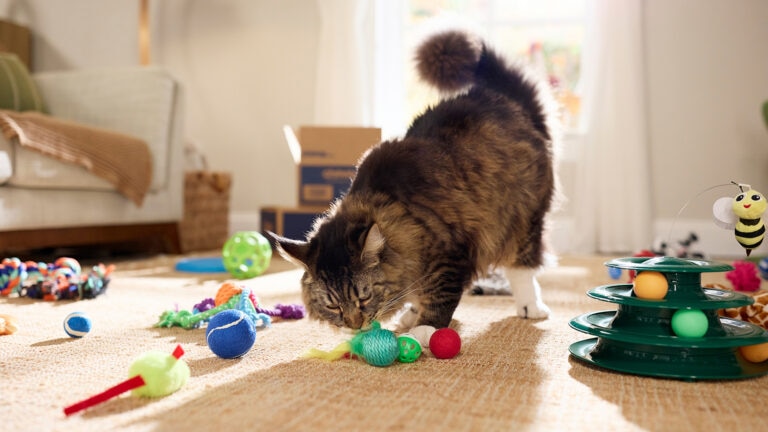
Each cat has different energy and mood patterns. Some prefer active play with feather wands or laser pointers. Others like quiet toys to bite or cuddle. Age, health, and personality affect toy preferences. Observing your cat helps find the perfect toy.
Credit: www.chewy.com
Toy Characteristics Cats Prefer
Cats have unique tastes when it comes to toys. They prefer certain features that match their natural instincts and comfort. Understanding these toy characteristics can help you choose better playthings for your feline friend.
Texture And Material
Cats enjoy toys with various textures. Soft, fuzzy surfaces often attract them. Some cats like smooth materials like silk or satin. Rough textures, such as sisal or burlap, appeal to others. Toys made from natural materials feel more inviting. Cats use their paws and mouths to explore texture. This sensory experience keeps them engaged and curious.
Movement And Sound
Movement excites a cat’s hunting instincts. Toys that wiggle, bounce, or flutter catch their eye. Quick, unpredictable motion mimics prey behavior. Sounds add another layer of interest. Crinkling, jingling, or rustling noises attract attention. Quiet toys may fail to hold interest. The right combination of movement and sound creates fun and stimulation.
Size And Shape
Toys must be easy for cats to carry and bat around. Small, lightweight toys suit most cats best. Large or heavy toys can be ignored. Shapes resembling prey, like mice or birds, appeal more. Cylindrical or ball shapes encourage chasing. Variety in size and shape keeps playtime exciting. Cats love to pounce, bite, and chase with suitable toys.
Individual Cat Personality
Your cat’s toy preferences often boil down to their unique personality. Just like people, cats have individual tastes shaped by various factors. Understanding these can help you pick toys that truly excite your feline friend.
Age And Development Stage
A kitten’s energy and curiosity make them more likely to enjoy fast-moving, interactive toys. Older cats might prefer softer, calmer play that doesn’t demand too much physical effort.
Have you noticed your senior cat favoring plush toys over noisy ones? This shift happens because their play style changes with age, affecting what toys hold their interest.
Past Experiences
Your cat’s history plays a big role in their toy choices. If a cat had a negative experience with a certain type of toy, they might avoid it altogether.
One of my cats used to shy away from feather toys after a rough encounter with a loud noise during playtime. It’s a reminder that your cat’s past shapes what they enjoy now.
Breed Tendencies
Certain breeds have natural instincts that influence their play preferences. For example, Siamese cats often prefer toys that challenge their intelligence, while Bengals might enjoy toys that mimic prey movement.
Knowing your cat’s breed traits can guide you toward toys that match their instincts and keep them engaged longer.
Environmental Influences
Cats have unique preferences influenced by their surroundings. Environmental factors play a significant role in their toy choices. The home setup and the presence of other pets can affect a cat’s interaction with toys. Understanding these influences helps in choosing the right toys for your feline friend.
Home Setup And Space
The layout of your home can impact your cat’s toy preferences. Cats love exploring and need spaces that cater to their curiosity. Open areas allow for more movement, making interactive toys more appealing. Cluttered spaces might limit their play, causing them to ignore certain toys. Providing a variety of spaces can encourage diverse play behaviors.
Presence Of Other Pets
Other pets in the home can influence which toys your cat enjoys. Cats might avoid toys that other pets frequently use. They often seek out toys that give them a sense of personal space. Watching the interactions between your pets can offer insights into their preferences. Ensuring each pet has their own set of toys can reduce tension and encourage play.
Choosing The Right Toys
Choosing the right toys for your cat can make playtime more fun and satisfying. Cats have different tastes in toys based on their personality and instincts. Picking toys that match their preferences helps keep them active and happy. Understanding what excites your cat is key to selecting the best toys.
Observing Your Cat’s Reactions
Watch closely how your cat plays with different toys. Notice which toys catch their attention immediately. Some cats like chasing small, fast toys. Others prefer soft or noisy toys. Pay attention to their body language and energy. Tail flicks, pouncing, and batting show enjoyment. Avoid toys that make your cat lose interest quickly.
Rotating Toys For Interest
Keep toys fresh by changing them regularly. Rotate toys every few days to avoid boredom. This keeps your cat curious and eager to play. Store some toys away and swap them later. Rotate different textures, shapes, and sounds. It helps maintain your cat’s excitement and energy for play.
Safety Considerations
Pick toys that are safe and durable. Avoid small parts that your cat can swallow. Choose toys made from non-toxic materials. Check toys often for damage or loose pieces. Replace worn-out toys to prevent accidents. Soft toys should not have loose strings or stuffing. Safe toys protect your cat while they enjoy playtime.
Expert Tips For Encouraging Play
Encouraging your cat to play can build a stronger bond and keep them healthy. Cats have different tastes in toys, so understanding their preferences helps. Experts suggest using certain play techniques and rewards to make playtime fun and engaging. These tips make toys more appealing and keep your cat active.
Interactive Play Techniques
Use toys that move or make noise to catch your cat’s attention. Toys like feather wands or laser pointers mimic prey, sparking natural hunting instincts. Change the way you play often to keep your cat interested. Let your cat chase, pounce, and bat the toy to stay engaged.
Try short play sessions several times a day. Cats prefer quick bursts of activity. Watch how your cat reacts and adjust your play style. Some cats like slow movements; others prefer fast and erratic actions.
Using Treats And Rewards
Treats can motivate your cat to play with new toys. Offer small, tasty treats during or after playtime. This creates a positive connection with the toy. Praise your cat with gentle petting or kind words to encourage play.
Use treats to introduce toys your cat ignores. Place a treat near the toy or hide it inside. This sparks curiosity and interest. Gradually reduce treats as your cat learns to enjoy the toy alone.

Credit: www.reddit.com
Frequently Asked Questions
Why Do Cats Prefer Some Toys Over Others?
Cats prefer toys that mimic prey, like small, moving, or noisy ones. Texture, size, and scent also affect their interest. Each cat’s personality and hunting instincts influence toy preference.
How Does A Cat’s Personality Affect Toy Choice?
Active cats enjoy interactive, chase toys. Shy cats prefer soft, quiet toys. Play style and energy levels shape which toys cats favor.
Can Toy Texture Influence A Cat’s Interest?
Yes, cats often prefer toys with varied textures. Soft, fuzzy, or crinkly materials appeal differently. Texture stimulates their senses and keeps play engaging.
Does A Cat’s Age Impact Toy Preference?
Kittens favor small, lightweight toys for pouncing. Older cats choose calmer, softer toys. Age changes energy and play style, affecting toy interest.
Conclusion
Cats have different tastes in toys because of their unique personalities. Some like soft toys, while others prefer ones that move fast. Their hunting instincts and energy levels also play a big role. Watch your cat closely to see what excites them most.
Changing toys can keep playtime fun and fresh. Remember, patience helps you find the perfect toy for your cat. This makes playtime happy and healthy for both of you. Enjoy discovering what makes your cat smile!



Leave a Reply