If you have a medium-haired cat, you know how important it is to keep their coat looking healthy and beautiful. But grooming can sometimes feel tricky or time-consuming.
What if you could make grooming simple, enjoyable, and something your cat actually looks forward to? You’ll discover easy steps and expert tips to care for your cat’s medium-length fur. By the end, you’ll feel confident in keeping your furry friend comfortable and looking their best—without the stress.
Ready to transform your grooming routine? Let’s dive in!
Credit: tryfurgo.com
Choosing The Right Tools
Choosing the right tools makes grooming easier and more effective. Medium-haired cats need tools that suit their fur type. Using proper brushes, combs, and bathing supplies helps keep your cat comfortable. Good tools reduce hair tangles and skin irritation. Prepare a grooming kit tailored for medium fur.
Brush Types For Medium Fur
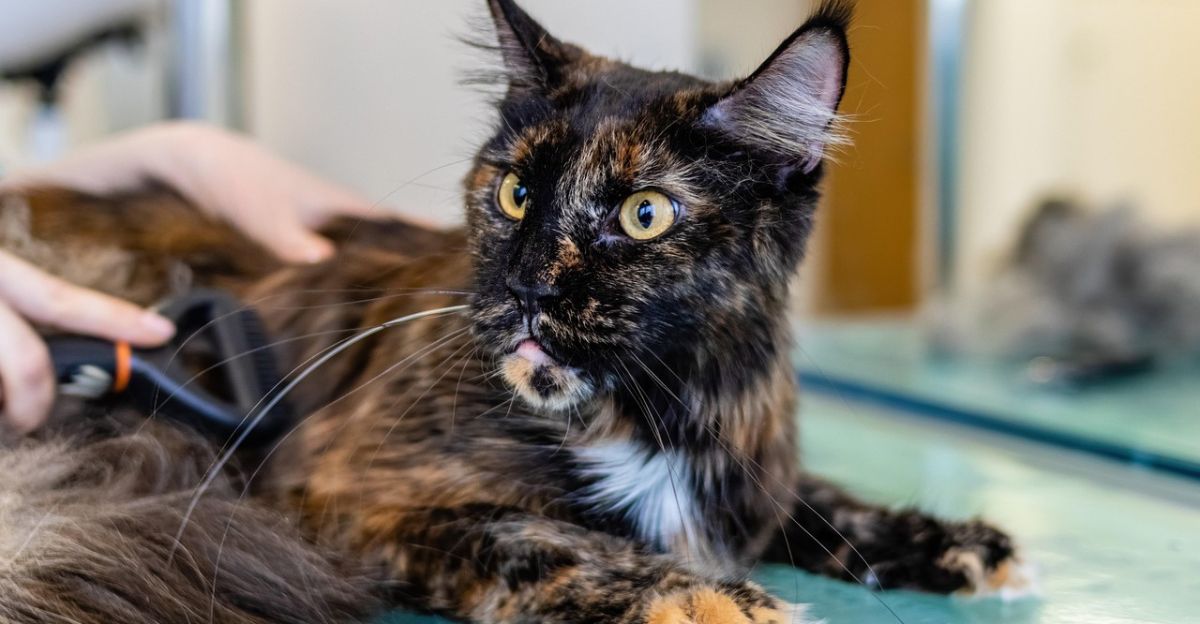
Select brushes that gently remove loose hair and prevent mats. A slicker brush works well for detangling. A bristle brush adds shine and smooths the coat. Pin brushes help reach deep layers of fur. Choose brushes with soft, flexible bristles to avoid hurting your cat.
Combs And Nail Clippers
Use wide-tooth combs to untangle knots safely. Fine-tooth combs help remove small debris and loose hair. Nail clippers designed for cats ensure precise trimming. Avoid using human clippers to prevent injury. Keep clippers sharp and clean for smooth cutting.
Bathing Supplies
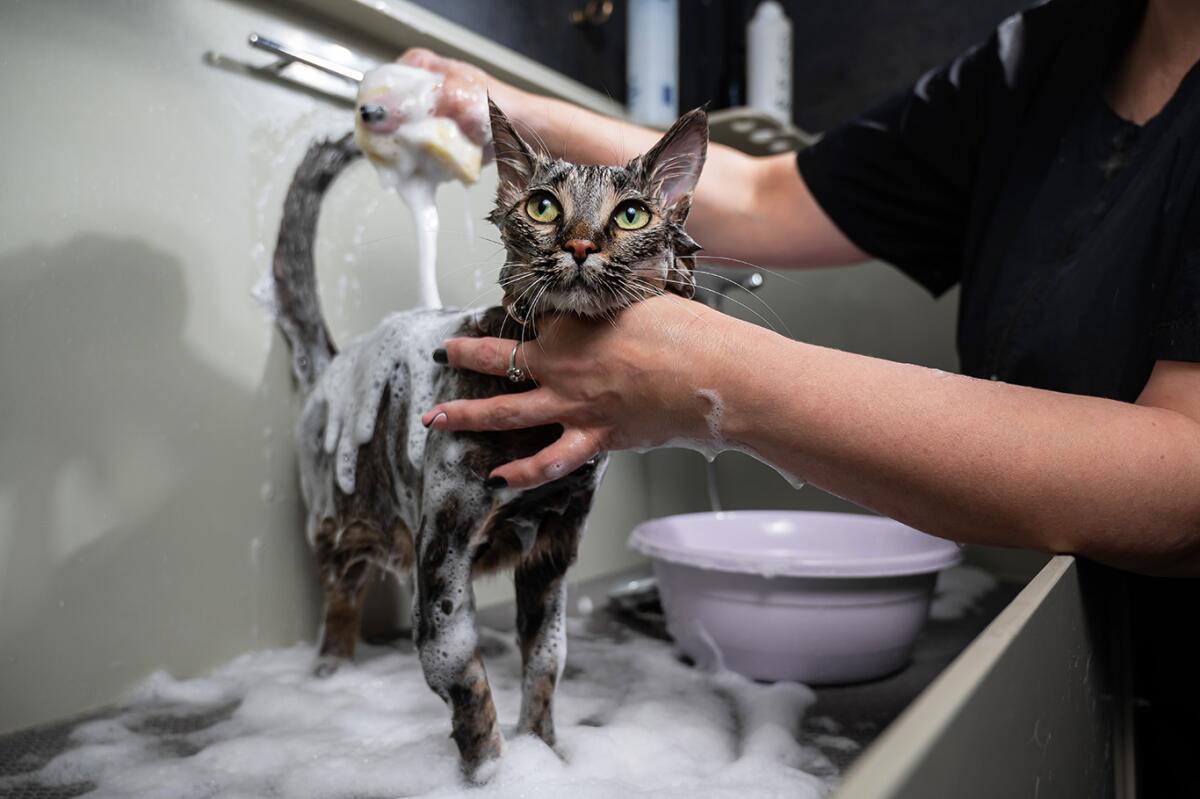
Choose a mild cat shampoo that suits sensitive skin. Avoid shampoos with strong chemicals or fragrances. Use a non-slip mat in the sink or tub for safety. Soft towels help dry your cat gently after bathing. Prepare all supplies before starting the bath to keep your cat calm.

Credit: www.latimes.com
Brushing Techniques
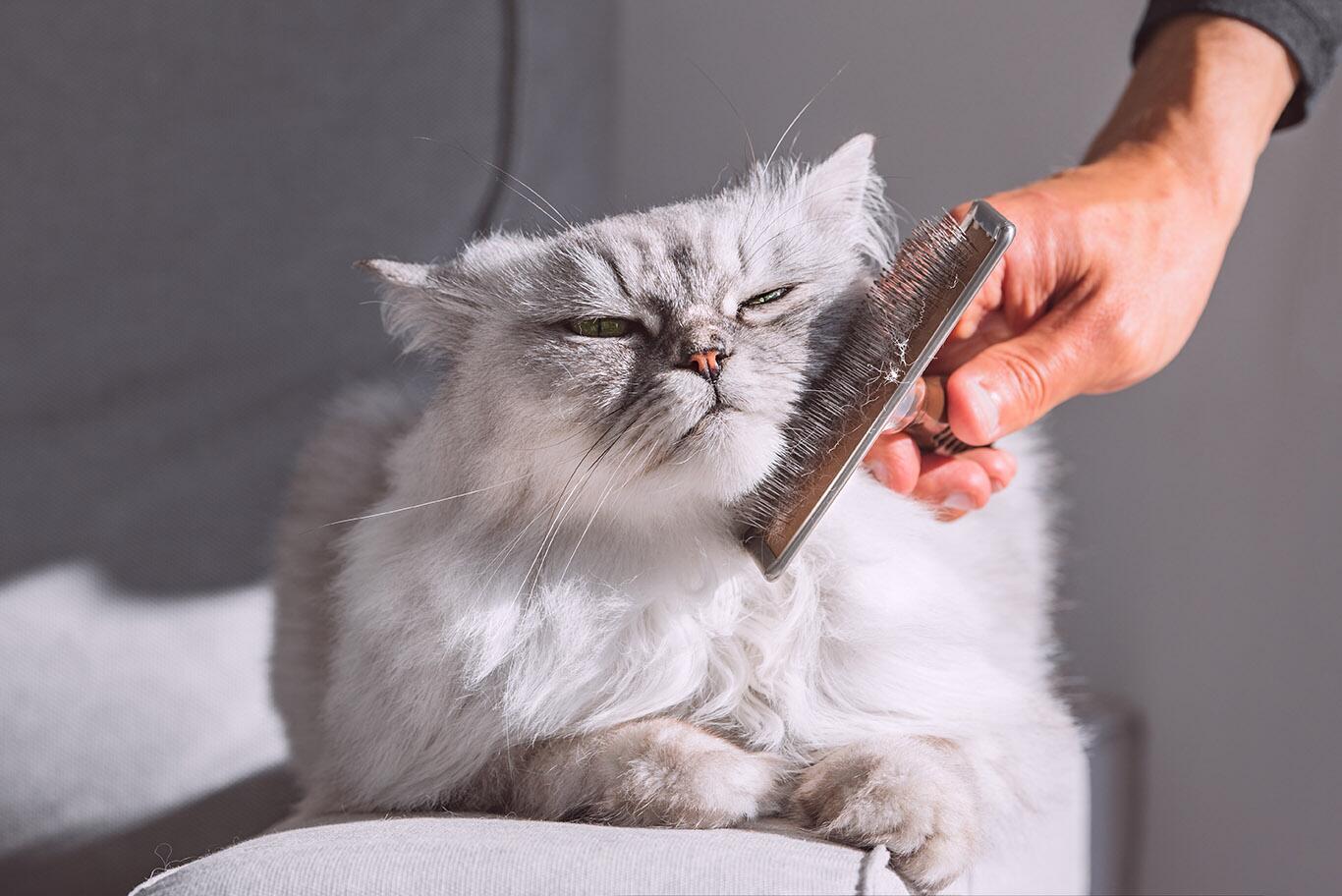
Brushing your medium-haired cat is more than just a routine; it’s a key part of keeping their coat healthy and comfortable. Knowing the right techniques can make grooming a calm and enjoyable experience for both of you. Let’s dive into how often you should brush, ways to be gentle, and how to handle those pesky tangles.
Frequency And Timing
How often you brush depends on your cat’s activity and coat condition. Generally, aim for brushing at least 2-3 times a week to prevent mats and keep fur shiny.
Pick a quiet time when your cat is relaxed—maybe after a meal or during their usual nap time. This helps them stay calm and makes brushing easier.
Gentle Brushing Methods
Use a soft-bristled brush or a comb designed for medium hair to avoid pulling on your cat’s fur. Always start brushing from the head and work your way down to the tail, following the direction of hair growth.
Keep your strokes slow and light. If your cat purrs or leans into the brush, you’re doing it right. Remember, the goal is to soothe, not stress.
Dealing With Tangles And Mats
Tangles happen, but ignoring them can lead to painful mats. Gently tease out small knots with your fingers before brushing them out.
If you encounter a tough mat, use a mat splitter or a wide-toothed comb. Hold the fur near the skin to avoid pulling and causing discomfort.
Have you noticed your cat avoiding brushing? It might be time to check for hidden mats or skin irritation. Early attention keeps grooming a positive experience.
Bathing Your Cat
Bathing your medium-haired cat can feel like a big task, but it’s an important part of grooming that helps keep their coat healthy and clean. Unlike short-haired cats, medium-haired felines may trap more dirt and oils, making occasional baths necessary. However, knowing the right time to bathe and how to do it safely makes the experience better for both you and your cat.
When To Bathe
You don’t need to bathe your cat regularly—cats are great self-cleaners. Bathing is best reserved for times when your cat is visibly dirty, has something sticky or smelly on their fur, or if they have skin conditions that require treatment.
Ask yourself: Has your cat been outside and gotten into mud or something smelly? Are they shedding excessively or showing signs of oily fur? These are good signals that a bath might be needed.
Safe Shampoo Options
Choosing the right shampoo is crucial. Avoid human shampoos—they have chemicals that can irritate your cat’s skin.
- Look for shampoos labeled specifically for cats.
- Consider hypoallergenic or sensitive skin formulas if your cat has allergies.
- Natural or oatmeal-based shampoos can soothe skin and reduce irritation.
Always do a patch test first to ensure your cat doesn’t react badly. I once tried a new shampoo that caused redness on my cat’s skin, so I immediately switched to a milder formula with much better results.
Drying Tips
After the bath, drying your cat properly is key to preventing them from catching a chill or developing skin problems.
- Use a soft, absorbent towel to gently pat your cat dry. Avoid rubbing, which can tangle medium-length fur.
- If your cat tolerates it, a blow dryer on the lowest heat and speed setting can help speed up drying. Keep the dryer moving and at a safe distance.
- Make sure your cat stays in a warm room until fully dry to avoid chills.
Have you noticed your cat shaking off water immediately after a bath? That’s their natural way to help dry off, but it’s not enough. Combining towel drying with a warm environment keeps your cat comfortable and healthy after their bath.
Nail And Ear Care
Nail and ear care are essential parts of grooming your medium-haired cat. They help keep your feline friend comfortable and prevent common health issues. Ignoring these areas can lead to pain or infections, which you definitely want to avoid.
Trimming Nails Safely
Trimming your cat’s nails can be tricky, but it’s important to keep them short to avoid scratches and snagging on furniture. Use a pair of sharp, cat-specific nail clippers for the best results.
Hold your cat’s paw gently and press the pad to extend the nail. Trim only the sharp tip, avoiding the pink part called the quick, which contains nerves and blood vessels.
If your cat resists, try trimming just one or two nails at a time and reward them with treats. Have styptic powder on hand to stop any bleeding, just in case you accidentally cut too deep.
Cleaning Ears Regularly
Checking your cat’s ears regularly helps you spot dirt, wax buildup, or signs of infection early. Use a damp cotton ball or a vet-approved ear cleaner—never insert cotton swabs deep into the ear canal.
Gently wipe the visible part of the ear, and look for redness, bad odor, or excessive wax, which could mean an ear problem. If you notice any unusual signs, consult your vet promptly.
Making ear cleaning a calm routine can reduce stress for both you and your cat. Ask yourself: How often have you checked your cat’s ears in the past month?
Diet And Fur Health
Diet plays a crucial role in maintaining your medium-haired cat’s fur health. The right nutrients not only keep their coat shiny but also prevent common issues like dryness and excessive shedding. Understanding how food affects fur can help you make better choices for your feline friend’s grooming routine.
Nutritional Impact On Coat
Your cat’s diet directly affects the quality of their fur. Proteins are essential since fur is made up mostly of keratin, a type of protein. Ensure your cat’s food contains high-quality animal proteins to support strong, healthy hair growth.
Omega-3 and Omega-6 fatty acids are key players in keeping fur soft and shiny. These fats reduce inflammation and improve skin health, which in turn reduces shedding and itching. You can find these fatty acids in fish oils and certain commercial cat foods.
Have you noticed your cat’s coat becoming dull or brittle? It might be time to check their food label for nutrient deficiencies. Vitamins like A, E, and biotin also support fur health by promoting skin repair and hair follicle strength.
Supplements For Shiny Fur
If your cat’s diet lacks certain nutrients, supplements can fill the gap. Fish oil capsules or liquid supplements rich in Omega-3s are popular choices to enhance fur glossiness. Just add the recommended dose to your cat’s food and watch the transformation.
Consider supplements containing zinc and vitamin E as well. Zinc helps skin heal faster and keeps the coat dense, while vitamin E acts as an antioxidant protecting skin cells. These can be especially useful during seasonal changes when cats often shed more.
Always consult your vet before starting any supplements. Over-supplementing can cause harm instead of help. What changes have you seen after adding supplements to your cat’s diet? Share your experience and see if others noticed similar improvements.
Credit: www.latimes.com
Handling Grooming Challenges
Grooming a medium-haired cat needs patience and gentle brushing to prevent mats. Regular combing keeps fur smooth and reduces shedding. Use a soft brush and stay calm to make grooming easier for your cat.
Grooming your medium-haired cat can sometimes be a daunting task, especially when challenges arise. If you’ve ever struggled with a squirming feline or encountered stubborn tangles, you’re not alone. Understanding how to effectively handle these grooming challenges can make the experience more enjoyable for both you and your cat. Let’s dive into some practical strategies to make grooming a breeze.Calming Anxious Cats
Many cats feel uneasy during grooming sessions. To help your cat relax, create a calm environment. Play soothing music and speak in gentle tones. Consider using pheromone sprays designed for cats, which can help reduce anxiety. Positive reinforcement goes a long way too. Offer treats and affection to associate grooming with positive experiences. If your cat is particularly skittish, start with short grooming sessions. Gradually increase the time as your cat becomes more comfortable. Have you ever tried brushing your cat while they are sleepy? It might make the process smoother.When To Seek Professional Help
Sometimes, despite your best efforts, grooming can become overwhelming. If you encounter severe matting or your cat shows signs of distress, it might be time to call in a professional. Professional groomers have the tools and experience to handle tricky situations. They can also provide valuable advice tailored to your cat’s specific needs. Don’t wait until the situation is out of control. Seeking help early can prevent discomfort for your cat and frustration for you. Remember, it’s okay to ask for help when you need it. Your cat’s comfort and well-being come first.Frequently Asked Questions
How Often Should I Groom A Medium Hair Cat?
Groom medium hair cats at least 2-3 times a week. Regular grooming prevents mats and reduces shedding. It also helps monitor skin health and improves bonding with your cat.
What Tools Are Best For Grooming Medium Hair Cats?
Use a slicker brush, wide-tooth comb, and grooming scissors. These tools effectively remove loose fur and prevent tangles. Avoid harsh brushes that can irritate your cat’s skin.
How To Prevent Mats In Medium Hair Cats?
Regular brushing is key to preventing mats. Focus on areas like behind ears and under legs. If mats form, gently detangle with a comb or consult a professional groomer.
Can Grooming Reduce Shedding In Medium Hair Cats?
Yes, regular grooming removes loose fur and reduces shedding. It helps keep your home cleaner and your cat more comfortable. Consistent grooming also promotes healthy skin and coat.
Conclusion
Grooming a medium-haired cat keeps their coat healthy and shiny. Regular brushing helps reduce hairballs and matting. It also strengthens your bond with your cat. Use gentle tools and stay patient during grooming sessions. Keep an eye on your cat’s skin for any changes.
Clean ears and trim nails for full care. Simple steps can make grooming easier for both of you. A happy cat means a happy home. Keep grooming a regular part of your routine.




Leave a Reply