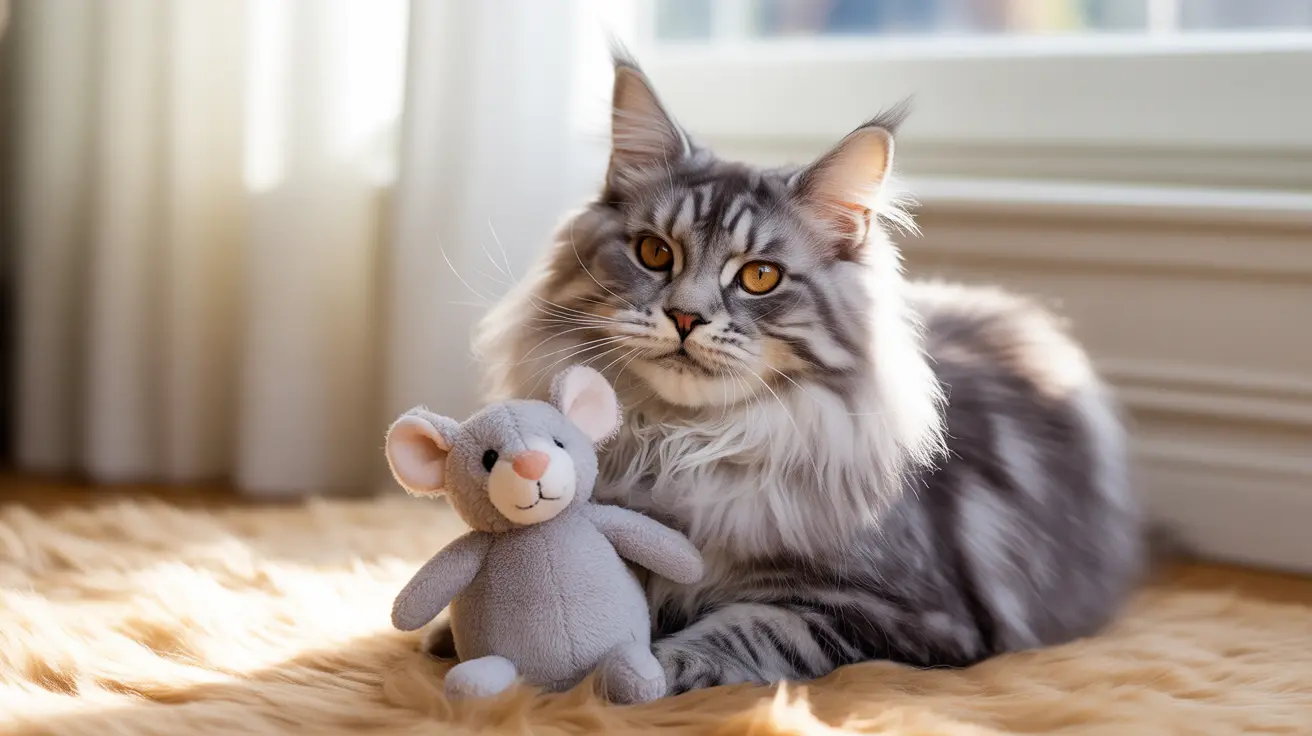
Have you ever noticed how your cat pounces on those little mouse toys with such excitement? It makes you wonder—do cats actually like mice toys, or is it just a random plaything?
Understanding what truly captures your cat’s interest can help you choose the best toys to keep them happy and active. You’ll discover why those tiny mice might be more than just cute objects—they could be the key to unlocking your cat’s natural hunting instincts.
Keep reading to find out what really makes your feline friend tick and how you can make playtime even better for them.
Cats And Their Play Instincts
Cats have strong natural instincts to hunt and play. These instincts come from their wild ancestors. Play helps cats practice skills needed to catch real prey. Toys that mimic prey can keep cats active and happy. Understanding these instincts explains why cats often enjoy mice toys.
Hunting Behavior In Domestic Cats
Domestic cats still have hunting skills. They stalk, chase, and pounce on moving objects. These actions come from their wild survival habits. Even indoor cats show this behavior during playtime. Hunting is not just for food; it is a way to stay alert and fit.
Cats use their senses to find prey. Their sharp eyes, ears, and whiskers help detect small movements. This makes toys that move or squeak very attractive. They trigger the cat’s natural chase and capture behavior.
Role Of Toys In Simulating Prey
Toys act as stand-ins for real animals. Mice toys are popular because they resemble common prey. The size, shape, and movement of these toys excite a cat’s senses. Toys with feathers or bells add extra stimulation.
Playing with toys helps cats release energy. It reduces boredom and prevents bad behavior. Toys also provide mental and physical exercise. This keeps cats healthy and satisfied inside the home.

Credit: www.amazon.ca
Appeal Of Mice Toys
Many cat owners wonder if mice toys truly capture their pet’s interest or if they’re just cute decorations. The appeal of mice toys lies in how closely they mimic the natural prey cats are wired to chase. When you observe your cat’s reaction, you’ll notice they often engage with these toys with genuine curiosity and excitement.
Features That Attract Cats
Cats are drawn to toys that resemble small animals in size and shape. Mice toys fit this perfectly, triggering a cat’s hunting instincts. The compact design allows cats to easily bat, carry, and pounce on them, making playtime feel natural and satisfying.
Additionally, many mice toys are designed with bright colors or patterns that catch a cat’s eye. Some even include crinkly or squeaky sounds that add to the sensory experience, keeping your cat entertained longer.
Scent, Texture, And Movement Factors
Scent is a powerful attractor for cats. Mice toys often come infused with catnip or silver vine, which can instantly grab your cat’s attention. Your cat’s response to scent can vary—some will go wild, while others might only show mild interest.
The texture of the toy also plays a key role. Soft, furry surfaces feel more realistic and appealing for your cat to bite and carry around. On the other hand, smooth or rubbery textures might not hold their interest as long.
Movement is another critical factor. Toys that wiggle, twitch, or can be flicked across the floor simulate the erratic motions of real prey. Watching my own cat’s eyes light up when a mouse toy darts across the room confirms how important this is for engagement.
Behavioral Responses To Mice Toys
Cats display clear behaviors when playing with mice toys. These toys tap into their natural hunting skills. Watching their reactions helps us understand if they enjoy such playthings. Their movements reveal excitement and interest in the toy. Some cats show strong hunting instincts through play.
Chasing And Pouncing Patterns
Cats often chase mice toys with quick, sharp movements. Their eyes lock on the toy as if it were real prey. Pouncing is common, where they leap and grab the toy with their paws. This mimics how they catch real mice outside. The speed and intensity of chasing vary by cat. Some cats stalk slowly before a sudden pounce. Others dart quickly and grab the toy fast.
Variations Among Individual Cats
Not all cats react the same to mice toys. Age, personality, and hunting experience affect their interest. Younger cats tend to play more actively and frequently. Older cats may show less energy but still engage gently. Some cats prefer toys that move or make noise. Others like soft, quiet toys they can carry around. Observing your cat helps find the best mouse toy match.

Credit: www.reddit.com
Alternatives To Mice Toys
Cats may not always enjoy mice toys as much as expected. Soft balls, feather wands, or laser pointers often catch their interest more effectively. Offering various toy options keeps playtime fun and engaging for your cat.
Cats and their fascination with toys can be a delightful puzzle. While mice toys are a classic choice, offering a variety of alternatives can enrich your cat’s playtime and keep them engaged. Whether your furry friend prefers something flashy, interactive, or simple, exploring different toy options can help you discover what truly excites them.Other Popular Cat Toys
Cats are naturally curious creatures, and toys that stimulate their senses can be a hit. Feather wands, for instance, are fantastic for encouraging a cat’s predatory instincts. The erratic movement mimics that of a bird, providing both exercise and entertainment. Laser pointers are another favorite. They offer an endless source of amusement as cats chase the elusive red dot. Just remember to let your cat catch a tangible toy at the end to satisfy their hunting instinct. Interactive toys like treat-dispensing balls engage your cat’s mind and body. These toys require your pet to think and move, offering a rewarding challenge that keeps boredom at bay.Diy Toy Ideas For Cats
Why not unleash your creativity and make some toys at home? A simple ball of aluminum foil can provide endless hours of fun. It’s shiny, easy to bat around, and makes an intriguing sound. Cardboard boxes are another easy DIY option. Cats love hiding and playing in boxes, making them a perfect playground. Cut a few holes for added excitement and watch your cat explore their new adventure zone. A string and a few feathers can create a homemade wand toy. Simply tie the feathers to the string and dangle it in front of your feline friend. This cost-effective toy can be just as engaging as anything you’d buy at the store. Have you ever tried making toys for your cat? Your efforts can lead to discovering what truly captivates them. Experimenting with different materials and textures can help you find the perfect plaything for your furry companion.Tips For Choosing The Right Cat Toy
Choosing the right cat toy can make a big difference in how much your feline friend enjoys playtime. The perfect toy keeps your cat active, curious, and mentally sharp. It’s not just about grabbing the first mouse-shaped toy you see; it’s about picking something safe and stimulating.
Safety Considerations
Always check the materials used in cat toys. Avoid toys with small parts that can be chewed off and swallowed. Durable fabrics and non-toxic stuffing keep your cat safe during energetic play.
Think about your cat’s chewing habits. If your cat likes to bite aggressively, soft plush toys might not last long and could pose a choking hazard. Look for toys with reinforced stitching or made from tougher materials like rubber or silicone.
Inspect toys regularly for wear and tear. A shredded mouse toy can expose wires or stuffing that might harm your cat. Would you want your cat to swallow something dangerous just because the toy looked fun?
Engagement And Stimulation
Your cat’s interest in a toy depends on how well it mimics real prey behavior. Toys that move unpredictably, like motorized mice or those on strings, spark a cat’s hunting instincts.
Consider variety to keep your cat engaged. Some cats prefer toys that squeak, while others like toys that crinkle or have feathers. Watch how your cat reacts to different textures and sounds to find what excites them the most.
Don’t underestimate the power of interactive play. Spending a few minutes each day teasing your cat with a mouse toy can boost their mood and strengthen your bond. How often do you set aside time to play actively with your cat?

Credit: www.goodhousekeeping.com
Frequently Asked Questions
Do Cats Prefer Real Mice Or Mice Toys?
Cats enjoy mice toys as they mimic hunting behavior. Toys provide safe, interactive play without harming real animals. Many cats show strong interest in toys that resemble mice.
How Do Mice Toys Benefit Indoor Cats?
Mice toys stimulate cats mentally and physically. They help satisfy natural hunting instincts. This reduces boredom and prevents destructive behavior in indoor cats.
What Features Make Mice Toys Appealing To Cats?
Cats like toys that move, squeak, or have feathers. Realistic size and texture also attract their attention. Interactive toys engage cats longer and keep them entertained.
Can All Cats Enjoy Playing With Mice Toys?
Most cats love mice toys, but preferences vary. Some cats prefer other toys like balls or lasers. Observing your cat’s behavior helps find the best toy.
Conclusion
Cats often enjoy playing with mice toys. These toys mimic real prey and spark their natural hunting skills. Many cats chase, pounce, and bat at these toys with great interest. Some cats may prefer other types of toys, but mice toys remain popular.
They provide mental and physical exercise for your pet. Watching your cat play can be fun and rewarding. Choosing the right toy keeps cats happy and active. Mice toys are a simple way to enrich your cat’s day.



Leave a Reply