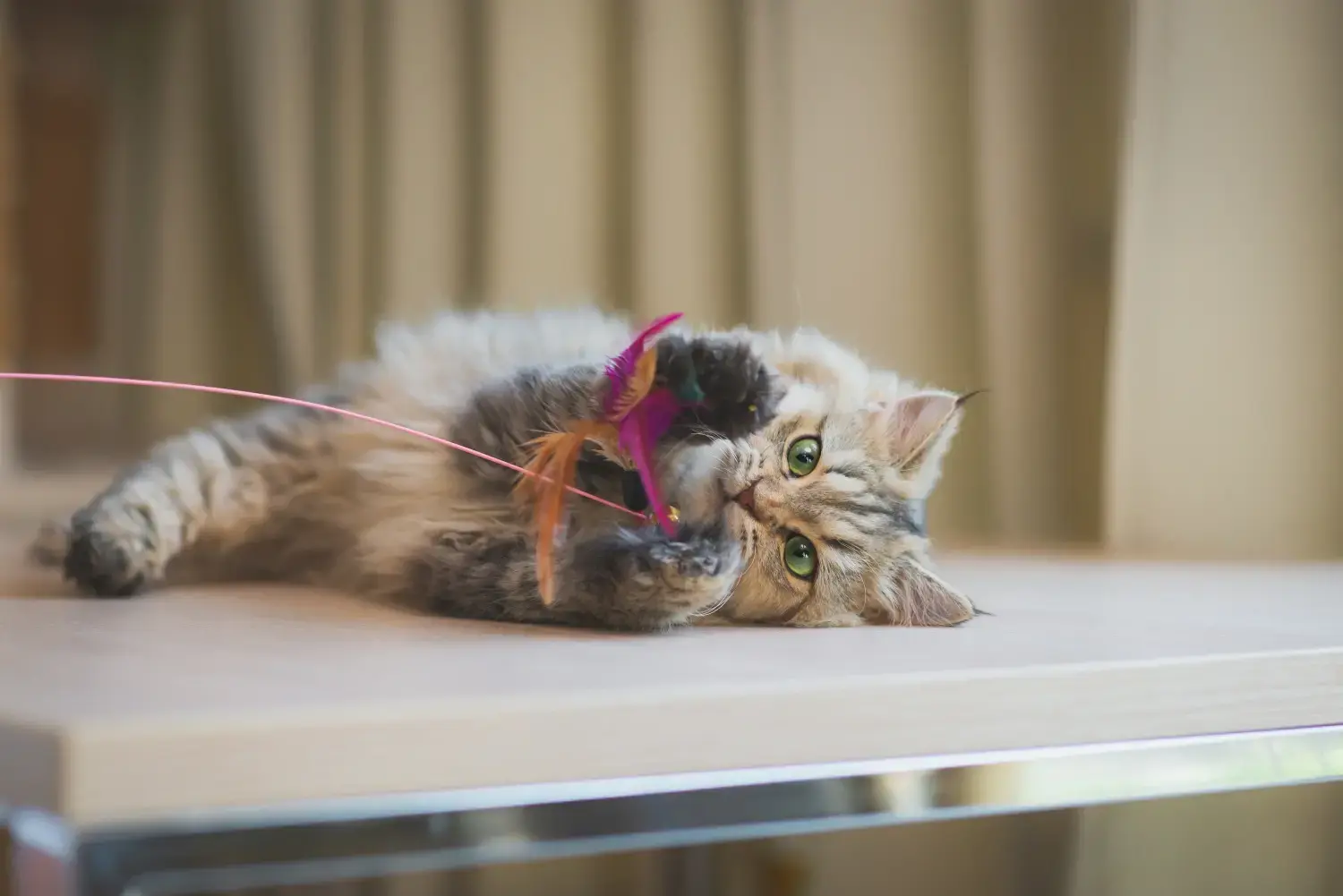
Have you ever wondered if your adult cat still enjoys playing with toys? You might think that playtime is only for kittens, but the truth could surprise you.
Understanding your cat’s playful side can help you keep them happy and healthy. If you want to discover why toys matter for your grown-up feline and how to choose the best ones, keep reading—your cat’s next favorite game might be just a few clicks away.
Why Adult Cats Play
Have you ever wondered why your adult cat still chases after toys or pounces on random objects around the house? Many people assume that play is only for kittens, but adult cats play for several important reasons that keep them healthy and happy. Understanding why your cat plays can help you provide the right toys and activities to keep their mind and body sharp.
Instincts Behind Play Behavior
Play is deeply rooted in a cat’s natural instincts. Even as adults, cats practice hunting skills through play. They stalk, pounce, and chase toys because these actions mimic catching prey.
These behaviors are not just for fun—they keep your cat’s reflexes sharp. Have you noticed how your cat suddenly goes wild after a quiet moment? That burst of energy is their hunting drive kicking in.
Benefits Of Play For Adult Cats
Playing isn’t just about instinct—it also benefits your cat’s health and happiness in many ways. Regular play helps prevent obesity by keeping your cat active.
It also reduces stress and boredom, which can lead to destructive behavior. When your cat engages with toys, they get mental stimulation that keeps their brain engaged.
- Improves physical fitness and muscle tone
- Strengthens your bond as you interact during playtime
- Prevents behavioral issues like scratching furniture or excessive meowing
Have you tried different types of toys to see which ones excite your cat the most? Sometimes simple things like a feather wand or a laser pointer can spark hours of play.

Credit: www.amazon.com
Types Of Toys Adult Cats Prefer
Adult cats enjoy toys that match their natural instincts and energy levels. They prefer toys that stimulate their hunting skills, curiosity, and playfulness. The right toys keep them active, reduce stress, and prevent boredom. Different cats may like different toys based on their personality and mood.
Interactive Toys
Interactive toys engage adult cats with movement or sounds. These toys encourage chasing, pouncing, and problem-solving. Examples include:
- Laser pointers that cats chase on the floor or walls
- Feather wands that mimic bird movements
- Automatic moving toys that move unpredictably
- Puzzle feeders that release treats when solved
These toys strengthen the bond between cats and owners. They provide mental and physical exercise.
Solo Play Toys
Solo play toys allow cats to entertain themselves. They enjoy toys they can bat, carry, or toss around. Popular solo toys include:
- Small balls made of soft materials
- Catnip-filled mice or shapes
- Crinkle tunnels and tubes
- Soft plush toys that cats can cuddle
These toys satisfy their hunting instincts and keep them busy when alone.
Homemade Toy Ideas
Homemade toys can be simple and fun. Many cats love everyday household items turned into toys. Ideas include:
- Paper balls or crumpled foil balls
- Empty cardboard boxes or paper bags
- String or yarn pieces (supervised play only)
- DIY feather wand using a stick and feathers
Homemade toys save money and offer variety. Cats often prefer these due to new textures and shapes.
How Play Changes With Age
As your cat grows older, you might notice changes in how they interact with their toys. Play is still important for adult cats, but it often looks different than when they were kittens. Understanding these changes helps you keep your cat happy and healthy through every stage of life.
Energy Levels And Play Patterns
Adult cats usually have lower energy levels compared to their younger selves. Instead of long bursts of chasing or pouncing, they might prefer short, gentle play sessions. You might see your cat engage more in stalking or batting at toys rather than full-on chasing.
Have you observed your cat suddenly losing interest in a toy they once loved? It could be a sign that their play style is evolving. Pay attention to their behavior to match their current energy and mood.
Adjusting Toy Choices For Older Cats
Older cats often benefit from toys that are easy to interact with and don’t require intense physical activity. Soft, lightweight toys or interactive puzzle feeders can stimulate their minds without exhausting them.
Consider switching out noisy or fast-moving toys for ones that invite slow, deliberate play. Toys with catnip or gentle textures might keep them engaged longer. What toys does your cat respond to best now? Try rotating different types to find what suits their changing preferences.
Signs Your Cat Wants To Play
Adult cats often enjoy toys and show signs like chasing or pawing at objects. Play helps them stay active and happy throughout life. Watching their body language can reveal when they want to engage in fun.
Understanding when your adult cat wants to play can significantly enhance your bond with them. Cats are naturally curious and playful creatures, even as they age. Recognizing the signs they exhibit when they’re in the mood for some fun can make interactions more enjoyable and fulfilling.Body Language Cues
Cats communicate a lot through their body language. A playful cat might have dilated pupils, signaling excitement or curiosity. You might notice their ears perked up or twitching, attentive to any movement around them. A twitching tail or a tail held high often indicates they’re ready for action. Have you ever seen your cat suddenly pounce on a shadow or a spot on the wall? This could be your cue to join the fun with a toy. Observing these subtle cues can help you identify the perfect moments to engage with your furry friend.Common Play Behaviors
Some common play behaviors can give away your cat’s playful mood. A cat crouching low and wiggling its behind is usually preparing to pounce, mimicking hunting behavior. When they bat at small objects or chase after moving items, they’re often in a playful mindset. Have you seen your cat carrying a toy in their mouth? This is a sign they’re treating it like prey, a strong indicator they want to engage in more play. Ask yourself: When was the last time you actively engaged in play with your cat? Adding regular play sessions can lead to a happier and healthier feline companion. By understanding these signs, you can ensure that your cat gets the stimulation and interaction they need. Plus, it’s a great way to enrich both your lives with joy and laughter.Encouraging Play In Shy Or Older Cats
Encouraging play in shy or older cats can be a rewarding experience that strengthens your bond and improves their well-being. These cats might not be as quick to chase a toy as their younger, more energetic counterparts, but with patience and the right approach, you can spark their interest. What small changes can you make today to invite play into your cat’s routine?
Creating A Safe Play Environment
Shy and older cats need a calm and secure space to feel comfortable exploring toys. Choose a quiet room free from loud noises and sudden movements that might scare them away.
Make sure the area has soft surfaces like rugs or cushions where your cat can rest between play sessions. Avoid clutter that might overwhelm or confuse them.
Try leaving toys in easy-to-reach spots and observe which ones catch their eye without forcing interaction. Have you noticed certain textures or shapes your cat prefers?
Using Treats And Praise
Treats can be powerful motivators to encourage your cat to engage with toys. Offer small, tasty rewards when your cat shows interest or plays, even briefly.
Pair treats with gentle praise and petting to create a positive connection with playtime. This helps your cat associate fun with safety and affection.
Start with short, frequent sessions and gradually increase playtime as your cat becomes more confident. What reward does your cat respond to best—food, a soft voice, or a gentle scratch behind the ears?

Credit: www.goodhousekeeping.com
Toys To Avoid For Adult Cats
Choosing the right toys for your adult cat is crucial to keep playtime safe and enjoyable. Some toys might look fun but can actually harm your feline friend. Knowing which toys to avoid helps protect your cat from injury and frustration.
Hazardous Materials
Many cat toys contain small parts or materials that can be dangerous if swallowed. Avoid toys with loose strings, beads, or buttons that your cat might chew off and ingest.
Plastic parts that break easily can create sharp edges, posing a risk for cuts or choking. Opt for toys made from non-toxic, durable materials that withstand rough play.
I once saw a cat get a small bead stuck in its throat because the toy’s design wasn’t safe. It’s better to be cautious than to risk a vet emergency.
Overly Complex Toys
Toys that are too complicated can frustrate adult cats rather than entertain them. Some interactive toys require too many steps or human involvement, which your cat might find confusing or boring.
If a toy needs constant setup or doesn’t respond well to your cat’s natural play style, it may end up unused. Simple toys like balls or feather wands often keep cats engaged longer.
Have you noticed your cat ignoring a toy after a few tries? It could be that the toy is too complex for their liking. Stick to straightforward designs that encourage natural hunting instincts.
Incorporating Play Into Daily Routine
Incorporating play into an adult cat’s daily routine keeps them active and happy. Playtime helps reduce stress and prevents boredom. It strengthens the bond between you and your cat. Making play a habit ensures your cat stays physically and mentally fit.
Best Times For Play Sessions
Cats are naturally more active during dawn and dusk. These times match their hunting instincts. Short play sessions in the early morning and evening work best. Each session should last about 10 to 15 minutes. Multiple short sessions throughout the day keep your cat engaged. Watching your cat’s energy levels helps find the perfect play times.
Balancing Play And Rest
Adult cats need plenty of rest between play sessions. They sleep up to 16 hours a day. After active play, allow your cat to relax and nap. Avoid overplaying, which can cause stress or injury. A good balance between play and rest supports healthy behavior. Quiet time helps your cat recharge for the next play session.

Credit: www.goodhousekeeping.com
Frequently Asked Questions
Do Adult Cats Really Enjoy Playing With Toys?
Yes, adult cats enjoy toys as much as kittens. Toys provide mental stimulation, exercise, and help prevent boredom. Play keeps adult cats active and improves their overall well-being.
What Types Of Toys Do Adult Cats Prefer?
Adult cats like interactive toys like feather wands, laser pointers, and puzzle feeders. Soft balls and catnip toys also engage their hunting instincts and curiosity.
How Often Should Adult Cats Play With Toys?
Adult cats benefit from at least 10-15 minutes of play twice daily. Regular playtime supports their physical health and mental sharpness.
Can Playing With Toys Reduce Adult Cat Aggression?
Yes, play helps release pent-up energy and reduces stress. Regular toy interaction can decrease aggressive behaviors and promote calmness in adult cats.
Conclusion
Adult cats enjoy playing with toys just like kittens do. Playtime helps keep them active and healthy. Toys also reduce stress and prevent boredom. Choose toys that match your cat’s personality and energy. Regular play builds a strong bond between you and your cat.
Don’t stop offering toys as your cat grows older. Play keeps their mind sharp and body fit. Remember, a happy cat often loves to play. Simple toys can bring lots of joy and fun. Keep your adult cat entertained every day.



Leave a Reply