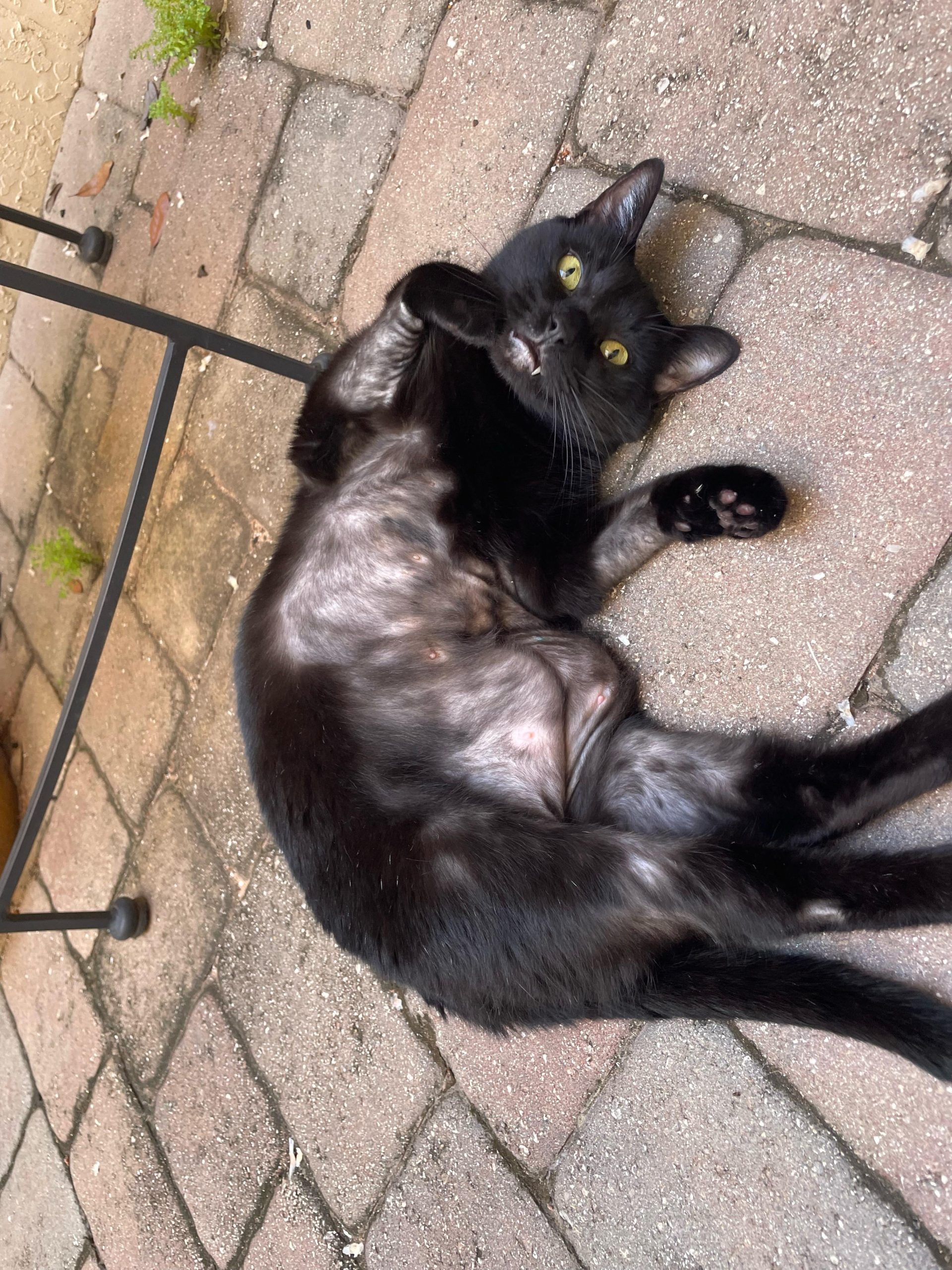
Is your cat spending too much time licking or biting its fur? Over grooming can cause bald spots, skin irritation, and discomfort for your furry friend.
You want your cat to be happy and healthy, but figuring out why this happens and how to stop it can feel overwhelming. You’ll discover simple, effective ways to prevent your cat from over grooming. Keep reading to protect your pet’s comfort and well-being before the problem gets worse.
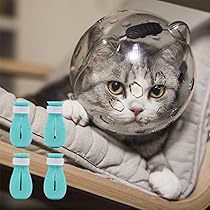
Credit: www.amazon.ca
Causes Of Over Grooming
Understanding why your cat is over grooming is key to stopping this behavior. Over grooming can be a sign that something deeper is going on. It might be physical discomfort or emotional distress, so it’s important to look closely at what could be causing it.
Stress And Anxiety
Cats often groom themselves to calm down when they feel stressed or anxious. Changes in the environment, like moving to a new home or adding a new pet, can trigger this behavior. Have you noticed if your cat starts over grooming after a visit to the vet or loud noises? These situations can increase anxiety and lead to excessive grooming.
Allergies And Skin Issues
Allergies are a common cause of over grooming in cats. Your cat might be reacting to food, pollen, or even household cleaners. Skin problems like dryness, rashes, or irritation can also make your cat lick or scratch more than usual. If you see redness or bald patches, it’s a clear sign your cat’s skin needs attention.
Parasites And Infections
Parasites such as fleas, mites, or ticks can cause intense itching, leading to over grooming. Even if you don’t see them easily, these tiny pests can cause big problems. Infections can also irritate the skin and make your cat lick compulsively to ease the discomfort.
Boredom And Lack Of Stimulation
Sometimes, over grooming happens simply because your cat is bored. Without enough playtime or mental challenges, cats may groom themselves out of habit or frustration. Think about your cat’s daily routine—could adding toys or interactive playtime reduce this behavior?
Identifying Over Grooming Signs
Recognizing the signs of over grooming in your cat early can save them from discomfort and potential health issues. Paying close attention to changes in their fur, skin, and behavior helps you act before the problem worsens. It’s not always obvious, so knowing what to look for is key to protecting your furry friend.
Hair Loss Patterns
Look for patches where fur is thinning or completely missing. These spots often appear on the belly, legs, or around the neck. If you notice small, round bald areas or uneven fur length, your cat may be over grooming.
Check if the hair loss is symmetrical on both sides of the body. Uneven patterns can sometimes point to other medical issues, but consistent grooming spots usually indicate stress or allergies. Have you observed your cat licking or biting the same place repeatedly?
Skin Redness And Irritation
Excessive grooming often leads to irritated skin. Watch for redness, swelling, or small sores where your cat licks the most. These signs mean your cat’s grooming has gone beyond normal cleaning.
Sometimes, the skin may look dry or flaky, which can be a sign of underlying allergies or parasites. If your cat’s skin looks raw or has scabs, it’s time to intervene. Do you feel the skin is warmer or more sensitive in certain areas?
Behavioral Changes
Over grooming is often linked to stress or anxiety. Notice if your cat suddenly becomes more restless, hides more often, or acts unusually aggressive. These changes can be your cat’s way of coping with discomfort or boredom.
Some cats groom to soothe themselves when they feel anxious. If your cat spends long periods licking or biting, especially after changes in their environment, it’s a red flag. How has your cat’s routine or surroundings changed recently?
Creating A Calm Environment
Creating a calm environment is key to stopping your cat from over grooming. Cats often groom excessively because they feel anxious or unsettled. By making your home a peaceful place, you can help your cat feel safe and reduce this behavior.
Reducing Stress Triggers
Identify what makes your cat nervous. Loud noises, sudden movements, or new pets can stress your cat out. Try to keep things quiet and predictable around your cat.
If visitors make your cat anxious, give them time to adjust or limit visits. Keep your cat’s routine steady—meals, playtime, and sleep should happen at the same times daily. Have you noticed if your cat reacts to something specific? Watch closely and remove or reduce those triggers.
Providing Safe Spaces
Your cat needs a quiet spot to retreat to when feeling overwhelmed. Set up cozy hiding places like a box, cat bed, or a shelf high up. These safe zones help your cat relax and feel in control.
Make sure these areas are away from busy rooms or noisy appliances. Adding soft blankets or toys can make these spots inviting. How often does your cat use these spaces? Encouraging them to go there can lower grooming linked to stress.
Using Calming Products
Calming products can ease your cat’s anxiety quickly. Pheromone diffusers release scents that mimic a cat’s natural comfort signals. These can be plugged in around your home to create a soothing atmosphere.
Other options include calming collars, sprays, or treats with natural ingredients like chamomile or valerian root. Always check with your vet before trying something new. Have you tried any calming products before? Sometimes small changes can make a big difference.
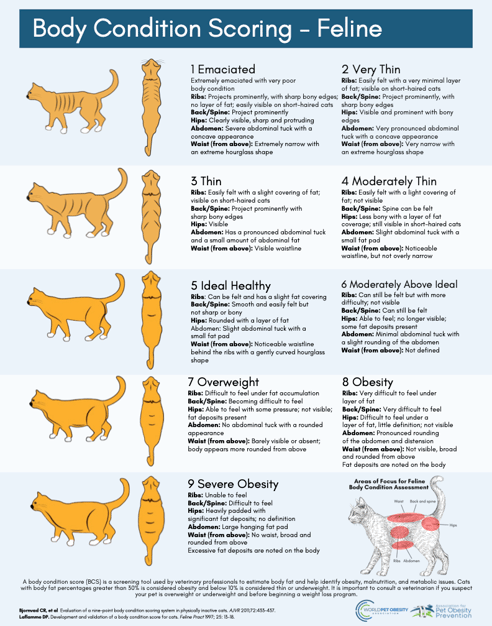
Credit: www.preventivevet.com
Improving Cat’s Diet
Improving your cat’s diet can help reduce over-grooming. Provide balanced meals rich in protein and nutrients. Ensure clean water is always available, and avoid sudden diet changes to prevent stress.
Improving your cat’s diet can help reduce over-grooming. Cats need a balanced diet to maintain healthy skin and fur. A diet rich in essential nutrients supports their overall well-being. This includes proteins, vitamins, and minerals. Ensuring your cat eats well can make a big difference.Nutritional Needs
Cats are obligate carnivores. They require high-quality protein from meat sources. Proteins help build and repair tissues. Taurine, an amino acid found in meat, is vital. It supports vision, heart function, and reproduction. A diet lacking taurine can lead to health issues. Vitamins and minerals are also crucial. Vitamin E and zinc support skin health. Omega-3 and omega-6 fatty acids reduce inflammation. They help keep your cat’s coat shiny and soft. Choose cat foods that list these nutrients on the label.Supplements For Skin Health
Sometimes, regular food isn’t enough. Supplements can provide additional support. Omega-3 supplements are popular for skin health. They reduce inflammation and promote a healthy coat. Biotin is another helpful supplement. It supports skin and fur health. It also strengthens nails. You can find biotin in many cat supplements. Always consult a veterinarian before adding supplements. They can recommend the right products and doses.Regular Vet Checkups
Regular vet checkups play a crucial role in preventing your cat from over grooming. These visits allow your vet to spot hidden health issues that might be causing your cat discomfort or stress. Taking your cat to the vet regularly helps keep their skin, coat, and overall health in check, reducing the urge to over groom.
Diagnosing Underlying Conditions
Sometimes, over grooming is a sign of an underlying medical problem. Your vet can examine your cat thoroughly to identify issues like skin infections, hormonal imbalances, or pain that might trigger excessive grooming. Catching these conditions early means your cat can get the right treatment and relief quickly.
Parasite Control
Fleas, mites, and other parasites often cause itching that leads cats to over groom. During checkups, your vet can recommend effective parasite control options tailored to your cat’s needs. Regular treatments and preventive measures can stop parasites from taking hold and keep your cat comfortable.
Allergy Testing
Allergies can be tricky to detect but are a common cause of over grooming. Your vet might suggest allergy testing to find out if your cat is reacting to food, pollen, or other environmental factors. Identifying allergens allows you to adjust your cat’s diet or environment, easing their discomfort and reducing grooming behavior.
Credit: hellopetsinc.com
Increasing Physical And Mental Stimulation
Increasing your cat’s physical and mental stimulation plays a crucial role in preventing over grooming. Cats often groom excessively out of boredom or stress. Keeping their minds and bodies active helps redirect their energy toward healthier activities.
Interactive Toys
Interactive toys can capture your cat’s attention and keep them busy. Toys that mimic prey, like feather wands or motorized mice, encourage natural hunting instincts. You might notice how your cat becomes more focused and less likely to fixate on grooming when engaged with these toys.
Consider puzzle feeders that challenge your cat to solve problems for treats. These toys provide mental exercise and slow down eating, which can reduce anxiety—a common cause of over grooming.
Playtime Routines
Setting a regular playtime routine helps your cat expect and look forward to daily activity. Short, frequent play sessions work better than one long session because cats have bursts of energy rather than long stamina.
Try dedicating 10-15 minutes several times a day to active play. You’ll likely see your cat’s grooming habits improve as they get more physical exercise and mental engagement.
Environmental Enrichment
Adding elements to your cat’s environment can stimulate their curiosity and reduce stress. This could be simple things like window perches for bird watching or new hiding spots around the house.
- Rotate toys regularly to keep things fresh.
- Add scratching posts or climbing trees for physical activity.
- Use cat-safe plants or herbs like catnip to entice exploration.
Have you observed which parts of your home your cat enjoys most? Enhancing these areas encourages your cat to explore instead of over grooming.
Using Protective Gear
Using protective gear helps stop cats from over grooming. This gear limits their access to itchy or sore spots. It also gives skin time to heal. Protective gear can be comfortable for cats. It keeps them from causing more harm. Choose the right gear based on your cat’s needs and comfort.
Elizabethan Collars
Elizabethan collars, also called e-collars or cones, prevent cats from licking or biting themselves. They are rigid and form a barrier around the head. These collars stop cats from reaching most parts of their body.
They come in various sizes to fit your cat well. Soft edges help reduce discomfort. Some cats take time to adjust to wearing them. Watch your cat closely and offer treats to encourage acceptance.
Soft Recovery Suits
Soft recovery suits cover the cat’s body, protecting skin from scratching or licking. They are made of stretchy, breathable fabric. This fabric allows movement without irritation.
Recovery suits fit snugly but comfortably. They protect wounds and irritated areas effectively. These suits can be easier for cats to wear than rigid collars. They also keep cats warm and calm during healing.
Behavioral Training Techniques
Behavioral training techniques can be a powerful way to help your cat stop over grooming. These methods focus on changing your cat’s habits and providing alternative activities that satisfy their needs. Understanding your cat’s behavior and responding with patience can lead to noticeable improvements.
Redirecting Attention
When your cat starts over grooming, gently divert their focus to another activity. Offering a favorite toy or engaging them with interactive play can distract them from licking excessively. This switch helps break the habit loop and keeps their mind busy.
Try using wand toys or laser pointers to capture your cat’s attention. These tools encourage physical activity and mental stimulation, which can reduce stress-related grooming. Have you noticed how your cat’s energy changes when they’re involved in play?
Positive Reinforcement
Reward your cat for calm behavior and for avoiding over grooming. Use treats, gentle petting, or soothing words to reinforce when they are relaxed and not licking. Positive reinforcement builds trust and motivates your cat to repeat good behavior.
Consistency is key here. When your cat stops licking on their own, immediately reward them to create a clear connection. Have you tried praising your cat right after they pause from grooming? It can make a big difference.
Frequently Asked Questions
Why Does My Cat Over Groom Itself?
Cats over groom due to stress, allergies, or skin irritation. It can be a sign of anxiety or medical issues. Identifying the cause helps to treat and prevent excessive grooming effectively.
How Can I Stop My Cat From Over Grooming?
Provide a calm environment, regular playtime, and proper vet checkups. Use calming sprays or collars if needed. Address allergies or skin problems promptly to reduce over grooming.
Is Over Grooming Harmful To Cats?
Yes, over grooming can cause hair loss, skin wounds, and infections. It affects your cat’s health and comfort. Early intervention prevents serious skin damage and promotes healing.
Can Diet Affect My Cat’s Grooming Habits?
Yes, poor nutrition can lead to skin issues and itching. A balanced diet with essential fatty acids supports healthy skin. Consult your vet for dietary advice to reduce over grooming.
Conclusion
Stopping your cat from over grooming takes time and care. Watch your cat’s behavior closely each day. Provide plenty of toys and playtime to reduce stress. Keep your cat’s environment calm and comfortable. Regular vet visits help catch health issues early.
Remember, patience is key to helping your cat feel better. Small changes can make a big difference in your cat’s happiness. Keep trying and stay gentle with your furry friend. Your cat will thank you with a healthy, happy coat.




Leave a Reply