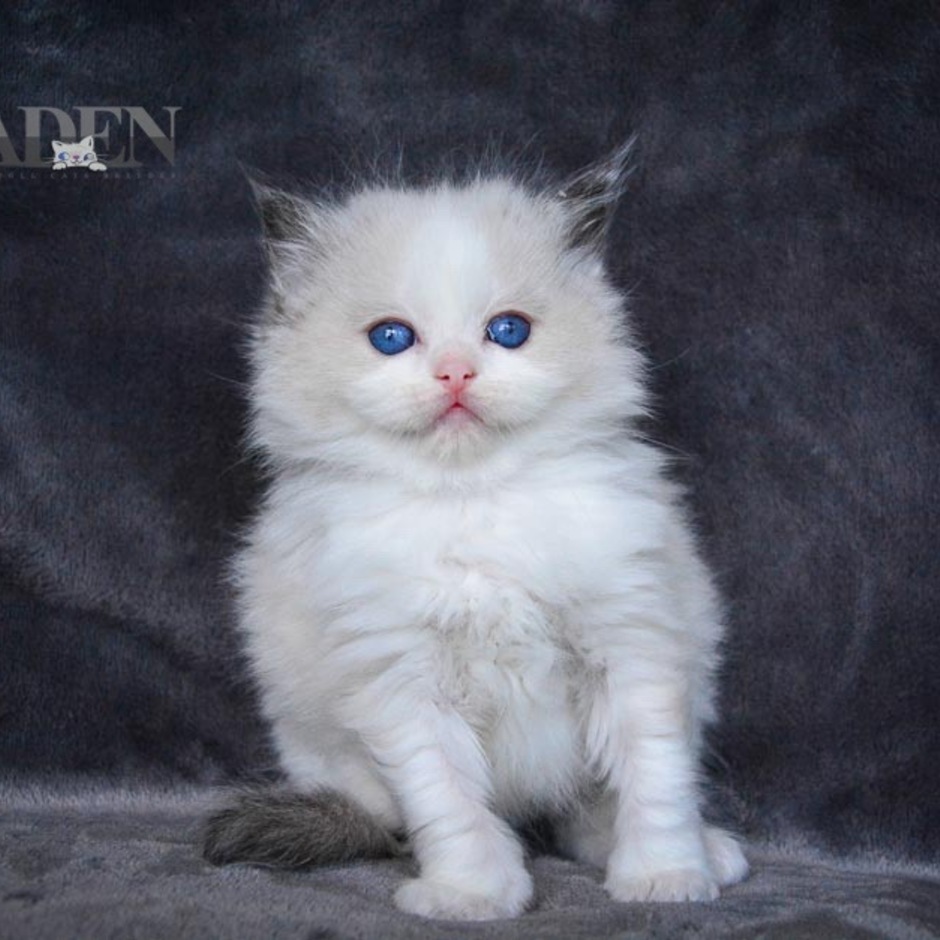
Are you fascinated by the gentle charm of Ragdoll cats and want to turn that passion into something more? Becoming a Ragdoll cat breeder isn’t just about having cute kittens—it’s about caring for their health, temperament, and future.
If you want to learn how to breed Ragdolls responsibly and successfully, this guide will give you the clear steps you need. Keep reading to discover what it takes to create healthy, happy kittens that bring joy to families—and how you can make your mark in the world of Ragdoll breeding.
Credit: www.masterpieceragdolls.com
Choosing Ragdoll Cats
Choosing the right Ragdoll cats for breeding sets the foundation for healthy, beautiful kittens. Your decisions here impact not only the quality of your breeding program but also the well-being of the cats you care for. Understanding what to look for helps you avoid common pitfalls and build a strong line of Ragdolls with excellent traits.
Selecting Breeding Cats
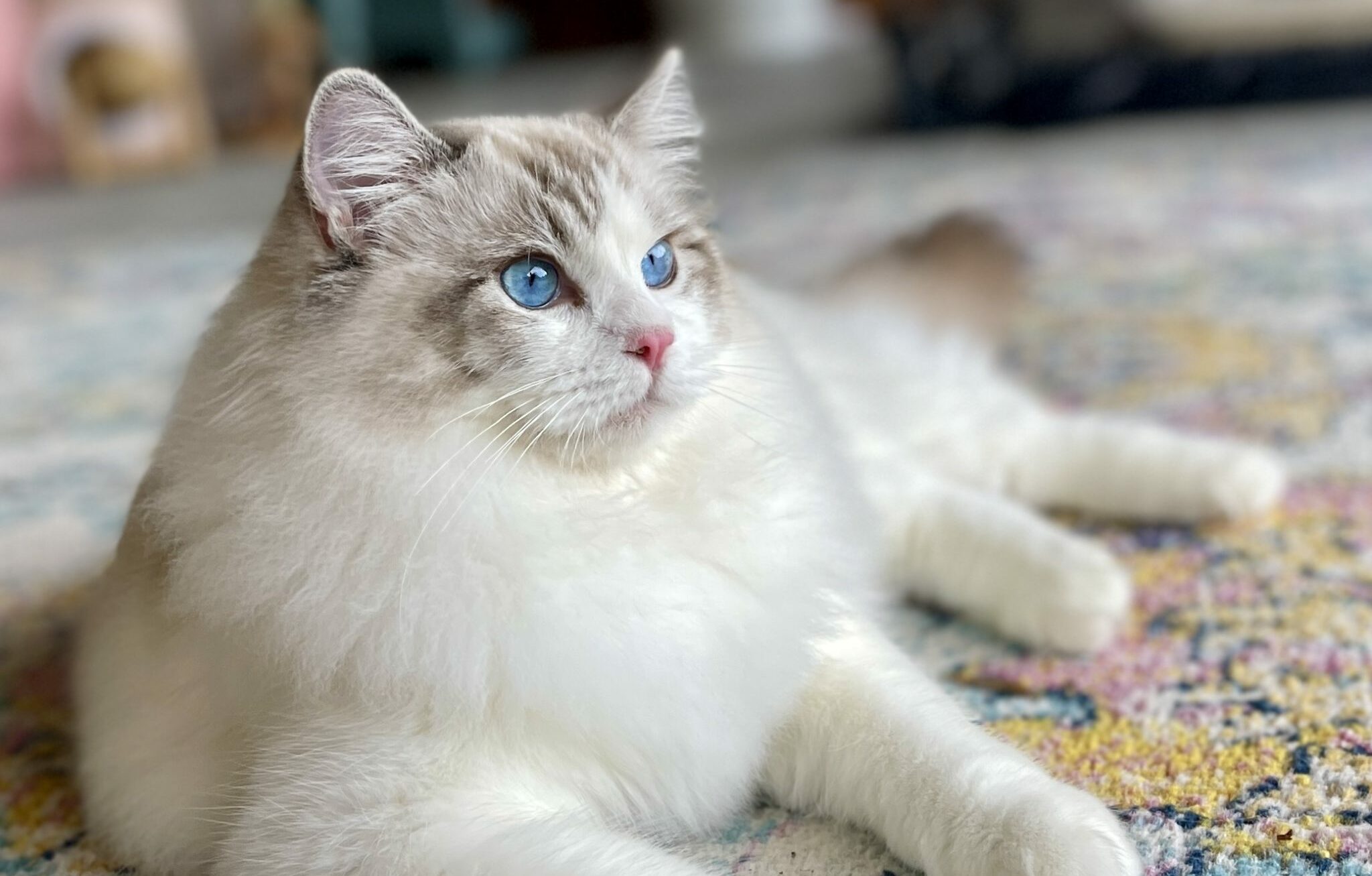
Start by identifying cats that display the classic Ragdoll traits: striking blue eyes, soft semi-long fur, and a calm, affectionate nature. Look beyond appearance—select cats with good bone structure and size, as Ragdolls are known for their large, muscular bodies.
Think about your breeding goals. Are you aiming for show-quality cats, or do you want family-friendly pets? Choosing cats aligned with your goals ensures your efforts produce the desired outcomes.
Evaluating Health And Temperament
Health is non-negotiable. Ask for veterinary records and test results for common Ragdoll genetic conditions like hypertrophic cardiomyopathy (HCM). Healthy cats reduce risks and costs down the line.
Temperament matters just as much. Ragdolls are famous for their gentle, relaxed nature. Spend time with your candidates—do they enjoy human interaction? Are they calm in new situations? These observations will tell you if they have the right personality for breeding.
Pedigree And Genetic Considerations
Review your cats’ pedigrees carefully. Knowing their lineage helps you avoid inbreeding and maintains genetic diversity. Look for ancestors with strong health records and desirable traits.
Genetic testing can reveal hidden risks. Use this data to make informed matches, aiming to enhance strengths and minimize weaknesses in your kittens. Have you considered how a single genetic flaw could affect generations?
Setting Up Your Breeding Space
Setting up your breeding space is vital for healthy and happy Ragdoll cats. A well-prepared area helps reduce stress and supports the cats’ wellbeing. It also ensures smooth breeding and care routines. Focus on safety, comfort, and hygiene to create the best environment.
Creating A Safe Environment
Choose a quiet, secure room with limited access. Avoid loud noises and sudden movements. Keep the area free from harmful chemicals and sharp objects. Ensure windows and doors are secure to prevent escapes. Provide soft bedding and cozy hiding spots. Safety helps cats feel calm and relaxed.
Essential Supplies And Equipment
- Quality food and water bowls
- Soft bedding and nesting boxes
- Litter trays with suitable litter
- Grooming tools like brushes and nail clippers
- Heating pads or lamps for warmth
- Safe toys for stimulation
- Medical supplies for emergencies
Organize supplies neatly. Keep essentials close to save time during care.
Maintaining Cleanliness And Comfort
Clean litter trays daily to prevent odor and infection. Wash bedding regularly to keep it fresh. Wipe food and water bowls after each use. Remove fur and dust from the space often. Maintain a comfortable temperature between 70-75°F (21-24°C). Good hygiene promotes health and comfort for the cats.
Breeding Process
The breeding process for Ragdoll cats requires patience and careful attention. Understanding the female cat’s reproductive cycle is key. Proper timing ensures successful mating and healthy kittens. Each stage demands specific care and knowledge. This section explains the main steps to follow for effective breeding.
Timing And Heat Cycles
Ragdoll females go into heat several times a year. Each heat cycle lasts about 7 to 10 days. During this time, the female shows signs of being ready to mate. Common signs include:
- Increased vocalization
- Restlessness
- Rubbing against objects
- Raising her hindquarters
Tracking heat cycles helps choose the best mating days. Breeding usually happens in the middle of the cycle for higher chances of success.
Mating Techniques
Introduce the male and female in a calm, quiet space. Allow them to meet naturally without forcing interaction. The male will typically initiate mating by sniffing and gently biting the female’s neck.
After mating, the female may show some agitation; this is normal. It is best to separate them calmly to avoid stress. Repeat mating over several days increases the chance of pregnancy. Keep the environment stress-free and safe during this period.
Pregnancy Care
Pregnancy lasts about 63 to 65 days in Ragdolls. Provide a quiet, comfortable area for the expectant mother. Feed a high-quality diet rich in protein and nutrients. Regular vet check-ups help monitor the health of mother and kittens.
Watch for signs of distress or illness. Prepare a clean nesting box before the due date. Avoid loud noises and sudden changes to keep her calm. Proper care during pregnancy leads to healthy births and strong kittens.
Caring For Kittens
Ragdoll cat breeding involves understanding their needs and characteristics. Focus on providing a safe, nurturing environment. Proper nutrition, regular health check-ups, and gentle handling are essential for raising healthy kittens.
Caring for kittens is a vital part of being a successful Ragdoll cat breeder. This stage requires patience, dedication, and attention to detail. By focusing on their health, development, and comfort, you can ensure each kitten grows into a healthy adult cat. Here are some key aspects to consider in caring for Ragdoll kittens.Neonatal Care
In the first weeks, kittens need a warm and clean environment. Keep their area quiet and free from disturbances. Monitor their weight daily to ensure healthy growth. Kittens might need bottle feeding if the mother isn’t available. Use a kitten-specific formula for proper nutrition.Weaning And Socialization
Start weaning around four weeks old. Introduce wet kitten food gradually. Encourage play to develop their social skills. Handle kittens gently to foster human interaction. Provide various toys to stimulate their minds. Socialization helps them adapt to new environments.Health Monitoring And Vaccinations
Regular vet check-ups are crucial for kitten health. Begin vaccinations at six to eight weeks old. Deworming is essential to prevent parasites. Keep a record of their health milestones. Watch for signs of illness like lethargy or lack of appetite. Early detection ensures prompt treatment.Health And Genetic Testing
Maintaining the health of your Ragdoll cats is essential for successful breeding. Health and genetic testing help you identify potential issues early and ensure you breed strong, healthy kittens. Understanding what to test and how to manage health risks can protect your cats and your breeding reputation.
Common Ragdoll Health Issues
Ragdolls are generally healthy, but some conditions are more common in the breed. Hypertrophic cardiomyopathy (HCM), a heart disease, is a major concern. Kidney problems like polycystic kidney disease (PKD) can also affect them.
You should watch for signs like difficulty breathing, lethargy, or sudden weight loss. Early detection can make a big difference in treatment success. Knowing these risks helps you prepare and manage your breeding program responsibly.
Genetic Screening Tests
Genetic testing is a powerful tool to avoid passing inherited diseases to kittens. Tests for HCM and PKD are widely available and recommended for all breeding cats. These tests check if a cat carries or is affected by specific gene mutations.
Results guide your breeding choices, helping you pair cats that reduce health risks in offspring. You can also test for traits like coat color and pattern to meet breed standards. Would you risk breeding without knowing your cat’s genetic health?
Preventive Health Measures
Regular veterinary check-ups are key to catching health problems early. Vaccinations, parasite control, and dental care protect your cats from common illnesses. Feeding a balanced diet supports their overall well-being.
Keep detailed health records and share them with prospective kitten buyers. This transparency builds trust and shows you care about your cats’ welfare. How will you keep your Ragdolls healthy and thriving for years to come?

Credit: www.masterpieceragdolls.com
Legal And Ethical Responsibilities
Breeding Ragdoll cats comes with important legal and ethical duties. These duties protect the cats, buyers, and breeders. Following them helps maintain high standards in breeding and care. Understanding these responsibilities is key to running a responsible breeding program.
Licensing And Registration
Check local laws about animal breeding and ownership. Many places require a license to breed cats legally. Register your breeding cattery with recognized cat associations. This shows your commitment to responsible breeding. Keep all paperwork and permits up to date. Licensing ensures you meet health and safety rules for animals.
Ethical Breeding Practices
Breed only healthy Ragdolls with good temperaments. Avoid breeding cats with genetic diseases or poor health. Give proper care to all cats before, during, and after pregnancy. Provide clean, safe, and comfortable living spaces. Limit the number of litters per cat to protect her health. Focus on improving the breed, not just making money.
Selling And Rehoming Kittens
Screen potential buyers carefully to ensure good homes. Provide buyers with clear information on care and health needs. Offer a written contract with health guarantees and return policies. Avoid selling kittens to pet stores or unknown parties. Be ready to take back cats if owners cannot care for them. Responsible rehoming helps keep Ragdolls safe and happy.
Marketing Your Kittens
Marketing your Ragdoll kittens is crucial to finding the right homes and building a successful breeding business. It’s not just about selling kittens; it’s about creating trust and showcasing the unique qualities of your cats. How can you make sure your kittens stand out and attract loving, responsible buyers?
Building A Reputation
Your reputation is the foundation of your breeding success. Always prioritize the health and temperament of your kittens—happy, healthy cats speak volumes. Share stories and photos that highlight their gentle nature and playful personalities to help buyers connect emotionally.
Word of mouth matters a lot. Encourage satisfied buyers to leave reviews or recommend you to friends. Think about hosting small meet-and-greet events or attending local pet shows to let people see your cats in person. This builds trust faster than any ad can.
Using Online Platforms
Online presence is key in today’s market. Create a clean, user-friendly website that showcases your kittens with clear photos and detailed descriptions. Include important info like vaccination status, lineage, and care tips.
Social media platforms like Instagram and Facebook offer great ways to engage with potential buyers daily. Post regular updates, share kitten milestones, and respond quickly to inquiries. Which platform do you think your ideal buyers spend the most time on?
- Join specialized cat breeding groups to network and share your litters.
- Use hashtags relevant to Ragdoll cats to increase visibility.
- Consider small paid ads targeted at pet lovers in your area.
Communicating With Potential Buyers
Clear and honest communication builds trust from the first message. Answer questions thoroughly and don’t rush the sale. Buyers appreciate breeders who show genuine care for their kittens’ future homes.
Ask buyers about their experience with cats and their home environment. This helps you ensure your kittens go to responsible owners. You might even offer a checklist or guide to help buyers prepare for their new pet.
Follow up after the sale to offer support and build lasting relationships. This can lead to repeat buyers or referrals. What questions do you think buyers often forget to ask but really should?
Managing Finances
Managing finances is a crucial part of being a successful Ragdoll cat breeder. Without a clear understanding of your costs and income, it’s easy to lose track and struggle to keep your breeding program sustainable. Taking control of your finances helps you make informed decisions and keeps your business healthy.
Budgeting For Expenses
Start by listing all the expenses involved in breeding Ragdoll cats. These include veterinary care, quality food, grooming supplies, and housing. Don’t forget occasional costs like vaccinations, emergency vet visits, and show fees.
Set a monthly budget for these expenses to avoid surprises. Track how much you spend on each category and adjust your budget if certain costs rise. For example, I once underestimated veterinary bills during kitten season, which threw my budget off balance for a few months.
Pricing Strategies
Pricing your kittens correctly can make or break your breeding business. Look at what other reputable Ragdoll breeders charge in your area, but also consider your expenses and the quality of your cats. Pricing too low can hurt your profits and undervalue your cats, while pricing too high might scare away potential buyers.
Think about offering tiered pricing based on factors like pedigree, health guarantees, or early socialization training. Have you ever thought about including extras like starter kits for new owners? These small perks can justify higher prices and set you apart.
Record Keeping
Keeping accurate records is essential for tracking your financial health and staying organized. Use a spreadsheet or accounting software to log all income and expenses related to your breeding activities.
Records should include vet bills, food receipts, sales income, and any other costs. Keeping detailed notes helps you spot patterns, prepare for tax time, and plan for future investments. Have you set up a system that makes reviewing finances quick and easy?

Credit: www.masterpieceragdolls.com
Frequently Asked Questions
What Are The First Steps To Start Ragdoll Cat Breeding?
Begin by learning about Ragdoll traits, genetics, and breed standards. Choose healthy, pedigree cats. Set up a clean, safe environment for breeding and raising kittens.
How Do I Select Healthy Ragdoll Cats For Breeding?
Select cats with no genetic diseases, good temperaments, and proper physical traits. Health screenings and vet checks are essential before breeding.
What Is The Ideal Breeding Age For Ragdoll Cats?
Female Ragdolls should be at least 18 months old. Males can breed from 12 months. Breeding too early can harm their health.
How To Care For Pregnant Ragdoll Cats Properly?
Provide a balanced diet, quiet space, and regular vet visits. Monitor health and prepare a comfortable birthing area for the mother.
Conclusion
Breeding Ragdoll cats takes patience, care, and knowledge. Focus on the cats’ health and happiness every day. Keep learning about their needs and traits. Choose mates carefully to ensure strong, healthy kittens. Provide a clean, safe space for them to grow.
Stay committed to responsible breeding practices. Enjoy the journey of raising gentle and loving Ragdolls. Your efforts will bring joy to many families. Keep your cats’ well-being as the top priority always.



Leave a Reply