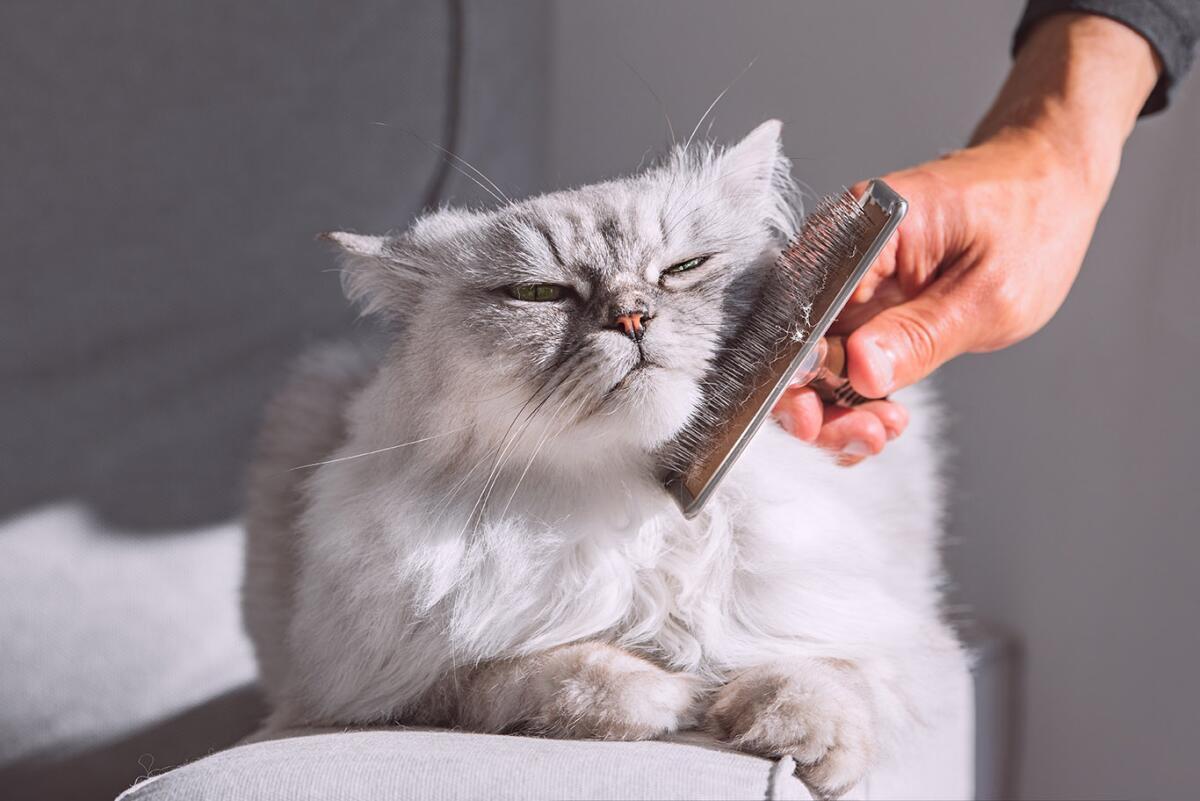
If you have a long-haired cat, you know how beautiful—and challenging—their fur can be. Tangled mats, shedding, and hairballs can quickly become a daily struggle.
But what if you could keep your cat’s coat smooth, shiny, and healthy without expensive trips to the groomer? You’ll discover simple, effective ways to groom your long-haired cat right at home. With the right tools and techniques, grooming can become a bonding moment that your cat actually enjoys.
Keep reading to learn how to make grooming easy, stress-free, and even fun for both of you.
Preparing For Grooming
Preparing to groom a long-haired cat is key to a smooth experience. It helps prevent stress for both you and your cat. Taking time to prepare makes grooming easier and more effective. Start by choosing the right tools suited for your cat’s fur type. Then, create a calm space free from loud noises or distractions. Finally, set a regular grooming schedule to keep your cat’s coat healthy and mat-free. Each step helps build a positive routine your cat will accept.
Choosing The Right Tools
Pick tools made for long-haired cats. A slicker brush removes loose hair and tangles gently. A wide-tooth comb works well for stubborn mats. Nail clippers designed for cats keep paws neat. Use a soft cloth for wiping dirt or dust. Keep all tools clean and ready before you start.
Creating A Calm Environment
Find a quiet, comfortable place for grooming. Use soft lighting to avoid startling your cat. Sit at your cat’s level to make them feel safe. Speak softly and use gentle motions. Keep treats nearby to reward good behavior. Limit distractions like phones or loud sounds. A calm setting helps your cat relax during grooming.
Setting A Grooming Schedule
Groom your cat regularly to avoid mats and tangles. Aim for at least two to three times a week. Short, frequent sessions work better than long ones. Note your cat’s response and adjust timing as needed. Consistency helps your cat get used to grooming. Mark your calendar or set reminders to stay on track.

Credit: tryfurgo.com
Brushing Techniques
Brushing your long-haired cat is more than just a grooming task—it’s a chance to bond and keep your feline friend comfortable. Mastering the right techniques can make brushing a calm and enjoyable routine for both of you. Here’s how you can brush effectively to maintain that silky coat and prevent common issues.
Selecting The Best Brush
Not all brushes work well for every long-haired cat. You want a brush that can reach through the dense fur to the undercoat without hurting your cat’s skin. A slicker brush with fine, bent wires is often ideal; it removes loose hair and debris gently.
Some cats prefer a wide-toothed comb after the slicker brush to smooth out the coat. If your cat has very thick fur, consider a deshedding tool designed for long hair. You might need to try a couple of options—observe which brush your cat tolerates best and which gets the most hair out.
Brushing To Prevent Mats
Mats form when fur tangles and tightens, causing discomfort and sometimes skin problems. To keep mats at bay, brush your cat regularly, ideally daily or every other day. Don’t rush; slow, gentle strokes work best to avoid pulling on the hair.
Start brushing at the head and move towards the tail, paying special attention to areas prone to mats like behind the ears, under the legs, and around the collar area. Ask yourself: are you brushing enough to catch mats before they form? Consistency is key here.
Dealing With Tangles And Knots
When you find a tangle, don’t panic or pull hard—it hurts your cat and can make them resist brushing. Instead, hold the fur close to the skin and carefully work through the knot with your fingers or a wide-toothed comb. Patience is crucial.
If the tangle is stubborn, try using a detangling spray made for cats to soften the hair. Sometimes, breaking a knot into smaller sections makes it easier to remove. Remember, frequent grooming prevents these tricky tangles from becoming painful mats.
Bathing Your Cat
Bathing a long-haired cat can keep its coat clean and free of mats. It also helps reduce shedding and hairballs. Cats usually groom themselves well, but occasional baths are needed for deeper cleaning. Prepare everything before starting to make the process smooth and calm.
When To Bathe
Bathe your cat only when necessary. Signs include:
- Coat is very dirty or greasy
- Cat smells bad
- Has sticky or oily spots
- Skin issues require medicated shampoo
- After contact with harmful substances
Frequent baths can dry out skin. Stick to a schedule of every few months or as advised by your vet.
Step-by-step Bathing Guide
- Brush your cat gently to remove loose hair and tangles.
- Fill a sink or tub with a few inches of lukewarm water.
- Use a cup or sprayer to wet your cat slowly, avoiding the face.
- Apply cat-safe shampoo and lather gently.
- Rinse thoroughly, ensuring no shampoo remains.
- Use a washcloth to clean the face carefully.
- Keep calm and speak softly to your cat during the bath.
Drying Tips For Long Hair
- Wrap your cat in a soft towel and pat dry.
- Use several towels if the first gets too wet.
- Keep the cat in a warm room until fully dry.
- A low-heat hair dryer can help, but keep it far and use quiet settings.
- Brush the coat gently once mostly dry to prevent mats.
Trimming And Clipping
Trimming and clipping help keep a long-haired cat’s coat neat and free of mats. Use scissors or clippers carefully to avoid hurting your cat. Regular grooming prevents tangles and keeps your pet comfortable.
Grooming a long-haired cat at home can be a rewarding experience for both you and your feline friend, providing a great opportunity to bond. Among the various grooming tasks, trimming and clipping are essential to ensure your cat’s coat remains healthy and manageable. With a little patience and the right techniques, you can master these skills and keep your cat looking its best.Safe Nail Trimming
Trimming your cat’s nails is crucial to prevent overgrowth and potential injuries. Use a quality nail clipper designed for cats to ensure a clean cut. Gently hold your cat’s paw and press lightly to extend the nail. Focus on trimming just the sharp tip, avoiding the quick—a sensitive area that can bleed if nicked. Providing treats after each session can make nail trimming a positive experience. If your cat resists, try trimming just a few nails at a time. Regular trims every two to three weeks can keep the claws manageable and reduce the risk of scratches to you and your furniture.Trimming Hair Around Sensitive Areas
Long-haired cats often have trouble with matting, especially around sensitive areas like the belly and hindquarters. Carefully trim these areas using blunt-tipped scissors to prevent accidental cuts. Ensure your cat is calm and comfortable, perhaps after a meal or play session. Start with small snips, and check frequently for any signs of distress. If your cat becomes anxious, take a break and try again later. This gentle approach can reduce stress and help build trust.Using Clippers Safely
Electric clippers can be a handy tool for managing a long-haired cat’s coat, especially if mats are severe. Choose clippers with a quiet motor to minimize noise and stress. Always test the clippers on your arm first to ensure they’re not too hot or too noisy. Clip in the direction of hair growth to avoid pulling or irritating the skin. Keep a steady hand and work in small sections, taking frequent breaks to reassure your cat. Regular use of clippers can help maintain a neat appearance without the need for frequent professional grooming sessions. Grooming your long-haired cat at home can be a fulfilling task with the right tools and techniques. What challenges have you faced while grooming your cat? Share your experiences in the comments below!Maintaining Healthy Skin And Coat
Keeping your long-haired cat’s skin and coat healthy is more than just about regular brushing. It involves a combination of good nutrition, attentive care, and the right products. Healthy skin is the foundation for a shiny, tangle-free coat that your cat will love showing off.
Diet And Hydration Impact
Your cat’s diet plays a major role in the condition of its skin and fur. Foods rich in omega-3 and omega-6 fatty acids help reduce dryness and promote shine. Have you checked if your cat’s food contains these essential fats?
Hydration is just as important. Cats often don’t drink enough water, which can lead to flaky skin and dull fur. Try adding wet food to their diet or placing multiple water bowls around your home to encourage drinking.
Recognizing Skin Issues
Pay close attention to changes in your cat’s skin and coat. Signs like redness, bumps, or excessive scratching can indicate allergies, parasites, or infections. Early detection can prevent these problems from worsening.
Look for patches of hair loss or scabs. These might seem minor, but they often signal underlying issues that need a vet’s attention. Have you noticed any unusual spots during grooming sessions?
Using Supplements And Products
Supplements such as fish oil capsules can boost skin health and add extra shine to your cat’s coat. Always consult your vet before adding supplements to your cat’s routine to ensure safety and proper dosage.
Choose grooming products carefully. Use shampoos and conditioners designed specifically for cats, avoiding harsh chemicals that can irritate sensitive skin. Gentle brushing tools also help distribute natural oils evenly, reducing mats and tangles.

Credit: pursianpaws.com
Handling Grooming Challenges
Grooming a long-haired cat at home can present some unique challenges. Cats may react differently depending on their mood, past experiences, and personality. Understanding how to handle these challenges makes the process smoother for both you and your furry friend.
Calming Anxious Cats
Many cats feel nervous during grooming because they are not used to being handled for long periods. Start by creating a quiet, comfortable space with minimal distractions.
Use a gentle voice and slow movements to help your cat feel safe. You can also try wrapping your cat in a soft towel to provide a sense of security while grooming.
Consider offering treats or a favorite toy before and after grooming sessions to build positive associations. Have you noticed that a calm environment changes your cat’s behavior during grooming?
Managing Aggressive Behavior
Some cats may react aggressively when they feel threatened or uncomfortable. Watch for signs like hissing, growling, or swatting before these behaviors escalate.
If your cat becomes aggressive, pause the grooming session and give them some space. Returning later, try shorter grooming intervals to help your cat adjust gradually.
Use grooming tools that reduce pulling or discomfort, like a slicker brush with soft bristles. Remember, patience is key—forcing grooming can increase fear and aggression.
When To Seek Professional Help
If grooming at home becomes too stressful or unsafe for you or your cat, it’s time to consult a professional groomer or veterinarian. Professionals have specialized tools and experience to handle difficult cats safely.
Persistent matting or skin issues are also signs that expert help is needed. Don’t hesitate to reach out; your cat’s comfort and health are worth it.
Have you ever faced a grooming challenge that required expert advice? What did you learn from that experience?
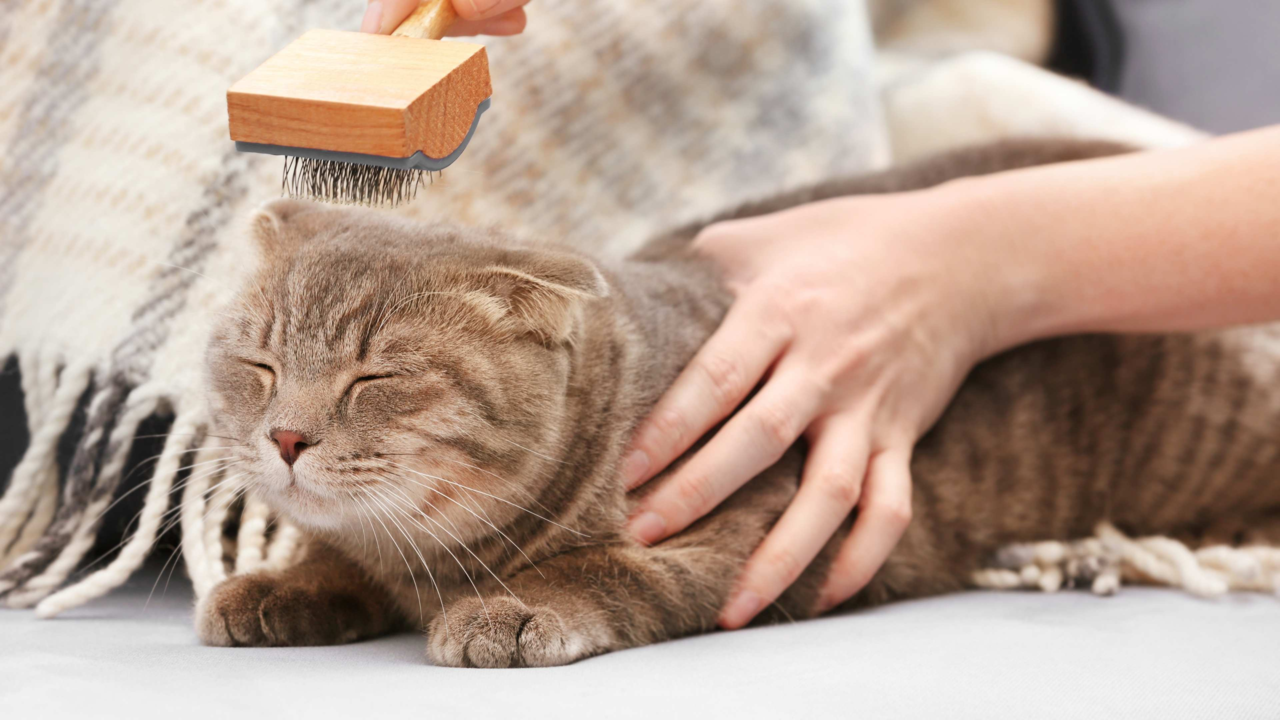
Credit: petdirect.co.nz
Frequently Asked Questions
How Often Should I Groom A Long-haired Cat?
Groom your long-haired cat daily or at least 3-4 times weekly. Regular grooming prevents mats and reduces shedding. It keeps their coat clean and healthy, avoiding hairballs and skin problems.
What Tools Are Best For Grooming Long-haired Cats?
Use a wide-toothed comb, slicker brush, and grooming scissors. These tools help remove tangles, loose fur, and prevent mats. Choose gentle, cat-specific tools for comfort and effectiveness.
How Can I Prevent Mats In My Cat’s Fur?
Brush your cat’s fur daily, focusing on problem areas. Regular grooming stops knots from forming and keeps the coat smooth. Check behind ears, under legs, and around the tail often.
Is Bathing Necessary For Long-haired Cats?
Bathing is rarely needed but can help if the cat is very dirty. Use cat-safe shampoo and warm water. Always dry thoroughly to prevent chills or skin issues.
Conclusion
Grooming a long-haired cat at home keeps them healthy and happy. Regular brushing stops mats and tangles from forming. It also helps reduce shedding and hairballs. Use gentle tools and be patient to avoid stress. Pay attention to your cat’s behavior during grooming.
A calm routine makes the process easier for both of you. With care and time, grooming becomes a bonding moment. Keep your cat comfortable and clean with simple steps. Your long-haired friend will thank you with a shiny coat and bright eyes.



Leave a Reply