If you have an older cat at home, you might have noticed some changes in their behavior or health. But do you know what common health problems old cats face?
Understanding these issues is key to helping your furry friend live a happier, more comfortable life. You’ll discover the most common health problems in senior cats and what signs to watch for. Knowing this can make a big difference in your cat’s well-being—and your peace of mind.
Keep reading to learn how you can protect your beloved companion as they age.
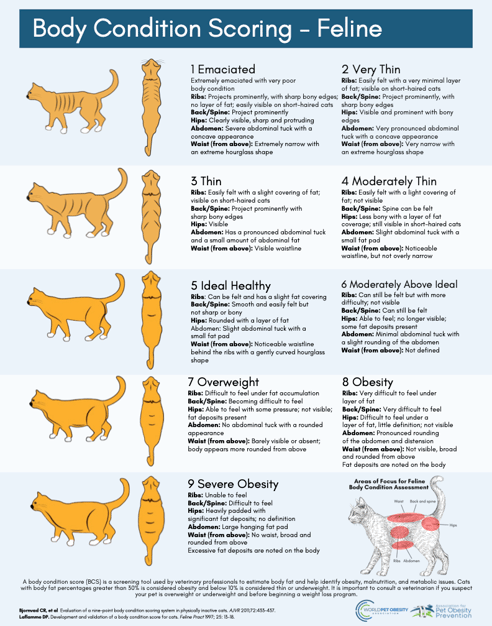
Credit: www.preventivevet.com
Common Health Issues In Senior Cats
Senior cats often face health challenges as they age. Their bodies change, and some diseases become common. Knowing these issues helps owners provide better care. Early detection can improve their quality of life.
Arthritis And Joint Pain
Older cats often suffer from arthritis. Joint pain makes movement hard and painful. They may avoid jumping or playing. Stiffness and limping are common signs. Gentle exercise and vet care can help ease pain.
Kidney Disease
Kidney disease is common in aging cats. Kidneys lose their ability to filter waste well. Symptoms include increased thirst and urination. Weight loss and poor appetite may occur. Early vet visits help manage this condition.
Dental Problems
Dental issues increase with age in cats. Gum disease and tooth decay cause pain. Bad breath and difficulty eating are signs. Regular dental check-ups prevent serious problems. Cleaning and treatment improve their comfort.
Hyperthyroidism
Hyperthyroidism affects many senior cats. It causes an overactive thyroid gland. Symptoms include weight loss and increased appetite. Cats may also be restless or vomit. Medication and diet changes control this disease.
Diabetes
Diabetes occurs more in older cats. It affects blood sugar regulation. Signs include excessive thirst and urination. Weight loss and lethargy are common. Insulin therapy and diet help manage diabetes.
Heart Disease
Heart problems can develop in senior cats. They may show coughing or difficulty breathing. Weakness and fainting can also happen. Regular vet checks detect heart disease early. Treatment improves their comfort and lifespan.

Credit: justcatsclinic.com
Signs Your Cat May Be Unwell
Recognizing the signs that your older cat may be unwell is crucial for timely care. Cats often hide discomfort, so small changes in their behavior or habits can signal health issues. Paying close attention helps you act quickly and improve their quality of life.
Changes In Appetite
If your cat suddenly eats less or refuses food, it could indicate dental problems, digestive issues, or even kidney disease. On the other hand, increased appetite might point to conditions like diabetes. Notice if your cat is picky, drooling, or having trouble chewing, as these can be subtle clues.
Weight Loss Or Gain
Unexpected weight loss in an older cat is often a red flag. It might be linked to hyperthyroidism or cancer. Conversely, weight gain can result from reduced activity or hormonal imbalances. Keep track of your cat’s weight regularly at home to catch these changes early.
Behavioral Changes
Has your cat become unusually withdrawn, aggressive, or restless? These shifts can signal pain, cognitive dysfunction, or sensory decline. Even subtle changes, like hiding more or vocalizing excessively, deserve your attention.
Mobility Difficulties
Older cats might struggle to jump or climb as they used to. Stiffness, limping, or reluctance to move can indicate arthritis or other joint problems. Observing your cat’s movement around the house can help you notice these mobility issues before they worsen.
Increased Thirst And Urination
If your cat drinks more water and needs more frequent litter box visits, it could be a sign of diabetes or kidney disease. Sometimes these symptoms are easy to miss but can lead to serious complications. Check your cat’s water bowl and litter box habits regularly.
Preventive Care For Aging Cats
Preventive care is crucial for aging cats. It helps keep them healthy and comfortable. Small actions can prevent serious health problems later. Early detection of issues makes treatment easier and more effective. Focus on care routines that support your cat’s changing needs.
Regular Vet Checkups
Schedule vet visits at least twice a year. Vets check for common age-related diseases. Blood tests and physical exams catch problems early. Discuss any changes in behavior or appetite. Timely vaccinations and parasite control protect your cat’s health.
Balanced Nutrition
Older cats need food designed for their age. Diets rich in protein and low in calories help maintain weight. Special formulas support kidney and joint health. Provide fresh water at all times. Avoid sudden changes in diet to prevent stomach upset.
Exercise And Enrichment
Encourage gentle play to keep muscles strong. Short, frequent activity sessions work best. Use toys that stimulate hunting instincts. Enrichment reduces boredom and stress. Create safe spaces for rest and exploration.
Dental Hygiene
Dental care prevents pain and infection. Brush your cat’s teeth regularly with vet-approved toothpaste. Offer dental treats or toys to reduce plaque. Watch for signs of oral problems like bad breath or drooling. Regular dental checkups are essential.
Managing Stress
Stress affects aging cats more deeply. Maintain a calm, stable environment. Keep routines consistent to reduce anxiety. Provide quiet areas for retreat. Use pheromone diffusers or calming supplements if needed.
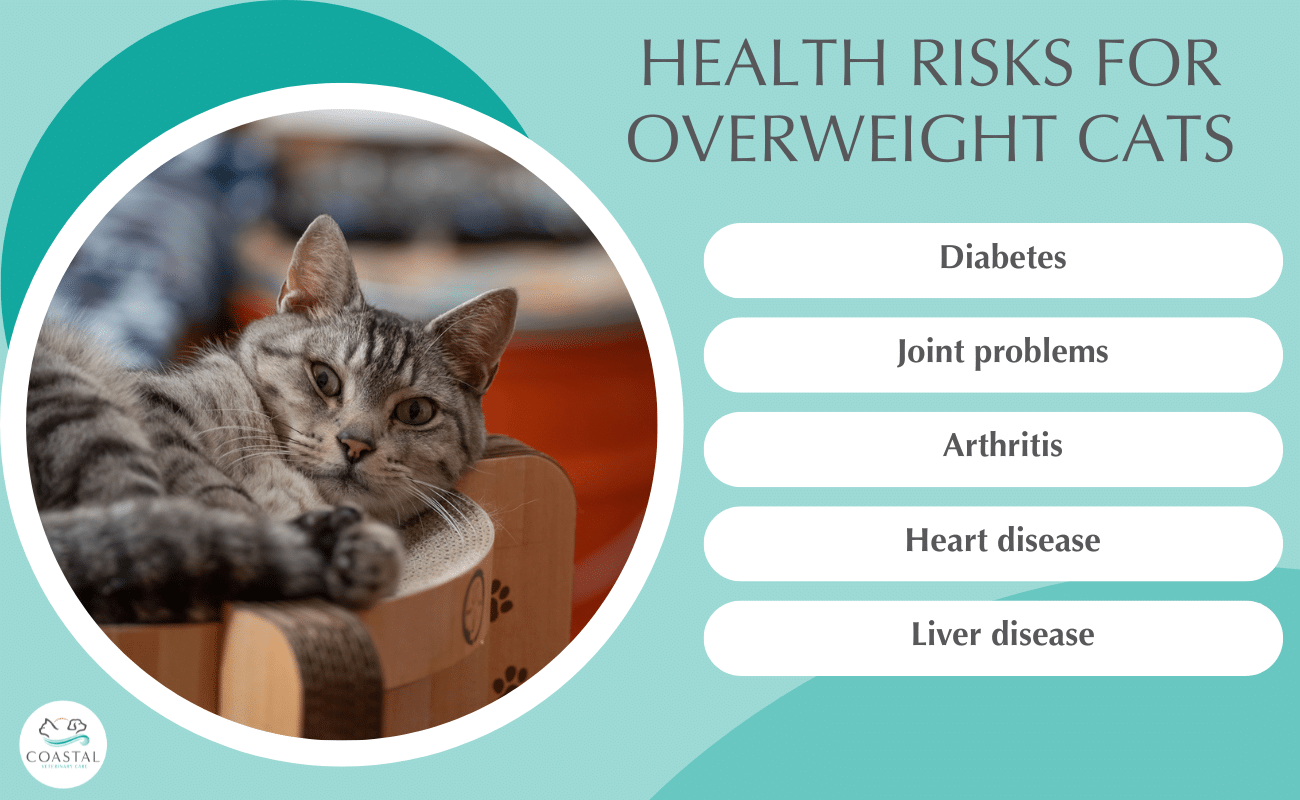
Credit: coastalveterinarycare.vet
Treatment Options For Senior Cat Illnesses
As cats age, they face unique health challenges requiring tailored care. Senior cats often experience illnesses that need specific treatments to improve their quality of life. Understanding the available treatment options helps in managing these conditions effectively. Let’s explore different treatments available for senior cat illnesses.
Medications And Supplements
Medications play a crucial role in managing senior cat health issues. Prescription drugs help control conditions like arthritis or high blood pressure. Supplements support joint health or boost immune function. Always consult a vet before starting any new medication or supplement.
Dietary Adjustments
A balanced diet is vital for senior cats. Special diets address specific health concerns. Low-sodium food benefits cats with heart problems. Diets high in fiber help with digestive issues. Discuss dietary needs with your vet to ensure optimal health.
Physical Therapy
Physical therapy can improve mobility in older cats. Gentle exercises support joint health and muscle strength. Regular activity helps maintain a healthy weight. Consult a vet or a pet therapist for a tailored exercise plan.
Surgical Interventions
Surgery might be necessary for certain conditions in senior cats. Procedures can address issues like tumors or dental problems. Always weigh the risks and benefits with your vet. Post-surgery care is essential for recovery.
Palliative Care
Palliative care focuses on comfort for terminally ill cats. It includes pain management and supportive therapies. The goal is to enhance quality of life. Work closely with a vet to provide compassionate care.
Creating A Comfortable Environment
Creating a comfortable environment for old cats is essential for their health and happiness. As cats age, their needs change. They may face mobility issues, arthritis, or vision problems. A cozy and safe space helps them feel secure and reduces stress. Small changes in their surroundings can make a big difference.
Easy Access To Food And Water
Place food and water bowls where your cat can reach them easily. Avoid high or narrow spots that may cause strain. Use shallow dishes to help cats with dental or jaw issues. Keep fresh water available at all times. Consider multiple water stations to encourage hydration.
Soft Bedding And Warmth
Provide soft beds that cushion aging joints. Choose materials that retain warmth, like fleece or memory foam. Place beds in quiet, draft-free areas. Older cats often feel cold, so warmth is important. Add extra blankets during winter months for comfort.
Litter Box Accessibility
Use litter boxes with low sides for easy entry and exit. Place boxes in calm, well-lit spots to reduce anxiety. Keep litter boxes clean to encourage use. Consider adding ramps if your cat has trouble jumping. Having multiple boxes helps if your home is large.
Safe Indoor Spaces
Create areas where your cat can rest without disturbance. Remove sharp or dangerous objects from these spaces. Use gates or barriers to limit access to risky zones. Provide hiding spots to help your cat feel secure. Quiet, calm rooms support better rest and relaxation.
Regular Grooming
Older cats may groom less due to arthritis or weakness. Brush your cat gently to remove loose fur and prevent matting. Check skin for lumps, bumps, or dryness during grooming. Use soft brushes to avoid discomfort. Regular grooming also strengthens your bond with your pet.
Frequently Asked Questions
What Common Health Issues Affect Old Cats?
Old cats often face arthritis, kidney disease, dental problems, hyperthyroidism, and diabetes. Regular vet check-ups help detect and manage these conditions early, improving their quality of life.
How Can I Spot Arthritis In Aging Cats?
Look for stiffness, difficulty jumping, reduced activity, and reluctance to climb. These signs often indicate arthritis, a common issue in older cats needing veterinary care and pain management.
Why Do Senior Cats Develop Kidney Problems?
Kidney function declines with age, causing chronic kidney disease. Symptoms include increased thirst, urination, and weight loss. Early diagnosis and treatment can slow progression and improve comfort.
How Does Dental Disease Impact Elderly Cats?
Dental disease causes pain, bad breath, and difficulty eating. It can lead to infections affecting overall health. Regular dental care and cleanings are essential for aging cats.
Conclusion
Old cats often face health problems like arthritis and kidney disease. Regular vet visits help catch issues early. Good food and gentle exercise keep them strong. Watch for changes in behavior or appetite. Early care can improve their quality of life.
Aging cats need extra love and attention. Understanding their needs helps them stay happy. Keep their environment safe and comfortable. Small steps make a big difference in their health. Caring for old cats is a rewarding experience.



Leave a Reply