Have you ever wondered if grooming your cat might actually hurt them? You want the best for your furry friend, but the thought of brushing or bathing could make you pause.
Understanding how grooming affects your cat’s comfort is key to keeping them happy and healthy. You’ll discover simple truths about grooming and learn how to make the experience safe and enjoyable for your cat every time. Keep reading to find out what really goes on when you pick up that brush!

Credit: justcatsclinic.com
Common Myths About Cat Grooming
Many cat owners hesitate to groom their pets because of common myths that suggest grooming is uncomfortable or unnecessary for cats. These beliefs can stop you from providing the care your cat truly needs. Let’s unpack some of the most widespread misunderstandings about cat grooming and see what’s really true.
Cats Hate Being Groomed
It’s easy to think cats hate grooming because some resist at first. But many cats actually enjoy gentle brushing, especially if introduced slowly and with patience. If your cat pulls away, it might be due to sensitivity or unfamiliarity—not dislike.
Try short, calm sessions and watch for signs of enjoyment, like purring or leaning into the brush. This approach can turn grooming into a bonding moment rather than a struggle.
Grooming Causes Pain
Grooming itself doesn’t cause pain when done correctly. On the contrary, it can prevent painful mats and skin issues. If your cat shows discomfort, it could mean you are brushing too hard or there’s an underlying health problem.
Use soft brushes and check your cat’s skin regularly. If you notice redness, swelling, or sores, stop grooming and consult your vet.
Cats Don’t Need Regular Grooming
Many believe cats groom themselves enough, so extra brushing isn’t necessary. While cats do self-clean, regular grooming helps remove loose fur, dirt, and prevents hairballs. It also allows you to spot lumps, bumps, or parasites early.
Short-haired cats benefit from weekly brushing, and long-haired breeds often need daily care. Your grooming routine can improve your cat’s comfort and health significantly.

Credit: nationalcatgroomers.com
How Grooming Benefits Cats
Grooming offers many benefits for cats beyond just looking neat. It helps keep their fur and skin in good condition. Cats feel more comfortable and healthier with regular grooming. Grooming also reduces problems related to loose fur. It builds trust and a stronger bond between cats and their owners. Understanding these benefits shows why grooming is important for cats.
Promotes Healthy Fur And Skin
Brushing removes dirt and dead skin cells from a cat’s coat. It spreads natural oils that keep the fur shiny and soft. Regular grooming helps prevent skin problems like dryness or irritation. It also stops mats and tangles that can hurt the cat’s skin. Healthy fur means a happy and comfortable cat.
Reduces Hairballs And Shedding
Cats groom themselves, but loose hair can build up in their stomachs. This causes hairballs that may make them sick. Brushing takes away loose fur before they swallow it. It lowers how much hair falls around the house too. Grooming controls shedding and keeps your home cleaner.
Strengthens Bond Between Owner And Cat
Grooming time becomes a moment of calm and trust. Cats enjoy gentle brushing and petting from their owners. This routine creates a special connection and reduces stress. It helps cats feel safe and loved. The bond grows stronger with each grooming session.
Signs Grooming Might Hurt Your Cat
Grooming your cat should be a pleasant experience for both of you. However, sometimes grooming can cause discomfort or even pain, which your cat will try to communicate. Recognizing the signs that grooming might hurt your cat is key to making the process safe and stress-free.
Behavioral Cues To Watch For
Your cat’s behavior is the first clue that something might be wrong during grooming. If your cat suddenly tries to escape, swats at you, or hisses, it’s a clear sign they’re uncomfortable. Even subtle signs like stiffening or freezing in place can mean they’re feeling pain or stress.
Have you noticed your cat avoiding grooming sessions altogether? This could indicate a negative association caused by past pain. Pay attention to changes in their usual grooming routine or reluctance to be touched in certain areas.
Physical Signs Of Discomfort
Look closely at your cat’s body for physical signs of pain during grooming. Flinching when you touch specific spots, trembling, or sudden vocalizations like meowing loudly can mean they’re hurting. Swollen, red, or sensitive skin under the fur may also be a warning signal.
Keep an eye out for any hair loss or skin irritation that appears after grooming. Sometimes, mats can be painful to remove, and if you pull too hard, it can cause injury. Checking your cat’s skin regularly helps catch issues before they get worse.
When To Stop And Seek Help
If your cat shows persistent signs of distress, stop grooming immediately. Pushing through can damage your relationship and cause lasting fear. Instead, consider consulting your vet or a professional groomer who has experience with cats.
Have you ever had to pause grooming because your cat was too upset? Knowing when to ask for help can save you both from unnecessary pain. Professionals can also teach you safer techniques tailored to your cat’s needs, making future grooming easier.
Safe Grooming Techniques
Grooming does not hurt cats when done gently and carefully. Using soft brushes and slow movements keeps them calm and comfortable. Regular grooming helps maintain their fur and skin health without causing pain.
Grooming your cat can be a soothing experience when done right. It helps maintain their coat and strengthens your bond. Yet, many worry if grooming might hurt their feline friend. With safe grooming techniques, you can ensure a comfortable experience for both you and your cat.Choosing The Right Tools
Selecting the right grooming tools is crucial for your cat’s comfort. Use a soft-bristled brush for short-haired cats. For long-haired breeds, a metal comb works best. Avoid sharp tools to prevent injury. Opt for clippers designed for pets when trimming nails.Proper Brushing Methods
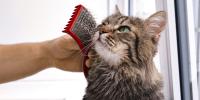
Brushing must be gentle and consistent. Start by brushing in the direction of hair growth. This reduces pulling and discomfort. Use short, gentle strokes to avoid hurting your cat’s skin. Regular brushing prevents matting and keeps the coat healthy.Handling Sensitive Areas Gently
Cats have sensitive areas like their belly and tail. Approach these spots with care. Use your hand to support the area while brushing. Avoid sudden movements that may startle your cat. Take breaks if your cat seems uneasy or stressed.When To Consult A Professional
Knowing when to seek help from a professional groomer can make a huge difference in your cat’s comfort and health. Some grooming tasks can cause pain or stress if not done correctly. Recognizing these moments protects your furry friend and keeps grooming a positive experience.
Dealing With Matted Fur
Matted fur can pull tightly on your cat’s skin, causing discomfort or even sores. Trying to cut or brush out mats on your own might hurt your cat or lead to accidental cuts. Professionals have the right tools and techniques to safely remove mats without causing pain.
If you notice your cat has thick mats, ask yourself: is it beyond what you can gently handle? If yes, it’s time to visit a groomer. Waiting too long can worsen the problem and increase your cat’s stress.
Grooming For Elderly Or Sick Cats
Older or ill cats have more sensitive skin and may not tolerate grooming well. They might also have mobility issues that make self-grooming difficult. Grooming sessions can be overwhelming or painful for them if done roughly or for too long.
When your cat’s health changes, consult a professional who understands how to adapt grooming methods. Have you noticed your senior cat avoiding grooming or showing signs of pain? A gentle, experienced groomer can make a huge difference in comfort and hygiene.
Finding A Trusted Groomer
Not all groomers have experience with cats or understand their unique needs. Look for someone with positive reviews and certifications in cat grooming. Visiting the groomer beforehand to observe how they handle cats can ease your worries.
Ask about their experience with nervous or special-needs cats. Would you feel confident leaving your cat in their care? Trust is key to ensuring your cat’s grooming sessions are safe and stress-free.
Credit: www.purina.com
Frequently Asked Questions
Does Grooming Cause Pain To Cats?
Grooming does not usually hurt cats when done gently. Proper techniques and tools ensure comfort. Avoid pulling mats or tangles to prevent pain.
How Often Should You Groom A Cat?
Cats benefit from grooming 2-3 times a week. Long-haired cats may need daily grooming. Regular sessions reduce shedding and prevent skin problems.
Can Grooming Reduce Cat Anxiety?
Yes, grooming can calm many cats. Gentle brushing mimics a cat’s natural cleaning behavior. It helps build trust and reduces stress.
What Tools Are Best For Cat Grooming?
Use soft brushes and combs designed for cats. Slicker brushes and rubber grooming gloves work well. Avoid harsh brushes that can irritate skin.
Conclusion
Grooming does not usually hurt cats if done gently. Cats often enjoy being brushed and cleaned. It helps keep their fur healthy and free from knots. Watch your cat’s reactions to avoid discomfort. Use soft tools and take breaks when needed.
Regular grooming can strengthen your bond with your pet. It also helps spot health problems early. Treat grooming as a calm, caring time. Your cat will thank you with trust and purrs.



Leave a Reply