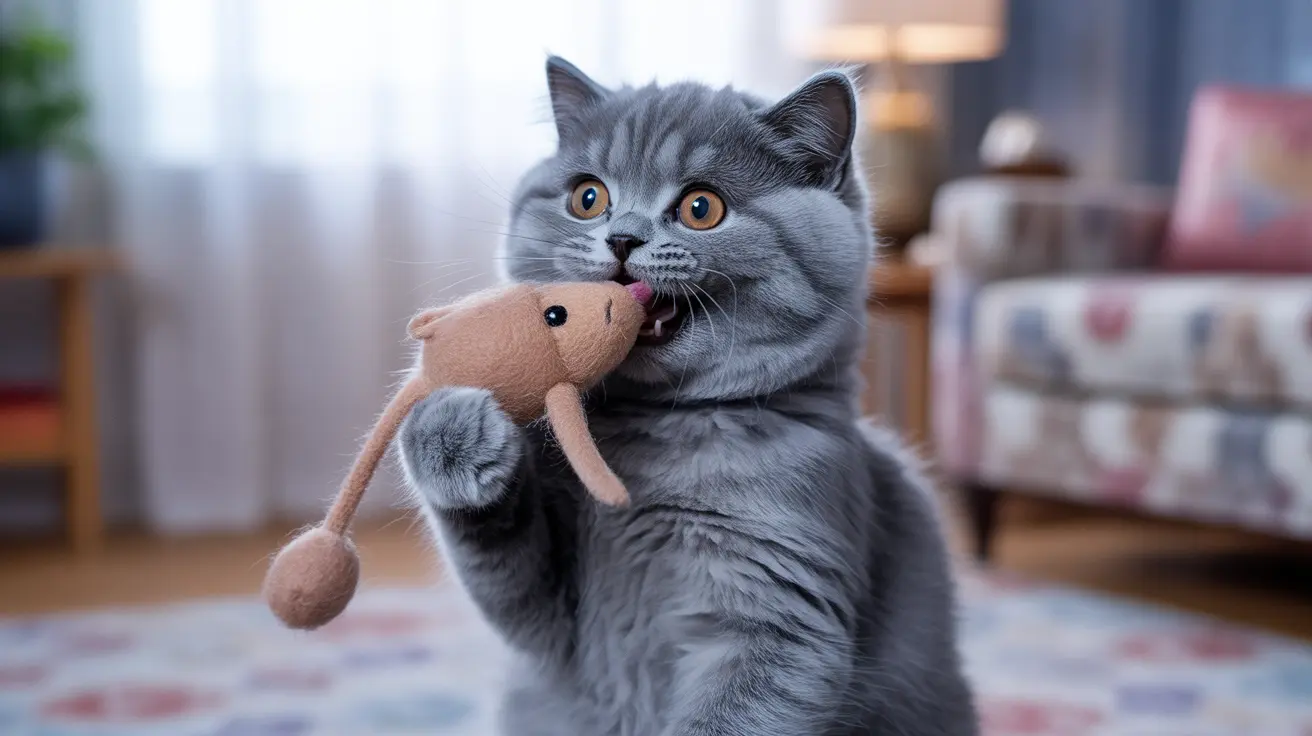
Have you ever noticed your cat meowing loudly when they play with their favorite toy? It might seem a bit puzzling or even annoying at times.
But there’s a fascinating reason behind this behavior that connects directly to how your cat feels and thinks. Understanding why your furry friend makes all that noise can help you bond better and make playtime more enjoyable for both of you.
Keep reading to discover the surprising reasons behind those loud meows and how they reveal your cat’s true emotions.
Cats And Vocal Play
Cats use their voices in many ways, especially during play. Vocal play is a key part of how cats interact with toys and humans. Their meows often show excitement, attention, or a desire to share their fun. Understanding why cats meow loudly with toys helps us connect better with them.
Meowing As Communication
Meowing is a main way cats talk to people. They do not meow much to other cats but use it to get human attention. When a cat has a toy, loud meows can mean:
- They want you to notice their catch.
- They feel proud and want to share their success.
- They seek interaction or playtime with you.
This vocal behavior shows their need to connect and communicate during play.
Different Meows For Different Needs
Cats use various meow sounds based on what they want. The tone, pitch, and length change their message. Some examples include:
- Short, sharp meows to get your attention quickly.
- Long, loud meows to express excitement or claim a toy.
- Soft, repetitive meows to invite you to join the play.
Each meow type gives a clue about their feelings and needs during playtime.
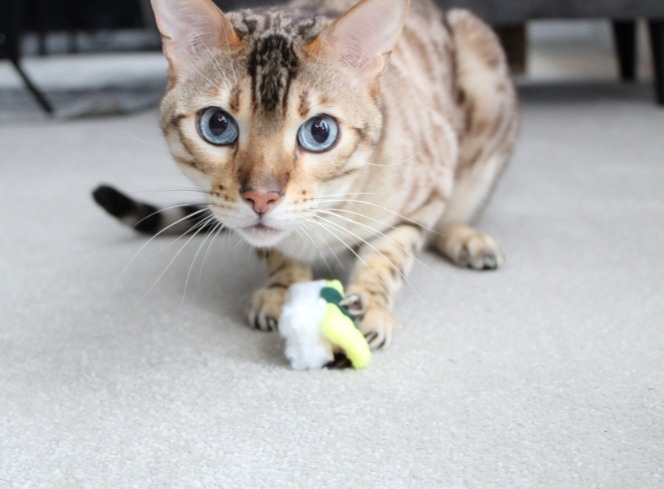
Credit: www.lordsandlabradors.co.uk
Toys Triggering Loud Meows
Have you ever noticed your cat suddenly meowing loudly while playing with a toy? It might surprise you, but toys can actually trigger these loud vocalizations. Understanding why this happens can help you better engage with your furry friend and respond to their needs.
Excitement And Stimulation
Your cat’s loud meows often come from pure excitement. Toys stimulate their natural hunting instincts, making playtime intense and thrilling.
Think about a feather wand or a laser pointer that mimics prey movements. Your cat gets highly engaged, and the loud meow is their way of expressing eagerness and joy. Have you noticed if certain toys trigger louder meows than others? This insight can guide you to choose toys that keep your cat mentally and physically active.
Attention-seeking Behavior
Sometimes, loud meowing during play is a call for your attention. Your cat might want you to join in or notice their playful mood.
If you’ve ever been engrossed in your phone while your cat meows loudly at a toy, you know how persistent they can be. They use vocalizations to communicate, signaling that playtime is more fun when shared. Next time your cat meows loudly with a toy, try responding with some interactive play. You might strengthen your bond and satisfy their social needs.
Emotional Reasons Behind Loud Meows
Cats use loud meows to express strong emotions while playing with toys. These sounds show what they feel inside. Understanding these emotional reasons helps us connect better with our pets. It also explains why their meows become louder during playtime.
Frustration And Overstimulation
Loud meows can show frustration. Cats may want to catch the toy but fail. This makes them vocal and upset. Overstimulation happens when play becomes too intense. The cat feels overwhelmed and meows loudly to release stress. These sounds help them handle their emotions.
Playful Aggression
Playful aggression is a mix of fun and hunting instincts. Cats meow loudly to show excitement and challenge. They treat toys like real prey. Loud meows signal their active mood and eagerness. It is a way to communicate their energy and readiness to play hard.
Environmental Factors Influencing Meowing
Cats often meow loudly with toys due to excitement and the urge to play. Loud meowing can also signal their need for attention or interaction during playtime. Environmental sounds and surroundings may amplify their vocal expressions.
Environmental factors significantly influence a cat’s meowing behavior. Cats are sensitive to their surroundings. Changes in their environment can trigger louder meows. These meows often relate to toys and playtime activities. Understanding these factors helps owners respond better. It also strengthens the bond between cats and their owners.Presence Of Other Pets
Cats are territorial creatures. The presence of other pets can impact their behavior. When a new pet enters the home, a cat might meow louder. This is to assert its presence or claim its territory. Toys become a focal point for this behavior. A cat may meow loudly to show ownership of a toy. This is a way to communicate with other pets. It signals, “This is mine!” Loud meowing can also occur during play. Cats use this to engage with other pets. It can be an invitation to join the fun.Owner’s Response Patterns
Cats learn from their owner’s reactions. If a cat meows loudly and gets attention, it may repeat this behavior. Owners often respond to loud meowing with curiosity or concern. This encourages the cat to meow more when playing with a toy. It becomes a form of communication between cat and owner. The cat associates meowing with a positive response. This can include petting, treats, or playtime. Understanding this pattern helps owners manage meowing. Consistent responses teach cats when loud meowing is appropriate.How To Manage Loud Meowing
Managing loud meowing from cats playing with toys requires patience and understanding. Cats use meowing to communicate excitement or to get attention. Controlling this behavior helps create a calm environment for both you and your pet. The right approach makes playtime enjoyable and peaceful.
Providing Appropriate Toys
Choose toys that match your cat’s energy and play style. Soft, quiet toys reduce noise during play. Toys that mimic prey, like small mice or feathers, engage natural hunting instincts. Rotate toys regularly to keep your cat interested and prevent boredom. Avoid noisy toys that encourage loud meowing or frantic play.
Training And Positive Reinforcement
Reward your cat for quiet play and gentle behavior. Use treats or praise when your cat plays without loud meowing. Ignore meowing during play to avoid encouraging it. Consistency is key to teaching your cat new habits. Training helps your cat learn when meowing is unnecessary.
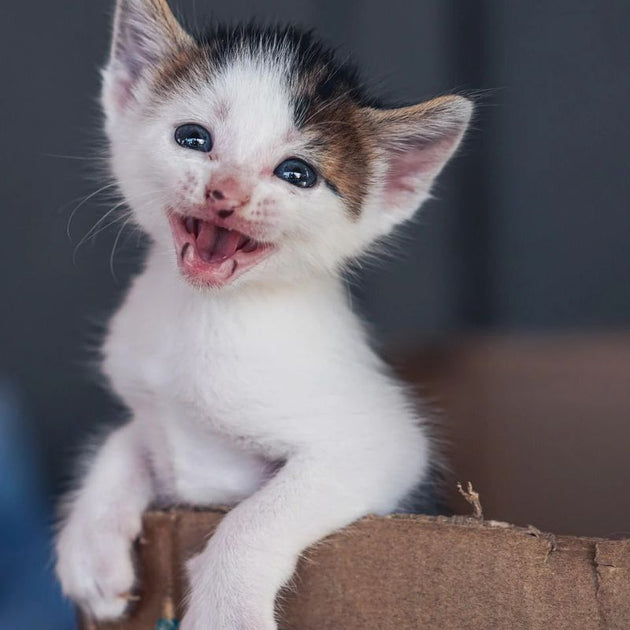
Credit: headsupfortails.com

Credit: moderncat.com
Frequently Asked Questions
Why Do Cats Meow Loudly With Toys?
Cats meow loudly with toys to express excitement and engagement. It mimics hunting behavior and signals playful communication with owners.
Does Loud Meowing Mean Cat Is Stressed?
Not always. Loud meowing during play usually shows excitement, not stress. Stress-related meows sound different and occur in other situations.
How Can I Reduce Loud Meowing During Play?
Offer interactive toys to keep your cat engaged. Provide regular play sessions to satisfy hunting instincts and reduce noisy behavior.
Is Loud Meowing Normal In All Cat Breeds?
Most cats meow during play, but some breeds are naturally more vocal. Observe your cat’s normal behavior to understand its meowing patterns.
Conclusion
Cats meow loudly with toys to show excitement and grab attention. They want to share their fun or ask for help. This behavior helps them connect with you. Understanding why cats meow can improve your bond. Pay attention to their sounds and actions.
Each meow tells a story about their feelings. Enjoy watching your cat play and communicate. Their loud meows are part of their unique charm. Embrace these moments to build trust and love.




Leave a Reply