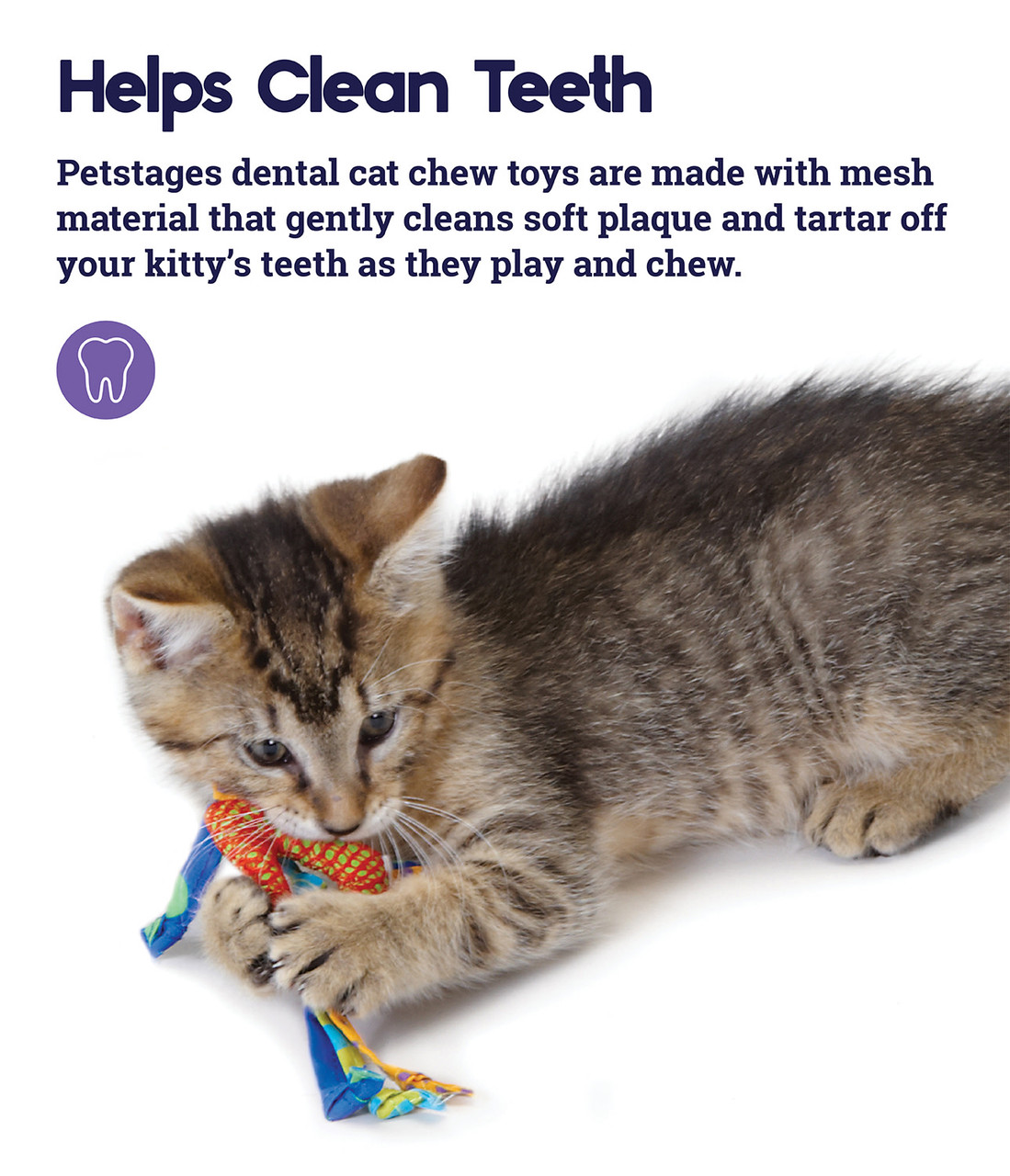
Have you ever wondered if your cat could benefit from chew toys? You might think chew toys are just for dogs, but cats have their own reasons to chew, too.
Giving your furry friend the right chew toys can help keep their teeth healthy and stop unwanted chewing habits. If you want to keep your cat happy and your home safe, understanding whether chew toys are a good fit is key.
Keep reading to discover what types of chew toys are safe for your cat and how they can improve your pet’s well-being.
Benefits Of Chew Toys For Cats
Chew toys aren’t just for dogs—they can be a great addition to your cat’s playtime too. Giving your cat chew toys can bring several surprising benefits that go beyond simple entertainment. These toys can help keep your cat healthy, calm, and well-behaved.
Dental Health Improvement
Chewing helps your cat naturally clean their teeth by reducing plaque and tartar buildup. Toys designed for chewing can massage your cat’s gums, promoting better oral health. This can lower the risk of dental diseases, which are common but often overlooked in cats.
Have you noticed your cat’s breath or difficulty eating? Adding chew toys could support their dental hygiene between vet visits.
Stress And Anxiety Relief
Chewing can be a soothing activity for cats, especially during stressful times like moving or loud noises. It provides a healthy outlet for nervous energy and helps calm their mind. Offering chew toys can reduce signs of anxiety such as excessive grooming or hiding.
Think about how your cat behaves when you’re away. Could chew toys help ease their separation anxiety?
Preventing Destructive Behavior
Cats often chew on furniture or cords when bored or stressed. Providing chew toys gives them a proper target, protecting your belongings. It keeps their jaws busy and satisfies their natural urge to chew.
Instead of finding shredded cushions, you could see your cat happily engaged with a safe chew toy. What items in your home might be saved by offering the right chew toys?

Credit: www.aol.com
Signs Your Cat Needs Chew Toys
Cats often show clear signs when they need chew toys. These signs help you understand their needs better. Recognizing these behaviors early can keep your cat happy and healthy. Chew toys can reduce stress and protect your belongings.
Chewing On Household Items
Watch for your cat biting wires, furniture, or shoes. This behavior shows a need to chew. Cats may also chew on plastic or fabric. These items are not safe to chew. Providing chew toys can redirect this urge safely.
Excessive Biting Or Gnawing
Some cats bite or gnaw more than usual. They may chew on their paws or tails. This can mean they want something to chew on. A chew toy can satisfy their biting needs. It helps reduce discomfort and keeps teeth clean.
Restlessness And Boredom
Restless cats often search for something to do. Boredom can lead to destructive chewing. Chew toys offer mental stimulation and physical activity. They keep cats busy and calm. This prevents damage to your home and stress in your cat.
Safe Materials For Cat Chew Toys
Choosing safe materials for cat chew toys is essential for your pet’s health and happiness. Cats explore objects with their mouths, so toys must be free of harmful substances. Safe toys help prevent choking and avoid toxic reactions. Understanding materials can guide you in picking the best options for your cat.
Non-toxic And Durable Options
Select chew toys made from non-toxic materials only. Avoid toys with paints, glues, or dyes that may harm cats. Durable toys last longer and reduce the risk of small parts breaking off. Look for sturdy rubber, silicone, or specially designed pet-safe plastics. These materials withstand chewing without splintering or crumbling.
Avoiding Small Or Sharp Parts
Small pieces can cause choking or blockages. Sharp parts may injure your cat’s mouth or digestive tract. Inspect toys carefully before giving them to your pet. Choose toys with smooth edges and no loose components. Safe toys keep cats entertained without posing safety risks.
Natural Vs Synthetic Materials
Natural materials like untreated wood, cotton, and wool often appeal to cats. They are biodegradable and less likely to contain chemicals. Synthetic materials may be easier to clean and more durable. Look for non-toxic, BPA-free synthetics made specifically for pets. Both types have benefits; choose based on your cat’s chewing habits and preferences.

Credit: www.yahoo.com
Vet-recommended Chew Toys
When considering chew toys for your feline friend, it’s essential to choose options that are safe and beneficial for their dental health. Vet-recommended chew toys can be a great way to satisfy your cat’s natural chewing instincts while promoting oral hygiene. These toys are designed not only to entertain but also to help reduce plaque and tartar buildup.
Top Brands And Products
Leading brands like Petstages and Kong offer a range of chew toys that cater to cats’ specific needs. Petstages’ Catnip Chew Mice are popular for their combination of texture and taste, keeping cats engaged for hours. Kong’s Dental Chews are another excellent choice, with grooves that massage gums and clean teeth.
Have you ever noticed how a simple change in your cat’s toy collection can bring a spark to their playtime? Introducing a new, vet-recommended toy might just do the trick.
Homemade Chew Toy Ideas
If you’re feeling creative, you can make chew toys at home using safe materials. A tightly knotted piece of natural cotton rope can serve as a simple yet effective chew toy. You might also consider stuffing a small sock with crinkly paper and catnip for added fun.
Always ensure that any homemade toy is free of small parts that could be swallowed. It’s surprising how a little DIY project can bring so much joy and stimulation to your cat’s day.
When To Consult Your Vet
If your cat shows a lack of interest in chew toys or displays unusual chewing behavior, it might be time to consult your vet. Persistent issues like excessive drooling or chewing on inappropriate objects could indicate dental problems. Your vet can provide personalized recommendations to meet your cat’s needs.
Remember, your vet is a valuable resource in ensuring your cat’s overall health and happiness. Have you ever wondered if your cat’s chewing habits might be signaling something more? It’s worth exploring with a professional.
Introducing Chew Toys To Your Cat
Introducing chew toys to your cat can open up new ways to keep them entertained and support their dental health. Cats often enjoy exploring textures with their mouths, and chew toys provide a safe outlet for this natural behavior. However, starting your cat with chew toys needs some care and attention to make the experience positive and safe.
Gradual Introduction Tips
Begin by placing the chew toy near your cat’s favorite resting spots. Let your cat sniff and investigate the toy without pressure. You might notice curiosity growing as they get used to the new object.
Try rubbing a bit of catnip or a treat on the toy to increase interest. Avoid forcing your cat to chew immediately; patience is key. Watch how your cat interacts and respect their pace.
Encouraging Play And Interaction
Engage with your cat using the chew toy during playtime. Wiggle or toss the toy gently to mimic prey movement. This encourages natural hunting instincts and makes the toy more appealing.
Use positive reinforcement like treats or praise when your cat bites or chews the toy. This helps build a connection between the chew toy and fun experiences. You might find your cat eagerly waiting for chew toy playtime soon.
Monitoring For Safety
Always supervise your cat during initial chew toy sessions. Check the toy frequently for signs of wear or damage that could cause choking or ingestion of small pieces. Remove any broken parts immediately.
Choose chew toys made from non-toxic, durable materials designed specifically for cats. If your cat shows any signs of discomfort or unusual behavior, stop using the toy and consult your vet. Your cat’s safety is the most important factor in introducing any new item.

Credit: www.amazon.ca
Alternatives To Chew Toys
Not all cats are interested in chew toys, and some may even find them unappealing or unsafe. Luckily, there are plenty of alternatives that keep your feline friend engaged and happy without focusing on chewing. These options stimulate their mind and body in different ways, offering variety to your cat’s daily routine.
Interactive Playtime
Interactive playtime is one of the best ways to connect with your cat and help burn off extra energy. Use wand toys, laser pointers, or feather teasers to encourage chasing, pouncing, and jumping.
My cat, Luna, became much calmer after I spent just 10 minutes a day moving a feather teaser around the room. It’s a simple way to satisfy her hunting instincts without relying on chew toys.
Treat-dispensing Toys
Treat-dispensing toys provide mental stimulation and a tasty reward. These toys challenge your cat to figure out how to release the treats, keeping their mind sharp.
Try puzzle feeders or balls that slowly release kibble as your cat bats them around. This slows down eating and gives your pet a fun challenge, which is especially useful if your cat tends to overeat.
Environmental Enrichment
Creating an enriching environment offers your cat various ways to explore and stay active. Add climbing shelves, scratching posts, and cozy hideouts to your home.
Changing the scenery by rotating toys or moving furniture can also spark curiosity. Have you noticed how a simple cardboard box can turn into a fortress or a cozy nap spot? Your cat’s creativity thrives in a stimulating space.
Frequently Asked Questions
Can Cats Safely Use Chew Toys Designed For Dogs?
Cats can use chew toys, but only those made specifically for cats. Dog toys may be too hard or large and can cause injury or choking. Choose soft, cat-friendly chew toys to ensure safety and enjoyment for your cat.
Why Do Cats Need Chew Toys?
Chew toys help cats relieve stress, prevent boredom, and maintain dental health. Chewing stimulates their jaws and can reduce plaque buildup. Providing chew toys supports their natural instincts and keeps them mentally and physically active.
What Materials Are Best For Cat Chew Toys?
Soft rubber, silicone, and fabric are ideal materials for cat chew toys. These materials are gentle on cats’ teeth and gums. Avoid hard plastics or small parts that could break off and cause choking hazards.
How To Introduce Chew Toys To My Cat?
Start by placing chew toys near your cat’s favorite resting spots. Use catnip or treats to attract them to the toys. Be patient and encourage gentle chewing to help your cat get used to the new toy.
Conclusion
Cats enjoy chewing, and safe chew toys can help them. Toys keep their teeth clean and minds active. Choose toys made for cats, not dogs or children. Watch your cat play to ensure safety and fun. Chew toys can reduce stress and stop bad habits.
Always pick strong, non-toxic materials for your cat’s health. Giving your cat chew toys shows you care about their well-being. Try different types to find what your cat likes best. Healthy chewing means a happy, entertained cat every day.



Leave a Reply