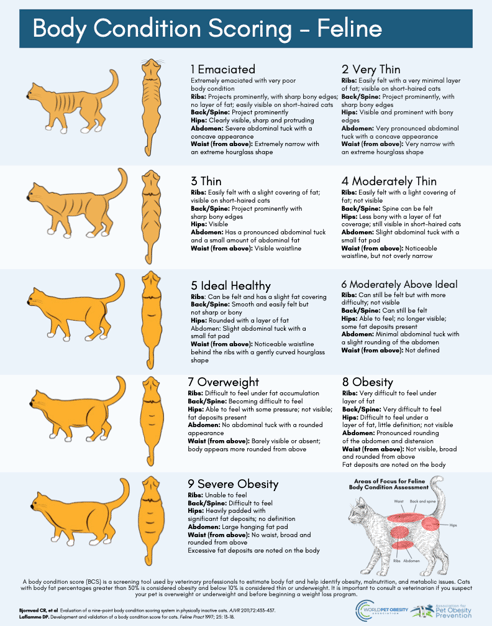
Have you ever noticed your cat spending hours licking and cleaning itself? You might be wondering, “Is it normal for a cat to groom a lot?”
Grooming is a natural behavior for cats, but when does it become too much? Understanding your cat’s grooming habits can help you spot if something is wrong or if your furry friend is just keeping clean. Keep reading to discover why your cat grooms so much and what signs you should watch for to keep your pet happy and healthy.
)
Credit: www.northroadvet.com.au
Why Cats Groom
Cats spend a lot of time grooming themselves. This behavior has many reasons behind it. Understanding why cats groom helps us see that it is normal and important for their health and happiness.
Natural Cleaning Habit
Cats groom to keep their fur clean. Their tongue removes dirt and loose hair. This helps prevent skin infections and keeps their coat smooth. Grooming also spreads natural oils that protect their skin.
Temperature Regulation
Grooming helps cats control their body temperature. When they lick their fur, saliva evaporates and cools them down. This is useful in warm weather. Grooming also fluffs their fur to keep warm in cold weather.
Stress Relief
Cats groom to calm themselves. Grooming lowers stress and anxiety. It works like a comfort habit. When cats feel nervous or scared, they often groom more. This helps them feel safe and relaxed.
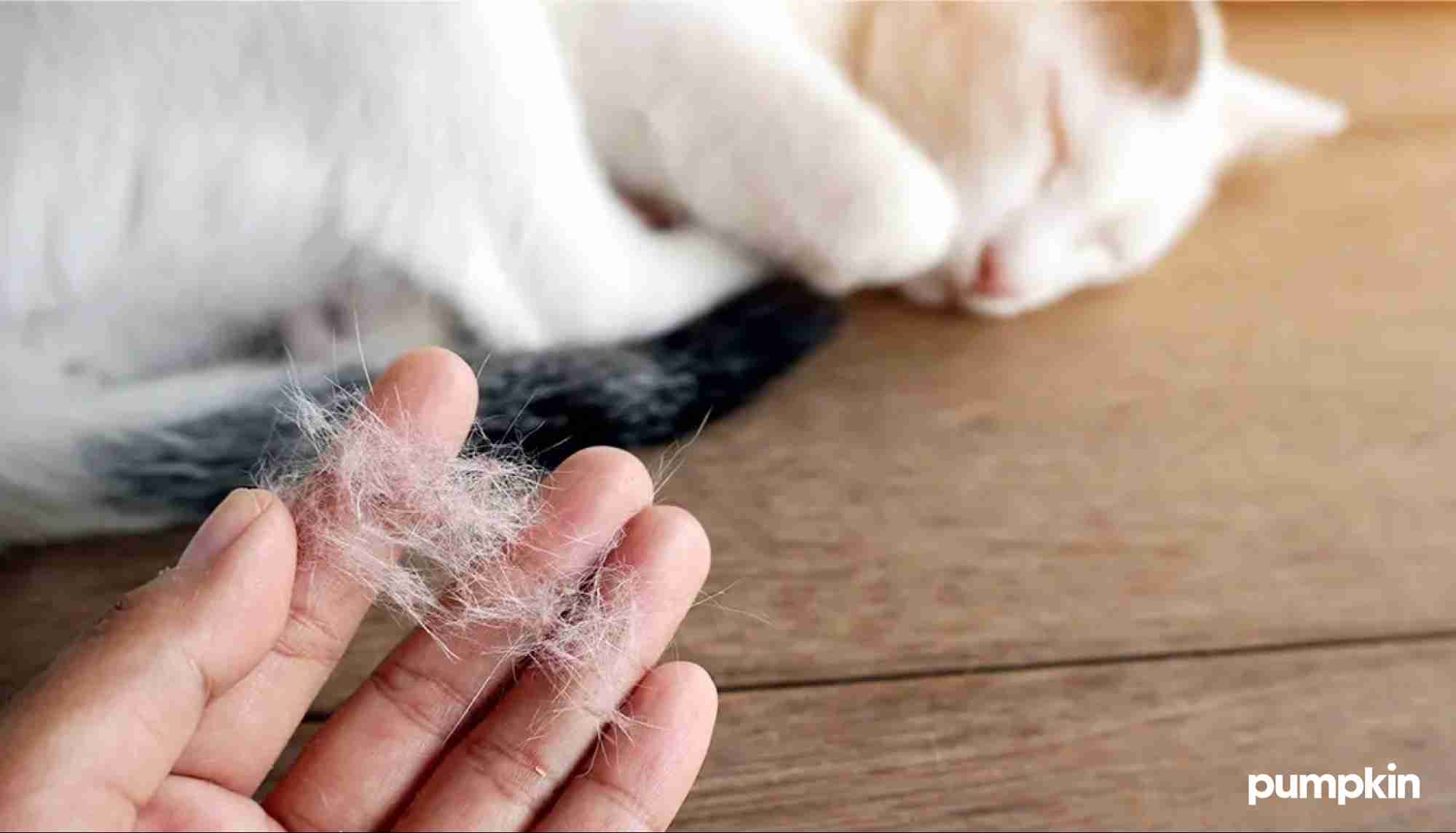
Credit: www.pumpkin.care
When Grooming Becomes Excessive
Cats spend a good part of their day grooming. It helps them stay clean and comfortable. But sometimes, grooming goes beyond normal habits. Excessive grooming can signal a problem.
Too much licking or chewing can harm a cat’s skin. It may cause redness, hair loss, or sores. Knowing when grooming becomes excessive helps protect your cat’s health.
Identifying Overgrooming
Look for signs that your cat grooms more than usual:
- Bald patches or thinning fur
- Red, irritated skin
- Scabs or wounds from licking
- Constant licking in one area
- Restlessness or anxiety
These signs suggest grooming is no longer just about cleanliness.
Common Causes
Several issues may cause a cat to groom too much:
- Allergies to food or environment
- Parasites like fleas or mites
- Skin infections or irritations
- Stress, boredom, or anxiety
- Pain or discomfort in a specific area
Understanding the cause is key to helping your cat feel better.
Health Issues Linked To Overgrooming
Overgrooming in cats can signal health problems. It is more than just a grooming habit gone too far. Cats may groom excessively to relieve discomfort or stress. Understanding health issues behind overgrooming helps in caring for your pet better.
Skin Allergies And Parasites
Skin allergies often cause itching and irritation. Cats scratch and lick to ease the itch. Parasites like fleas or mites also cause intense discomfort. These pests irritate the skin, leading to constant grooming. Left untreated, they can cause skin wounds and infections.
Pain Or Discomfort
Pain in joints or muscles can make a cat groom more. Cats might lick a painful spot to soothe it. Injuries or internal issues can trigger overgrooming. Persistent licking can worsen the pain and cause hair loss.
Behavioral Disorders
Stress and anxiety may drive cats to groom excessively. Overgrooming becomes a coping mechanism for emotional distress. Boredom or changes in the environment can trigger this behavior. Behavioral disorders need attention to improve a cat’s well-being.
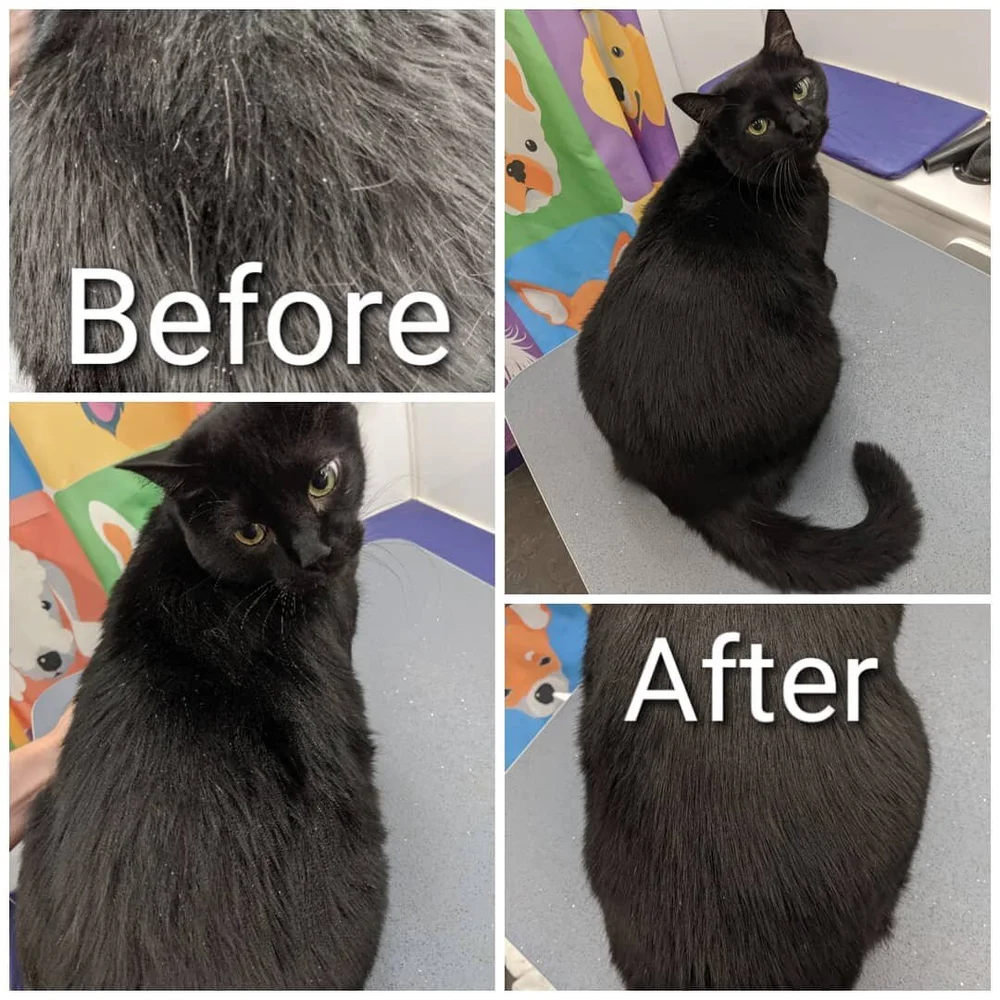
Credit: www.squeakycleangrooming.com
Behavioral Reasons Behind Excessive Grooming
Cats often groom to soothe themselves or due to stress. This behavior can signal anxiety or boredom. Regular grooming is normal, but excessive grooming might indicate underlying issues needing attention.
Understanding the behavioral reasons behind excessive grooming in cats can help you address this concern effectively. Grooming is a natural behavior for cats, but when it becomes excessive, it might indicate underlying issues. Let’s explore some common behavioral reasons why your feline friend might be grooming more than usual.Stress And Anxiety
Cats are creatures of habit, and any disruption in their environment can lead to stress or anxiety. This might include a move to a new home, a new pet, or even changes in your daily routine. When cats feel stressed, they often turn to grooming as a way to self-soothe. Imagine your cat as a tiny therapist trying to calm itself down. If you’ve noticed your cat grooming obsessively after a significant change, it might be time to reassess the stressors in their environment. Would a quiet corner with their favorite blanket help ease their tension?Boredom And Lack Of Stimulation
Cats are naturally curious and active creatures. Without enough mental or physical stimulation, they may resort to excessive grooming as a way to pass the time. This behavior can be compared to humans biting their nails when bored. Consider adding more engaging toys or interactive play sessions to your cat’s day. A simple feather wand or a laser pointer can work wonders. How about setting aside 15 minutes daily to engage with your cat and see if their grooming habits change? Addressing these behavioral reasons with small changes can make a significant difference in your cat’s life and help them lead a more balanced, happy existence.Signs Your Cat Needs Help
Noticing your cat grooming more than usual can be worrying. While grooming is normal, excessive grooming may signal that your cat needs help. Paying attention to specific signs can save your furry friend from discomfort or health issues.
Bald Patches And Sores
If you spot bald patches or open sores on your cat’s skin, it’s a clear warning sign. Excessive grooming often causes these areas to appear. These spots can become infected if left untreated, so you should consult your vet promptly.
Changes In Behavior
Has your cat become unusually restless or withdrawn? Changes in grooming habits often come with shifts in behavior. A cat that grooms obsessively may also show signs of stress, anxiety, or pain, which you should not ignore.
Frequent Licking Sounds
Do you hear repetitive licking sounds more often than before? This constant noise could mean your cat is stuck in a grooming loop. Such behavior might indicate skin irritation, allergies, or even boredom that needs addressing.
Home Remedies To Reduce Grooming
Excessive grooming in cats can signal stress or health issues. Home remedies help calm your cat and reduce this behavior naturally. Small changes at home improve your cat’s comfort and well-being. These simple steps create a peaceful space and keep your cat happy.
Improving Environment
Make a quiet, cozy area for your cat to relax. Soft bedding and low noise help reduce anxiety. Keep the litter box clean and in a private spot. Avoid sudden changes in the room layout or loud sounds. Cats feel safer in stable, calm surroundings.
Providing Enrichment
Give your cat toys to keep its mind busy. Puzzle feeders and interactive toys distract from over-grooming. Play with your cat daily to burn energy and reduce boredom. Scratching posts and climbing trees add fun and exercise. A busy cat is less likely to groom too much.
Using Calming Products
Try pheromone diffusers or sprays designed for cats. These products release calming scents that lower stress. Herbal supplements like valerian or chamomile may help, but consult a vet first. Soft music or white noise can also soothe your cat. Calm cats groom less and feel more relaxed.
When To Consult A Vet
Excessive grooming in cats can sometimes signal underlying problems that need professional attention. Knowing when to consult a vet is crucial to ensure your feline friend stays healthy and happy. If you notice your cat grooming so much that it causes hair loss, skin irritation, or behavioral changes, it’s time to seek expert advice.
Medical Treatments
Your vet will first check for medical issues like allergies, parasites, or skin infections that might cause your cat to groom excessively. Identifying and treating these conditions early can prevent further discomfort and complications.
Sometimes, simple treatments like medicated shampoos or parasite control can make a big difference. Have you ever noticed how quickly your cat’s behavior improves after a vet visit? That’s the power of proper medical care.
Behavioral Therapy
If no physical cause is found, your cat’s over-grooming might be due to stress or anxiety. Vets can help by suggesting ways to reduce your cat’s stress, such as environmental enrichment or changes in routine.
Behavioral therapy often includes creating safe spaces, interactive playtime, and even pheromone diffusers. Have you tried observing what triggers your cat’s grooming? Understanding these triggers can guide effective therapy.
Medication Options
In some cases, vets may recommend medication to help control anxiety or obsessive behaviors in cats. These medications can reduce the urge to over-groom and improve your cat’s overall well-being.
Always discuss potential side effects and the duration of treatment with your vet. Would you feel comfortable using medication if it means your cat feels better and stops harming itself?
Preventing Overgrooming In Cats
Overgrooming in cats can lead to skin problems and discomfort. Preventing this habit requires attention to their health and environment. Small changes can keep your cat happy and calm.
Regular Vet Checkups
Schedule regular vet visits to rule out medical issues. Skin allergies, parasites, or infections often cause overgrooming. Early detection helps treat problems before they worsen. The vet can also check your cat’s overall health.
Balanced Diet And Hydration
A healthy diet supports your cat’s skin and coat. Nutrient-rich food reduces itching and irritation. Ensure your cat drinks enough water daily. Proper hydration keeps the skin moist and less prone to damage.
Consistent Routine
Cats feel safe with a stable routine. Stress often triggers overgrooming behaviors. Provide regular playtime and rest periods. Keep feeding and cleaning times consistent. A calm environment helps lower anxiety and grooming urges.
Frequently Asked Questions
Why Does My Cat Groom Excessively?
Excessive grooming can signal stress, allergies, or skin problems. Cats groom to clean, but over-grooming may indicate discomfort. Consult a vet if grooming seems obsessive or causes hair loss.
How Much Grooming Is Normal For Cats Daily?
Cats typically groom 30-50% of their waking hours. Grooming keeps their coat clean and skin healthy. Slightly more grooming can occur during shedding seasons or stress.
Can Grooming Indicate A Cat’s Health Status?
Yes, grooming reflects a cat’s well-being. Healthy cats groom regularly with smooth coats. Reduced or excessive grooming may signal illness or emotional distress.
Is Grooming A Way Cats Relieve Stress?
Yes, grooming helps cats calm down and manage anxiety. It releases endorphins, which create a soothing effect. However, excessive grooming might mean stress or boredom.
Conclusion
Cats grooming a lot is usually normal and healthy. It helps keep their fur clean and skin healthy. But too much grooming can mean stress, allergies, or health problems. Watch your cat’s behavior and skin closely. If grooming seems extreme or causes sores, a vet visit is best.
Understanding your cat’s grooming habits helps keep them happy. Regular checks make sure your pet stays well and comfortable. Trust your instincts and care for your furry friend. Grooming is natural, but balance is important too.



Leave a Reply