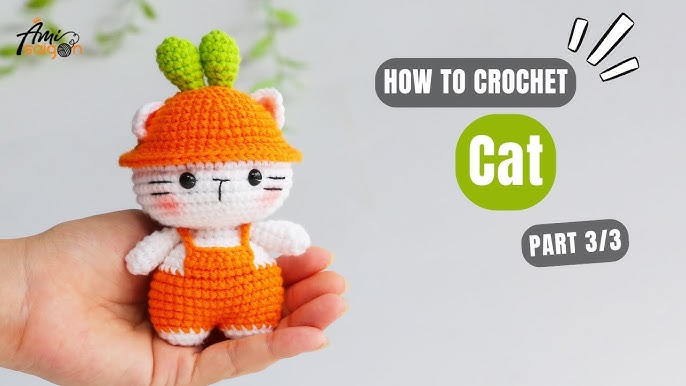
Looking for a fun and simple way to keep your cat entertained? You’re in the right place.
Crocheting a cat toy is easier than you might think, and it gives you the chance to create something your furry friend will love. Imagine watching your cat chase, pounce, and play with a toy you made yourself. Ready to learn how?
Keep reading, and you’ll discover step-by-step instructions that make the process quick and enjoyable. Your cat’s new favorite toy is just a few stitches away!
Materials Needed
Gathering the right materials makes crocheting a cat toy easier and more enjoyable. Choosing the appropriate yarn, hook, and extras can change your crafting experience. Let’s break down what you’ll need to create a fun, safe toy your cat will love.
Yarn Choices
Pick yarn that’s sturdy but soft enough for your cat to bite and bat around. Cotton yarn works great because it’s durable and easy to clean. Avoid yarns that shed fibers easily, like mohair or acrylic blends, which can be harmful if ingested.
Bright colors can grab your cat’s attention, but natural tones also work well if you prefer a subtle look. Do you have a favorite color your cat responds to? Including that color might make the toy more appealing to them.
Crochet Hook Sizes
Selecting the right crochet hook size helps you get the perfect tightness in your stitches. A hook that’s too large makes loose stitches, which can let stuffing escape—something you definitely want to avoid. A 3.5 mm to 4.5 mm hook is usually ideal for worsted weight cotton yarn.
If you’re new to crocheting, try a medium size hook to get comfortable handling the yarn. What size do you usually find easiest to work with? Experimenting can save frustration later.
Additional Supplies
Besides yarn and hooks, you’ll need a few extras to finish your cat toy. Stuffing is essential—polyfill is lightweight and safe, but you can also use crinkly paper for a noise effect that cats love. Adding a small bell inside can increase playtime fun, but make sure it’s securely enclosed.
Don’t forget scissors, a yarn needle for weaving in ends, and stitch markers to keep track of your rounds. Having everything ready before you start makes the process smoother and more satisfying.
Choosing The Right Yarn
Choosing soft, durable yarn ensures the cat toy lasts through many play sessions. Natural fibers like cotton are safe and gentle for cats to chew. Bright colors can make the toy more attractive and fun to chase.
Choosing the right yarn for your crochet cat toy can make all the difference between a durable and safe plaything and one that’s easily destroyed or potentially harmful. Your feline friend deserves a toy that withstands the rigors of playful paws and sharp claws while ensuring their safety. Let’s dive into the key considerations for selecting the perfect yarn.Durability Factors
When crafting a cat toy, durability is crucial. Cats love to bat, bite, and claw at their toys, so your yarn choice should be robust. Consider yarns that are tightly spun, as they are less likely to unravel. Cotton yarn, for example, is not only strong but also easy to clean, making it an excellent choice for cat toys. Another option is a sturdy acrylic blend, which is both durable and affordable. Avoid yarns that tend to shed or pill easily. These can break down quickly under the pressure of your cat’s playful antics. Opt for yarns that maintain their shape and texture over time to ensure the longevity of your handmade toy.Safe Yarn Types For Cats
Safety is paramount when crafting a toy for your pet. Some yarns can pose a risk if ingested, so it’s essential to choose wisely. Natural fibers like cotton and hemp are safe bets. They are not only durable but also non-toxic, reducing the risk of harm if your cat decides to chew on their new toy. Wool is another safe option, but make sure it’s free from any harmful dyes or chemicals. Steer clear of yarns with metallic threads or embellishments. These can pose a choking hazard or cause internal issues if swallowed. Always check the label for any warnings or unusual materials before making your purchase. What yarn have you used in the past that stood the test of time against your cat’s playful nature? Your insights could be invaluable to fellow cat lovers crafting their next pet project!Basic Crochet Stitches
Mastering a few basic crochet stitches can make creating your own cat toy both simple and enjoyable. These stitches form the foundation for almost every crochet project, allowing you to shape and texture your toy just the way you want. As you get comfortable with these techniques, you’ll find yourself more confident in adding unique touches that your cat will love.
Single Crochet
The single crochet stitch is the backbone of many small projects, including cat toys. It creates a tight, dense fabric that holds stuffing well, perfect for toys that need durability. Once you learn this stitch, you can easily make shapes like balls or mice by stitching in rounds or rows.
Try practicing with a small swatch. Does the fabric feel firm or loose? A tight stitch will make your toy last longer against playful claws. Keep your tension consistent to avoid gaps where stuffing might peek through.
Slip Stitch
The slip stitch is your best friend for joining pieces and finishing off your work neatly. It’s a very short stitch, almost like a glue that connects parts without adding bulk. When you want to close a round or move your yarn without adding height, slip stitches come in handy.
Have you noticed how a neat edge makes your toy look professionally made? Using slip stitches to join rounds or attach features like ears can make a big difference. It’s also useful for creating loops, which can hold bells or feathers your cat will chase.
Magic Ring
The magic ring is a clever way to start crocheting in the round without leaving a hole in the center. This is perfect for making small, round toys that need to be solid and well-shaped. Unlike starting with a chain, the magic ring lets you pull the center tight, giving a clean finish.
Give it a try by making a small circle for your toy’s body or head. Pull the ring tight before working your first round of stitches. This technique will make your cat toy look neat and help it hold its shape during play.

Credit: yarnhild.com
Step-by-step Toy Patterns
Creating cat toys with crochet is fun and satisfying. These step-by-step toy patterns guide you through easy designs. Each pattern uses simple stitches and common yarn types. Your cat will love these handmade toys.
Simple Ball
Start with a magic ring and crochet six single crochets inside. Increase evenly in the next rounds until the ball reaches the desired size. Crochet several rounds without increasing to build the shape. Decrease stitches evenly to close the ball tightly. Stuff the ball with soft fiberfill before closing. Use bright yarn colors to catch your cat’s eye.
Mouse Shape
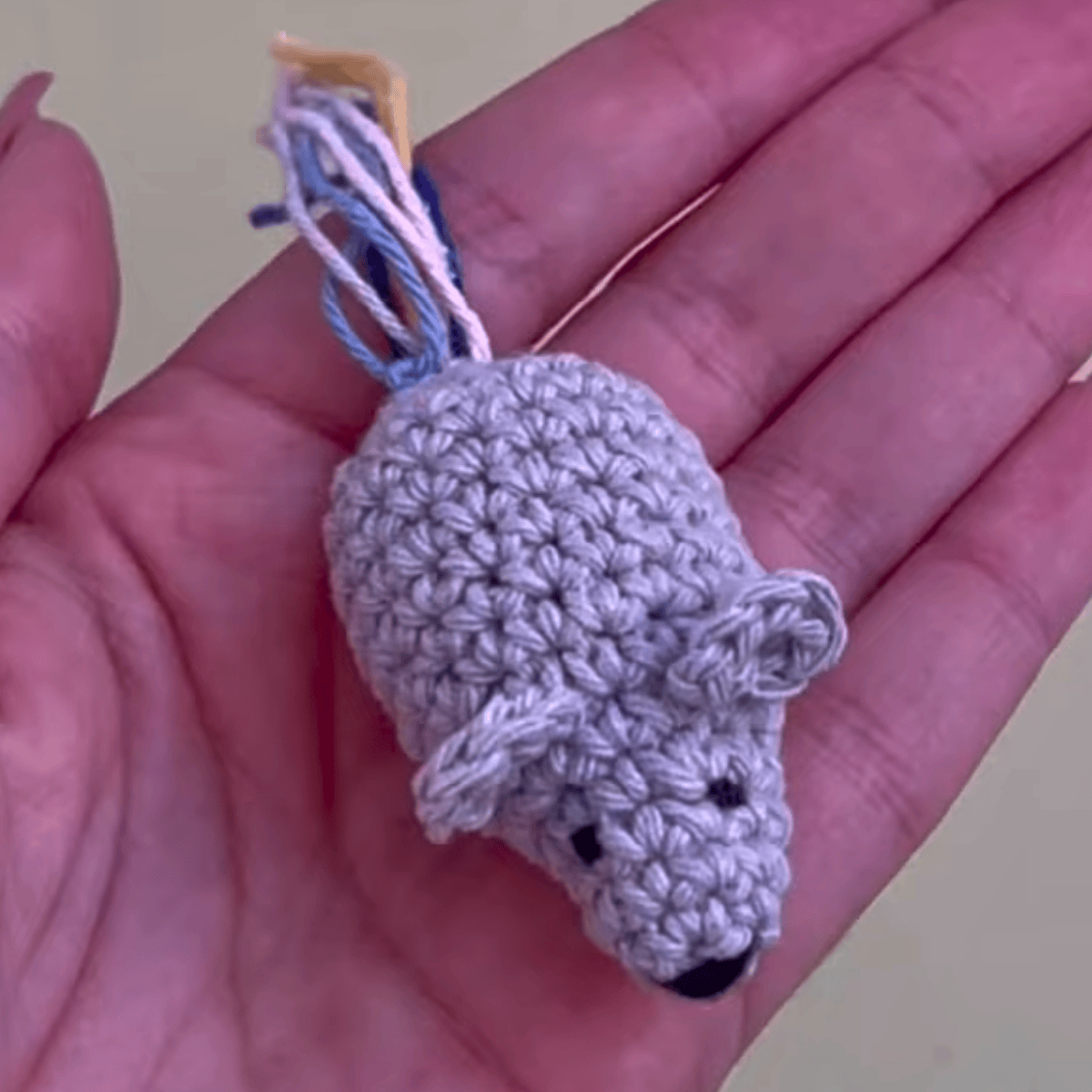
Begin with a small oval base using single crochet stitches. Crochet upward to form a rounded body shape. Add small ears by crocheting two tiny triangles separately and sewing them on. Attach a thin chain stitch tail at the back. Embroider small eyes and a nose with black yarn. Stuff lightly for a soft texture your cat can bite.
Feather Attachment
Crochet a small circle or oval base to hold feathers. Use slip stitches to secure the feathers firmly in place. Attach several feathers in a fan shape for more movement. Sew a loop or attach a string for easy hanging or dragging. Choose natural-colored feathers for a realistic look. This toy encourages your cat to jump and chase.
Adding Catnip For Extra Fun
Adding catnip to your crochet cat toy brings extra excitement for your feline friend. Catnip encourages playful behavior and keeps cats entertained. A small touch of catnip can make your toy more appealing and engaging. It’s a simple way to boost fun and interaction with your cat.
Choosing Catnip
Select high-quality catnip for the best effect. Look for dried catnip that is fresh and fragrant. Organic catnip is a good choice to avoid chemicals. Avoid old or dusty catnip because it loses potency. You can also use catnip spray as an alternative. Keep in mind, some cats do not react to catnip.
Incorporating Catnip Safely
Place catnip inside a small pouch or fabric pocket in the toy. This prevents loose catnip from spilling and creating a mess. Use a tightly sewn section to keep catnip secure. Do not use too much catnip; a pinch is enough. Check the toy regularly to refill or replace catnip. Avoid direct contact between catnip and yarn, which may cause wear.
Finishing Touches
Finishing touches can make a huge difference in how your crocheted cat toy looks and performs. They not only improve the toy’s durability but also add fun features that keep your cat entertained. Taking a little extra time now means your furry friend will enjoy the toy longer and safer.
Securing Loose Ends
Loose ends can unravel quickly, especially with active cats who love to bite and scratch their toys. Make sure you weave in all yarn tails thoroughly using a yarn needle. Pass the needle through several stitches in different directions to lock the yarn in place.
If you notice any ends sticking out, trim them close but avoid cutting too short. A good tip I learned is to knot the yarn before weaving it in for extra security. This step prevents your hard work from coming undone after just a few play sessions.
Adding Bells Or Rattles
Adding a bell or rattle inside the toy can instantly turn it into a favorite. Cats are naturally attracted to sounds, so a gentle jingle will spark their curiosity and encourage play. You can use small bells or buy safe cat toy rattles from craft stores.
Place the bell or rattle inside before closing the last stitches. Make sure it’s securely enclosed so it won’t fall out during playtime. Have you noticed how your cat reacts to noise? This simple addition can make your toy irresistible.
Tips For Durability
Ensuring your crocheted cat toy lasts through many play sessions is important. Focus on durability to keep your pet happy and safe. Small details in your crochet work can make a big difference.
Reinforcing Stitches
Use tight stitches to prevent gaps and holes. Double crochet or half double crochet stitches add strength. Reinforce stress points by going over them twice. Secure ends with extra knots to stop unraveling. Consider adding a lining inside the toy for added support.
Selecting Strong Yarn
Choose yarn made from durable fibers like cotton or acrylic. Avoid delicate or fuzzy yarns that wear out fast. Select yarn with a medium thickness for toughness and ease of crocheting. Bright colors can hide dirt and wear better. Test a small piece of yarn by pulling it to check its strength.
Credit: allthingcrafts.com
Safety Considerations
Keeping your cat safe while playing with homemade toys is just as important as making them fun. Safety considerations help prevent accidents and ensure your furry friend enjoys the toy without risks. Let’s look at some key points to keep in mind while crocheting a cat toy.
Avoiding Small Parts
Small parts like buttons, beads, or bells might seem like a fun addition, but they can pose serious choking hazards. Cats love to chew and swallow tiny pieces, which can cause blockages or injuries.
Instead, use yarn knots or securely crochet details directly into the toy. I once added a bell to a toy, and my cat managed to pull it off in minutes—never again! Stick to materials that stay firmly attached and are safe if ingested in small amounts.
Supervised Play
Even the safest toys can become dangerous if left unsupervised. Cats can unravel yarn or swallow loose threads, which could lead to internal problems.
Always watch your cat during playtime with new toys, especially if the toy has parts that could come loose. Have you noticed how your cat interacts differently with homemade toys compared to store-bought ones? That’s why keeping an eye on them is crucial.
By supervising, you can catch any signs of wear and tear early and prevent accidents before they happen.
Maintenance And Cleaning
Keep the cat toy clean by washing it gently with mild soap and water. Dry it fully before giving it back to your pet. Regular cleaning prevents dirt buildup and keeps your cat healthy.
Maintaining and cleaning your crocheted cat toy is crucial to ensure it remains a safe and enjoyable plaything for your feline friend. Regular upkeep not only prolongs the toy’s life but also prevents the buildup of dirt and bacteria. Understanding how to properly wash and repair your crocheted masterpiece can make all the difference.Washing Instructions
Keeping your cat toy clean doesn’t have to be a daunting task. You can hand wash the toy using a mild detergent and warm water. Gently scrub any dirty spots without tugging on the yarn. For a deeper clean, consider soaking the toy for a few minutes before rinsing it thoroughly. Make sure to let it air dry completely to avoid any dampness that could lead to mildew. Have you ever thought about using a garment bag? Placing the toy inside one before machine washing on a gentle cycle can prevent it from snagging or losing shape.Repairing Wear And Tear
Cats can be rough with their toys, and it’s common for them to experience wear and tear. If you notice any loose threads or holes, don’t worry—most issues can be quickly fixed. Simply use a needle and matching yarn to stitch up any tears. For more substantial damage, you might need to replace certain parts of the toy. This could be an opportunity to add a new color or pattern, keeping the toy interesting for your cat. Have you considered adding a small patch over a worn-out area? This not only fixes the problem but also adds a unique touch to your creation. Remember, every repair is an opportunity to make the toy even better. Maintaining your crocheted cat toy with care ensures it remains a cherished part of your cat’s playtime. Are you ready to give your kitty the clean, safe toy they deserve?
Credit: www.youtube.com
Frequently Asked Questions
What Materials Do I Need To Crochet A Cat Toy?
You need yarn, a crochet hook, stuffing, and a needle. Choose soft, durable yarn to ensure safety. Optional items include catnip or bells to make the toy more enticing and fun for your cat.
How Long Does It Take To Crochet A Cat Toy?
Crocheting a simple cat toy usually takes 30 to 60 minutes. Time depends on your crochet skill level and the toy’s complexity. Beginners may take longer, but practice speeds up the process.
Can I Use Any Yarn For Crocheting Cat Toys?
Use non-toxic, pet-safe yarn like cotton or acrylic. Avoid wool or yarn that sheds easily. Safe yarn ensures your cat won’t have allergic reactions or ingest harmful fibers.
How Do I Add Catnip To A Crocheted Toy?
Place catnip inside the toy before closing it. Use a small fabric pouch or sprinkle loose catnip inside. Securely sew the toy shut to prevent catnip from spilling out.
Conclusion
Crocheting a cat toy is simple and fun. You only need basic materials and a little time. Handmade toys keep cats happy and active. You can make many shapes and colors. Trying different designs keeps your cat interested. Crafting toys yourself saves money too.
Enjoy the process and watch your cat play. Keep practicing to improve your skills. Happy crocheting!

Leave a Reply