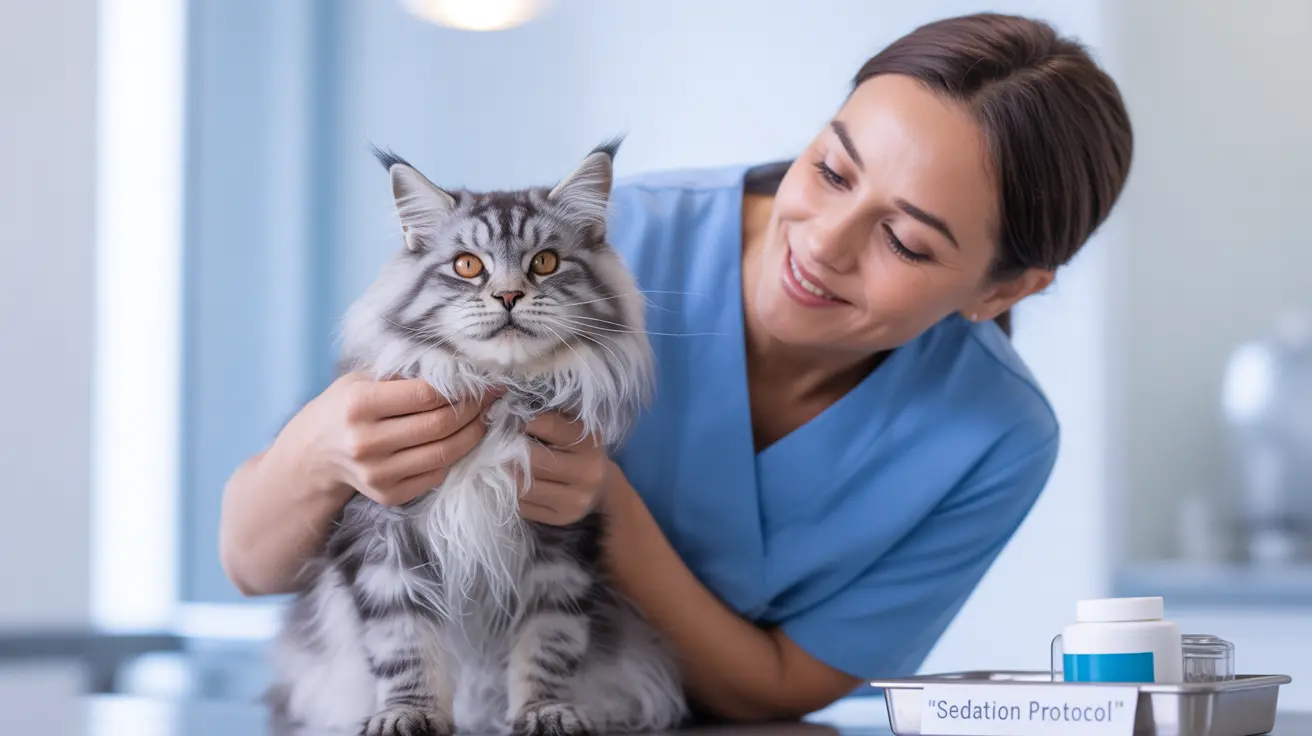
Grooming your cat can sometimes feel like a battle. If your furry friend gets anxious or restless, you might wonder, “What can I use to sedate my cat for grooming?” You’re not alone.
Many cat owners struggle with keeping their pets calm during bath time or nail trimming. But before you reach for any solution, it’s important to know what’s safe and effective. You’ll discover practical tips and trusted options to help your cat stay relaxed, making grooming easier for both of you.
Keep reading to find out how to turn grooming sessions into a stress-free experience.
Reasons To Sedate Cats For Grooming
Grooming your cat is essential for their health and comfort, but sometimes it can be a real challenge. Many cats become so stressed or anxious during grooming that sedation might be the safest and kindest option. Understanding why sedation is necessary helps you make better decisions for your furry friend’s well-being.
Stress And Anxiety In Cats
Most cats dislike grooming because it feels invasive and unfamiliar. The noise of clippers, the sensation of being held, or even the smell of grooming products can trigger anxiety. If your cat has a history of aggressive behavior or panic during grooming, sedation can prevent trauma for both of you.
Think about how your cat reacts when you try to trim their nails or brush their fur. Are they hiding, scratching, or vocalizing loudly? These signs show that grooming causes them real distress, which sedation can help ease safely.
Common Grooming Challenges
Cats with thick, matted fur or long hair often need extra care. Mats can tug painfully at the skin, making grooming painful and difficult. Sedation allows groomers to work gently without causing your cat undue pain or injury.
Older cats or those with health problems may struggle to stay still during grooming. Sedation helps manage these cases, reducing the risk of injury to both the cat and the person grooming. Have you noticed your cat resisting grooming more as they age?
Risks Of Sedating Cats At Home
Sedating a cat at home can cause serious health problems without proper knowledge. Some medicines may be unsafe or cause bad reactions. Always ask a vet before using any sedative for grooming.
Sedating your cat at home for grooming may seem like a quick fix, but it comes with significant risks. While you might think a little sedation could ease the grooming process, it can actually jeopardize your pet’s health. Before reaching for any sedative, it’s crucial to understand the potential dangers involved.Potential Side Effects
Sedatives can have a range of side effects on cats, some mild and others more severe. Drowsiness and confusion are common, but these can lead to distress and disorientation. In some cases, cats may experience vomiting, diarrhea, or even allergic reactions. Imagine planning a simple grooming session and ending up with a frantic trip to the vet. Is it worth it?When Sedation Is Unsafe
Certain conditions make sedation particularly unsafe for cats. If your cat has pre-existing health issues such as heart or kidney disease, sedating them could exacerbate these problems. Additionally, older cats or those with respiratory issues are at a higher risk when sedated. Even if your cat seems healthy, underlying issues might not be obvious. Have you considered that a seemingly harmless sedative could uncover hidden health problems?Veterinarian-recommended Sedation Options
Veterinarian-recommended sedation options provide safe ways to calm cats for grooming. These options ensure the cat feels relaxed without stress or harm. Sedation helps manage anxiety and makes grooming easier for both pets and owners.
Only a veterinarian can prescribe proper sedation based on the cat’s health and needs. Using the right medication and dosage is vital to avoid side effects. Always follow professional guidance for the best results.
Prescription Medications
Common prescription medications for cat sedation include:
- Gabapentin:Eases anxiety and reduces stress during grooming.
- Alprazolam:A mild sedative that calms nervous cats.
- Acepromazine:A stronger sedative for more anxious or aggressive cats.
- Dexmedetomidine:Used in veterinary clinics for short-term sedation.
These medications have different effects and safety levels. A vet chooses the best one for each cat.
Dosage And Administration
Correct dosage depends on the cat’s weight, age, and health. Overdose can cause serious problems. Under-dose may not calm the cat enough.
Most sedatives come as tablets or liquids. Some require oral administration, others might be injectable.
Always give the medication before grooming, as advised by the vet. Monitor the cat closely for any unusual reactions.

Credit: feedtheball.com
Natural And Over-the-counter Alternatives
Finding a gentle way to calm your cat during grooming can make the experience easier for both of you. Natural and over-the-counter options offer alternatives to prescription medications, often with fewer side effects. These choices can help soothe your cat’s nerves, making grooming less stressful and more manageable.
Herbal Remedies
Herbal remedies like chamomile, valerian root, and lavender are popular choices to help relax cats. These herbs can be used in teas, diffusers, or even added to your cat’s environment in safe forms. I once used a small amount of chamomile tea on a cloth near my cat during grooming, and she seemed noticeably calmer.
However, be cautious—some herbs can be toxic to cats, so always check with your vet before trying any new herbal treatment. You might find herbal blends specifically made for pets, which are generally safer and easier to use.
Calming Sprays And Supplements
Calming sprays and supplements often contain pheromones or natural ingredients like L-theanine and tryptophan, which help reduce anxiety. Products such as Feliway sprays mimic a cat’s natural facial pheromones and can create a sense of security during grooming sessions.
Supplements come in chewable tablets, powders, or liquids, making it easy to add them to your cat’s food. Have you ever noticed how a small change, like a calming collar or a diffused spray, can transform a stressful grooming session into a peaceful one?
Choosing the right product depends on your cat’s preferences and needs, so consider trying different options while monitoring their response closely. Always follow the dosage instructions to keep your furry friend safe and comfortable.
Safe Practices For Grooming Without Sedation
Grooming a cat without sedation is safer for both the pet and owner. It reduces health risks and keeps your cat comfortable. Understanding gentle ways to groom helps build trust and ease stress. Using calm, patient methods ensures a positive experience every time.
Behavioral Techniques
Start grooming sessions slowly and gently. Let your cat sniff the brush or comb first. Reward good behavior with treats or soft praise. Use short grooming periods to keep your cat calm. Watch your cat’s body language for signs of stress. Stop if your cat becomes anxious or aggressive. Repeat sessions often to build a routine and trust.
Creating A Calm Environment
Choose a quiet, familiar spot for grooming. Avoid loud noises and sudden movements. Use soft lighting to create a peaceful atmosphere. Play gentle music or white noise to relax your cat. Keep grooming tools within easy reach to avoid interruptions. Make sure the room is warm and comfortable. A calm setting helps your cat stay relaxed during grooming.

Credit: www.amazon.ca
When To Seek Professional Grooming Help
Knowing when to seek professional grooming help for your cat can make a big difference in both your pet’s comfort and safety. Grooming isn’t just about keeping your cat looking good; it’s about maintaining their health and well-being. If your cat is extremely anxious, aggressive, or has special needs, professional groomers might be the best option to ensure a smooth and stress-free experience.
Benefits Of Experienced Groomers
Experienced groomers understand cat behavior deeply. They recognize subtle signs of stress and know how to calm your cat quickly.
Professionals have access to specialized tools and products tailored for different fur types and skin conditions. This means your cat will get a thorough grooming without the risk of cuts or irritation.
Have you ever tried trimming your cat’s nails only to end up scratched? Groomers handle this daily with ease, making the process safer for both you and your cat.
Handling Difficult Cats Safely
Some cats become aggressive or fearful during grooming, which can make the task dangerous. Groomers are trained to handle these situations calmly and effectively.
They use gentle restraint techniques that keep your cat secure without causing pain or distress. This reduces the chance of injury to your pet and to you.
For cats with medical issues or extreme anxiety, groomers can also work alongside veterinarians to provide sedation or other calming methods safely. Would you risk your cat’s health trying to manage this on your own?
:strip_icc()/spruce-pets-cat-sedative-travel-9be74a8034364749a2cb205881b103ac.png)
Credit: www.thesprucepets.com
Frequently Asked Questions
What Are Safe Sedatives For Cat Grooming?
Safe sedatives for cat grooming include veterinarian-prescribed medications like gabapentin or trazodone. Never use human medications without vet approval. Natural calming aids like pheromone sprays or supplements may also help reduce stress during grooming.
Can I Use Over-the-counter Sedatives For My Cat?
Over-the-counter sedatives are generally not recommended for cats. They can be unsafe or ineffective without veterinary guidance. Always consult your vet before using any sedative to ensure your cat’s safety and proper dosing.
How Do I Prepare My Cat For Grooming Sedation?
Prepare your cat by consulting a vet for the right sedative and dosage. Create a calm environment and avoid feeding before sedation. Follow your vet’s instructions carefully to ensure a safe and stress-free grooming session.
Are Natural Remedies Effective For Sedating Cats?
Natural remedies like pheromone sprays, herbal supplements, and calming collars can reduce anxiety. However, they may not fully sedate a cat for grooming. Always discuss natural options with your vet to choose the safest approach.
Conclusion
Choosing the right way to calm your cat during grooming is important. Always talk to your vet before giving any sedative. Natural options and safe medicines can help reduce stress. Never use human drugs without professional advice. Keep your cat comfortable and patient throughout the process.
Gentle handling and a calm voice work wonders too. Remember, your cat’s safety comes first. Proper care makes grooming easier for both of you. Trust experts and follow their guidance closely.



Leave a Reply