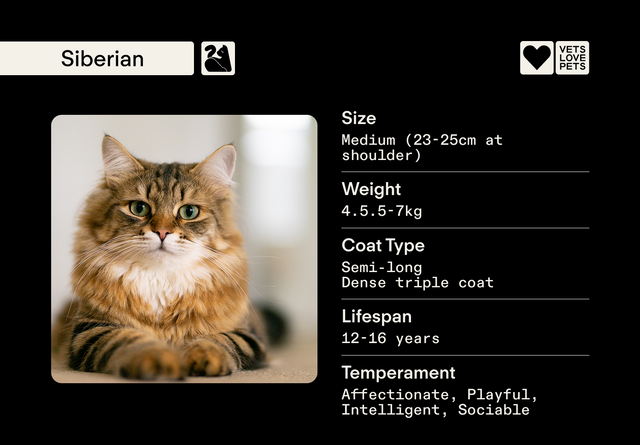
Are you fascinated by the majestic Siberian cat and wondering how to turn that passion into a rewarding breeding hobby? Getting into Siberian cat breeding isn’t just about owning a beautiful pet—it’s about becoming part of a special community dedicated to preserving this unique breed.
But where do you start? What should you know before taking the plunge? This guide will walk you through everything you need to know to begin your journey confidently. If you want to breed healthy, happy Siberian cats and make a real difference, keep reading.
Your path to becoming a successful Siberian cat breeder begins here.
Choosing Sibirian Cats
Choosing Siberian cats for breeding is more than just picking beautiful animals. It’s about understanding their unique qualities and ensuring you select cats that will contribute positively to the breed. Your choices here will shape the health, temperament, and appearance of future litters.
Traits Of Siberian Cats
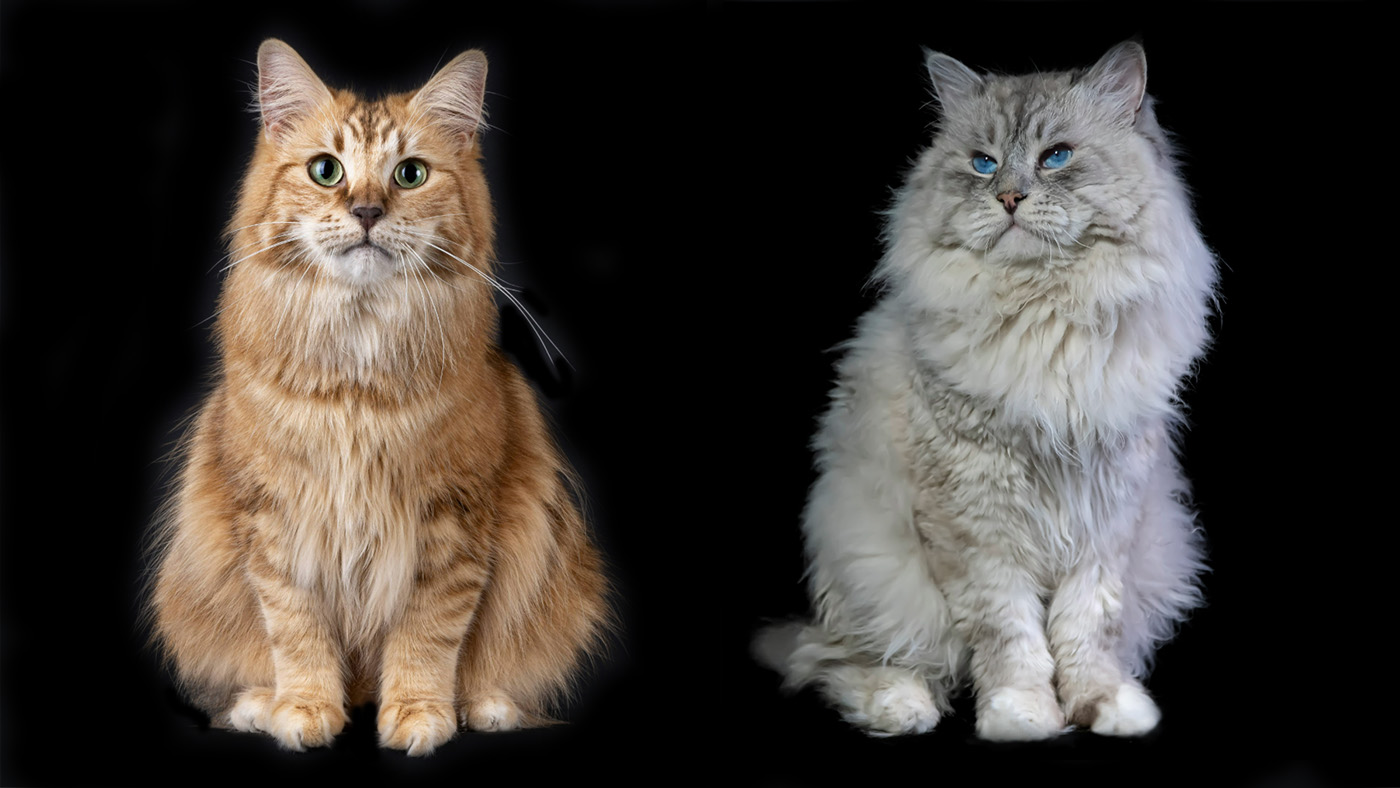
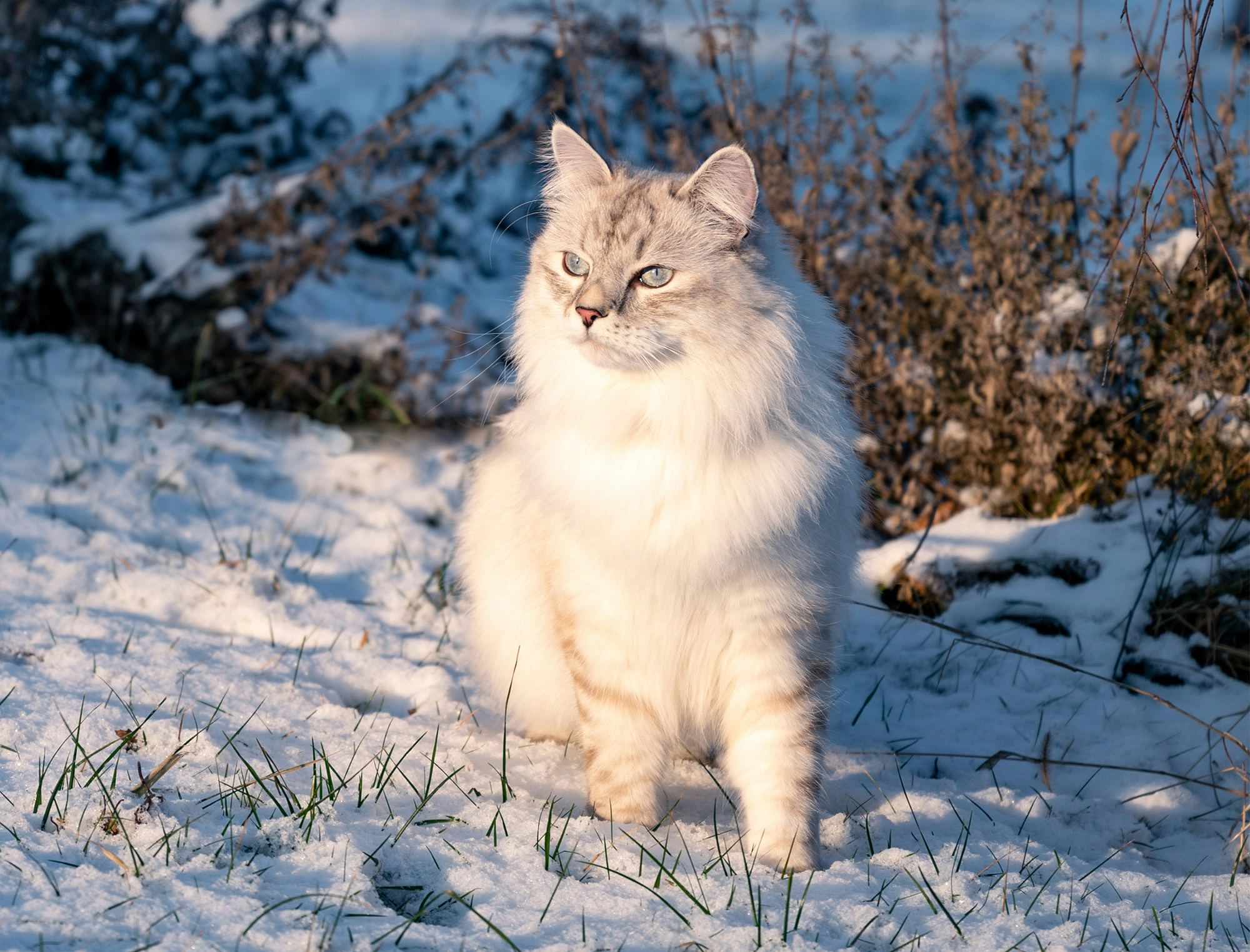
Siberian cats are known for their thick, water-resistant triple coat, which helps them survive cold climates. Their fur can come in various colors and patterns, but the texture and density are key traits you want to observe closely.
These cats are also famous for their friendly and playful nature. They tend to bond deeply with their owners and are intelligent, making them relatively easy to train. A good breeder values not just looks but personality traits that make Siberians great companions.
Are you ready to spot a Siberian’s temperament in a busy environment? Watch how they interact with people and other pets; a calm and confident demeanor often signals a healthy and well-adjusted cat.
Selecting Quality Breeding Cats
Quality breeding starts with cats that have strong health backgrounds. Always ask for veterinary records, including screenings for common genetic issues like hypertrophic cardiomyopathy (HCM).
Look for cats with good body structure—muscular but agile, with a well-proportioned build. Check their coat condition; it should feel dense and resilient, not thin or patchy.
- Verify pedigree to maintain breed standards and avoid inbreeding.
- Observe the cat’s behavior—avoid overly shy or aggressive animals.
- Choose cats with proven lineage in shows or breeding to increase the chances of desirable traits.
In my experience, visiting breeders and spending time with their cats reveals much more than photos or descriptions can. You get a real sense of the cats’ health and temperament, which is crucial for long-term success in breeding.
Credit: www.petsradar.com
Preparing Your Home
Preparing your home is a vital step before starting Siberian cat breeding. The environment you create will directly affect the health and happiness of your cats and their kittens. Thoughtful preparation ensures your cats feel comfortable and safe, which supports successful breeding and raising of healthy litters.
Safe Breeding Environment
Your home must be a secure, quiet place free from hazards. Siberians are active and curious, so remove any toxic plants, sharp objects, or small items they could swallow. Consider a dedicated room or space where you can control noise and limit access to other pets or children.
Ventilation and cleanliness are essential. Good airflow helps prevent respiratory issues, while regular cleaning reduces the risk of infections. Have washable bedding and avoid strong chemicals that might irritate sensitive noses.
Do you have a calm area where the mother cat can feel protected during labor and nursing? This space should be cozy but not isolated, allowing you to check on her easily without causing stress.
Necessary Supplies And Equipment
Gathering the right supplies ahead of time makes the breeding process smoother. You’ll need:
- Whelping box:A sturdy, easy-to-clean box with low sides for the mother to enter and exit safely.
- Heating pad or lamp:To keep kittens warm, especially during their first weeks.
- Food and water bowls:Preferably heavy or non-slip ones to avoid spills.
- High-quality cat food:Both for the pregnant mother and growing kittens.
- Grooming tools:Brushes and nail clippers suited for Siberians’ dense fur.
- Veterinary supplies:Basic first aid kit and contact information for your vet.
Do you have a plan for cleaning and maintaining these items regularly? Consistency in hygiene protects your cats from common health issues.
Health And Genetics
Health and genetics are the backbone of successful Siberian cat breeding. Ensuring your cats are healthy prevents many future problems. Genetics plays a key role in maintaining the breed’s unique traits. Breeders must focus on both to produce strong, beautiful kittens. Understanding health risks and genetic diversity keeps the breed thriving.
Health Screening Tests
Regular health screening is essential for Siberian cats. Tests help detect diseases early and avoid passing problems to offspring. Common tests include:
- Feline hypertrophic cardiomyopathy (HCM) heart screening
- Polycystic kidney disease (PKD) testing
- Screening for infectious diseases like FeLV and FIV
- Routine blood work and parasite checks
Only breed cats that pass these tests. This protects the health of the kittens and the breeding line. Keep thorough records of all test results for reference.
Managing Genetic Diversity
Genetic diversity prevents health issues caused by inbreeding. It helps maintain the Siberian cat’s natural strength and vitality. Breeders should:
- Use cats from different family lines
- Avoid mating close relatives
- Track pedigrees carefully
- Work with other breeders to exchange cats
Diverse genetics reduce the risk of inherited diseases. They also improve the overall quality of the breed. Breeding responsibly means thinking about the long-term health of Siberian cats.
Credit: marzanna-siberians.com
Breeding Process
Diving into Siberian cat breeding involves understanding the breed’s unique traits and health needs. Start by researching reputable breeders to learn best practices. Building a safe, nurturing environment is essential for the well-being of these majestic cats.
The breeding process of Siberian cats requires patience and dedication. Understanding each step ensures a healthy and successful outcome. This guide provides insights into the timing, mating, pregnancy, and birth care. Each stage plays a vital role in the overall health of the kittens and parents.Timing And Mating
The right timing is crucial for Siberian cat breeding. Female cats, or queens, typically enter heat several times a year. Recognizing signs of heat is important. Queens become more vocal and affectionate. They may also assume a mating position. Introduce the male cat, known as a tom, once the queen is ready. Ensure a calm environment for both cats. This encourages a successful mating process. Monitor their interactions. This ensures no aggressive behavior occurs.Pregnancy And Birth Care
Pregnancy in Siberian cats lasts about 63 to 67 days. During this period, the queen needs extra care. Provide a nutritious diet to support her growing kittens. Regular vet check-ups are essential. They help monitor the queen’s health and the kittens’ development. Prepare a quiet, comfortable space for birthing. Use a clean box lined with soft blankets. This becomes a safe haven for the queen. As the due date approaches, watch for signs of labor. The queen may become restless and seek solitude. She might refuse food and start nesting. Once labor begins, ensure the environment remains calm. After birth, the queen will clean the kittens. Monitor the mother and kittens closely. Ensure the kittens are nursing properly.Raising Kittens
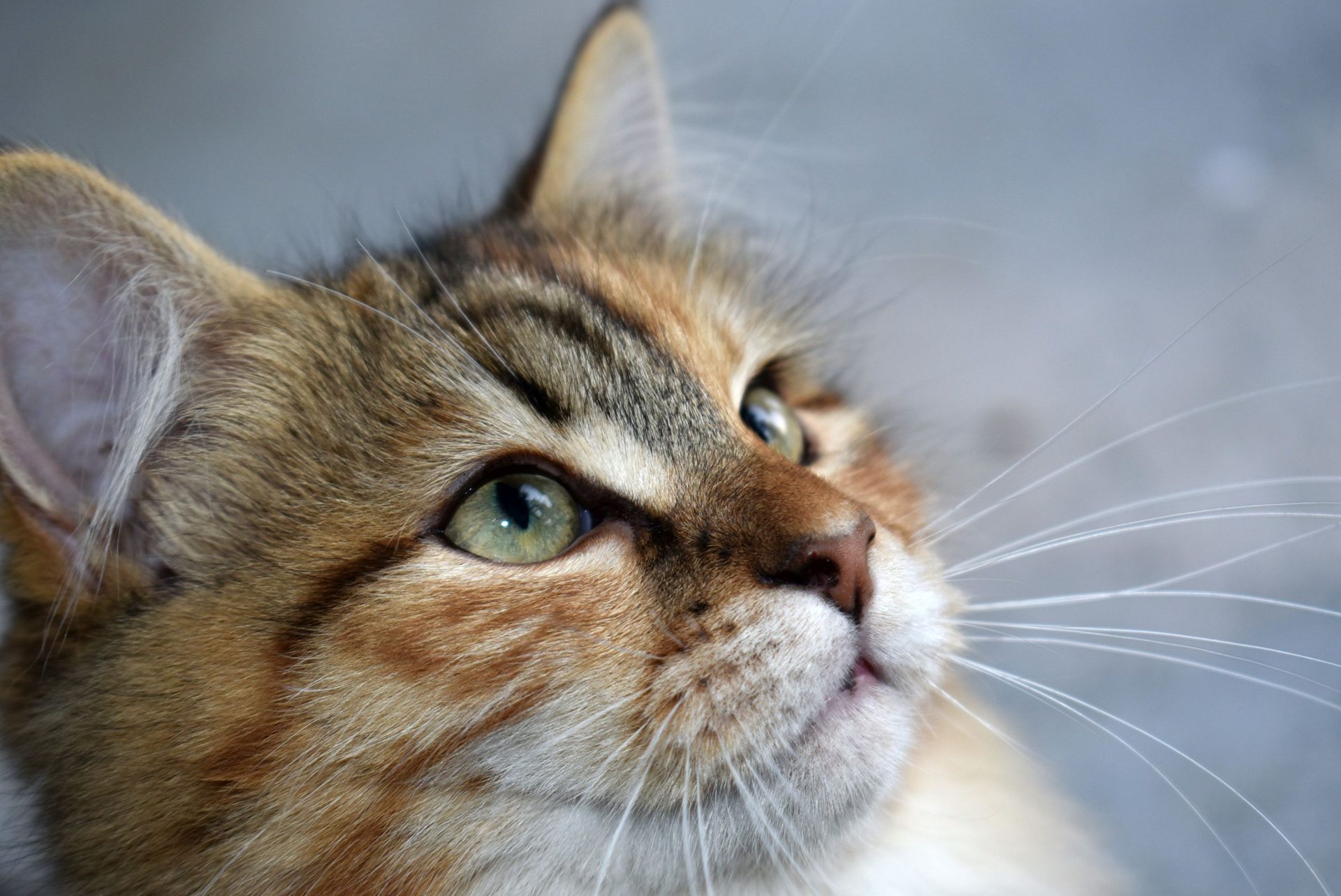
Raising Siberian kittens is a rewarding experience that shapes the future of your cats and their temperament. Your care during their early days directly influences how healthy and well-adjusted they become. Paying close attention to their needs in nutrition and socialization sets the stage for a thriving Siberian lineage.
Nutrition And Growth
Good nutrition fuels your kittens’ rapid growth and supports their immune system. Start with high-quality kitten food rich in proteins and essential fatty acids to build strong muscles and a shiny coat.
Keep fresh water available at all times to prevent dehydration. You might notice your kittens grow faster and become more energetic once you adjust their diet to meet their needs.
Regular weight checks are crucial. If a kitten seems too small or too heavy for its age, consult a vet immediately to avoid future health problems.
Socialization And Early Training
Early socialization teaches your Siberian kittens to be confident and friendly pets. Handle them gently every day and introduce them to different sounds, sights, and people.
Encourage positive interactions by rewarding calm behavior with treats or gentle petting. This will make your kittens more eager to learn and adapt.
Start basic training early, like litter box habits and scratching post use. This saves you frustration later and helps kittens understand their environment better.
Have you spent time observing how your kittens respond to new experiences? Their reactions can guide you on which areas need more focus to build trust and social skills.
Credit: siberien.envol.ovh
Legal And Ethical Considerations
Starting a Siberian cat breeding business involves more than just love for cats. Legal and ethical considerations guide breeders to act responsibly. These rules protect the cats and maintain high standards.
Licensing And Regulations
Breeding Siberian cats often requires specific licenses. These vary by location and may include:
- Business permits
- Animal welfare certifications
- Health inspections
Check local laws to understand requirements. Proper registration helps avoid fines and legal trouble. It also builds trust with buyers and other breeders.
Ethical Breeding Practices
Ethical breeding means caring for cats’ health and well-being. Keep these points in mind:
- Only breed healthy cats with good temperaments
- Provide clean, safe living spaces
- Regular veterinary care and vaccinations
- Limit the number of litters per cat
- Screen potential homes for kittens
Ethical breeders focus on improving the breed, not just making money. Prioritize the cats’ welfare and breed quality over quantity.
Marketing And Selling
Marketing and selling your Siberian cats effectively can make a big difference in your breeding success. It’s not just about finding any buyers but connecting with the right ones who value the breed and will provide a loving home. This section breaks down how to find buyers and set clear pricing and contracts to protect both you and your cats.
Finding Buyers
Start by building a network within the cat lover community. Attend local cat shows and join Siberian cat groups online to meet potential buyers who understand the breed’s unique qualities.
Use social media platforms like Instagram and Facebook to share photos and stories of your cats. People connect with genuine stories and updates more than just listings.
Ask satisfied buyers to refer friends or share their experiences. Word of mouth is powerful and often brings serious inquiries.
Pricing And Contracts
Set your prices based on health clearances, pedigree, and demand in your area. Research what other reputable breeders charge to stay competitive but fair.
Always use a written contract to outline buyer responsibilities and your guarantees. This can include spay/neuter agreements, health warranties, and return policies.
Clear contracts protect your cats and your reputation. Have a vet check your contract template or use one from a breeder’s association to avoid loopholes.
Resources For Breeders
Having the right resources is key to becoming a successful Siberian cat breeder. You need reliable information, a strong network, and ongoing support to handle the unique challenges of breeding this majestic breed. Below are some essential resources that can help you build a solid foundation and grow your breeding program with confidence.
Breeding Clubs And Associations
Joining a breeding club or association connects you with experienced breeders and experts. These groups often set breed standards and offer guidance on responsible breeding practices.
For Siberian cats, organizations like the International Cat Association (TICA)and the Cat Fanciers’ Association (CFA)provide breed-specific resources and registration services. Membership gives you access to shows, seminars, and a network that can answer your breeding questions.
Have you considered how being part of a community might improve your breeding outcomes? These clubs often share health testing protocols, helping you avoid common genetic issues and maintain the breed’s strong characteristics.
Educational Materials And Support
Books, online courses, and webinars offer in-depth knowledge about Siberian cats’ genetics, health, and care. Investing time in learning about feline reproduction and kitten development pays off in better breeding results.
Websites like Siberian Cat Clubprovide articles, breeder directories, and health resources tailored to Siberians. Forums and social media groups also offer real-time advice and shared experiences from breeders worldwide.
Don’t underestimate the value of mentorship. Finding a seasoned Siberian breeder willing to guide you can save you from costly mistakes and provide practical insights you won’t find in books.
Frequently Asked Questions
What Are The First Steps To Start Siberian Cat Breeding?
Begin by researching Siberian cat traits and breed standards. Find reputable breeders or clubs. Prepare a proper environment and learn about health care needs.
How Do I Find Healthy Siberian Cats For Breeding?
Look for cats with clear health records and certifications. Choose breeders known for ethical practices. Ensure cats have proper vaccinations and no genetic disorders.
What Are The Legal Requirements For Siberian Cat Breeding?
Check local regulations on pet breeding licenses. Register your cattery if required. Follow animal welfare laws and maintain proper documentation for all cats.
How Can I Ensure Successful Siberian Cat Breeding?
Provide balanced nutrition and regular vet checkups. Understand breeding cycles and genetics. Create a stress-free environment and monitor cats closely during mating and pregnancy.
Conclusion
Starting with Siberian cat breeding takes care and patience. Learn about the breed’s needs and health first. Choose strong, healthy cats for breeding. Keep good records of your cats and their kittens. Stay connected with other breeders for advice and support.
Remember, breeding is a long journey, not a quick task. Enjoy the process and care for your cats well. This path brings joy and responsibility hand in hand.



Leave a Reply