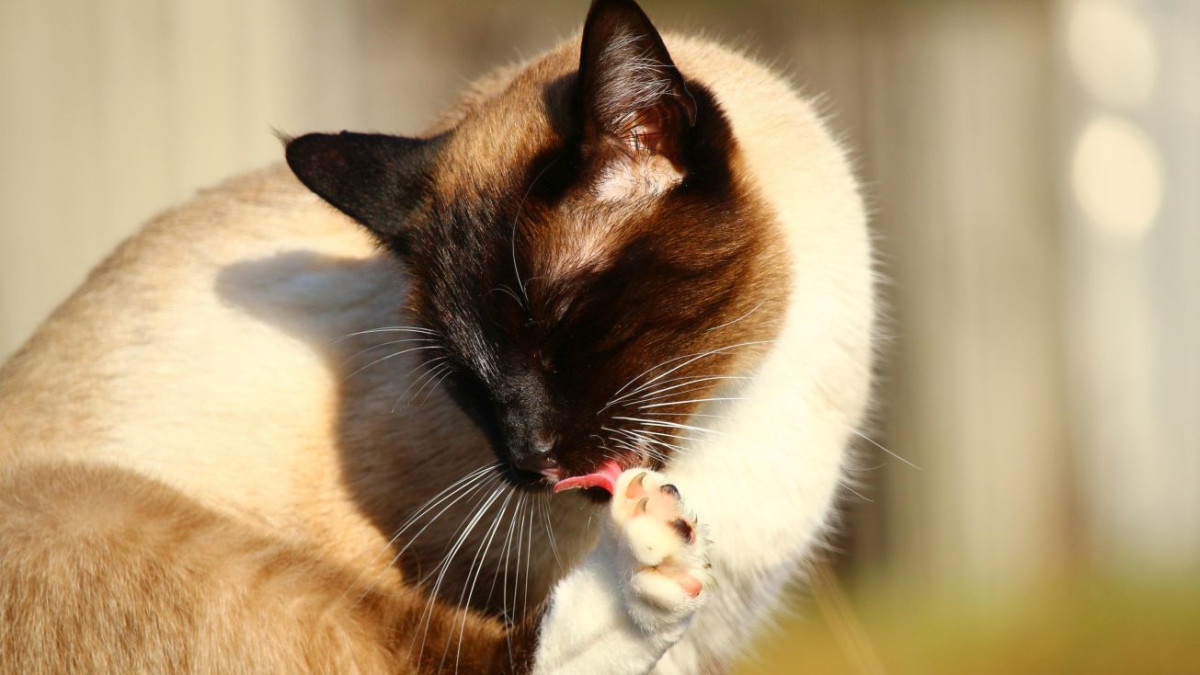
Have you ever watched your cat spend a lot of time licking its fur and wondered, “What does it mean when cats groom themselves?” It’s not just about staying clean.
When your cat grooms, it’s telling you a lot about how it feels and what’s going on inside its little world. Understanding this behavior can help you connect better with your furry friend and even spot when something isn’t quite right.
Keep reading to discover the surprising reasons behind your cat’s grooming habits and what they reveal about your pet’s health and happiness.
Reasons Cats Groom
Cats spend a surprising amount of time grooming themselves, and understanding why can give you a deeper insight into their behavior. Grooming is more than just keeping clean; it serves several important purposes that affect your cat’s health and mood. Let’s look at the key reasons cats groom and what it means for your furry friend.
Maintaining Cleanliness
Cats use grooming to keep their fur free from dirt, parasites, and loose hair. This self-cleaning habit helps prevent skin infections and keeps their coat shiny. Have you noticed how your cat’s tongue feels rough? That texture is perfect for removing debris and spreading natural oils evenly across their fur.
Regulating Body Temperature
Grooming helps cats control their body temperature. When cats lick their fur, the saliva evaporates and cools them down, similar to how sweating works for humans. If you watch your cat during a hot day, you might see more grooming as they try to stay comfortable.
Reducing Stress
Grooming can be a calming activity for cats, helping them manage anxiety or discomfort. If your cat is stressed by changes in their environment, you might notice an increase in grooming behavior. Ever seen a cat lick itself obsessively? That could be their way of coping with stress or boredom.
Credit: pethelpful.com
Health Signals In Grooming
Watching your cat groom itself is more than just a cute habit—it’s a window into its health. Grooming behaviors can reveal how your cat feels physically and emotionally. Paying attention to these signals helps you catch potential health problems early and keep your feline friend comfortable and happy.
Signs Of Illness
Changes in grooming habits often point to health issues. If your cat suddenly stops grooming, it could mean pain or discomfort, especially with conditions like arthritis or dental problems. On the other hand, a decrease in grooming might signal depression or lethargy caused by an underlying illness.
Have you noticed your cat looking scruffy or greasy? This could indicate a fever or skin infection. Always watch for additional signs like lethargy, loss of appetite, or unusual behavior alongside changes in grooming.
Overgrooming Issues
Excessive grooming is just as important to watch for. Cats sometimes groom too much when they’re stressed, anxious, or bored. This behavior can lead to bald patches, sores, or infections that need attention.
Overgrooming can also be a reaction to allergies or parasites like fleas. If you see your cat licking or biting the same spot repeatedly, consider checking for these causes or consult your vet. How often do you see your cat grooming, and could it be excessive?
Skin And Coat Health
A cat’s coat reflects its overall health and grooming efficiency. A shiny, smooth coat usually means your cat is well-nourished and healthy. Dull, flaky, or patchy fur can suggest nutritional deficiencies or skin conditions.
Regular grooming helps remove loose fur and prevent mats, but when your cat struggles with its coat, it may need help. You can assist by gently brushing your cat and ensuring a balanced diet rich in omega fatty acids. What’s your cat’s coat telling you today?
Social Grooming Behavior
Social grooming behavior in cats is more than just a cleanliness routine. It plays a crucial role in how cats connect, communicate, and establish their place within their social group. Observing this behavior can reveal a lot about your cat’s relationships and emotional state.
Bonding With Other Cats
When cats groom each other, it’s a clear sign of trust and friendship. You might notice two cats licking each other’s heads or necks, areas they can’t easily reach alone. This mutual grooming strengthens their bond and reduces tension within the group.
Have you ever seen your cats grooming side by side? It’s their way of saying they feel safe and comfortable together. This behavior can help you understand which cats in a multi-cat household get along best.
Grooming And Territory
Grooming also plays a role in territory marking. Cats have scent glands in their skin, and grooming spreads their scent over themselves and sometimes on others. This helps create a shared group smell that signals a united territory.
When a cat grooms another, it’s not just about cleaning—it’s about reinforcing social order and ownership of space. If you notice cats grooming in certain spots, it might highlight key areas they consider their territory.
Human-cat Grooming Interaction
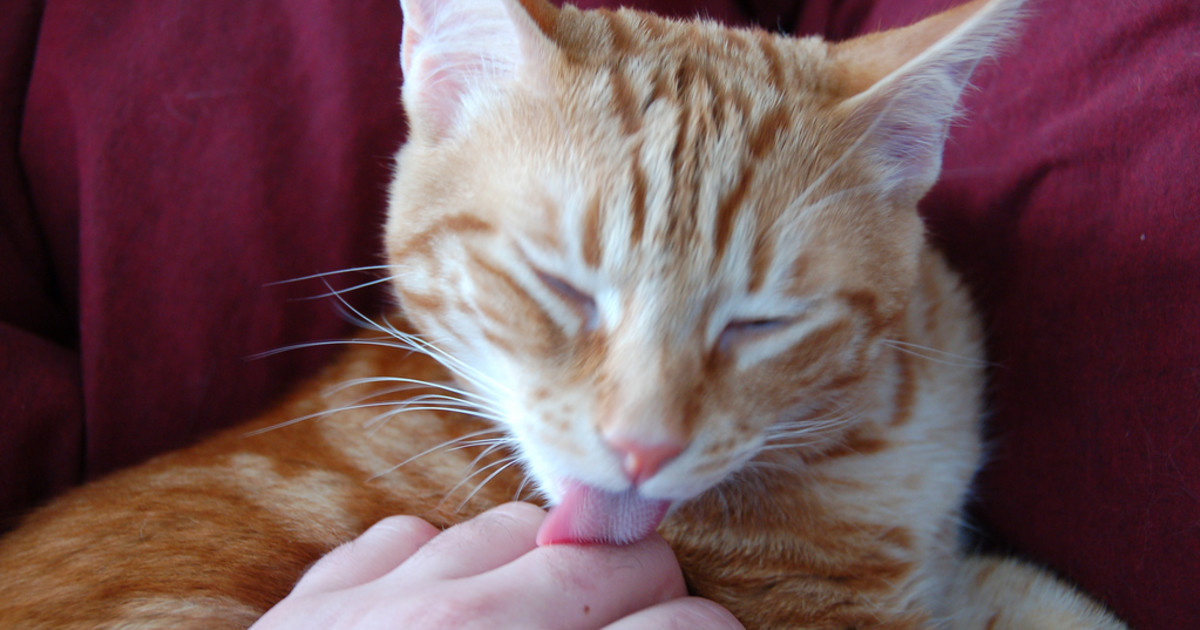
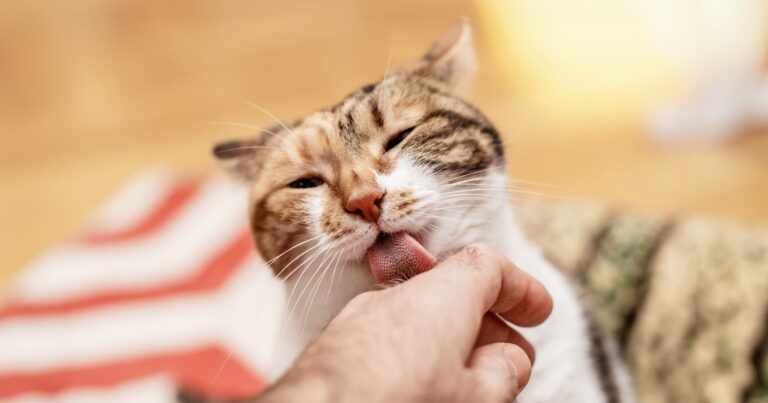
Have you ever felt your cat licking your hand or face? This is their way of including you in their social circle. Cats sometimes groom their humans to show affection and acceptance.
Responding to these moments by gently petting or talking to your cat can strengthen your bond. Think of it as your cat’s invitation to be part of their trusted group—don’t miss it!
Grooming Patterns By Age And Breed
Understanding the nuances of grooming patterns by age and breed can unlock a fascinating world into your cat’s behavior. Just like humans, cats have their grooming preferences that evolve with age and are influenced by their breed. Knowing these patterns helps you better cater to your feline’s needs and can be a great way to enhance your bond.
Kittens Vs. Adult Cats
Kittens often learn grooming by observing their mothers. Their grooming is more sporadic and playful, as they’re still figuring out how to clean themselves efficiently. Adult cats, however, have refined their grooming techniques and can spend up to 50% of their waking hours cleaning themselves.
Ever noticed a kitten nibbling on its paws? This is part of its learning curve. Compare that to an adult cat, who will methodically clean its fur from head to tail, often with a focused intensity.
As cats age, their grooming habits can also change due to health conditions. An older cat might groom less due to arthritis or dental issues. Keeping an eye on these changes can be vital for early detection of health problems.
Breed-specific Grooming Habits
Breed can significantly influence a cat’s grooming habits. For instance, Persians with their lush, long fur require more grooming to prevent matting, compared to a sleek Siamese. Regular brushing is essential for long-haired breeds to avoid tangles and hairballs.
On the other hand, Sphynx cats, despite their lack of fur, need regular skin care. Their skin accumulates oils that would usually be absorbed by fur, necessitating frequent baths. Isn’t it interesting how grooming needs vary so widely?
Understanding these breed-specific needs helps you tailor your grooming routine. It not only ensures your cat is comfortable but also makes grooming a bonding activity. How does your cat’s breed affect its grooming habits? Observing them closely can provide intriguing insights.
Tips For Supporting Your Cat’s Grooming
Supporting your cat’s grooming habits helps keep them clean and healthy. Cats groom to remove dirt, loose fur, and to relax. You can help your cat enjoy grooming and maintain a shiny coat. Small actions make a big difference in their comfort and health.
Encouraging Healthy Grooming
Give your cat a calm and safe space for grooming. Stress can stop cats from grooming well. Brush your cat gently to remove loose fur and prevent mats. Offer fresh water and a balanced diet to keep their skin healthy. Pay attention to their grooming habits to spot changes early.
When To Intervene
Notice if your cat grooms too much or too little. Over-grooming can cause bald spots or sores. Under-grooming may lead to dirty fur and skin problems. Visit a vet if you see wounds, hair loss, or skin irritation. Sudden changes in grooming can signal health issues.
Grooming Tools And Products
Choose grooming tools based on your cat’s fur type:
- Soft brushes for short-haired cats
- Wide-toothed combs for long-haired cats
- Rubber grooming gloves for gentle fur removal
Use cat-safe shampoos if bathing is needed. Avoid human products as they can harm your cat’s skin. Keep grooming sessions short and positive to build trust.
Credit: www.diamondpet.com

Credit: pennypaws.com
Frequently Asked Questions
Why Do Cats Groom Themselves Frequently?
Cats groom themselves to stay clean, remove dirt, and regulate body temperature. Grooming also reduces stress and strengthens their bond with their environment. It’s a natural behavior essential for their health and comfort.
How Does Grooming Affect A Cat’s Health?
Grooming helps cats remove loose fur and prevent hairballs. It keeps their skin healthy by distributing natural oils. Regular grooming also reduces parasites and infections, promoting overall well-being.
Can Excessive Grooming Indicate A Problem?
Yes, excessive grooming can signal stress, allergies, or skin issues. It may cause bald patches or sores. If your cat grooms too much, consult a vet to rule out medical or behavioral problems.
What Does Slow Grooming Mean In Cats?
Slow grooming indicates a relaxed and content cat. It shows they feel safe and comfortable in their environment. This calm behavior often reflects strong emotional well-being and trust.
Conclusion
Cats groom themselves to stay clean and healthy. It helps them remove dirt and loose fur. Grooming also calms cats and makes them feel safe. Sometimes, cats groom to show affection or reduce stress. Watching your cat groom can tell you about its mood.
Remember, regular grooming is a natural and important habit. Understanding this behavior helps you care for your cat better. Keep an eye on grooming habits for signs of health. Simple but meaningful.



Leave a Reply