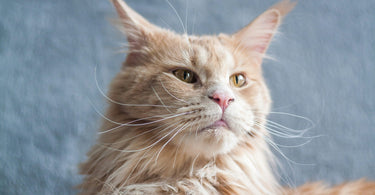
Have you ever wondered when Maine Coon cats were first bred? These majestic, fluffy felines have captured the hearts of cat lovers everywhere.
Knowing their origins can help you understand what makes them so unique and special. You’ll discover the fascinating history behind Maine Coons and how they became one of the most beloved cat breeds. Keep reading to uncover the story that might just change the way you see your furry friend.

Credit: headsupfortails.com
Ancient Roots
The Maine Coon cat is famous for its size and beauty. Its history runs deep in America’s northeast. This breed has ancient roots that reach back hundreds of years. Understanding these roots helps us appreciate the Maine Coon’s unique traits and charm.
Early Sightings In New England
Stories about large, long-haired cats appeared in New England in the 1700s. These cats lived on farms and ships along the coast. Fishermen and settlers noted their thick fur and strong build. They helped catch mice and rats in cold weather. These early sightings show the breed’s natural adaptation to harsh climates.
Folklore And Legends
Many legends surround the Maine Coon’s origin. One tale says they are descendants of raccoons due to their bushy tails. Another story links them to ships and seafarers who brought cats from Europe. These legends add mystery and charm to the breed’s background. They keep the Maine Coon’s ancient roots alive in popular culture.
Development Timeline
The development timeline of Maine Coon cats reveals a fascinating journey from wild origins to beloved companions. Understanding this timeline helps you appreciate how their unique traits were shaped over time. It also shows how human and natural influences combined to create the breed we know today.
19th Century Breeding Efforts
In the 1800s, Maine Coon cats began attracting attention in New England, especially in Maine. Local farmers and sailors prized them for their hunting skills and thick fur, perfect for harsh winters. Early breeders started selectively mating these cats to enhance traits like size, coat length, and temperament.
During this period, shows and competitions helped formalize the breed standards. Breeders focused on maintaining the cats’ rugged appearance while improving their friendliness and adaptability. You might find it interesting that some early breeders believed Maine Coons were part raccoon—a myth that influenced their name but not their genetics.
Role Of Natural Selection
Natural selection played a key role in shaping Maine Coon cats long before humans began controlled breeding. Harsh New England winters favored cats with thick, water-resistant fur and bushy tails that acted like blankets. Only those with these survival traits thrived and passed them on.
Because these cats lived semi-wild for generations, their hunting skills and independence strengthened naturally. This meant that, even without human intervention, Maine Coons developed qualities that made them excellent hunters and resilient companions. Think about how your own pets might carry traits shaped by their ancestors’ environment without you even realizing it.
Breed Characteristics
Maine Coon cats stand out for their unique breed characteristics. Known as gentle giants, they combine size, beauty, and personality. Their traits make them popular among cat lovers worldwide.
Understanding these characteristics helps appreciate the breed’s history and charm. From their impressive looks to their friendly nature, Maine Coons have much to offer.
Physical Traits
Maine Coons are one of the largest domestic cat breeds. Males can weigh between 13 to 18 pounds, females slightly less. Their strong, muscular bodies make them look powerful yet graceful.
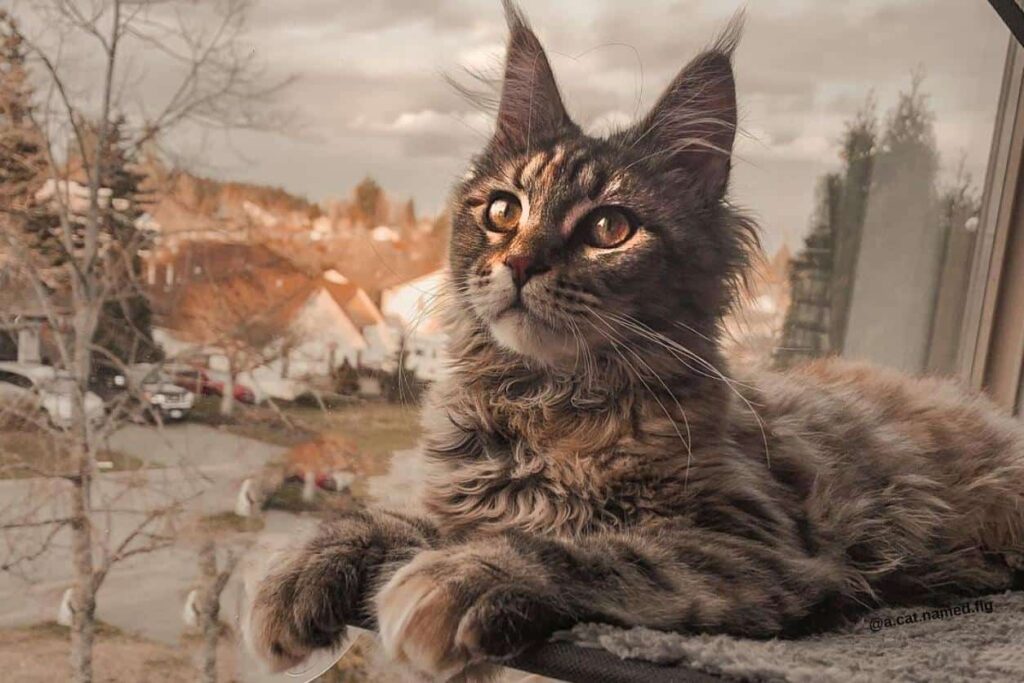
They have long, thick fur that protects them from cold weather. Their coat often features a ruff around the neck, resembling a lion’s mane. Their bushy tails are long and plume-like, adding to their wild appearance.
Large ears with tufts of hair on tips and expressive eyes complete their look. Their paws are big and tufted, perfect for walking on snow. Colors range widely, including tabby, solid, and shaded patterns.
Temperament And Behavior
Maine Coons are known for their sweet and gentle nature. They are friendly and social, enjoying interaction with people and other pets. These cats are often described as dog-like due to their loyalty and playfulness.
They are curious and intelligent, liking puzzles and games. Maine Coons usually adapt well to new environments and changes. Their calm demeanor makes them excellent companions for families and singles alike.
Despite their size, they are not aggressive. They communicate with soft chirps and trills rather than loud meows. This breed loves affection but is not overly demanding.
Credit: rawznaturalpetfood.com
Recognition And Popularity
The Maine Coon cat breed has captured hearts worldwide. Their large size and gentle nature make them unique. Their popularity has grown steadily over the years.
Cat Shows And Registries
Maine Coons first gained attention in cat shows. In the late 1800s, they became regulars. These shows helped boost their popularity. Registries soon took note. Organizations began recognizing the breed officially. This added to their credibility. Breeders and owners found pride in these acknowledgments.
Global Spread
Their fame reached beyond America. Enthusiasts from different countries showed interest. This led to a global spread of the breed. They became favorites in Europe and Asia. Their distinct look and friendly nature won over cat lovers everywhere. Today, Maine Coons are one of the most popular breeds worldwide.
Genetic Influences
The genetic background of Maine Coon cats plays a crucial role in their unique appearance and temperament. Understanding their genetic influences helps you appreciate why these cats are so distinct. It also sheds light on how breeders have shaped the breed over time to emphasize certain traits.
Possible Ancestral Breeds
Many believe Maine Coons descended from a mix of domestic cats and long-haired breeds brought to North America by early settlers. Some theories suggest they carry genes from Norwegian Forest cats or even cats brought by Vikings. Their thick fur and large size hint at ancestors adapted to cold climates.
Have you noticed how Maine Coons differ from other cats in your neighborhood? Their heritage might explain those differences. This blend of ancestry gave rise to their friendly nature and rugged look, setting them apart from typical house cats.
Modern Genetic Studies
Recent DNA testing has provided clearer insights into Maine Coon genetics. Studies show they have a unique genetic signature, distinct from other popular breeds. This uniqueness confirms that breeders have maintained a stable gene pool focused on specific traits.
Genetic testing can also help you understand potential health issues common in Maine Coons, such as hypertrophic cardiomyopathy. Knowing these risks allows you to make informed decisions if you’re considering adopting or breeding Maine Coons. Would you want to use genetic insights to support healthier cats in your care?
Cultural Impact
The Maine Coon cat has left a strong mark on culture worldwide. Its unique look and gentle nature have inspired many stories, artworks, and symbols. This cat breed is more than a pet; it is part of many traditions and media.
People admire Maine Coons for their size, fluffy fur, and friendly attitude. These traits help the breed appear in movies, books, and even as mascots. The cultural impact shows how much people love and respect this special cat.
Maine Coon In Media
Maine Coon cats often appear in films and TV shows. Their large size makes them stand out on screen. They have played roles in family movies and cartoons, charming viewers of all ages.
Many online videos show Maine Coons doing funny or cute things. These clips help spread their popularity worldwide. The breed’s calm and playful nature makes them easy to film.
Symbolism And Mascots
Maine Coons symbolize strength and friendliness. Their rugged look suits this image well. Some schools and sports teams use the Maine Coon as a mascot.
The cat represents loyalty, courage, and resilience. These qualities make it a perfect symbol for groups and brands. Maine Coons also appear in logos and art, highlighting their cultural importance.

Credit: bellspurr.com
Frequently Asked Questions
When Were Maine Coon Cats First Bred?
Maine Coon cats were first bred in the early 1800s in the United States. They originated mainly in Maine, where they were natural farm cats.
Who Bred The First Maine Coon Cats?
The exact breeders are unknown, but Maine Coon cats developed naturally from farm cats. They were later selectively bred by cat fanciers.
Why Were Maine Coon Cats Originally Bred?
Maine Coons were bred for their hunting skills and ruggedness. They helped control rodent populations on farms and ships.
How Did Maine Coon Cats Get Their Name?
The breed is named after Maine, the U. S. state where they were first recognized and bred. “Coon” refers to their bushy tail.
Conclusion
Maine Coon cats have a rich history that dates back to the 1800s. They were bred to adapt to cold weather and rough conditions. Their unique traits made them popular among cat lovers. Today, they remain one of the most beloved cat breeds worldwide.
Understanding their origins helps us appreciate their charm. These cats bring warmth and joy to many homes. Their story shows how nature and humans shaped a special breed. Maine Coons continue to capture hearts everywhere.

Leave a Reply