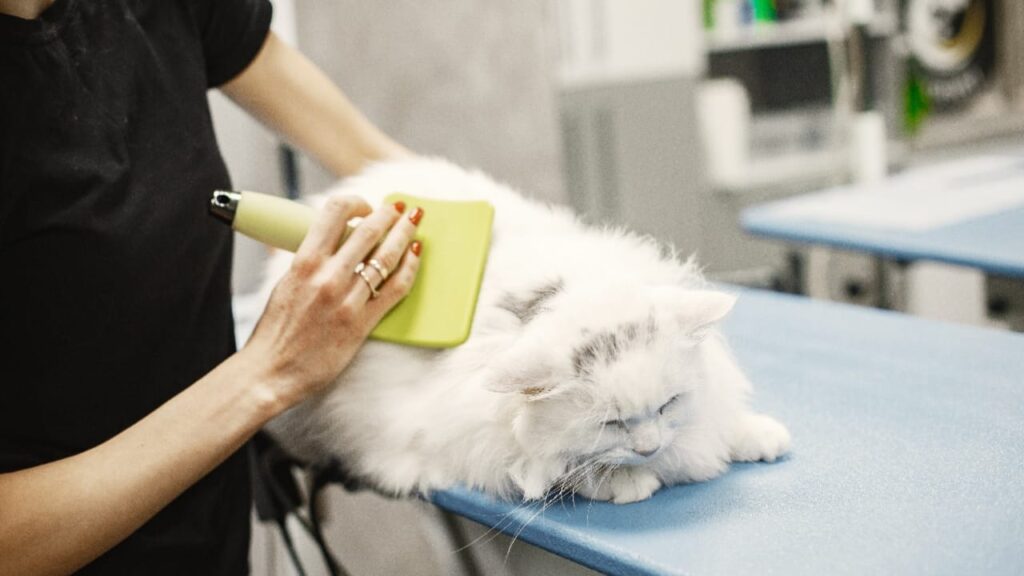
Have you ever wondered if you can groom a long-haired cat yourself? If you have one of these fluffy companions, you know their beautiful coat needs special care.
But don’t worry—grooming your long-haired cat isn’t as hard as it seems. With the right tips and tools, you can keep your cat’s fur healthy, shiny, and free from mats. Keep reading to discover simple steps that will make grooming a breeze for both you and your feline friend.

Credit: www.reddit.com
Benefits Of Grooming Long Haired Cats
Grooming long haired cats is essential for their health and happiness. It keeps their fur clean and free from problems. Regular grooming helps avoid many issues that can make cats uncomfortable. It also improves their overall well-being.
Improved Coat Health
Brushing removes dirt and dead hair from the coat. It spreads natural oils that keep fur shiny and soft. Healthy fur protects cats from skin irritations and infections. Grooming helps spot skin problems early for quick care.
Reduced Shedding
Long haired cats shed a lot of loose fur. Grooming catches loose hair before it falls around the house. This keeps your home cleaner and reduces hairballs. It also stops fur from building up on furniture and clothes.
Prevention Of Matting
Long fur can easily tangle and form mats. Mats pull on skin and cause pain to cats. Regular grooming stops mats from forming and keeps fur smooth. Untangling mats early prevents painful grooming sessions later.
Enhanced Bonding
Grooming time is a quiet moment to connect with your cat. Gentle brushing calms stressed or anxious cats. It builds trust and strengthens your relationship. Cats often enjoy grooming as a form of love and care.
Choosing The Right Grooming Tools
Choosing the right grooming tools makes grooming your long-haired cat easier. The right tools help remove tangles and keep your cat’s coat healthy. Using poor tools can hurt your cat or make grooming frustrating. Invest in quality brushes, combs, and other tools suited to your cat’s fur type. Proper tools reduce hair mats and skin problems.
Types Of Brushes And Combs
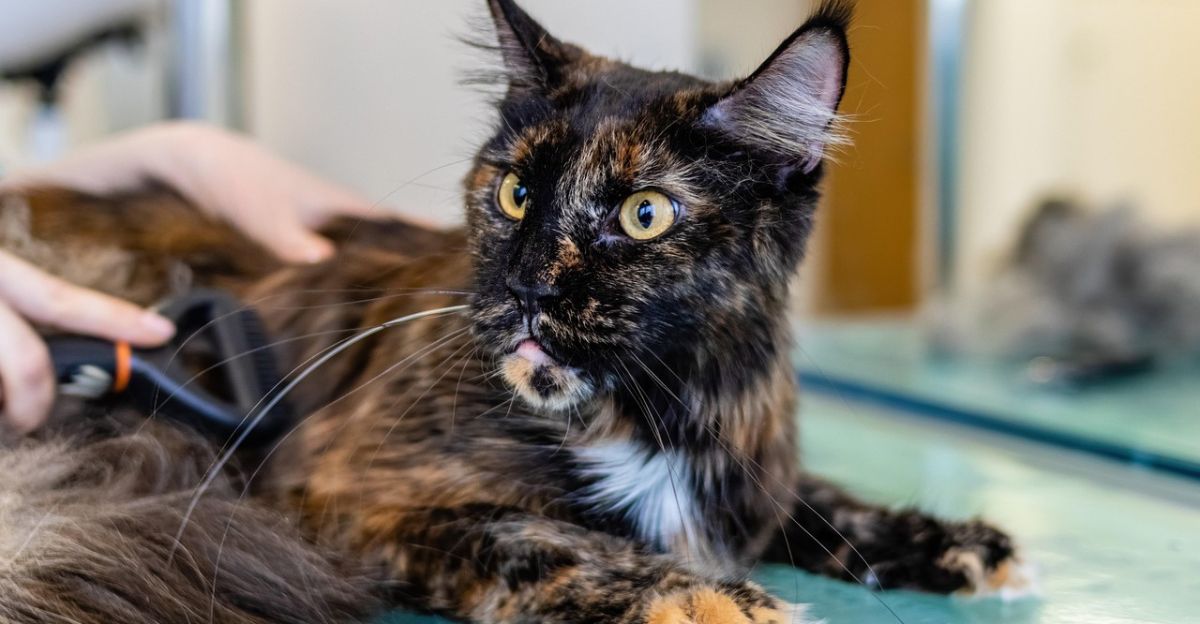
Brushes and combs remove loose hair and prevent tangles. A slicker brush works well for long fur. It has fine wires that reach deep into the coat. A wide-tooth comb helps gently detangle knots without pulling. Use a fine-tooth comb to catch smaller mats and debris. Choose brushes with soft, rounded tips to protect your cat’s skin.
Clippers And Scissors
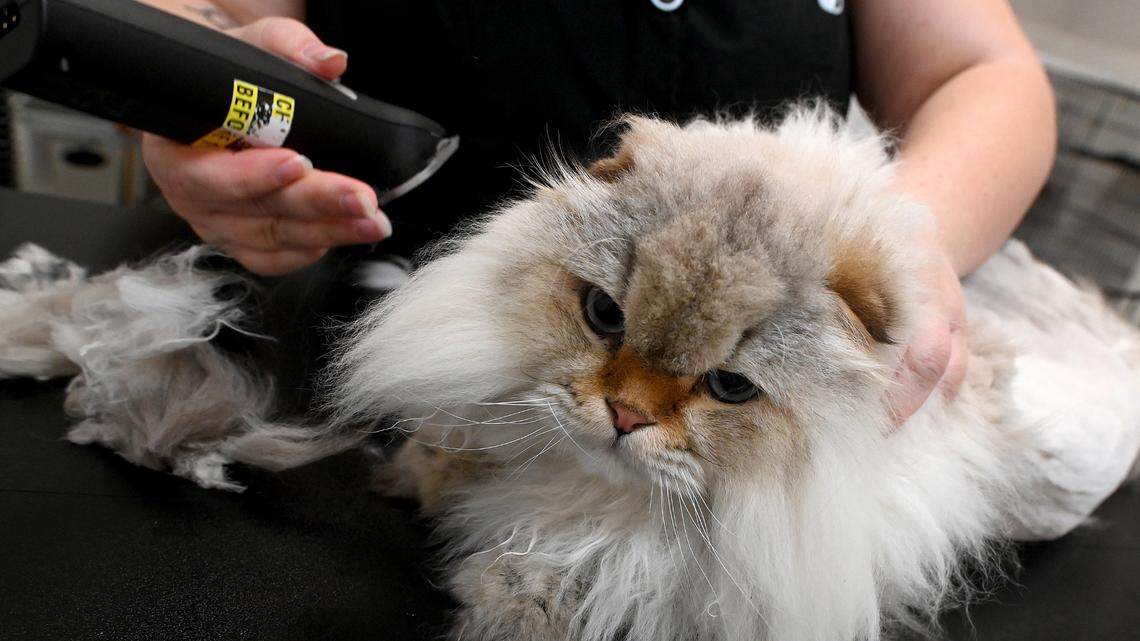
Clippers help trim thick mats and keep fur neat. Use pet-specific clippers with quiet motors to avoid scaring your cat. Scissors allow precise trimming around sensitive areas like paws and face. Choose rounded-tip scissors for safety. Avoid cutting too close to the skin to prevent injury.
Detangling Sprays
Detangling sprays soften tough mats and make combing easier. Look for sprays that are safe for cats and free from harsh chemicals. Lightly spray the fur before brushing to reduce pulling and discomfort. These sprays help keep the coat smooth and shiny.
Nail Care Tools
Long-haired cats also need regular nail trimming. Use sharp, small nail clippers designed for cats. A nail file can smooth rough edges after clipping. Keep styptic powder nearby to stop bleeding if you trim too close. Regular nail care prevents scratches and keeps your cat comfortable.
Preparing Your Cat For Grooming
Preparing your long-haired cat for grooming is a crucial step that can make the experience smoother for both of you. Cats can be sensitive to handling, especially when it involves their fur and skin. Getting them ready means more than just having the right tools; it’s about setting the stage for a calm and positive grooming session.
Creating A Calm Environment
Your cat’s mood depends a lot on the environment around them. Choose a quiet room with minimal distractions to begin grooming. Soft lighting and a comfortable temperature help your cat feel safe.
Try playing calming music or using a pheromone diffuser designed for cats. These small touches can reduce anxiety and make your cat more willing to cooperate. Have all grooming tools within reach to avoid unnecessary interruptions.
Handling Techniques
How you touch and hold your cat can change the entire grooming experience. Use gentle, slow strokes to start, mimicking petting rather than direct grooming. This helps your cat relax and get used to your hands on their fur.
Support their body comfortably without squeezing. If your cat resists, stop and give them a moment before trying again. Notice their body language—ears back or tail flicking means they need a break.
Building Trust And Patience
Trust is the foundation of successful grooming. Spend time daily just bonding with your cat through calm interaction before trying to groom. This builds a positive association with your touch.
Be patient—some cats need days or weeks to accept grooming. Break sessions into short intervals and reward your cat with treats or affection after each one. Have you ever noticed how your patience changes your cat’s reaction? It’s a powerful tool you can use every time.
Step-by-step Grooming Process
Grooming a long-haired cat requires patience and gentle care. Begin by brushing to remove tangles and prevent mats. Follow with a bath if needed, then dry and trim any problem areas carefully.
Grooming a long-haired cat can seem like a daunting task, but with the right steps, it becomes a rewarding routine that strengthens your bond. By following a structured grooming process, you can keep your feline friend looking and feeling great. This step-by-step guide will walk you through everything you need to know, from brushing to trimming, ensuring your cat remains healthy and happy.Brushing And Detangling
Start by gently brushing your cat’s fur with a wide-toothed comb to remove any tangles. If you encounter a knot, hold the fur close to the skin and carefully work through it to avoid pulling. Regular brushing helps reduce shedding and prevents matting, keeping your cat comfortable.Bathing Tips
Cats are generally self-cleaning, but occasionally a bath is necessary. Use lukewarm water and a cat-friendly shampoo. Be sure to rinse thoroughly, as leftover shampoo can irritate their skin. Keeping your cat calm during bath time can be challenging—try speaking softly and offering treats as a reward.Drying Methods
Once bath time is over, gently pat your cat dry with a soft towel. Avoid using a hairdryer as the noise can be frightening. If your cat tolerates it, a low heat setting on a pet dryer can be used. Make sure your cat is completely dry to prevent any chill, especially in colder climates.Trimming And Nail Care
Regular trimming of your cat’s fur and nails is essential for their health. Use blunt-ended scissors for fur, and a specialized cat nail clipper for claws. Trim carefully to avoid cutting too close to the quick, which can cause pain and bleeding. If you’re unsure, consulting a professional groomer or vet is a wise choice. Taking the time to groom your long-haired cat not only improves their appearance but also enhances their overall well-being. Are there any grooming techniques you’ve found particularly effective with your cat? Share your thoughts and experiences in the comments below!Common Grooming Challenges
Grooming a long-haired cat comes with unique challenges that can test your patience and skills. These challenges often require extra care and specific techniques to keep your feline friend comfortable and looking their best. Understanding what makes grooming tricky helps you prepare better and avoid common pitfalls.
Dealing With Mats And Tangles
Mats form when your cat’s fur gets tightly knotted, making brushing painful for them and difficult for you. Regular brushing is essential, but some mats need gentle detangling with a wide-tooth comb or mat splitter. If you encounter a stubborn mat, try to hold the fur close to the skin to avoid pulling and causing discomfort.
Have you noticed your cat avoiding grooming sessions? Mats might be the reason, so inspect their coat often and tackle tangles early to prevent worsening.
Managing Sensitive Skin
Long-haired cats can have delicate skin that reacts to harsh grooming tools or products. Use soft brushes and hypoallergenic shampoos to avoid irritation. If your cat’s skin looks red or flaky, pause grooming and consult your vet about possible allergies or skin conditions.
Does your cat suddenly shy away during brushing? It might be due to skin sensitivity. Adjust your technique by brushing more gently or breaking the session into shorter intervals to keep your cat comfortable.
Handling Uncooperative Cats
Some cats resist grooming because they find it stressful or uncomfortable. Patience is key—start with short grooming sessions and reward your cat with treats or affection. Use calming tones and gentle strokes to build trust over time.
Have you tried different grooming spots? Sometimes a quiet, familiar place helps your cat feel safer. Remember, forcing your cat can backfire and make grooming even harder next time.
Maintaining Grooming Routine
Maintaining a grooming routine is essential for long-haired cats. Their thick fur can easily tangle and form mats. Regular care keeps their coat soft and healthy. It also helps reduce shedding and hairballs.
Grooming sessions create a bond between you and your cat. They allow you to check for skin problems or parasites. A steady routine keeps your cat calm and cooperative during grooming.
Frequency Of Grooming Sessions
Long-haired cats need grooming at least three to four times a week. Daily brushing works best for very thick or curly coats. Shorter sessions prevent discomfort and stress. Use a wide-toothed comb to remove tangles gently.
Seasonal Grooming Adjustments
Adjust grooming frequency based on the season. Cats shed more during spring and fall. Increase brushing sessions during these times to manage loose hair. In winter, less frequent grooming helps protect their coat. Watch for dry skin and adjust care accordingly.
Monitoring Health Signs
Grooming is a chance to check your cat’s health. Look for redness, bumps, or bald spots. Notice any unusual odors or excessive scratching. Keep an eye on eye and ear cleanliness. Report any problems to your vet early for quick treatment.
When To Seek Professional Help
Knowing when to seek professional help for grooming your long-haired cat can protect their health and comfort. Some grooming needs go beyond what you can handle at home. Recognizing these signs early ensures your cat stays happy and clean without stress.
Recognizing Grooming Needs Beyond Home Care
Long-haired cats may develop mats that are hard to remove. These mats can pull on their skin and cause pain. Excessive shedding or oily fur might signal skin problems. If your cat shows signs of irritation or refuses grooming, help is needed. Difficulty in brushing or cleaning sensitive areas is another sign. Sometimes, your cat’s coat may look dull or tangled despite your efforts. In these cases, a professional groomer can provide proper care.
Choosing A Groomer
Look for groomers experienced with long-haired cats. Check reviews or ask for recommendations. A good groomer will be patient and gentle. Ensure they use cat-safe tools and products. Visiting the grooming salon before booking can help. Talk about your cat’s specific needs and any health concerns. Clear communication helps create a comfortable experience for your cat.
Benefits Of Professional Grooming
- Removes tough mats without hurting your cat.
- Keeps the coat healthy and shiny.
- Detects skin issues early through close inspection.
- Reduces hairballs by thorough brushing.
- Provides nail trimming and ear cleaning safely.
- Minimizes stress with expert handling techniques.
Credit: tryfurgo.com
Credit: www.bradenton.com
Frequently Asked Questions
How Often Should You Groom A Long Haired Cat?
Long haired cats require grooming at least 3 to 4 times weekly. Regular brushing prevents mats and tangles. Frequent grooming also reduces shedding and hairballs, keeping your cat healthy and comfortable.
What Tools Are Best For Grooming Long Haired Cats?
Use a slicker brush, wide-toothed comb, and grooming scissors. These tools help remove loose fur and detangle knots gently. Proper tools make grooming easier and more effective for long haired cats.
Can Grooming Prevent Hairballs In Long Haired Cats?
Yes, regular grooming reduces hairballs by removing loose fur. Brushing prevents your cat from swallowing excessive hair during self-grooming. This keeps their digestive system healthier and reduces discomfort.
Is Professional Grooming Necessary For Long Haired Cats?
Professional grooming can help with difficult mats and trims. It is recommended if your cat resists home grooming or has severe tangles. Regular home grooming combined with occasional professional care is ideal.
Conclusion
Grooming a long-haired cat takes time and care. Regular brushing stops mats and tangles. It also helps your cat feel comfortable and clean. Use the right tools and be gentle. Watch your cat’s reactions to avoid stress. Patience makes the process easier for both of you.
A well-groomed cat looks healthy and happy. Start slow and keep grooming a part of your routine. Your cat will thank you with purrs and affection. Simple steps keep long hair neat and shiny.




Leave a Reply