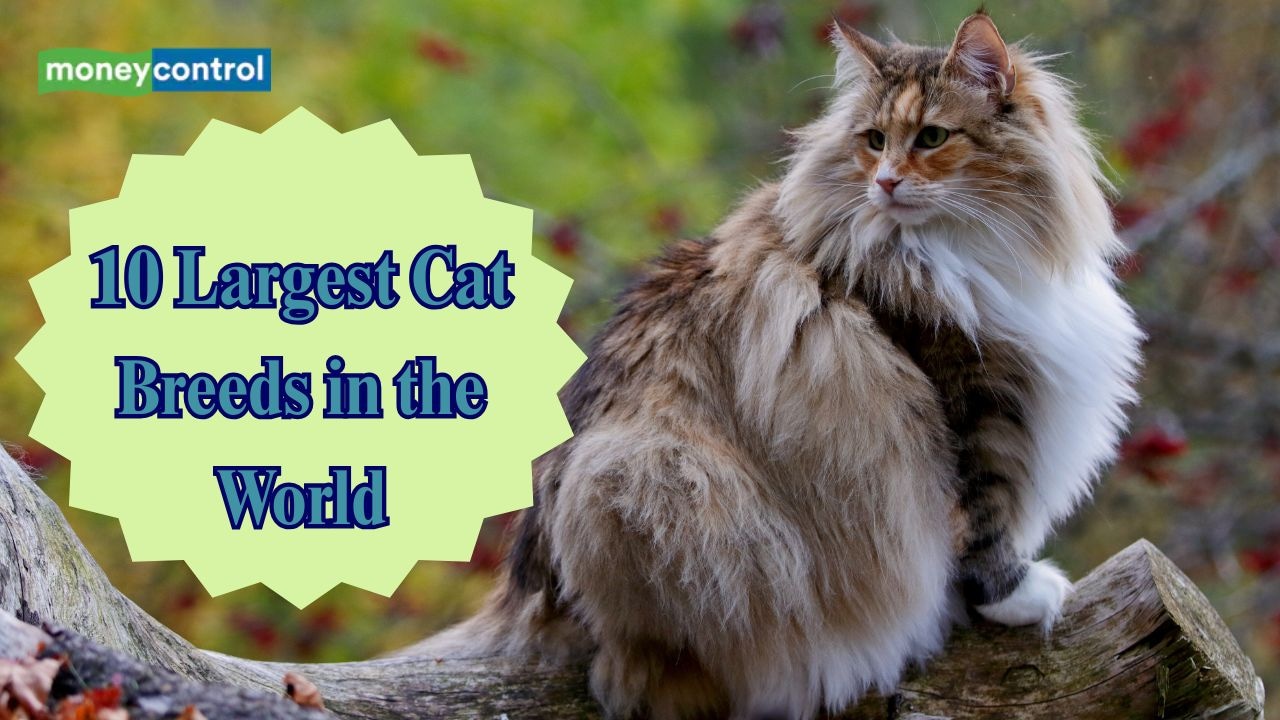
Are you curious about which cat breeds grow into gentle giants? If you’ve ever wondered about the biggest domestic cats you could welcome into your home, you’re in the right place.
Knowing the largest cat breeds helps you prepare for their unique needs and enjoy their impressive presence. You’ll discover the five largest domestic cat breeds, what makes each one special, and why they might be the perfect match for you.
Keep reading to find out which furry friend could be your next big companion!

Credit: www.youtube.com
Maine Coon
The Maine Coon stands out as one of the largest and most beloved domestic cat breeds. Known for their impressive size and gentle nature, they have earned a special place in many homes. If you’re curious about what makes this breed unique, let’s dive into their physical traits, personality, and care needs.
Physical Traits
Maine Coons are large cats, often weighing between 10 to 25 pounds. Their bodies are muscular with a broad chest and long, sturdy legs that support their size. One of their most striking features is their thick, water-resistant fur, which comes in various colors and patterns.
You’ll notice their tufted ears and bushy tails, which resemble a raccoon’s, giving the breed its name. Their fur grows longer around the neck and stomach, creating a mane-like appearance, especially in males. This coat helps them stay warm in cold climates.
Personality And Temperament
Maine Coons are known for their friendly and social nature. They tend to get along well with children, other pets, and even strangers. You might be surprised at how playful and curious they remain, even as they grow older.
Many owners describe them as “dog-like” because they often follow you around and enjoy interactive play. They communicate with soft chirps and trills, which add to their charm. If you want a cat that’s affectionate but not overly demanding, a Maine Coon might be a perfect match.
Care Requirements
Due to their thick fur, Maine Coons need regular grooming to prevent mats and tangles. Brushing two to three times a week usually does the trick, but during shedding season, daily brushing can help keep loose hair under control.
They also require a balanced diet to maintain their muscular build without becoming overweight. Providing plenty of toys and opportunities for play keeps them mentally and physically stimulated. Have you considered how much time you can dedicate to grooming and activity before choosing a Maine Coon?
Credit: www.boredpanda.com
Savannah Cat
The Savannah Cat stands out as one of the largest and most striking domestic cat breeds. Known for its wild appearance and exotic origins, this breed is a cross between a domestic cat and a serval, a wild African cat. This unique blend gives the Savannah Cat a distinctive look and personality that many cat lovers find irresistible.
Size And Appearance
Savannah Cats are notably tall and slender, often weighing between 12 to 25 pounds or more. Their long legs and large ears give them a wild, elegant look. Their coat is spotted and ranges in shades of gold, brown, and black, making them visually similar to their serval ancestors.
One of the most impressive features is their height; some can reach up to 17 inches at the shoulder. This makes them one of the tallest domestic cats. If you want a pet that turns heads, the Savannah Cat will certainly do that.
Behavioral Traits
Savannah Cats are highly intelligent and curious, often described as dog-like in their loyalty and playfulness. They enjoy interactive games and can even learn to walk on a leash. Unlike typical cats, they crave engagement and mental stimulation.
However, their energetic nature means they might not be the best fit if you prefer a calm lap cat. They can be vocal and sometimes display a strong hunting instinct. Are you ready to keep up with a pet that demands attention and activity?
Living Needs
Because of their active and social behavior, Savannah Cats need plenty of space to explore and climb. They thrive in environments where they get daily exercise and mental challenges. Toys, climbing trees, and puzzle feeders are essential to keep them happy.
These cats also benefit from regular interaction with their owners. If left alone for long periods, they may develop behavioral issues. Make sure your lifestyle can support a pet that requires time and commitment.
Ragdoll
The Ragdoll is one of the largest and most striking domestic cat breeds. Known for their gentle nature and impressive size, these cats often become beloved family members. If you want a cat that combines size with a calm personality, the Ragdoll might be the perfect fit for your home.
Distinctive Features
Ragdolls are famous for their beautiful blue eyes and semi-long, silky fur. They have a muscular, large frame that can weigh up to 20 pounds or more. Their coat colors vary, including seal, blue, chocolate, and lilac, often with striking color points on their ears, face, paws, and tail.
One unique trait is their tendency to go limp when you hold them—hence the name “Ragdoll.” This relaxed posture makes them easy to handle and perfect for cuddling.
Temperament
Ragdolls are known as “puppy-like” cats because they love following their owners around and enjoy interactive play. They are calm, gentle, and rarely aggressive, making them excellent companions for families with children or other pets.
Have you ever wished for a cat that greets you at the door? Ragdolls often do just that. Their affectionate nature means they thrive on human attention and can be quite social.
Health And Grooming
Because of their long fur, Ragdolls require regular brushing to prevent mats and tangles. Brushing two to three times a week usually keeps their coat smooth and healthy.
They are generally healthy but can be prone to certain genetic conditions like hypertrophic cardiomyopathy (HCM). Regular vet check-ups and a balanced diet are crucial to keep your Ragdoll in top shape.

Credit: www.yahoo.com
Norwegian Forest Cat
Norwegian Forest Cats stand out for their large size and thick fur. They are one of the five biggest domestic cat breeds known for strength and beauty. Their friendly nature makes them great pets for families.
The Norwegian Forest Cat is a fascinating breed that captures the hearts of many with its majestic appearance and gentle demeanor. Originating from the cold climates of Norway, this breed is built to endure harsh winters, yet they make wonderfully affectionate companions. If you’re considering adding a Norwegian Forest Cat to your family, understanding their unique characteristics and needs is essential.Coat And Build
The Norwegian Forest Cat boasts a luxurious, water-repellent double coat that is both thick and long. This coat not only provides warmth in colder climates but also adds to their regal appearance. Their large, muscular build is complemented by a bushy tail and tufted ears, making them look like they stepped out of a fairy tale.Character Traits
This breed is known for its friendly and social nature, often forming strong bonds with their human families. Despite their size, Norwegian Forest Cats are agile climbers and enjoy exploring high perches. They are intelligent and curious, which means they thrive in environments that stimulate their senses.Maintenance Tips
Grooming is a key aspect of caring for a Norwegian Forest Cat due to their dense coat. Regular brushing helps prevent matting and reduces shedding around your home. Additionally, provide ample climbing opportunities to satisfy their natural instincts and keep them entertained. Do you have the time and space to cater to their playful and adventurous spirit? If yes, the Norwegian Forest Cat might just be the perfect addition to your household.Siberian Cat
The Siberian cat is one of the largest domestic cat breeds. It comes from Russia and has a strong, muscular body. This breed is known for its thick fur and friendly nature. Siberian cats adapt well to cold climates due to their dense coat. They are playful and enjoy interacting with their owners. Siberians also have a gentle and calm temperament, making them great pets for families.
Size And Fur
Siberian cats are large and sturdy. Males can weigh between 15 to 20 pounds. Females are slightly smaller but still solid. Their fur is thick, long, and water-resistant. The triple-layer coat protects them from harsh weather. Fur colors vary widely, from solid to tabby patterns. The dense fur needs regular brushing to avoid mats and tangles.
Personality
Siberian cats are friendly and social. They enjoy being around people and other pets. These cats are curious and playful, often chasing toys or exploring. They are also known for being intelligent and can learn tricks. Siberians form strong bonds with their families. Their gentle nature suits homes with children and other animals.
Care Advice
- Brush the fur at least twice a week to prevent mats.
- Provide a balanced diet to maintain their muscular build.
- Offer interactive toys to keep them mentally active.
- Regular vet check-ups ensure good health.
- Keep them indoors or in a safe outdoor space to avoid risks.
Choosing The Right Large Cat Breed
Choosing the right large cat breed is more than just picking a pet with impressive size. It’s about matching your lifestyle, home, and preferences with a cat that will thrive and bring you joy. Large cat breeds have unique needs that can affect your daily routine and living space.
Space And Environment
Large cats need room to move comfortably. If you live in a small apartment, a giant cat might feel cramped and stressed. Think about whether you have enough space for climbing structures and cozy resting spots tailored to their size.
Do you have a quiet corner or dedicated play area? Big cats often enjoy interactive toys and climbing trees, which require some extra square footage. Your home environment plays a big role in how happy your cat will be.
Activity Level
Not all large cats are couch potatoes. Some breeds are surprisingly active and playful, needing daily exercise to stay healthy. Ask yourself if you can commit to engaging your cat with games and activities.
Do you enjoy spending time playing with your pet? Breeds like the Maine Coon are known for their playful nature, while others may be more laid-back. Matching their activity level to your lifestyle helps avoid frustration for both of you.
Grooming And Health
Large cats often come with thick fur that demands regular grooming. Skipping this care can lead to mats and skin problems. Consider if you have the time to brush your cat frequently, especially for long-haired breeds.
Some large breeds are prone to specific health issues. For example, the Norwegian Forest Cat may have joint concerns due to its size. Being prepared for regular vet visits and understanding breed-specific health risks keeps your cat happy and healthy.
Frequently Asked Questions
What Are The Largest Domestic Cat Breeds By Size?
The largest domestic cat breeds include Maine Coon, Savannah, Ragdoll, Norwegian Forest, and Siberian cats. These breeds are known for their impressive size and muscular build.
How Big Can Maine Coon Cats Grow?
Maine Coon cats can weigh between 13 to 18 pounds and measure up to 40 inches long. They are one of the biggest domestic cat breeds.
Are Ragdoll Cats Considered Large Breed Cats?
Yes, Ragdolls are large domestic cats weighing around 15 to 20 pounds. They are famous for their gentle temperament and size.
What Makes Norwegian Forest Cats Large?
Norwegian Forest cats have dense fur and strong bones, reaching weights of 12 to 16 pounds. Their natural build helps them grow large.
Conclusion
These five large cat breeds show how big and beautiful cats can be. Each breed has its own special traits and friendly nature. Owning a large cat means extra care and space. They bring joy with their size and gentle ways.
Choosing the right breed fits your home and lifestyle. Big cats make great companions for many families. Enjoy the charm and calm of these giant pets.



Leave a Reply