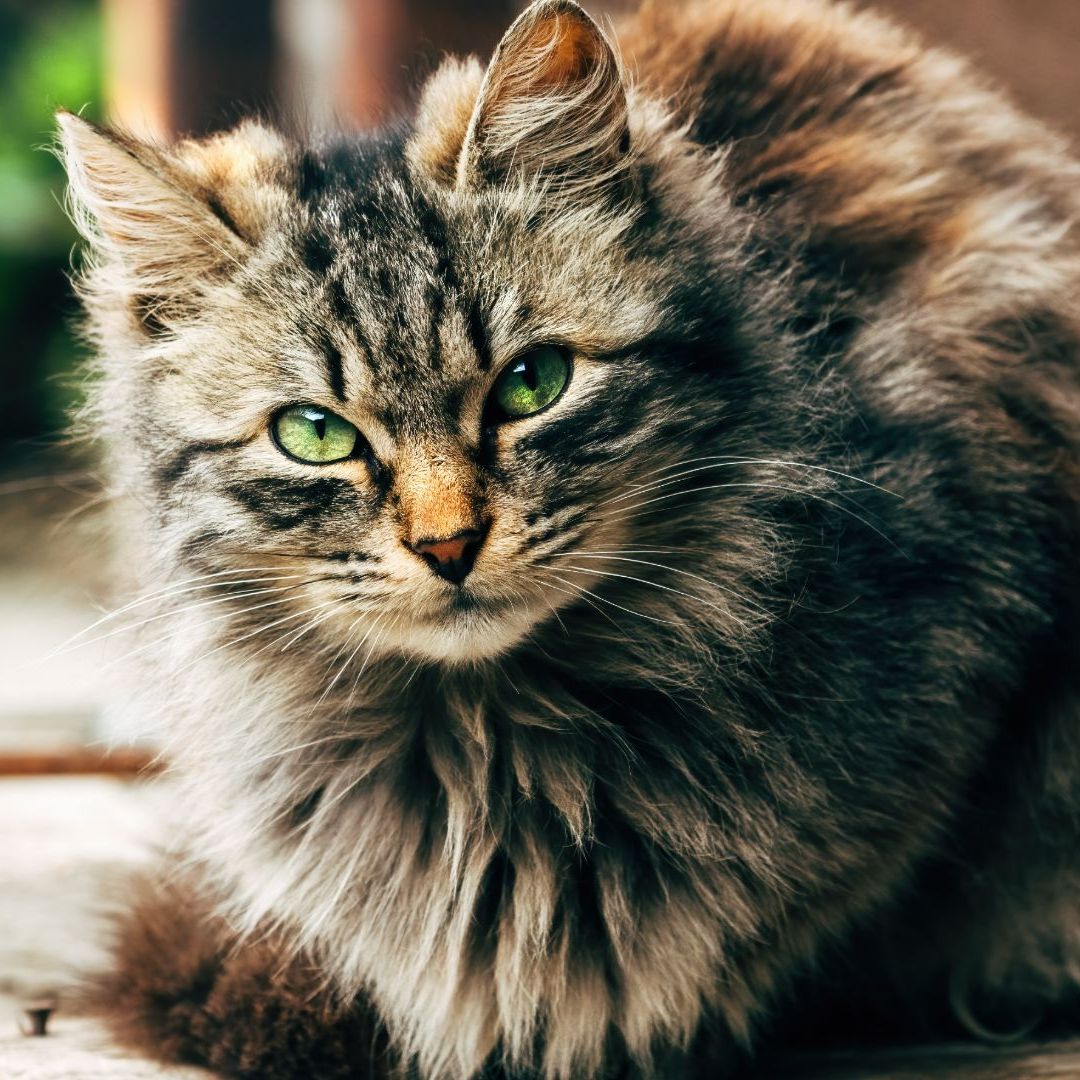
Have you ever noticed a cat with a tail so fluffy it looks like a soft, furry plume? Puffy tails aren’t just adorable—they tell a story about the cat’s breed and personality.
If you’re curious about which cat breeds naturally sport these beautiful, bushy tails, you’re in the right place. Understanding these breeds can help you find a feline friend that matches your style and charm. Keep reading to discover the most popular cats with puffy tails and what makes their tails so special.
Your perfect fluffy-tailed companion might be just a few paragraphs away!
Traits Of Puffy Tails
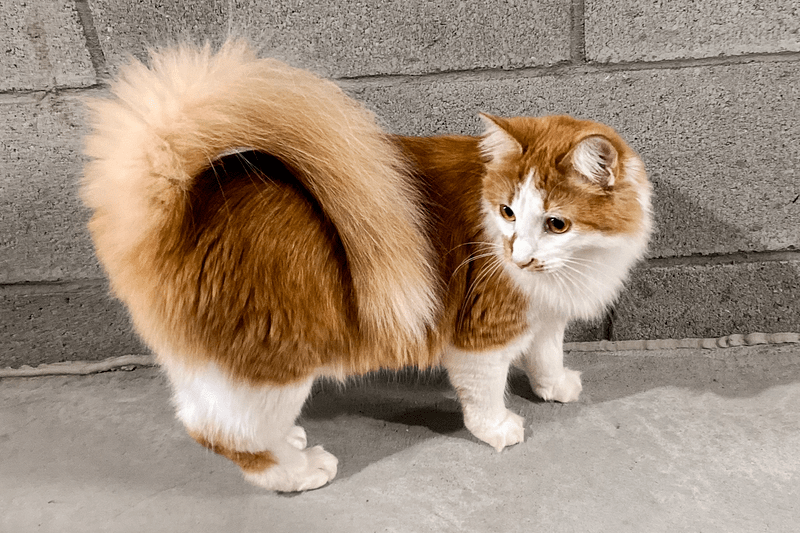
Puffy tails in cats are soft and thick. These tails stand out because of their volume and fluffiness. Many cat breeds show this trait, making their tails look like a brush or plume. Puffy tails are more than just pretty features. They have special roles in cat behavior and survival.
Why Tails Become Puffy
Tails puff up mainly due to fur standing on end. This happens when cats feel scared or threatened. The fluff makes the cat look bigger to scare off danger. Cold weather also causes tails to puff. The fur traps warm air to keep the cat warm. Some breeds naturally have long, thick fur, which makes tails look fluffy all the time.
Function Of Fluffy Tails In Cats
Fluffy tails help cats balance while climbing or running. They act like a counterweight during quick moves. In cold places, thick tails wrap around the body for warmth. Puffy tails also help cats communicate feelings. A raised, fluffy tail often shows happiness or excitement. A puffed-up tail can warn others to stay away.
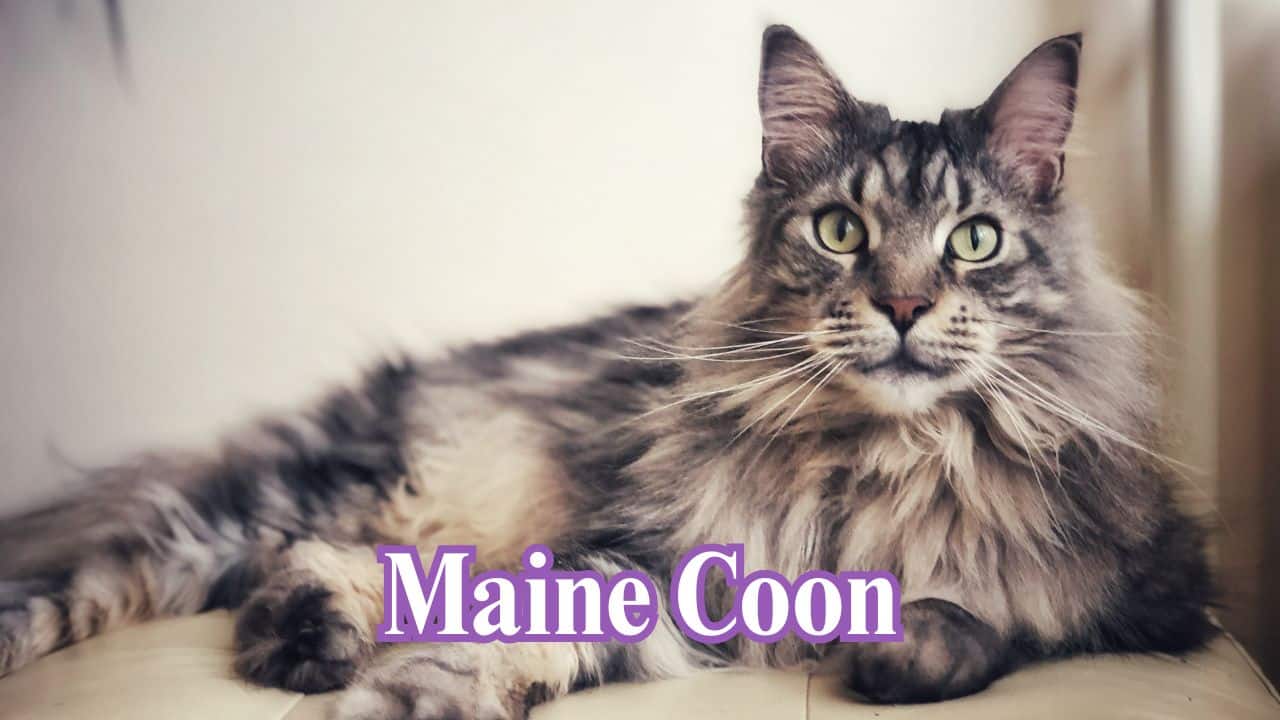
Maine Coon
The Maine Coon is one of the most beloved cat breeds, known for its impressive size and luxurious fur. If you’ve ever admired a cat with a tail that looks like a fluffy plume, chances are it was a Maine Coon. This breed’s tail is not just for show—it plays a key role in their overall charm and survival.
Appearance And Tail Features
Maine Coons are large cats, often weighing between 10 to 25 pounds. Their fur is thick and water-resistant, perfect for cold climates. The tail stands out as one of their most striking features.
Their tails are long and bushy, resembling a feather duster. You might notice how the tail fur fluffs out dramatically, making it look much bigger than usual. This puffy tail helps keep them warm by wrapping around their body like a cozy scarf.
Personality And Behavior
Despite their rugged appearance, Maine Coons are gentle giants. They tend to be very social and enjoy interacting with their human families. Many owners say their Maine Coons act more like dogs—following them around and even playing fetch.
Have you ever wondered why such a big cat would have such a soft, fluffy tail? It’s not just for warmth; the tail also helps with balance when they climb or jump. Watching a Maine Coon use its tail like a counterweight can be fascinating and shows their natural agility despite their size.
Norwegian Forest Cat
The Norwegian Forest Cat is a majestic breed known for its striking appearance and resilient nature. Originating from the cold forests of Scandinavia, this cat has adapted beautifully to harsh climates. If you’ve ever met one, you might have noticed its impressive, fluffy tail that looks like a plume.
Tail Characteristics
The tail of a Norwegian Forest Cat is thick and bushy, almost like a soft brush. It’s longer than average and covered with dense fur that fluffs out dramatically. This puffy tail isn’t just for show—it helps the cat maintain balance while climbing trees and jumping.
Many owners find the tail irresistible to stroke because of its plush texture. Have you noticed how the tail seems to express the cat’s mood? A puffed-up tail can signal excitement or alertness, making it a key part of their body language.
Adaptations For Cold Climates
This breed’s tail serves a practical purpose beyond aesthetics—it’s a natural insulation tool. When temperatures drop, the Norwegian Forest Cat wraps its tail around its body or face to keep warm. This behavior is something you might observe during chilly nights or outdoor adventures.
Along with their thick double coat, the puffy tail helps protect against snow and wind. This adaptation allows the cat to remain comfortable and agile in cold weather. If you live in a colder area, this breed’s unique features might make them a perfect companion for your environment.

Credit: www.moneycontrol.com
Siberian Cat
The Siberian Cat is a majestic and ancient feline breed. Known for its lush coat, this cat thrives in cold climates. It’s a natural breed with a strong and muscular build. The Siberian Cat captivates with its expressive eyes and fluffy tail. Let’s delve into the unique features of its puffy tail.
Tail Fur Density
The Siberian Cat’s tail is a marvel of nature. It boasts a high fur density, providing warmth in harsh climates. This dense fur creates a puffy, bushy appearance. The tail serves a dual purpose: warmth and balance. Each hair strand is thick, aiding in insulation. This unique feature is crucial for surviving cold environments.
Origins And Habitat
Originating from Russia, the Siberian Cat is adapted to cold weather. It has roamed the Siberian forests for centuries. These cats are skilled hunters, thriving in snowy landscapes. Their habitat demands a thick, protective coat. The Siberian’s tail is a testament to its rugged origins. This breed is a symbol of strength and endurance.
Persian Cat
The Persian cat is one of the most beloved breeds worldwide. Known for its luxurious coat and sweet personality, this breed stands out with its distinctive fluffy tail. Persian cats have a calm and gentle nature, making them excellent companions for families and individuals alike.
Fluffy Tail Traits
The Persian cat’s tail is thick and full, covered with long, soft fur. It looks like a plume, adding to the cat’s elegant appearance. The tail fur is dense, matching the lush coat that covers the rest of the body. This fluffy tail helps keep the cat warm and adds charm to its overall look.
Grooming Needs
Persian cats require regular grooming to keep their tails and coats in top condition. Their long fur can easily tangle and mat without care. Daily brushing helps prevent knots and removes loose hairs. Grooming also keeps the tail clean and free from dirt. Using a wide-toothed comb works best for the tail fur. Regular grooming sessions help maintain the fluffy tail’s beauty and health.
Ragdoll
The Ragdoll is a large, striking cat breed known for its gentle nature and beautiful fur. These cats have a soft, silky coat that feels plush to the touch. Their calm personality makes them excellent companions for families and individuals alike. One unique feature of the Ragdoll is its puffy tail, which adds to its fluffy and elegant appearance.
Tail Description
The Ragdoll’s tail is long and full of thick fur. It looks very fluffy and soft, almost like a plume. The tail fur is dense and flows smoothly. This puffy tail helps balance the cat’s large body and adds to its overall charm. The tail often has a darker color compared to the rest of the body, giving a beautiful contrast.
Temperament And Care
Ragdolls are calm, friendly, and love to be held. They are known for their relaxed attitude and rarely show aggression. These cats enjoy being around people and often follow their owners from room to room. Gentle play is their favorite activity.
Grooming the Ragdoll’s thick coat requires regular brushing. This helps prevent mats and keeps the fur shiny. Their puffy tails also need attention to avoid tangles. Ragdolls thrive in calm environments and enjoy cozy spots to rest.
Other Fluffy-tailed Breeds
Fluffy tails add a charming touch to a cat’s personality, making them appear even more majestic and cuddly. Beyond the well-known breeds with puffy tails, several other cats sport this delightful feature. These breeds often have long, soft fur that fluffs out their tails, giving them an elegant and eye-catching look.
Turkish Angora
The Turkish Angora is famous for its silky, flowing coat and a tail that looks like a plume. This breed’s tail is not just fluffy but also very expressive, often curling gracefully when the cat is curious or playful. If you’ve ever seen a Turkish Angora in action, you’ll notice how its tail moves like a soft wave behind it, adding to its graceful presence.
Owning a Turkish Angora means enjoying a cat that is both lively and affectionate. Their fluffy tail isn’t just for show—it helps with balance and communication too. Have you noticed how your cat uses its tail to tell you how it feels?
Birman Cat
The Birman cat features a thick, bushy tail that perfectly complements its plush body fur. This breed’s tail tends to be full and soft, making it a favorite among those who love petting a cat with luxurious fur. Birmans often use their tails like a cozy blanket when they curl up, showing just how much warmth and comfort it provides.
These cats are known for their gentle and social nature, which makes their fluffy tail seem like an extension of their sweet personality. If you want a cat that combines beauty with a loving temperament, the Birman’s fluffy tail might just be the perfect bonus. How does your cat’s tail behavior tell you about its mood?
Credit: www.moneycontrol.com
Caring For Puffy Tails
Caring for puffy tails requires special attention to keep them healthy and beautiful. Puffy tails are a sign of thick, fluffy fur, which needs regular care. Proper care prevents mats and tangles, helping your cat stay comfortable. This section covers key tips to maintain your cat’s fluffy tail and ensure its well-being.
Brushing And Maintenance
Brushing the tail often keeps the fur soft and tangle-free. Use a soft-bristle brush or wide-tooth comb for gentle grooming. Brush in the direction of hair growth. This reduces hair breakage and discomfort. Regular brushing removes loose fur, which lowers shedding around the house.
- Brush at least three times a week for long-haired cats.
- Focus on the tail’s base and tip where mats form easily.
- Be gentle to avoid pulling on the skin.
- Check for dirt or debris caught in the fur.
Regular grooming also helps build trust between you and your cat. It’s a quiet time to bond and relax together.
Health Considerations
Watch for signs of skin problems under the puffy tail. Redness, swelling, or sores need quick care from a vet. Puffy tails may trap moisture, raising the risk of infections. Keep the area dry and clean.
- Check for fleas and ticks often.
- Look for hair loss or patches that seem irritated.
- Note any changes in tail posture or behavior.
Healthy tails reflect overall health. Regular vet visits help catch issues early. Proper diet also supports strong fur and skin. Nutrients like omega-3 fatty acids improve coat shine and softness.
Credit: www.scientificamerican.com
Frequently Asked Questions
What Cat Breeds Have Naturally Puffy Tails?
Breeds like the Maine Coon, Norwegian Forest Cat, and Siberian naturally have puffy, bushy tails. These tails help them stay warm in cold climates and add to their distinctive fluffy appearance.
Why Do Some Cats Have Puffier Tails Than Others?
Puffy tails result from genetics and adaptation. Cats in colder regions develop bushier tails for insulation and protection against harsh weather conditions.
Are Puffy Tails Linked To Specific Cat Behaviors?
Yes, cats often puff their tails when excited, scared, or threatened. A naturally puffy tail enhances this visual communication and signals their mood effectively.
How Can I Care For A Cat With A Puffy Tail?
Regular grooming is essential to prevent mats and tangles. Use a gentle brush to keep the tail fluffy and healthy, especially for long-haired breeds.
Conclusion
Puffy tails add charm to many cat breeds. They show a cat’s mood and personality well. Breeds like the Maine Coon and Norwegian Forest Cat are known for their fluffy tails. These tails help keep cats warm and balanced. Understanding which cats have puffy tails helps you appreciate their beauty more.
Each breed brings something special to the table. Whether you own one or just love cats, their tails tell a story. Puffy tails make cats even more lovable and unique.




Leave a Reply