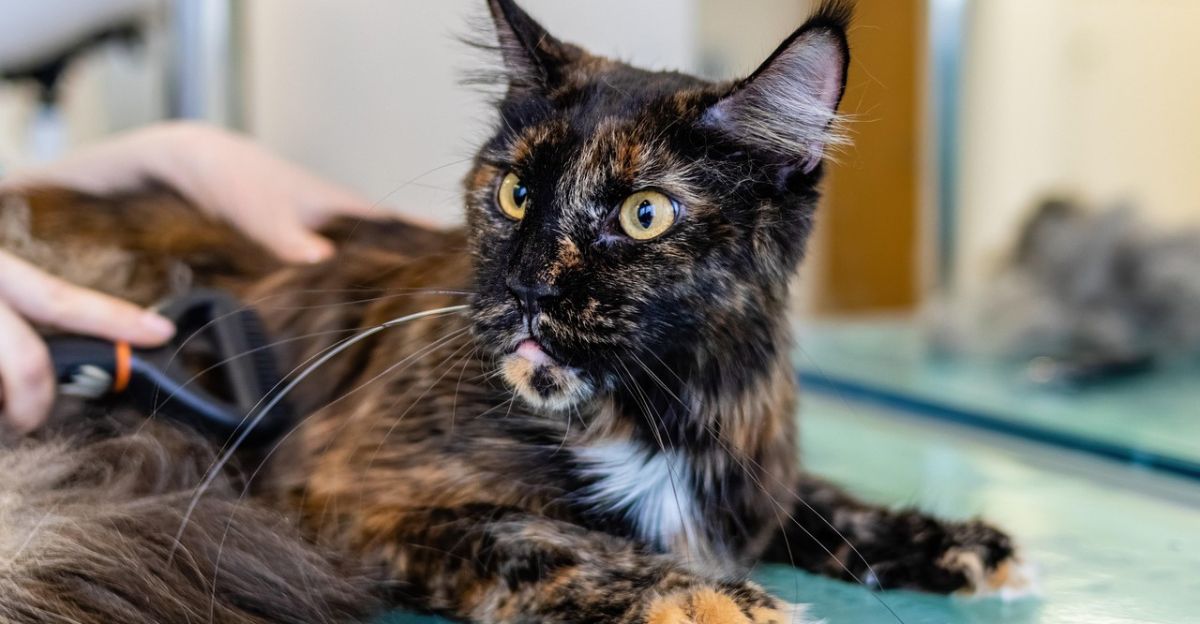
Are you wondering if it’s safe to groom your cat at home? You want to keep your furry friend clean and healthy, but you might worry about hurting them or causing stress.
Grooming your cat yourself can be a great way to bond, save money, and spot any health issues early. But how do you do it safely? You’ll discover simple tips and important precautions to make grooming your cat a positive experience for both of you.
Keep reading to learn how to care for your cat’s coat without risk.

Credit: www.petscare.com
Benefits Of Grooming Cats
Grooming your cat offers more than just a clean and shiny coat. It plays a key role in keeping your feline friend healthy and happy. Regular grooming sessions can bring surprising benefits that go beyond appearance.
Improved Coat Health
Brushing your cat removes loose fur and prevents mats and tangles. This helps reduce shedding around your home and keeps your cat comfortable. A well-groomed coat reflects good health and can even make your cat’s fur softer and shinier.
Have you noticed how some cats groom themselves less as they age? Your touch can fill that gap and maintain their coat’s quality. Plus, grooming distributes natural oils in the fur, which keeps skin hydrated and prevents dryness.
Early Detection Of Health Issues
Grooming lets you check your cat’s body for lumps, bumps, or skin problems. Finding issues early can make a big difference in treatment success. You might spot something your vet can address before it becomes serious.
Look for signs like unusual bumps, redness, or bald patches during each grooming session. This habit turns grooming into a health check, saving you stress and vet visits later. Can you commit to making grooming a quick daily health scan?
Strengthening Bond With Your Cat
Spending time grooming your cat can build trust and deepen your relationship. Many cats enjoy the attention and feel relaxed during gentle brushing. It creates a calm, positive experience that you both look forward to.
Think about the last time your cat nudged you for pets or stayed close during grooming. Those moments show how grooming can be a shared pleasure. How often do you use grooming as a way to connect with your cat?
Signs Your Cat Needs Grooming
Cats are usually good at grooming themselves. Yet, signs show when they need help. Watching your cat’s coat and body can reveal these signs early. Regular grooming keeps cats healthy and comfortable.
Matted Fur And Tangles
Matted fur looks clumped and rough. It feels hard to touch and pulls on the skin. Tangled fur appears as knots or loops. These cause pain and skin problems if left alone. Cats with long hair need more attention to avoid mats and tangles.
Excessive Shedding
Shedding is normal but too much is a warning. Loose hair on furniture or clothes means your cat needs grooming. Brushing removes dead fur and stops hairballs. It also helps check for skin issues hiding under the fur.
Dirty Or Overgrown Nails
Nails that grow too long can hurt your cat. They might curl and dig into the paw pads. Dirty nails carry bacteria and cause infections. Trimming nails regularly keeps your cat’s paws clean and safe.
Choosing The Right Grooming Tools
Choosing the right grooming tools is key to a safe and pleasant experience for your cat. The correct tools make grooming easier and less stressful. Each cat’s coat and needs differ. Selecting tools that match these needs helps keep your cat healthy and comfortable.
Brush Types For Different Coats
Brushes vary by bristle type and purpose. Short-haired cats need soft bristle brushes. These remove loose hair and dirt gently.
Long-haired cats benefit from slicker brushes. They untangle knots and reduce matting. Wide-toothed combs help with tough tangles and prevent hair breakage.
For sensitive skin, rubber brushes offer a gentle massage. Choose one based on your cat’s coat length and texture.
Nail Clippers And Alternatives
Proper nail care prevents scratches and injuries. Use sharp, small nail clippers made for cats. They cut nails cleanly without crushing.
Alternatives include nail grinders. These smooth rough edges and reduce the risk of cutting too deep. They work well for anxious cats.
Never use human clippers. They can splinter your cat’s nails and cause pain.
Ear And Eye Cleaning Supplies
Keep ears and eyes clean to avoid infections. Use cotton balls or pads dampened with vet-approved solutions. Avoid cotton swabs that can hurt delicate areas.
Eye wipes specifically made for pets remove discharge gently. Clean ears only if you see dirt or wax buildup.
Choose supplies that are gentle and safe for cats. Regular cleaning supports your cat’s overall health and comfort.
Preparing Your Cat For Grooming
Preparing your cat gently can make grooming a safe and calm experience. Use soft strokes and speak softly to keep your cat relaxed. Patience and small sessions help build trust and reduce stress during grooming.
Preparing your cat for grooming can be a rewarding experience for both you and your feline friend. The key is to make the process as comfortable and enjoyable as possible. By taking a few thoughtful steps, you can ensure that grooming becomes a bonding time rather than a stressful event.Creating A Calm Environment
Set the stage by choosing a quiet area in your home where your cat feels safe. This could be a cozy corner or a familiar room where they like to relax. Dim the lights slightly and play soft music to create a serene atmosphere. Avoid sudden movements and loud noises to keep your cat from feeling anxious. A calm environment helps your cat associate grooming with relaxation. Consider using a favorite blanket or bed to provide extra comfort.Introducing Tools Gradually
Start by letting your cat sniff and explore grooming tools like brushes and combs. This allows them to become familiar with the items without feeling threatened. Introduce one tool at a time and gently touch it to their fur without using it immediately. Patience is key—over time, your cat will become more accustomed to the grooming tools.Using Treats And Positive Reinforcement
Reward your cat with treats and affection during the grooming process. Positive reinforcement encourages good behavior and helps build trust. Offer small treats before and after grooming sessions to create a positive association. Praise and pet your cat to reinforce their calm behavior, turning grooming into a rewarding experience. Think about how you can make grooming a regular part of your cat’s routine. What small changes can you make today to ensure a lifetime of stress-free grooming? By taking these simple steps, you’re not only caring for your cat’s physical health but also strengthening your bond.Step-by-step Grooming Process
Grooming your cat is more than just keeping them clean; it’s a way to bond and ensure their health. Each part of the grooming process requires patience and a gentle touch. Understanding how to groom safely makes the experience comfortable for both you and your feline friend.
Brushing Techniques
Start by choosing the right brush for your cat’s fur type. Short-haired cats often benefit from a soft bristle brush, while long-haired cats need a comb with wider teeth to prevent tangles.
Brush in the direction of hair growth using gentle strokes. Pay close attention to areas behind the ears and under the legs where mats often form.
Notice how your cat reacts—if they seem uneasy, try shorter sessions. Could a calming treat help make brushing more enjoyable?
Bathing Your Cat Safely
Not all cats enjoy water, so prepare everything before bringing your cat to the sink or tub. Use lukewarm water and a cat-safe shampoo designed to avoid skin irritation.
Wet your cat slowly, avoiding the face and ears. Lather gently and rinse thoroughly to remove all shampoo residue.
Dry your cat with a soft towel and keep them warm afterward. Have you found a quiet spot where your cat feels secure during bath time?
Trimming Nails Without Stress
Choose a quiet moment when your cat is relaxed. Hold one paw gently and press the pad to extend the nails.
Trim only the sharp tip, avoiding the quick (the pink area inside the nail). If you accidentally cut the quick, use styptic powder to stop bleeding.
Reward your cat with praise or a favorite treat after each paw. How do you calm your cat during nail trims to keep stress low?

Credit: www.purina.com
Handling Difficult Grooming Situations
Grooming your cat can sometimes turn into a challenging task, especially when your furry friend resists or becomes anxious. Handling these difficult grooming situations requires patience, understanding, and the right approach. Knowing how to respond can make the experience less stressful for both you and your cat.
Dealing With Anxious Cats
Some cats get nervous the moment they see a brush or nail clippers. To calm them down, try creating a quiet, comfortable space with minimal distractions. Speak softly and move slowly to avoid startling your cat.
Start with short grooming sessions—just a few minutes—to build trust. Offer treats or gentle petting as rewards to associate grooming with positive experiences. You might find that using a soft brush or a grooming glove feels less intimidating to your cat than traditional tools.
Have you noticed certain times of day when your cat is calmer? Grooming during these moments can reduce anxiety and resistance. Watch your cat’s body language closely—if they tense up or try to escape, pause and try again later.
When To Seek Professional Help
Sometimes, grooming your cat at home isn’t enough, especially if they have thick mats or sensitive skin. If your cat shows extreme fear or aggression, it might be safer to turn to a professional groomer or your vet.
Professional groomers have experience with difficult cats and access to specialized tools. They can also spot skin issues or other health problems you might miss. Don’t hesitate to ask your vet for recommendations if you’re unsure where to go.
Remember, seeking help isn’t a failure—it’s a way to protect your cat’s health and well-being. Would you rather risk a stressful grooming fight or trust an expert to handle it safely?
Avoiding Common Grooming Mistakes
One common mistake is rushing the grooming process. Trying to do too much at once can overwhelm your cat and cause resistance. Break grooming into smaller tasks and be patient.
Using the wrong tools can also make grooming uncomfortable for your cat. Make sure your brushes and clippers are appropriate for your cat’s coat type. Dull blades or harsh brushes can cause pain or skin irritation.
Another mistake is ignoring your cat’s signals. If your cat scratches or bites, stop immediately and give them a break. Forcing grooming can damage your relationship and make future sessions harder.
Health And Safety Tips During Grooming
Grooming your cat is more than just keeping their coat shiny; it plays a vital role in their overall health and well-being. Paying attention to health and safety during grooming can make the experience comfortable and beneficial for both of you. Let’s look at practical tips that help you spot discomfort, avoid injuries, and keep your grooming routine hygienic.
Recognizing Signs Of Discomfort
Cats often hide pain or irritation, but subtle signs can tell you when grooming is causing discomfort. Watch for twitching tails, flattened ears, or sudden attempts to escape. These behaviors mean your cat may be stressed or hurting.
Notice if your cat flinches or pulls away when you touch certain areas. This might indicate skin sensitivity or injury. You can gently pause and inspect those spots later or consult a vet if needed.
Preventing Injuries
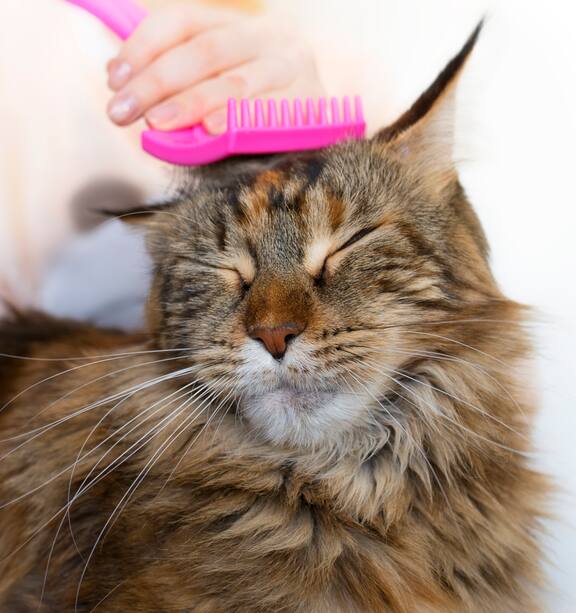
Using the right tools makes a big difference in avoiding cuts or scratches. Choose grooming brushes with rounded tips and scissors designed for pets. Avoid sharp or rusty tools that can harm your cat’s skin.
Keep your cat calm by grooming in a quiet, comfortable space. If your cat struggles, try shorter sessions instead of forcing longer ones. Always handle your cat gently, especially around sensitive areas like the belly and paws.
Maintaining Hygiene
Clean your grooming tools regularly to prevent bacterial buildup. After each session, wipe brushes and combs with pet-safe disinfectants or warm soapy water. Dirty tools can cause infections or irritate your cat’s skin.
Also, wash your hands before and after grooming to avoid transferring dirt or germs. Consider wiping your cat’s paws and face with a damp cloth to remove dirt between grooming sessions. This simple step keeps your cat fresh and reduces the risk of infections.
Credit: www.nzherald.co.nz
Frequently Asked Questions
Is It Safe To Groom My Cat Regularly?
Yes, regular grooming is safe and beneficial for cats. It helps remove loose fur, prevents matting, and reduces shedding. Grooming also promotes better skin health and strengthens the bond between you and your cat.
Can Grooming Reduce Cat Hair Around The House?
Absolutely. Regular grooming removes loose hair before it sheds around your home. This helps keep furniture and clothes cleaner and reduces allergens in your living space.
What Tools Are Safe For Grooming Cats?
Use soft-bristle brushes, rubber grooming gloves, or fine-toothed combs. Avoid harsh brushes or human hair tools. Always choose tools designed specifically for cats to ensure safety and comfort.
How Often Should I Groom My Cat?
Grooming frequency depends on your cat’s coat type. Short-haired cats benefit from weekly brushing. Long-haired cats may need daily grooming to prevent tangles and mats.
Conclusion
Grooming your cat is safe with gentle care and patience. Use soft brushes and calm movements to avoid stress. Regular grooming helps keep your cat’s coat clean and healthy. Watch your cat’s reactions to know when to stop. Always check for skin problems or ticks during grooming.
A calm and slow approach builds trust between you and your cat. With care, grooming can become a pleasant routine for both of you. Remember, safety and kindness make grooming a positive experience.



Leave a Reply