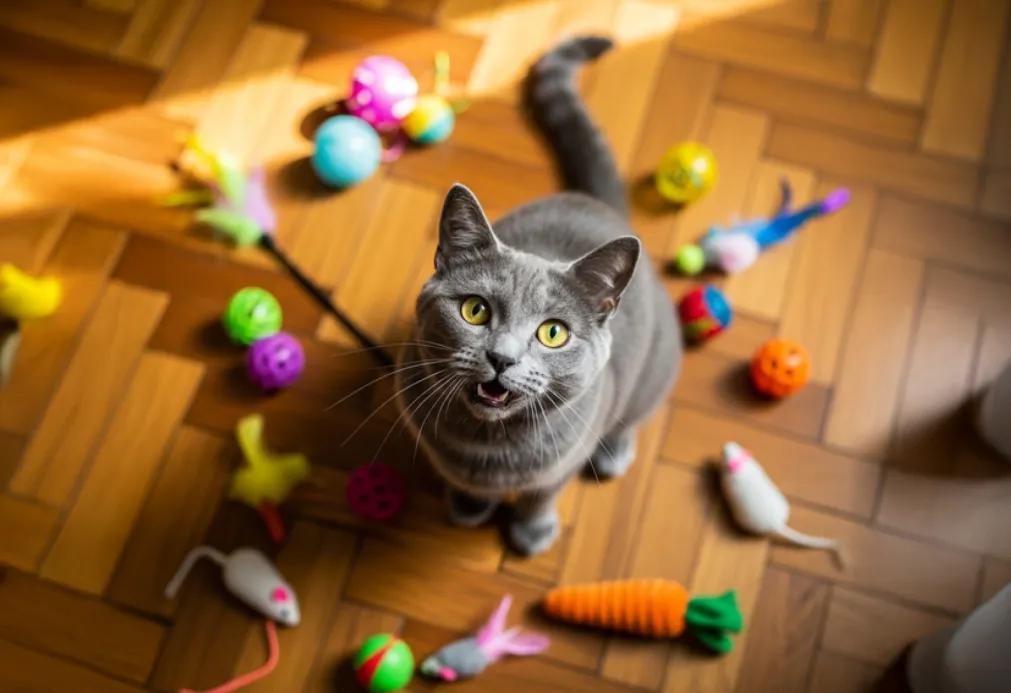
Have you ever noticed your cat losing interest in their favorite toy? You might wonder, do cats get bored with their toys just like we do?
Understanding your cat’s play habits can help keep them happy and active. You’ll discover why your feline friend may lose excitement for certain toys and how you can keep their playtime fresh and fun. Keep reading to unlock simple tips that will make your cat’s toys irresistible again!
Signs Cats Lose Interest
Cats show certain signs when their toys no longer excite them. Recognizing these signs helps keep your cat happy and active. Watching your cat’s behavior around toys can tell you a lot about their interest level.
Ignoring Favorite Toys
Your cat stops playing with toys they once loved. They may walk past or avoid them. Toys left untouched for days mean boredom or loss of interest.
Reduced Playtime
A drop in playtime is a clear signal. Cats play less or not at all with their toys. They may seem restless or look for other activities instead.
Destructive Behavior
Bored cats sometimes act out by scratching furniture or chewing things. This behavior can replace play and show frustration. Destruction often happens when toys no longer engage them.

Credit: www.goodhousekeeping.com
Why Cats Get Bored
Understanding why cats get bored with their toys helps you keep your feline friend happy and engaged. Cats need mental and physical challenges to stay interested. Without these, even their favorite toys can lose appeal quickly.
Lack Of Stimulation
Cats thrive on stimulation that mimics hunting and exploring. If their playtime doesn’t challenge their instincts, boredom sets in fast. You might notice your cat ignoring toys that don’t move or react.
Think about how your cat reacts to a simple string versus an interactive toy. Which one holds their attention longer? Providing toys that move unpredictably or make sounds can keep your cat alert and entertained.
Repetitive Toys
Giving your cat the same toy day after day can cause disinterest. Even if your cat loved a toy at first, repetition dulls the excitement. Cats crave variety just like you do.
Try rotating toys every few days. Switching between feather wands, balls, and puzzle feeders can keep playtime fresh. Have you noticed your cat’s renewed energy when introduced to a “new” toy after a break?
Changes In Environment
Changes around your home can affect your cat’s interest in toys. Moving furniture or introducing new pets might make your cat feel unsettled. This can lower their motivation to play.
Observe your cat’s behavior after changes in their space. Sometimes, simply moving a toy to a new spot or playing near a window can spark curiosity. How often do you rearrange your cat’s play area to keep it interesting?
Choosing Engaging Toys
Choosing engaging toys for your cat is essential to keep their curiosity alive and prevent boredom. Toys that capture their attention encourage physical activity and mental stimulation. You want to pick toys that challenge your cat and invite playful interaction.
Interactive Options
Interactive toys invite your cat to engage actively rather than just watch. Toys like laser pointers, puzzle feeders, or wand toys create a dynamic play experience. When my cat first discovered a feather wand, her eyes lit up and she chased it for hours—showing how interaction can boost excitement.
These toys offer a shared activity between you and your cat, strengthening your bond. Think about what toys encourage your cat to think, hunt, or move around. Could adding a simple interactive toy change your cat’s daily routine?
Variety And Rotation
Offering different types of toys keeps playtime fresh and interesting. A ball one day, a stuffed mouse the next, and a crinkly tunnel after that can spark new interest. Rotating toys prevents your cat from getting used to the same ones and losing excitement.
Try keeping some toys out of sight and swap them weekly. This small change helped my cat stay curious and eager to play, even with toys she had before. Are you ready to create a toy rotation that keeps your cat guessing?
Toys Mimicking Prey
Toys that mimic prey trigger your cat’s natural hunting instincts. Small, fast-moving toys like toy mice or fluttering feathers appeal to their predatory side. Your cat might pounce, stalk, and chase—behaviors that keep them mentally sharp and physically active.
Look for toys that move unpredictably or make noise to simulate real prey. These toys often hold your cat’s attention longer than static ones. Have you noticed your cat’s eyes widen and tail twitch at the sight of a toy that feels like real prey?
Diy Toy Ideas
Cats, like humans, can get bored with their toys. Keeping their playtime exciting is important. Creating DIY toys can be a fun solution. It allows you to craft unique toys while saving money. Let’s explore some creative ideas.
Simple Household Items
Everyday items can become exciting toys for cats. Try using empty toilet paper rolls. They can be batted around and chewed. A crumpled piece of paper also makes a fun, noisy ball. Cardboard boxes are another great option. Cats love to hide and pounce from them.
Creative Crafting Tips
Get creative with your toy designs. Add feathers to a string for a tempting chase toy. Use old socks to make a soft, chewable ball. Fill them with catnip for extra fun. You can also tie ribbons to a stick for a playful wand.
Safe Materials To Use
Safety is key when crafting cat toys. Avoid small items that can be swallowed. Use non-toxic materials like cotton or wool. Check for loose threads or parts. Ensure everything is securely attached. Always supervise playtime with new toys.
Enhancing Playtime
Keeping cats interested in their toys needs creativity and effort. Cats enjoy variety and mental challenges during play. Boredom can set in if toys stay the same all the time. Changing how and when cats play can keep their minds sharp and bodies active. Playtime can be more fun and rewarding with simple adjustments.
Scheduled Play Sessions
Setting specific times for play helps cats expect fun activities. Cats thrive on routine, which can reduce stress and boredom. Short, frequent sessions work better than one long playtime. Use a timer to keep sessions consistent daily. This makes play a regular part of their day.
Incorporating Training
Training adds a new challenge to play. Teach simple commands like “sit” or “come.” Use toys as rewards to keep training fun. Training stimulates a cat’s brain and improves behavior. It builds trust and strengthens the bond between cat and owner.
Using Puzzle Feeders
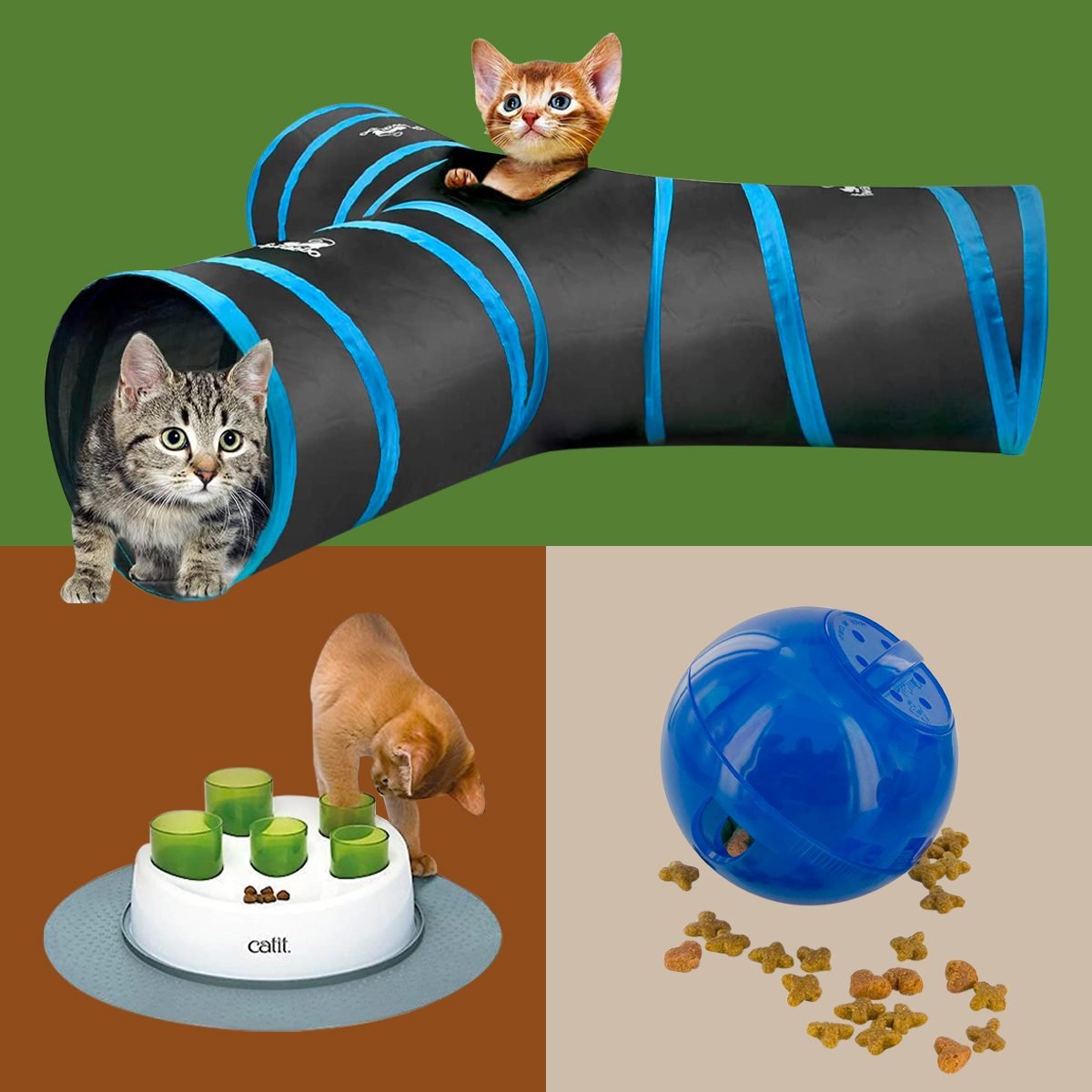
Puzzle feeders make cats work for their food. These toys engage a cat’s problem-solving skills. They slow down eating and prevent boredom. Puzzle feeders come in many shapes and difficulty levels. Rotate different feeders to keep the cat interested and active.
Credit: www.happypet.care
When To Consult A Vet
Knowing when to consult a vet about your cat’s behavior with toys can save your furry friend from unnecessary discomfort or stress. Sometimes, boredom with toys is a sign of deeper issues that need professional attention. Paying attention to subtle changes in your cat’s actions and health can help you decide if a vet visit is necessary.
Behavioral Changes
If your cat suddenly loses interest in all toys, including favorites, this could signal a problem. Watch for signs like increased aggression, hiding, or unusual vocalizations. These changes often indicate that something is bothering your cat beyond simple boredom.
Have you noticed your cat avoiding playtime or becoming unusually withdrawn? This shift in behavior can be a red flag and warrants a vet’s assessment to rule out any underlying causes.
Health Concerns
Physical issues can cause your cat to lose interest in toys. Dental pain, arthritis, or vision problems might make play uncomfortable or difficult.
For example, a cat with sore teeth might avoid toys that require biting or chewing. If you see signs like limping, excessive grooming, or changes in eating habits, it’s time to get a professional opinion.
Stress Indicators
Stress can affect your cat’s engagement with toys and overall behavior. Changes in the household, new pets, or loud noises can trigger anxiety.
Look for symptoms such as excessive scratching, overgrooming, or changes in litter box use. If your cat’s boredom seems tied to stress, a vet can help identify the cause and suggest ways to help your cat feel secure again.
Credit: www.rd.com
Frequently Asked Questions
Do Cats Lose Interest In Toys Over Time?
Yes, cats can lose interest in toys if they become repetitive or lack stimulation. Rotating toys keeps them engaged.
How Often Should I Change My Cat’s Toys?
Change or rotate toys every few days to maintain your cat’s curiosity and prevent boredom.
What Signs Show My Cat Is Bored With Toys?
Signs include ignoring toys, sleeping excessively, or seeking attention more than usual.
Can Boredom Affect A Cat’s Behavior?
Yes, boredom can lead to destructive behavior, excessive meowing, or lethargy in cats.
Conclusion
Cats can lose interest in toys over time. They like new and different things to play with. Changing toys often keeps them happy and active. Simple toys can bring lots of fun. Spend time playing with your cat every day.
This helps stop boredom and builds your bond. Remember, a bored cat may act restless or lazy. Keep their playtime fresh to keep them healthy. A happy cat means a happy home.



Leave a Reply